Replacing Old Parquet or Carpet Flooring in a Toronto Condo
Many older Toronto condos still have original parquet flooring, old carpet, outdated laminate, or worn vinyl flooring. Over time, these floors can become scratched, loose, stained, uneven, noisy, or simply outdated.
Replacing old condo flooring can completely change the look and value of the unit. It can also make the space easier to clean, more modern, and more attractive for resale or rental. However, condo flooring replacement is different from replacing floors in a house. Most Toronto condos have concrete subfloors, building rules, elevator booking requirements, soundproof underlayment rules, and condo board approval processes. At Parqueteam Hardwood Flooring, we provide condo flooring installation in Toronto for old floor removal, parquet flooring replacement, carpet removal, vinyl flooring, laminate flooring, engineered hardwood flooring, soundproof underlayment, and concrete subfloor preparation. 
Why Many Toronto Condo Floors Need Replacement
Older condo flooring can wear out for many reasons.
Common issues include:
In many older Toronto condos, the existing floor may have been installed years ago over a concrete subfloor. Before new flooring can be installed, the old floor usually needs to be removed and the concrete needs to be checked. Replacing Old Parquet Flooring in a Condo
Old parquet flooring is common in many Toronto condo buildings.
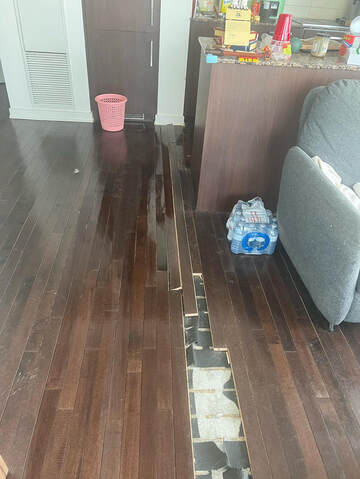
Parquet can last a long time, but older parquet floors may become loose, uneven, yellowed, scratched, or outdated. In some cases, parquet can be refinished, but in many condos it makes more sense to remove it and install a new flooring system. Old parquet may need replacement when:
Removing parquet can be more labour-intensive than removing carpet or floating laminate. The difficulty depends on how the parquet was installed, how strong the adhesive is, and what condition the concrete subfloor is in underneath. After removal, the concrete may need scraping, cleaning, patching, grinding, or leveling before the new floor is installed. 
Replacing Carpet Flooring in a Condo
Old carpet is another common issue in Toronto condos.
Carpet can hold stains, odours, dust, pet smells, and allergens. Many condo owners replace carpet with hard surface flooring because they want a cleaner, more modern, and easier-to-maintain floor. Common carpet replacement options include:
Carpet removal is usually more straightforward than parquet removal, but the subfloor still needs to be checked after the carpet and underpad are removed. There may be:
Once the carpet is removed, the new flooring option must still meet the condo building’s requirements. Can You Install New Flooring Over Old Condo Flooring?
Sometimes homeowners ask if new flooring can be installed over the existing floor.
In many cases, it is better to remove the old flooring first. Installing new flooring over old condo flooring can create problems such as:
Old carpet should almost always be removed before installing new hard surface flooring. Old parquet, laminate, vinyl, or engineered hardwood should usually be removed if it is loose, uneven, damaged, too high, or not suitable as a base for the new floor. The best approach depends on the existing floor, subfloor condition, new flooring product, and condo rules. 
Best Flooring Options After Removing Old Parquet or Carpet
After old parquet or carpet is removed, the most common replacement options are engineered hardwood, vinyl flooring, and laminate flooring.
Each option has a different purpose. Engineered Hardwood Flooring
Engineered hardwood is usually the premium option for Toronto condos.
It is a good choice when the owner wants a real wood floor, better resale appeal, and a higher-end look. Engineered hardwood is more stable than solid hardwood and can work well over concrete when installed with the right method and approved underlayment system. For more details, visit our engineered hardwood flooring Toronto page. Laminate Flooring
Laminate flooring is usually the most budget-friendly replacement option.
It can be a good choice for bedrooms, living rooms, hallways, and dry areas where the goal is to update the condo at a lower cost. Laminate can make an older condo look much cleaner and more modern, but it is not usually the best choice for high-moisture areas. For kitchens, laundry areas, pet-heavy units, or rental condos where spills are more likely, vinyl flooring may be safer. For more details, visit our laminate flooring Toronto page. Vinyl Plank Flooring
Vinyl flooring is one of the most practical replacement options for condos.
It is waterproof, durable, easy to clean, and available in many modern wood-look designs. Vinyl is often a strong option for rental condos, investment units, pet-friendly condos, kitchens, hallways, and high-traffic spaces. Vinyl flooring can be a good choice when the owner wants a durable floor that can handle everyday wear better than laminate. For more details, visit our vinyl flooring Toronto page. Best Replacement Choice by Situation
If you want a premium real wood finish, choose engineered hardwood.
If you want waterproof performance and easy maintenance, choose vinyl flooring. If you want the most affordable update for dry areas, choose laminate flooring. If you are replacing carpet in a rental condo, vinyl flooring is often the most practical choice. If you are replacing old parquet before selling, engineered hardwood may give the strongest resale appeal. If the old floor is uneven or glued down, subfloor preparation will be one of the most important parts of the project. Final Thoughts on Replacing Old Condo Flooring
Replacing old parquet or carpet flooring in a Toronto condo can make the unit look cleaner, newer, and more valuable.
The most important steps are checking the condo rules, removing the old flooring properly, preparing the concrete subfloor, choosing the right underlayment, and installing a flooring product that fits the unit and building requirements. Parqueteam Hardwood Flooring helps Toronto condo owners replace old parquet, carpet, laminate, vinyl, and engineered hardwood with modern flooring options such as engineered hardwood, vinyl flooring, and laminate flooring. For help with condo flooring replacement in Toronto, contact Parqueteam Hardwood Flooring for a free quote. 
Replacing Old Condo Flooring FAQ
Can old parquet flooring be replaced in a Toronto condo?
Yes, old parquet flooring can often be removed and replaced with engineered hardwood, vinyl flooring, or laminate flooring. The process depends on how the parquet was installed, how strong the adhesive is, and the condition of the concrete subfloor underneath. Can carpet be replaced with hard flooring in a condo? Yes, carpet can often be replaced with engineered hardwood, vinyl, or laminate flooring, but condo building rules should be checked first. Many buildings require acoustic underlayment when carpet is replaced with hard surface flooring. Is it better to remove old condo flooring before installing new flooring? Yes. Removing old flooring helps avoid height problems, uneven surfaces, poor transitions, movement, trapped moisture, and installation issues. Old carpet should always be removed before installing new hard surface flooring. Can new flooring be installed over old parquet? Sometimes it may be possible, but it is usually better to remove old parquet if it is loose, uneven, damaged, too high, or poorly bonded to the concrete. Installing over bad parquet can cause movement, noise, gaps, or failure in the new floor. Why is old parquet hard to remove? Old parquet can be difficult to remove because the wood blocks may be strongly glued to the concrete subfloor. After the parquet is removed, old adhesive may still need to be scraped, ground, patched, or cleaned before the new flooring is installed. What is the best flooring to replace old carpet in a condo? Vinyl flooring is often a practical choice after carpet removal because it is waterproof, durable, and easy to maintain. Engineered hardwood is a good premium option, while laminate can be a budget-friendly choice for dry areas such as bedrooms, living rooms, and hallways. What is the best flooring to replace old parquet in a condo? Engineered hardwood is often the best premium replacement for old parquet because it gives a real wood look with better resale appeal. Vinyl flooring is a practical option for durability and moisture resistance, while laminate is usually the most affordable option. Do I need soundproof underlayment after removing carpet? Many condo buildings require soundproof or acoustic underlayment when carpet is replaced with hard surface flooring. Carpet naturally absorbs sound, so replacing it with engineered hardwood, vinyl, or laminate may require an approved underlayment system. Does the concrete subfloor need preparation after removing old flooring? Often, yes. After old parquet, carpet, vinyl, laminate, or engineered hardwood is removed, the concrete may need scraping, cleaning, patching, grinding, or leveling. Proper subfloor preparation helps prevent movement, clicking, gaps, unevenness, and installation failure. How much does it cost to replace old condo flooring? The cost depends on the old flooring type, removal difficulty, new flooring material, installation method, underlayment, concrete subfloor preparation, trims, transitions, furniture, and building access. Carpet removal is usually easier, while glued parquet or tile removal can cost more. Is vinyl flooring good for replacing old condo flooring? Yes, vinyl flooring is a strong option for replacing old condo flooring because it is waterproof, durable, easy to clean, and practical for rental units, pet-friendly condos, kitchens, hallways, and high-traffic areas. Is engineered hardwood good for replacing old parquet? Yes, engineered hardwood can be a good replacement for old parquet if you want a real wood floor with a more modern look. It can work well over concrete when installed with the right method, underlayment, and condo approval. Is laminate flooring good for replacing old condo carpet? Laminate flooring can be a good option for replacing carpet in dry condo areas such as bedrooms, living rooms, and hallways. It is usually more affordable than engineered hardwood, but vinyl may be better where waterproof performance is important. Do I need condo board approval before replacing old flooring? Many Toronto condo buildings require approval before old flooring is removed and replaced. Property management may ask for flooring product details, underlayment specifications, acoustic ratings, contractor insurance, renovation forms, elevator booking, and project dates. How do I prepare for condo flooring replacement? Start by checking the condo building rules, approved flooring types, underlayment requirements, elevator booking process, working hours, and contractor insurance requirements. It also helps to clear small items, confirm furniture moving needs, and send photos of the existing floor before getting a quote.
0 Comments
Laminate Flooring in Toronto – Pros, Cons, and What You Need to Know
Laminate flooring has become an increasingly popular option for homeowners across Toronto, especially those seeking an affordable and stylish alternative to traditional hardwood hardwood floors. From sleek downtown condos to suburban family homes, laminate offers the look of real wood at a fraction of the cost—without sacrificing too much in performance.
But is laminate flooring the right choice for your Toronto home? 
What is Laminate Flooring?
Laminate flooring is a multi-layered synthetic flooring product designed to mimic the appearance of natural materials like hardwood flooring, stone, or tile. It typically consists of four layers:
Most modern laminate flooring in Toronto comes in click-lock planks that float over the subfloor—no glue or nails required. Thickness usually ranges from 10mm to 12mm, and it’s rated using an AC rating system (Abrasion Criteria) from AC1 (light use) to AC5 (heavy commercial). While it doesn’t have the same natural value as hardwood or the waterproof edge of vinyl, laminate has come a long way in terms of quality, performance, and aesthetics—making it a strong contender for Toronto homeowners. Pros of Laminate Flooring in Toronto Homes
Laminate flooring offers several advantages, especially for homeowners looking for a balance between style, performance, and budget. Here's why many Toronto residents are choosing laminate:
1. Affordable Alternative to Hardwood Laminate costs significantly less than solid or engineered hardwood flooring—both in terms of materials and installation. This makes it ideal for budget-conscious renovations or rental properties. 2. Realistic Wood Look Modern laminate floors are designed with high-definition printing and textured surfaces, closely mimicking the appearance and feel of natural hardwood. You’ll find options that replicate oak, walnut, maple, and even exotic wood grains. 3. Durability & Scratch Resistance Thanks to the tough wear layer, laminate is highly resistant to scratches, dents, and general wear, making it a great option for homes with pets, children, or high foot traffic. 4. Low Maintenance Laminate floors are easy to clean—just sweep or vacuum regularly and mop with a damp cloth. There’s no need for special cleaners or refinishing over time. 5. Easy Installation Most laminate flooring comes with a click-lock system, allowing for fast and simple floating installations. This also reduces labour costs compared to glue-down hardwood flooring. 6. Moisture Resistance (in Certain Areas) While laminate isn’t waterproof, many AC4 or AC5-rated laminates are made to handle moderate moisture—making them suitable for basement floors, condos, and main living areas, especially when paired with the right underlayment. 7. Wide Selection of Styles Laminate is available in a wide range of colours, widths, textures, and finishes, allowing homeowners to achieve virtually any design vision—from rustic farmhouse to modern minimalist. Cons of Laminate Flooring in Toronto Homes
While laminate flooring offers many benefits, it’s important to understand its limitations—especially in a climate like Toronto’s, where seasons and moisture levels can fluctuate.
1. Not Waterproof Most laminate floors, unlike vinyl plank flooring, are not fully waterproof, and prolonged exposure to moisture can cause swelling, warping, or separation between planks. This makes laminate a less suitable choice for kitchens, bathrooms, or laundry rooms. 2. Can’t Be Refinished Unlike hardwood flooring, laminate cannot be sanded or refinished. If it gets damaged or worn over time, the only solution is to replace the affected planks or the entire floor. 3. Feels Less Authentic Despite improvements in texture and design, laminate still doesn’t fully replicate the sound, warmth, or underfoot feel of real wood. Some homeowners describe it as feeling more hollow or synthetic. 4. Sensitive to Subfloor Imperfections Laminate flooring requires a flat, smooth subfloor. If there are bumps, dips, or uneven surfaces, the floating planks may creak, shift, or wear unevenly over time. 5. May Decrease Home Value Slightly Compared to Hardwood While laminate is attractive and functional, it generally doesn’t carry the same perceived value as engineered hardwood floors or solid hardwood. For resale purposes, hardwood is still the gold standard in many Toronto neighborhoods. 
Where Does Laminate Flooring Work Best in Toronto Homes?
Laminate flooring isn’t ideal for every room, but when installed strategically, it can offer both beauty and performance in a wide range of Toronto living spaces.
Living Rooms & Bedrooms Laminate is perfect for dry, low-moisture spaces like living rooms and bedrooms. Its affordability and attractive wood-look designs make it a popular choice for larger areas where installing hardwood might be too expensive. Basement Apartments or Secondary Suites In Toronto’s tight housing market, many homeowners convert basements into rental units or living space. Laminate can be a cost-effective and stylish flooring option—provided a proper vapor barrier and underlayment are used to manage moisture. Condos with Concrete Subfloors Floating laminate floors are good for condo floors. Laminate offers a good balance of performance and cost, and most condo boards allow it with soundproofing underlayment. Homes with Kids or Pets Laminate flooring is highly scratch-resistant, making it a practical option for households with active children or pets. It resists dents and daily wear better than some hardwood floors. Areas to Avoid Avoid using laminate flooring in bathrooms, laundry rooms, or entryways where frequent water spills or humidity are a concern. While water-resistant options exist, they still fall short of full waterproof protection like vinyl flooring offers. Our Recommendation: Should You Choose Laminate Flooring in Toronto?
Laminate flooring can be an excellent option for many Toronto homeowners—but only when chosen with care and installed in the right context.
When Laminate Flooring Is a Smart Choice
When to Think Twice
Pro Tip from a Toronto Flooring Contractor: Not all laminate is created equal. For the best results in Toronto homes, choose at least AC4 or AC5 rated laminate, preferably 10mm or thicker, and always use a high-quality underlayment to improve comfort and soundproofing. 
Frequently Asked Questions
Q: Is laminate flooring good for Toronto’s climate?
A: Yes, laminate flooring performs well in Toronto’s four-season climate—especially in temperature-controlled environments. Just avoid installing it in areas with high humidity or risk of water exposure. Q: Can laminate flooring increase my home's value? A: While laminate can enhance aesthetics, it generally doesn’t add as much resale value as hardwood. However, high-quality laminate in good condition is still attractive to many buyers, especially in entry-level and mid-range homes. Q: Is laminate flooring waterproof? A: No, most laminate flooring is water-resistant—not waterproof. Spills should be cleaned promptly to prevent swelling. Some newer options offer better moisture resistance, but for fully waterproof flooring, vinyl is a better choice. Q: How long does laminate flooring typically last? A: With proper installation and care, laminate flooring can last 10–20 years or more. Choosing a higher AC rating (AC4 or AC5) and maintaining it properly will maximize longevity. Q: Is laminate flooring a good option for condos in Toronto? A: Yes, laminate is a popular choice in Toronto condos due to its affordability, appearance, and ease of maintenance. Be sure to check your condo board’s soundproofing requirements and use an appropriate underlayment. Q: Can laminate flooring be refinished? A: No, unlike hardwood, laminate flooring cannot be sanded or refinished. Once it wears out or is damaged, it must be replaced. Q: Does laminate flooring require underlayment? A: Yes, laminate flooring installation always requires to have underlay put first, specially in condos where there are specific sound rating requirements (varies between each condo) Best Flooring Options for Toronto Condos
Updated July 2026
Choosing the best flooring for a Toronto condo is different from choosing flooring for a detached house. Condo units often have concrete subfloors, soundproofing rules, elevator booking requirements, condo board approval, and specific underlayment requirements. For most Toronto condos, the best flooring options are engineered hardwood, vinyl flooring, and laminate flooring. Each option can work well, but the right choice depends on your building rules, budget, lifestyle, and how the condo will be used. This guide compares the most common flooring options for Toronto condos, including engineered hardwood, vinyl plank, and laminate flooring. It is meant to help condo owners understand the pros, cons, building requirements, and practical differences before choosing a floor. If you are looking for installation help, visit our main Condo Flooring Toronto service page for details about condo floor replacement, underlayment, concrete subfloor preparation, and free quote requests. 
Why Condo Flooring Is Different
Condo flooring projects require more planning than standard house flooring projects.
Most Toronto condos have concrete subfloors, which affects what type of flooring can be installed and how it should be installed. Many condo buildings also require acoustic underlayment to reduce sound transfer between units. Before choosing flooring for a condo, it is important to check:
Best Flooring Options for Toronto Condos
The three most common flooring choices for Toronto condos are engineered hardwood, vinyl flooring, and laminate flooring.
Engineered hardwood is usually the premium option. Vinyl flooring is usually the most practical waterproof option. Laminate flooring is usually the most budget-friendly option. There is no single best choice for every condo. The right flooring depends on the unit, the subfloor, the budget, and whether the condo is owner-occupied, rented, or being prepared for resale. Engineered Hardwood Flooring for Condos
Engineered hardwood floor is often the best choice for condo owners who want a real wood floor.
It has a real wood surface, but it is more stable than solid hardwood. This makes it a better option for condos, especially because most condo units have concrete subfloors. Engineered hardwood works well for:
Engineered hardwood is usually more expensive than vinyl or laminate, but it can be worth it when the goal is a more premium finish. For condos, engineered hardwood may be installed as a floating floor, glue-down floor, or double glue-down system, depending on the product, subfloor, and condo rules. For more details, visit our engineered hardwood flooring Toronto page. Vinyl Flooring for Condos
Vinyl flooring is one of the most practical flooring options for Toronto condos.
It is durable, waterproof, easy to maintain, and available in many modern wood-look styles. This makes it a strong choice for rental condos, investment units, pet-friendly condos, and high-traffic areas. Vinyl flooring works well for:
Vinyl flooring can also be a good choice when the owner wants a durable floor without spending engineered hardwood-level money. For condos, both click vinyl and glue-down vinyl may be options. The right choice depends on the product, concrete subfloor, underlayment requirements, and building rules. For more details, visit our vinyl flooring Toronto page. Laminate Flooring for Condos
Laminate flooring is usually the most affordable condo flooring option.
It gives a wood-look appearance at a lower cost than engineered hardwood. Modern laminate can look very good, and many products are stronger and more scratch-resistant than older laminate floors. Laminate flooring works well for:
However, laminate is not the same as vinyl. Even water-resistant laminate is not always fully waterproof. For kitchens, laundry areas, pet-heavy units, or rental condos where spills are more likely, vinyl flooring may be the better choice. Laminate can still be a good option when the goal is an affordable floor for dry areas. For more details, visit our laminate flooring Toronto page. 
What About Solid Hardwood in Condos?
Solid hardwood is usually not the best choice for most Toronto condos.
Most condo units have concrete subfloors, and solid hardwood is usually installed by nailing it to a wood subfloor. Since standard nail-down installation does not work directly over concrete, engineered hardwood is usually the better real wood option for condos. In some cases, a wood subfloor system can be built, but that can raise the floor height, create transition issues, affect doors, and may not be approved by the condo board. For most condo owners who want real wood, engineered hardwood is the better option. Before Choosing Condo Flooring, Check the Building Rules
Before buying flooring, always check the condo building’s flooring requirements.
Some buildings require specific soundproof underlayment. Some require product documents, acoustic ratings, contractor insurance, renovation forms, and elevator booking before work begins. You should confirm:
Final Thoughts: What Flooring Is Best for Condos?
For most Toronto condos, the best flooring choice comes down to engineered hardwood, vinyl flooring, or laminate flooring.
Choose engineered hardwood if you want a premium real wood floor and better resale appeal. Choose vinyl flooring if you want waterproof performance, durability, and easy maintenance. Choose laminate flooring if you want an affordable wood-look floor for dry areas and budget-conscious renovations. The most important step is to choose flooring that works with your condo building rules, concrete subfloor, underlayment requirements, and long-term goals. For help choosing the right floor for your condo, contact Parqueteam Hardwood Flooring for a free condo flooring quote in Toronto. 
Condo Flooring FAQ
What is the best flooring for condos in Toronto?
The best flooring for condos in Toronto depends on the building rules, budget, subfloor, and how the unit will be used. Engineered hardwood is often best for a premium real wood look, vinyl flooring is usually best for waterproof durability, and laminate flooring is often best for budget-friendly condo renovations. Is engineered hardwood good for condos? Yes, engineered hardwood is a strong option for condos because it gives the look and feel of real wood while being more stable than solid hardwood. It can work well over concrete subfloors when installed with the right underlayment or approved installation system. Is vinyl flooring good for condos? Yes, vinyl flooring is one of the most practical choices for condos. It is waterproof, durable, easy to maintain, and a good option for rental condos, pet-friendly units, kitchens, hallways, bedrooms, and high-traffic areas. Is laminate flooring good for condos? Laminate flooring can be a good option for condos, especially in dry areas such as bedrooms, living rooms, and hallways. It is usually more affordable than engineered hardwood, but it is not always the best choice for moisture-prone areas where vinyl flooring may perform better. Can solid hardwood be installed in a condo? Solid hardwood is usually not the best option for most condos because many condo units have concrete subfloors. Since solid hardwood is normally nailed to a wood subfloor, engineered hardwood is usually the better real wood option for Toronto condos. What flooring is best for rental condos? Vinyl flooring is often the best choice for rental condos because it is waterproof, durable, easy to clean, and practical for tenant turnover. Laminate can also work for budget rental renovations in dry areas, while engineered hardwood may be better for higher-end rental units. What flooring is best for condo resale value? Engineered hardwood usually has the strongest resale appeal because buyers often prefer real wood flooring. However, vinyl flooring can also be a smart choice for rental condos or high-traffic units where durability and waterproof performance are important. Do condos require soundproof underlayment? Many Toronto condo buildings require acoustic or soundproof underlayment before new flooring can be installed. Requirements vary by building, so condo owners should check with property management before choosing flooring or underlayment. Is vinyl better than laminate for condos? Vinyl is usually better than laminate when waterproof performance, pets, spills, or rental use are important. Laminate can be a good choice for dry areas and lower-budget renovations, but vinyl is often safer in kitchens, laundry areas, and high-traffic condos. How do I choose the right flooring for my condo? Start by checking your condo building rules, approved flooring types, underlayment requirements, and acoustic rating requirements. Then compare engineered hardwood, vinyl, and laminate based on your budget, style, moisture concerns, resale goals, and whether the unit is owner-occupied or rented. Choosing the Right Vinyl Installation Matters
When it comes to vinyl plank flooring, the installation method is just as important as the style and durability of the material itself. One of the most talked-about options today is glue-down vinyl plank flooring—especially for Toronto homes and commercial properties seeking long-lasting, stable performance.
But is glue-down vinyl the right choice for your space? In this post, we’ll explore what makes this flooring option stand out, its pros and cons, and when it makes sense to use it over other installation types like click-lock 
What Is Glue-Down Vinyl Flooring?
Glue-down vinyl flooring is a type of luxury vinyl plank (LVP) or luxury vinyl tile (LVT) that’s secured to the subfloor using a strong adhesive. Unlike floating floors that "click" together and sit on top of the subfloor, glue-down vinyl creates a permanent bond, offering enhanced stability and performance in busy environments.
This installation method is commonly used in commercial spaces, offices, clinics, retail stores, and increasingly in residential basements and condos. Advantages of Glue-Down Vinyl Flooring in Toronto
Glue-down vinyl flooring is a popular choice across the Greater Toronto Area for both homes and businesses — and for good reason. Here’s why:
When Is Glue-Down Vinyl the Best Choice?
While both click-lock and glue-down methods have their place, there are specific scenarios where glue-down vinyl is the preferred solution:

Potential Drawbacks to Consider
While glue-down vinyl flooring has many benefits, it’s not ideal for every situation. Here are a few considerations:
How Much Does It Cost to Install Glue-Down Vinyl Flooring in Toronto?
Installation costs vary based on square footage, prep work, and whether it's a commercial or residential setting. Here's a general idea:
For an average 1000 sq. ft. project, you’re looking at a total of $6,000 to $9,000 depending on materials, subfloor condition, and layout. We always offer free, no-obligation estimates for both residential and commercial clients across the Toronto area. Final Thoughts: Is Glue-Down Vinyl Right for You?
If you’re looking for durability, stability, and professional-grade performance, glue-down vinyl plank or tile flooring is an excellent choice — especially in high-traffic commercial spaces or Toronto condos and basements where a low-profile and waterproof solution is essential.
At Parqueteam Hardwood Flooring, we’ve installed glue-down vinyl in offices, clinics, restaurants, retail stores, and private homes across Toronto and the GTA. Our expert team ensures proper subfloor preparation, clean application, and a finish that lasts. Not sure if glue-down is right for your project? Reach out for a free quote — we’ll walk you through the best vinyl flooring options based on your space, needs, and budget. 
Frequently Asked Questions
1. How long does glue-down vinyl flooring last?
With proper installation and maintenance, glue-down vinyl can last 10 to 20 years or even longer, especially in commercial settings. 2. Is glue-down vinyl flooring waterproof? Yes, most glue-down vinyl plank and tile products are 100% waterproof, making them ideal for kitchens, basements, and commercial spaces. 3. Can I install glue-down vinyl myself? DIY installation is possible, but not recommended unless you're experienced. Glue-down vinyl requires precise subfloor prep and correct adhesive use, so professional installation is best. 4. Is glue-down vinyl more durable than click vinyl? Generally yes. Because it’s firmly adhered to the subfloor, glue-down vinyl is less prone to shifting or movement, making it better for high-traffic areas and commercial applications. 5. Is glue-down vinyl suitable for condos? Yes. Its low profile, stability, and quiet underfoot performance make it an excellent choice for Toronto condo units, especially where height clearance or soundproofing is a concern. 6. What’s the difference between glue-down and click vinyl flooring? Click vinyl uses a floating floor system and clicks together over underlayment, while glue-down vinyl is adhered directly to the subfloor, offering a more permanent and stable installation. 7. How much does it cost to install glue-down vinyl flooring in Toronto? On average, total costs range from $5.00 to $9.00 per square foot, including material, labour, subfloor prep, and any old floor removal. We offer free estimates across the GTA. 8. Can glue-down vinyl flooring be used in basements? Yes — as long as the concrete subfloor is dry, level, and clean, glue-down vinyl is a great option for basement flooring. Decoding Timeless Colours in Hardwood Flooring: Toronto's Guide to Everlasting Style
Classic Hardwood Floor Colours: The Evergreen ChoicesThe most classic hardwood floor colours that have stood the test of time are natural oak, walnut, and cherry. These shades offer a warm and inviting look that complements most interior design styles. They are versatile and blend seamlessly with different décor themes, making them a safe and popular choice among homeowners. You can explore a wide range of these classic shades at Parqueteam Hardwood Flooring. Light vs Dark Hardwood Floors: What's Your Pick?The choice between light and dark hardwood floors often boils down to personal preference and the overall theme of your home. Light floors can make a room appear larger and more open, while dark floors can add a sense of warmth and coziness. However, it's worth noting that dark floors tend to show scratches and dust more easily than light ones. If you're considering installing hardwood flooring, our hardwood flooring installation guide can provide you with valuable insights. Hardwood Floor Colours and Resale ValueDid you know that the colour of your hardwood floor can impact the resale value of your home? Neutral colours like brown and grey are often the best for resale as they appeal to a wide range of buyers. They are versatile and allow potential buyers to envision their own furniture and décor in the space. If you're planning to sell your house in the future, you might want to check out our portfolio for some inspiration. Trending Hardwood Floor Colours in 2023While it's important to choose a timeless colour, it's also worth considering current trends. In 2023, cool tones are in style, with shades of grey and light brown being particularly popular. However, these trends can change, so it's essential to choose a colour you love rather than simply following the latest fad. Our blog offers a wealth of information on the latest trends in hardwood flooring.
The Timeless Appeal of Solid Hardwood FlooringSolid hardwood flooring is a classic choice that never goes out of style. It offers a natural and warm look that can enhance the aesthetic appeal of any room. Moreover, solid hardwood floors can be sanded and refinished multiple times, allowing you to change their colour and keep up with the latest trends. Engineered Hardwood Flooring: A Modern Alternative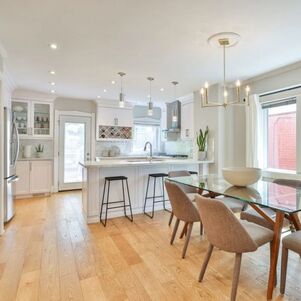 Hardwood flooring enhancing the elegance of a modern kitchen Engineered hardwood flooring is a popular alternative to solid hardwood flooring. It offers the same beautiful look but with added durability and resistance to moisture. This makes it a great choice for areas like kitchens and basements. You can find engineered hardwood flooring in a wide range of colours, allowing you to choose a timeless shade that suits your home. The Impact of Hardwood Flooring FinishesThe finish of your hardwood flooring can also affect its colour and overall look. From glossy to matte, there are various hardwood flooring finishes to choose from. A high-gloss finish can make your floors look shiny and luxurious, while a matte finish can give them a more natural and understated look. The Role of Surface Types in Hardwood FlooringThe type of surface can also influence the colour and style of your hardwood flooring. Smooth surfaces offer a classic and clean look, while hand-scraped surfaces can add a rustic and unique touch to your home. You can explore different types of surfaces to find one that matches your desired aesthetic. Hardwood Flooring Styles: The Perfect Blend of Colour and TextureWhen it comes to timeless appeal, it's not just about the colour of your hardwood flooring. The style and texture also play a crucial role. From traditional to contemporary, there are various hardwood flooring styles to choose from. Each style can be paired with different colours to create a unique and timeless look for your home. Making Your Home Look Bigger With the Right Floor ColourDid you know that the colour of your floors can impact how big your home appears? Light-coloured floors can make a room seem larger and more open, while dark floors can create a cozy and intimate atmosphere. If you're looking to make your home appear larger, consider choosing a light-coloured hardwood floor.
Frequently Asked QuestionsQ: What is the most classic hardwood floor color?
A: The most classic hardwood floor color tends to be a mid-tone, such as chestnut, gunstock, or similar medium browns. These colors have a timeless appeal and tend to go well with a variety of interior design styles. Q: What color wood floor goes with everything? A: Neutral colors like beige, gray, and light to medium browns are versatile and can match most color schemes. They also help to create a warm, inviting atmosphere in any room. Q: What color hardwood floor is best for resale? A: Neutral and classic colors are typically the best for resale as they appeal to a wide range of buyers. Light to medium browns are particularly popular. Q: What color hardwood never goes out of style? A: Natural wood colors, particularly in shades of brown, never go out of style. They offer a timeless look that can complement both traditional and contemporary interiors. Q: Is it better to have light or dark floors? A: The choice between light and dark floors depends on your personal preference and the overall design of your home. Light floors can make a room feel larger and more open, while dark floors can add warmth and create a more formal atmosphere. Q: What is more popular, dark or light hardwood floors? A: Trends in hardwood flooring colors can vary, but both light and dark floors have their appeal. Light hardwood floors offer a relaxed and modern look, while dark hardwood floors provide a more traditional and elegant feel. Q: What color floors sell a house best? A: Neutral-colored floors, such as light to medium browns or grays, are often the best choice for selling a house. They can appeal to a wide range of buyers and fit into various decorating styles. Q: What color wood floors are in style for 2023? A: While trends can change, neutral colors like light browns and grays are expected to remain popular in 2023. Natural finishes that highlight the wood's grain are also in style. Q: What color wood floors make a house look bigger? A: Light-colored wood floors can make a house look bigger as they reflect more light and give a sense of openness. Q: Is gray hardwood too trendy? A: While gray hardwood has been a popular choice in recent years, its neutral tone makes it a versatile choice that can withstand changing trends. It's a stylish option that can add a contemporary touch to your home. Is It OK to Install Engineered Hardwood Flooring in Your Toronto Kitchen?
Are you contemplating a kitchen remodel and wondering if engineered hardwood flooring is a viable choice? This is a question many homeowners in Toronto grapple with. While hardwood floors undeniably add a touch of warmth and sophistication, is it advisable to install them in a kitchen? Let's explore this.
The Allure of Engineered Hardwood Flooring
The Kitchen Environment: Challenges for Hardwood Flooring
A Case for Tile Flooring in the Kitchen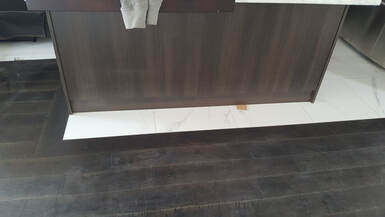 Engineered Hardwood Floor to Tile Transition
Given the potential challenges with hardwood flooring in the kitchen, you might wonder if there's a more resilient option. This is where tile flooring shines. Tile is extremely durable, water-resistant, and easy to clean, making it an excellent choice for kitchens. It can withstand spills, stains, high foot traffic, and even hot pans, without sustaining damage.
While at Parqueteam Hardwood Flooring, we pride ourselves on our engineered hardwood flooring offerings in Toronto, we believe in providing our customers with the best advice for their specific needs. Given the potential for water damage and the higher maintenance needs, we typically recommend considering tile for kitchen flooring. Nonetheless, if your heart is set on the warmth and beauty of engineered hardwood, it can indeed be a suitable choice, given proper care and maintenance. In conclusion, while it's entirely possible to install engineered hardwood flooring in your kitchen, it's essential to be aware of the potential challenges. If you're ready to embrace the maintenance and care hardwood requires, it can certainly add a touch of elegance to your kitchen. But for practicality and durability, tile flooring might be the more sensible choice. FAQ
1. What is engineered hardwood flooring?
Engineered hardwood flooring is a type of flooring that combines a real hardwood surface layer with multiple layers of plywood or high-density fiberboard underneath. This construction makes it more stable and less susceptible to changes in temperature and humidity compared to solid hardwood. 2. How does engineered hardwood flooring compare to solid hardwood flooring? While solid hardwood is made entirely of a single type of wood, engineered hardwood consists of a thin layer of real wood on top and several layers of plywood or high-density fiberboard beneath. This makes engineered hardwood more stable and less prone to warping or shrinking due to changes in temperature or humidity. However, solid hardwood can typically be sanded and refinished more times than engineered hardwood. 3. What are the pros and cons of installing engineered hardwood flooring in a kitchen? The pros of installing engineered hardwood flooring in a kitchen include its attractive appearance, comfort underfoot, and durability. However, it can be susceptible to water damage if not properly sealed and maintained. It also has limitations when it comes to refinishing. 4. How do I maintain engineered hardwood flooring in a kitchen? To maintain engineered hardwood flooring in a kitchen, it's important to clean up spills immediately to prevent water damage. Regular sweeping or vacuuming can help remove dirt and debris that could scratch the floor. It's also recommended to use a damp mop and a cleaning product designed for engineered hardwood floors for regular cleaning. 5. Can engineered hardwood flooring be refinished? Yes, engineered hardwood flooring can be refinished, but the number of times it can be refinished depends on the thickness of the top layer of wood. It's important to consult with a flooring professional to determine if your engineered hardwood floor can be refinished.  Hardwood Flooring Installed, Downtown Toronto Condos are growing phenomenon in Toronto. As sales and new condo builds keep rising (just look at the amount of cranes we have), so does the demand for hardwood flooring in these condos. Along the years different types of engineered hardwood flooring in Toronto were introduced, and so did different methods of hardwood (engineered) flooring installation came along, that suit condo conditions and rules.
Below are main systems used by professional hardwood flooring installers: *Glue tongue and groove system: Simple installation, as the installer puts glue in the groove and puts together the hardwood flooring planks (tongue to groove). Along the process, every few lines, the installer should tape (using tape that friendly for varnish and stain) the planks together so they stay tight until the glue completely dries (usually 24 hours to be sure) *Click-lock flooring installation system: In this case, two planks are simply clicked together like a puzzle, similar to laminate flooring installation. The installation is faster and simpler, and therefore cost for this type of installation is usually lower than the rest. *Glue-down method: widely used within the flooring installation industry, especially for parquet type of wood flooring. Today you can glue any type of engineered hardwood flooring using the glue down method (or double). This method usually being used over concrete subfloor, but also can be used in a house where sub floor is wooden. This method will be more costly than the rest of the above installation methods, but also the best in terms of durability and quality. There are many factors that could aspect the system or method being used for flooring installation. Additional research and knowledge about different installation systems will enable you to make an informative choice. You may visit our page for more details on flooring installation methods, or browse around our blogs as information constantly posted. |
Parqueteam Hardwood FlooringHardwood Flooring Toronto and The Greater Toronto Area. Archives
July 2026
Categories
All
|

- Home
- Our Mission
- Contact Us
-
Our Services
- Hardwood Flooring Installation Toronto
- Dustless Hardwood Flooring Refinishing Toronto
- Dustless Stair Refinishing Toronto
- Condo Flooring Toronto
- Commercial Flooring Toronto
- Hardwood Flooring Repairs In Toronto
- Flush Mount Floor Vent Installation Toronto
- Laminate Flooring Installation Toronto
- Vinyl Plank Flooring Installation Toronto
- Glue Down Hardwood Flooring In Toronto
- Flooring for Film Studio Toronto
-
Product Info
- Carpet Tile Flooring Toronto
- Herringbone Hardwood Flooring Toronto
- Solid Hardwood Flooring
- Wide Plank Hardwood Flooring Toronto
- Brazilian Cherry Hardwood Flooring
- Basement Flooring Toronto
- Engineered Hardwood Flooring Toronto
- Laminate Flooring Toronto
- Vinyl Plank Flooring Toronto
- Glue Down Vinyl Plank Flooring Toronto
- Portfolio
- Blog
 RSS Feed
Areas We Proudly Serve...
|
|