
Hardwood Floor Refinishing Cost in Toronto 2026 | Dustless Sanding Prices
Updated June 2026
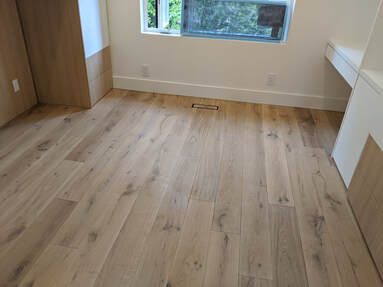
Hardwood floor refinishing in Toronto usually costs between $5.00 and $12.00 per square foot, depending on the size of the area, floor condition, stain colour, repairs, layout, and whether stairs or extra detail work are included. For many Toronto homes, a straightforward full sanding and refinishing project on a larger open area will usually fall closer to the lower end of the range. Smaller rooms, tight layouts, dark stain changes, water damage, deep scratches, or repair work can push the price higher. At Parqueteam Hardwood Flooring, we provide dustless hardwood floor refinishing in Toronto for homeowners, condo owners, and property managers who want to restore their existing hardwood floors without replacing them. If your floors are scratched, faded, yellowed, worn down, or simply outdated in colour, refinishing can often bring them back to life at a much lower cost than full replacement. 
Average Refinishing Cost in Toronto
The cost of refinishing hardwood floors depends heavily on the size of the job. Smaller areas usually cost more per square foot because the same setup, sanding equipment, dust control, edging, cleanup, and finish application are still required.
Here is a realistic Toronto pricing guide for common hardwood floor refinishing projects:
A 1,000 sq. ft. project with an open layout and minimal repairs may be much more efficient than a 300 sq. ft. project with closets, hallways, corners, heavy wear, and stain matching. Need a Hardwood Floor Refinishing Estimate?
If you want a more accurate price, send us photos of your floors, the approximate square footage, and a short description of what you want done.
We can usually help you understand whether your floor needs:
Why Small Areas Cost More
One of the most common surprises for homeowners is that a small refinishing job often costs more per square foot than a larger project.
For example, refinishing one small bedroom is not simply priced by square footage alone. Even a small room still requires:
For homeowners, the best value usually comes from refinishing connected areas together instead of doing one small room at a time. What Affects Hardwood Floor Refinishing Cost in Toronto?
Once you understand the baseline range, the next step is knowing why your specific quote might land higher or lower than someone else’s—even if your homes are similar in size.
In Toronto, refinishing prices usually shift because of a few predictable factors: Size & Layout of the Space You’ll typically see better pricing when you have:
Floor Condition & Repair Needs Your price can increase if your floors have:
Wood Type Toronto homes are full of different hardwood styles, and each can affect labour time.
Staining & Colour Changes If you’re staying close to the natural colour of the wood, the refinishing process is simpler. Costs often rise when you want:
Access, Condo Rules & Worksite Logistics This is a very Toronto-specific pricing reality. Your quote may increase if the job involves:

Stairs, Railings & Extra Line Items
This is one of the biggest “surprise” areas for homeowners comparing quotes:
stairs are almost never included in standard per-square-foot floor pricing. Even if your main floor refinishing estimate looks straightforward, stairs can add a meaningful amount to the total project cost. Why Stair Refinishing Is Priced Separately? Unlike flat floors, stairs require:
Why Bundling Floors + Stairs Often Helps If you're refinishing your main floor anyway, it can be more cost-effective to: bundle stairs and landings into the same project. This can reduce overall costs because:
Practical Takeaway When you get quotes in Toronto, expect:

Can Engineered Hardwood Floors Be Refinished?
Some engineered hardwood floors can be refinished, but not all of them.
The most important factor is the thickness of the real hardwood veneer on top. If the veneer is thick enough, a professional may be able to sand and refinish the floor. If the veneer is too thin, sanding can go through the top layer and permanently damage the floor. In general, engineered hardwood usually needs a thick enough wear layer before full refinishing is considered. A very thin veneer may only allow for a light screen and recoat, or it may not be a good candidate for refinishing at all. Engineered hardwood refinishing requires more caution because there is less room for error compared to solid hardwood. Before refinishing engineered hardwood, a contractor should check:
For installation and replacement options, visit our hardwood flooring installation Toronto page. Refinishing vs Replacing Hardwood Floors
For many Toronto homeowners, refinishing is more affordable than replacing hardwood floors.
If the existing hardwood is structurally healthy, refinishing can restore the floor’s appearance without the cost of demolition, disposal, new material, and installation. Refinishing is usually the better option when:
Replacing may be better when:
In many older Toronto homes, the existing hardwood is worth saving if it still has enough thickness. Refinishing can preserve the character of the home while giving the floor a cleaner, newer appearance. Is Hardwood Floor Refinishing Worth It?
Hardwood floor refinishing is often worth it when the floor is still in good structural condition.
A properly refinished floor can:
For homeowners staying in the property, refinishing can make the space feel new again without changing the entire floor. How to Save Money on Hardwood Floor Refinishing in Toronto (Without Cutting Corners)
Let’s be real: everyone wants a good price. But with refinishing, the cheapest option can quietly become the most expensive if the prep or finish quality is rushed.
Here’s how Toronto homeowners can keep costs under control without sacrificing the final result. Refinish More Area at OnceIf you’re debating between:
Move Small Items Yourself You don’t need to go full moving-company mode, but if you can pre-clear:
Bundle Floors + Stairs If your stairs are close to the refinished area, doing them together can:
Be Careful with Ultra-Low Quotes This is the big one. A rushed refinishing job might involve:
Think About Long Term Value The best refinishing value isn’t always the lowest upfront price—it’s the one that gives you:
Final Thoughts on Hardwood Floor Refinishing Cost in Toronto
Hardwood floor refinishing cost in Toronto depends on more than square footage. The size of the area matters, but so do floor condition, layout, stain colour, repairs, stairs, condo access, and the type of hardwood.
As a general guide, many hardwood floor refinishing projects fall between $5.00 and $12.00 per square foot, with larger open areas often costing less per square foot and smaller or more detailed projects costing more. If your hardwood floors are scratched, faded, worn, yellowed, or outdated, refinishing may be one of the best ways to restore them without replacing the entire floor. For a more accurate quote, contact Parqueteam Hardwood Flooring and send photos of your floors, approximate square footage, and details about the work you want done. 
FAQ
How much does it cost to refinish hardwood floors in Toronto?
Hardwood floor refinishing in Toronto usually costs between $5.00 and $12.00 per square foot, depending on the size of the area, floor condition, stain colour, repairs, and job complexity. Larger open areas usually cost less per square foot, while smaller rooms, stairs, dark stain changes, and damaged floors usually cost more. Is hardwood floor refinishing cheaper than replacing hardwood? Yes, refinishing is usually much cheaper than replacing hardwood floors if the existing floor is still in good condition. Replacement involves removing the old flooring, disposal, new material, installation, transitions, baseboards, and finishing details. Refinishing keeps the existing hardwood and restores the surface with sanding, staining, and finish coats. Is dustless hardwood floor refinishing more expensive? Dustless hardwood floor refinishing may cost slightly more than basic sanding, but it is usually worth it for most Toronto homes and condos. Dustless sanding captures most of the sanding dust during the process, making the job cleaner and better controlled. It is especially useful in occupied homes, condos, townhouses, and main-floor projects. Can all hardwood floors be refinished? Most solid hardwood floors can be refinished if they still have enough thickness. Engineered hardwood can sometimes be refinished, but it depends on the thickness of the real wood veneer. Floors that are too thin, badly water-damaged, heavily warped, or previously sanded too many times may need repair or replacement instead. How long does hardwood floor refinishing take? Most hardwood floor refinishing projects take 2 to 5 days, depending on the size of the area, stain colour, repairs, number of finish coats, and drying time. A small room may be completed faster, while a full main floor, stairs, dark stain change, or repair-heavy project can take longer. Can deep scratches be removed by refinishing? Many deep scratches can be removed or greatly improved with professional sanding and refinishing. If the scratches are only in the surface or finish layer, refinishing usually works well. If the scratches go very deep into the wood or are combined with water damage, some boards may need to be replaced before refinishing. Can water-damaged hardwood floors be refinished? Some water-damaged hardwood floors can be refinished, but it depends on the severity of the damage. Light staining or surface damage may be repairable. If the boards are cupped, swollen, blackened, loose, or structurally damaged, board replacement may be needed before refinishing. In severe cases, replacing the affected area may be the better option. How much does it cost to refinish hardwood stairs? Hardwood stair refinishing is usually priced separately from flat floors because stairs require more detailed hand sanding and finishing. In Toronto, stair tread refinishing with real wood risers often costs around $100 to $130 per tread, while handrails, nosing, spindles, and white risers may be priced separately. Can I stay in my house during hardwood floor refinishing? In many cases, yes, but it depends on the size of the project and which areas are being refinished. Dustless sanding helps reduce mess, but there will still be noise, drying time, and limited access to the refinished areas. If the main floor, stairs, or entire home is being refinished, some homeowners choose to stay elsewhere during part of the project. Can condo hardwood floors be refinished? Yes, many condo hardwood floors can be refinished, but the building rules and flooring type matter. Condo refinishing may require elevator booking, loading dock access, insurance documents, restricted working hours, and extra dust control. If the floor is engineered hardwood, the veneer thickness must also be checked before sanding. Is it better to refinish hardwood floors before selling a home? Refinishing hardwood floors before selling can be a smart upgrade if the floors are scratched, faded, yellowed, or worn. Freshly refinished hardwood can make a home look cleaner, newer, and better maintained. Since floors are one of the first things buyers notice, refinishing can improve the overall appearance of the property. Should I choose natural finish or stain for my hardwood floors? A natural finish is usually a good choice if you like the existing wood tone and want a timeless look. Stain is better if you want to change the colour, modernize the floor, or match other wood features in the home. Darker stains, grey tones, and custom colours may require more preparation and testing to get an even result. How do I get an accurate hardwood floor refinishing quote? The best way to get an accurate quote is to provide the approximate square footage, photos of the floor, your location, and details about the work you want done. It also helps to mention if you need stain colour change, stair refinishing, board repairs, water damage repair, or condo paperwork. Parqueteam Hardwood Flooring can review your project and recommend the best refinishing option for your floors.
2 Comments
Engineered Hardwood Flooring Cost in Toronto 2026
Updated June 2026
Engineered hardwood flooring in Toronto usually costs between $6.50 and $16.50+ per square foot installed, depending on the material quality, installation method, subfloor condition, layout, condo requirements, and whether you choose a straight lay or custom pattern. For material alone, engineered hardwood flooring typically ranges from $4.99 to $11.99+ per square foot. Installation costs are added separately and can vary depending on whether the floor is installed as a click/floating floor, nail and glue assist, full glue-down, double glue-down, or herringbone pattern. At Parqueteam Hardwood Flooring, we install engineered hardwood flooring in Toronto for houses, condos, townhomes, commercial spaces, and renovation projects across the GTA. Engineered hardwood is popular because it gives you the look and feel of real hardwood while offering better stability than solid hardwood in many Toronto homes, especially where humidity changes, concrete subfloors, or condo rules are involved. 
What Factors Influence the Cost of Engineered Hardwood Flooring?
Several key factors determine the overall cost of installing engineered hardwood floors in Toronto:
Average Material Costs for Engineered Hardwood in Toronto
When shopping for engineered hardwood flooring in Toronto, you’ll notice a wide range of prices. This variation is largely due to the brand, thickness, veneer layer, wood species, and country of origin. Here's a general breakdown:
Factors that influence material costs:
Average Installation Costs by Method & Style
Installation pricing for engineered hardwood flooring in Toronto can vary depending on the method used, the layout complexity, and overall square footage. Here's a breakdown of the most common engineered hardwood flooring installation types:
Straight Lay Installations (Standard Pattern)

What Affects Installation Pricing
While square footage plays a major role in estimating costs, several additional factors can significantly impact the final price of your engineered hardwood flooring installation in Toronto:
Subfloor Condition If the subfloor is uneven, damaged, or not suitable for the chosen installation method (e.g., nail-down or glue-down), it will require prep work—such as leveling or installing plywood—which adds to the cost. Project Layout & Complexity Rooms with irregular shapes, tight hallways, many doorways, or intricate corners increase labor time. Larger open spaces are generally easier (and cheaper) to work with compared to multiple small rooms. Pattern & Layout Type
Condo vs. House
Existing Flooring Removal Removing and disposing of old flooring (hardwood, tile, carpet, etc.) will add labor and disposal costs. For reference, expect:
Job Size Larger projects tend to receive better per-square-foot rates, as setup and mobilization costs are spread over more area. Very small jobs may have minimum charges or higher per-foot pricing. Is Engineered Hardwood Flooring Worth the Investment in Toronto?
For many Toronto homeowners, engineered hardwood flooring offers a compelling balance between luxury, performance, and practicality. But is it worth the cost? Here's what to consider:
Durability in Varying Climates Toronto's humid summers and dry winters can cause traditional solid hardwood to expand and contract. Engineered hardwood, with its multi-layered core, is more stable and better suited for our local climate—especially in condos or basements. Long-Term Value While more expensive upfront than laminate or vinyl, engineered hardwood boosts property value and appeals to buyers looking for real wood aesthetics. If properly maintained, it can last decades and be refinished (depending on veneer thickness), making it a long-term investment. Versatility in Installation Whether you're dealing with concrete slabs in a condo or plywood subfloors in a house, engineered hardwood can be installed using various methods—click, nail-down, glue-down, or even double glue-down—offering flexibility without compromising durability. Comfort & Acoustics Unlike harder materials like tile, engineered hardwood provides a warmer, softer underfoot feel and better sound insulation—especially important in multi-level homes and condos. Minimal Maintenance With today’s prefinished and UV-cured surfaces, engineered hardwood resists scratches and stains better than ever. A regular sweep and occasional damp mop keep it looking like new. 
FAQs About Engineered Hardwood Flooring Cost in Toronto
How much does engineered hardwood flooring cost in Toronto?
Engineered hardwood flooring in Toronto usually costs between $6.50 and $16.50+ per square foot installed, depending on the flooring material, installation method, subfloor condition, layout, and project complexity. Material alone typically ranges from $4.99 to $11.99+ per square foot, with installation priced separately. What is the average installation cost for engineered hardwood? The average installation cost for engineered hardwood depends on the method. Click or floating installation is usually the most affordable, often around $1.50 to $2.50 per square foot. Nail and glue assist usually costs around $2.50 to $3.50 per square foot, while glue-down or double glue-down installation often ranges from $3.00 to $4.50 per square foot. Is glue-down engineered hardwood more expensive than click installation? Yes. Glue-down engineered hardwood is usually more expensive than click installation because it requires adhesive, more preparation, and more labour. Glue-down installation is often used over concrete subfloors, in condos, or when the homeowner wants a more solid feel underfoot. How much does herringbone engineered hardwood cost to install? Herringbone engineered hardwood installation usually costs more than standard straight lay installation. In Toronto, herringbone or custom pattern installation often ranges from $5.50 to $7.50 per square foot for labour, depending on the layout, product, cutting, and project complexity. Is engineered hardwood cheaper than solid hardwood? Engineered hardwood can sometimes be cheaper than solid hardwood, but not always. Entry-level engineered hardwood may cost less, while high-end engineered hardwood can cost as much as or more than some solid hardwood options. The final price depends on material quality, plank width, installation method, and subfloor requirements. Is engineered hardwood good for condos in Toronto? Yes, engineered hardwood is often a good option for Toronto condos because it can work well over concrete subfloors and offers better stability than solid hardwood in many situations. Condo projects may require approved underlayment, soundproofing, elevator booking, insurance documents, and building approval before installation. Can engineered hardwood be installed over concrete? Yes, engineered hardwood can often be installed over concrete, usually by glue-down, double glue-down, or floating installation, depending on the product and site conditions. The concrete must be clean, dry, flat, and suitable for the chosen installation method. Moisture and leveling issues should be checked before installation. What extra costs should I expect with engineered hardwood flooring? Extra costs may include old flooring removal, disposal, subfloor leveling, adhesive, underlayment, soundproofing, transitions, reducers, stair nosing, baseboard work, quarter round, door trimming, and furniture or appliance moving. Not every project needs these extras, but they can affect the final quote. Is engineered hardwood worth the cost? Engineered hardwood is often worth the cost if you want real wood flooring with better stability and more installation flexibility than solid hardwood. It is especially useful for condos, concrete subfloors, basements, wide plank styles, and modern flooring designs. A good-quality product with proper installation can add long-term value to the home. How do I get an accurate engineered hardwood flooring quote? The best way to get an accurate quote is to provide the approximate square footage, photos of the existing floor, the type of property, and details about the installation. It also helps to mention whether the project is a condo or house, whether old flooring needs removal, whether the subfloor is concrete or plywood, and whether you want click, glue-down, nail and glue assist, or herringbone installation. How Much Does It Cost to Glue Down Vinyl Flooring in Toronto?
Glue-down vinyl flooring has become a go-to option for many Toronto homeowners, condo residents, and business owners seeking a sleek, durable, and cost-effective solution. Whether you're updating a commercial space or renovating a condo unit, one of the first questions that comes up is: "How much is this going to cost?"
In this post, we’ll break down the real-world costs of glue-down vinyl plank flooring in Toronto — including material prices, professional installation rates, and other potential expenses. We’ll also share insights based on actual flooring projects we've completed across the Greater Toronto Area, so you’ll know exactly what to expect. 
What Is Glue-Down Vinyl Plank Flooring?
Glue-down vinyl plank flooring is a type of luxury vinyl that is installed by adhering each plank directly to the subfloor using a specialized adhesive. Unlike click-lock vinyl flooring, which floats above the subfloor, glue-down vinyl creates a more permanent and stable flooring surface — making it an excellent choice for high-traffic areas or commercial spaces.
This flooring type is typically thinner than click vinyl (usually 3mm to 5mm) but offers excellent durability, water resistance, and sound absorption. It’s especially popular in Toronto condos, offices, and retail spaces where sound insulation and low-profile flooring are essential. Key Benefits of Glue-Down Vinyl Flooring:
Cost Breakdown in Toronto
When budgeting for glue-down vinyl flooring in Toronto, it’s important to consider both material and installation costs — which can vary depending on the quality of vinyl, installation method (straight or herringbone), and site conditions.
Material Cost (Per Square Foot)
This range includes high-quality luxury vinyl planks suitable for both residential and commercial spaces. Thicker vinyl may be priced slightly higher but often provides improved durability and foot comfort. Installation Cost (Per Square Foot)
Herringbone or other patterned installs require more precision, time, and waste material, which is why the cost is higher than a standard straight lay. Optional & Site-Specific Costs
Total Estimated Cost (All-In)
Cost Comparison vs Other Flooring Types
When comparing glue-down vinyl plank flooring to other popular flooring options in Toronto, the value it offers becomes quite clear — especially when considering both upfront costs and long-term durability.
Compared to click vinyl plank flooring, glue-down options are typically more costly when looking at similar thickness and wear layers. Click vinyl can cost less in material and the installation costs may be lower since it doesn’t require adhesive. However, in high-traffic areas or commercial spaces, glue-down vinyl remains the preferred choice for its stability and longevity, justifying the slightly higher labor cost. Laminate flooring, often has a lower material price point than vinyl, but that comes with trade-offs. Laminate isn’t waterproof and doesn’t perform as well in moisture-prone areas like kitchens or basements. Installation costs for laminate are similar to click vinyl, but glue-down vinyl ultimately provides better long-term value in humid environments. Engineered hardwood flooring typically sits at the higher end of the cost spectrum. While it offers a more natural look and resale appeal, it can cost nearly double that of glue-down vinyl once you factor in both material and professional installation. Maintenance also tends to be higher, especially in homes with kids or pets. In summary, glue-down vinyl flooring strikes an excellent balance — offering a modern aesthetic, water resistance, and affordability. For many Toronto homeowners, it delivers a premium feel without the premium price tag, especially when compared to engineered hardwood or more delicate laminate options. 
Factors That Affect Pricing
While glue-down vinyl plank flooring is one of the more affordable flooring solutions in Toronto, several factors can influence the overall cost of your project. Being aware of these variables can help you better estimate your budget and avoid surprises:
1. Quality & Thickness of Vinyl Planks Higher-quality planks with thicker wear layers (e.g., 20 mil or commercial-grade) and more realistic textures or finishes will naturally cost more. For example, luxury vinyl with enhanced realism or embossed surfaces tends to be priced closer to $4.99 per sq. ft., while simpler residential options start around $3.99. 2. Size of the Project Larger spaces generally benefit from economies of scale. The more square footage you're covering, the more likely you are to negotiate better material pricing and labor rates. Small projects, like a bathroom or hallway, may incur higher per-square-foot installation costs due to setup and minimum job fees. 3. Installation Pattern: Straight vs. Herringbone A standard straight lay is the most cost-effective installation method, ranging from $2.50 to $3.50 per sq. ft. However, if you’re opting for a herringbone or custom pattern, expect to pay a premium — typically $4.00 to $5.50 per sq. ft. — due to the additional labor and cutting precision required. 4. Subfloor Condition & Preparation A smooth, clean subfloor is essential for glue-down vinyl. If your existing subfloor requires patching, leveling, or moisture mitigation, this prep work can increase both material and labor costs. In older homes or condos, this is often a hidden cost that must be addressed before installation. 5. Old Flooring Removal If you’re replacing existing flooring (e.g., laminate, carpet, or tile), there may be additional charges for removal and disposal. This can range from $0.50 to $3.00 per sq. ft., depending on the flooring type and complexity. Is It Worth It? A Toronto Homeowner’s Perspective
When evaluating whether glue-down vinyl plank flooring is worth the investment, Toronto homeowners should weigh both the short-term savings and long-term value it provides.
Why Many Toronto Residents Choose It:
When It Might Not Be Ideal:
Final Word: For most Toronto homes, especially those looking for a waterproof, long-lasting, and cost-effective solution, glue-down vinyl flooring is not just “good” — it’s often the best-value option when installed properly. 
Recommended Readings
Frequently Asked Questions (FAQs)
How much does glue-down vinyl plank flooring cost per square foot in Toronto?
On average, materials range from $3.99 to $4.99 per sq. ft., while installation for straight lay costs $2.50 to $3.50 per sq. ft.. For herringbone patterns, installation costs rise to $4.00 to $5.50 per sq. ft. Is glue-down vinyl cheaper than click vinyl? In terms of materials, both options can be similarly priced. However, glue-down vinyl can be more cost-effective over time due to its durability and stability. Installation may cost more upfront due to the need for adhesive and subfloor prep. Why is glue-down vinyl flooring more expensive to install? Glue-down vinyl requires more precise subfloor preparation and the use of adhesive. These extra steps take more labor and time compared to click-together flooring, which is faster to install. Can I install glue-down vinyl flooring myself? While possible, professional installation is strongly recommended — especially in Toronto condos or commercial settings — to ensure long-term durability, proper adhesion, and warranty protection. Is glue-down vinyl flooring waterproof? Yes. Glue-down vinyl plank flooring is fully waterproof and an excellent choice for kitchens, bathrooms, basements, and high-moisture environments. Do I need to remove my old floor before installing glue-down vinyl? Not always. However, the subfloor must be clean, level, and stable. In some cases, removing old flooring is necessary, especially if it’s loose, damaged, or incompatible with adhesive. How long does glue-down vinyl last? With proper installation and care, glue-down vinyl flooring can last 15 to 25 years, depending on traffic, maintenance, and quality of the product. Vinyl Plank Flooring Installation Cost in Toronto 2026
Updated June 2026
Vinyl plank flooring installation in Toronto usually costs between $6.50 and $8.50+ per square foot installed, depending on the vinyl product, installation method, subfloor condition, room layout, old flooring removal, and whether the project is for a condo, house, basement, rental property, or commercial space. For many Toronto projects, vinyl plank flooring material costs around $2.69 to $4.99 per square foot, while straight installation usually costs around $1.50 to $3.50 per square foot. Herringbone or custom vinyl plank layouts cost more because they require extra layout planning, cutting, and labour. At Parqueteam Hardwood Flooring, we install vinyl plank flooring in Toronto for condos, homes, basements, rental units, offices, retail spaces, and commercial properties. Vinyl plank flooring is popular because it is waterproof, durable, modern-looking, and more affordable than hardwood. It is also one of the most practical flooring options for Toronto condos, basements, commercial spaces, and rental properties. 
Average Cost to Install Vinyl Plank Flooring in Toronto
For most Toronto-area properties, the cost to install vinyl plank flooring falls between $4.50 – $8 per square foot for basic material and installation. This range varies depending on the complexity of the space, quality of the materials, and whether you're opting for glue-down vinyl plank flooring or click-lock planks. Glue-down installations tend to cost slightly more for labour and material but provide better long-term performance—especially in high-traffic or commercial areas.
Here’s a quick cost breakdown: Cost Breakdown: What You’re Paying For
Vinyl plank flooring costs aren’t just about the planks themselves. There are several components that make up your final installation quote—some obvious, others less so. Let’s break it all down.
Vinyl Plank Material Costs
The cost of the vinyl plank itself can vary significantly depending on the quality, thickness, wear layer, and type (click-lock vs glue-down).
Installation Labour Costs in Toronto
Labour typically accounts for $1.50 – $3.50 per square foot, depending on installation type and site conditions.
Subfloor Preparation & Additional Costs
Many homeowners forget about the hidden costs associated with preparing the subfloor. These extras can add anywhere from $1 to $8 per square foot, especially if your current flooring needs to be removed or the subfloor needs levelling.
Additional cost factors:

Example Project: How Much Does 1000 Sq. Ft. of Vinyl Plank Flooring Cost in Toronto?
To help you visualize what a real vinyl plank flooring installation might cost, let’s look at a sample project based on a 1000 square foot office, condo, house, or commercial unit in Toronto.
This example includes:
Vinyl Plank Flooring Cost Breakdown For 1,000 Square Feet
For a 1,000 sq. ft. vinyl plank flooring project in Toronto, the total cost depends heavily on whether you choose click vinyl or glue-down vinyl, and whether removal or subfloor prep is needed.
A typical 1,000 sq. ft. project may include: Vinyl plank material - $3,990 – $4,990 Straight installation - $2,500 – $3,500 Old flooring removal, if needed - $500 – $2,000 Subfloor preparation - Quoted based on condition Total before extras and HST - Often around $6,500 – $10,500+ This range can increase if the project has uneven concrete, old adhesive, tile removal, damaged subfloor, many small rooms, angled cuts, furniture, baseboards, or commercial-grade requirements. It can be lower if the space is open, the old flooring is already removed, the subfloor is clean and flat, and the layout is simple.
Things That Could Increase Cost:
Things That Could Lower Cost:
This range helps you plan realistically. Most Toronto-area installations for 1,000 sq. ft. will land somewhere between $5,500 - $8,900 (before tax), depending on materials and conditions. Factors That Affect Vinyl Plank Flooring Costs
Every flooring project is unique, and so is the final cost. Here's a breakdown of the main factors that influence how much you'll pay to install vinyl plank flooring in Toronto:
1. Installation Method: Click-Lock vs. Glue-Down
2. Subfloor Condition
3. Type & Quality of Vinyl Plank
4. Room Size & Layout
5. Old Floor Removal
6. Residential vs. Commercial Application
Vinyl Plank Flooring - Is It Worth It? Cost vs. Long-Term Value
Vinyl plank flooring isn’t just about affordability—it's also about smart long-term value. Here's why the upfront cost often pays off for Toronto homeowners and business owners alike:
Durability That Holds Up
Waterproof Performance
Low Maintenance
Aesthetic Appeal Without the High Price
Return on Investment
In short: while it’s more affordable than hardwood, vinyl plank doesn’t feel like a “cheap” floor—and that’s why it continues to dominate the Toronto flooring market. Final Thoughts on Vinyl Plank Flooring Cost in Toronto
Vinyl plank flooring cost in Toronto depends on the material, installation method, subfloor condition, old flooring removal, layout, and project type.
As a general guide, vinyl plank material usually costs around $2.69 to $4.99 per square foot, straight installation usually costs around $1.50 to $3.50 per square foot, and herringbone vinyl plank installation usually costs around $4.00 to $5.50 per square foot. For condo floors in Toronto, commercial spaces, rentals, and basements, vinyl plank flooring can be one of the most practical and cost-effective flooring choices. For an accurate quote, contact Parqueteam Hardwood Flooring and send photos of the space, approximate square footage, the type of property, and whether old flooring needs to be removed. 
Frequently Asked Questions (FAQ)
How much does vinyl plank flooring cost in Toronto?
Vinyl plank flooring in Toronto usually costs around $6.50 to $8.50+ per square foot installed, depending on the product, installation method, subfloor condition, old flooring removal, and project layout. Material often costs around $2.99 to $4.99 per square foot, while straight installation usually costs around $1.50 to $3.50 per square foot. How much does vinyl plank flooring material cost? Vinyl plank flooring material usually costs around $2.99 to $4.99 per square foot for many Toronto residential and commercial projects. The final material price depends on product quality, thickness, wear layer, colour, texture, waterproof core, brand, and whether it is click vinyl or glue-down vinyl plank. How much does vinyl plank installation cost? Straight vinyl plank installation in Toronto usually costs around $1.50 to $3.50 per square foot. Herringbone or custom vinyl plank installation usually costs more, often around $4.00 to $5.50 per square foot, because it requires more layout planning, cutting, and labour. Is glue-down vinyl plank more expensive than click vinyl? Glue-down vinyl plank can be more expensive to install than click vinyl because it requires adhesive, proper subfloor preparation, and more detailed installation. However, glue-down vinyl is often a better option for commercial spaces, rental properties, concrete subfloors, and high-traffic areas. Is click vinyl plank cheaper to install? Click vinyl plank is often cheaper and faster to install than glue-down vinyl because it is installed as a floating floor. However, the subfloor still needs to be flat and stable. Thin click vinyl can be risky, so 8mm click vinyl is usually a safer recommendation for long-term performance. What thickness of vinyl plank flooring is best? For click vinyl plank, 8mm is usually recommended because it tends to feel stronger and perform better than thinner products. A 7mm click vinyl plank may work in some situations, but anything under 8mm can be more risky depending on the product and subfloor. For glue-down vinyl plank, 3mm or 5mm can both be reliable when installed properly. How much does glue-down vinyl plank cost to install? Glue-down vinyl plank installation cost depends on the project, subfloor condition, adhesive, and layout. It is usually more labour-intensive than click vinyl because the floor must be properly prepared before installation. Glue-down vinyl is often used in commercial spaces, condos, rental units, and high-traffic areas. How much does herringbone vinyl plank installation cost? Herringbone vinyl plank installation in Toronto usually costs around $4.00 to $5.50 per square foot for labour. It costs more than straight lay installation because the pattern requires more measuring, layout planning, cutting, waste allowance, and detail work. Is vinyl plank flooring good for condos? Yes, vinyl plank flooring is a popular option for Toronto condos because it is waterproof, durable, and available in many modern styles. Condo projects may require elevator booking, building approval, soundproof underlayment, concrete subfloor preparation, and careful scheduling around condo rules. Is vinyl plank flooring good for basements? Yes, vinyl plank flooring is often a good option for basements because it is waterproof and more moisture-friendly than hardwood or laminate. The concrete subfloor should still be checked for flatness and moisture before installation. Depending on the space, click vinyl or glue-down vinyl may be recommended. Is vinyl plank flooring good for commercial spaces? Yes, vinyl plank flooring can be a strong choice for commercial spaces when the right product and installation method are used. Glue-down vinyl plank is often recommended for offices, clinics, retail spaces, rental units, and high-traffic areas because it offers better long-term stability than many floating floor options. What extra costs should I expect with vinyl plank flooring? Extra costs may include old flooring removal, disposal, subfloor leveling, concrete patching, adhesive, underlayment, transitions, reducers, baseboards, quarter round, door trimming, furniture moving, and appliance moving. Not every project needs these extras, but they can affect the final quote. Is vinyl plank flooring worth it? Vinyl plank flooring is often worth it for homeowners, condo owners, landlords, and commercial property owners who want a durable, waterproof, and affordable floor. It is not the same as real hardwood, but it offers strong value for condos, basements, rentals, commercial spaces, and high-traffic areas. How do I get an accurate vinyl plank flooring quote? The best way to get an accurate quote is to send photos of the space, approximate square footage, the type of property, and details about the existing floor. It also helps to mention whether you want click vinyl, glue-down vinyl, herringbone vinyl, old flooring removal, subfloor preparation, or commercial-grade vinyl plank. For Toronto business owners, flooring is more than just a design choice — it’s a long-term investment that impacts the look, durability, and functionality of your space. Whether you’re outfitting an office, retail store, restaurant, or other commercial space, choosing the right flooring material and installation method will directly influence your budget. The cost of commercial flooring in Toronto can vary widely depending on the material, installation process, and specific needs of your business. In this guide, we’ll break down average cost ranges, the factors that affect pricing, and how to choose the best option for long-term value. 
|
Flooring Type |
Average Cost (per sq. ft.) |
Glue-Down Vinyl Flooring |
$6.50 – $8.00 |
Luxury Vinyl Plank (Click) |
$5.50 – $8.00 |
Laminate Flooring (AC5 or AC6) |
$5.00 - $8.00 |
Engineered Hardwood (Glue-Down) |
$9.50 - $14.00 |
Commercial Carpet Tiles |
$6.50 - $9.00 |
Solid Hardwood Flooring |
$10.00 - $14.00 |
Factors That Influence Commercial Flooring Prices
Material Type
Different flooring materials come with different price points and lifespans. For example, commercial carpet tiles are generally more affordable upfront than engineered hardwood, but hardwood can last decades with proper care.
Installation Method
- Glue-Down – Offers maximum stability for high-traffic areas but may require more prep work.
- Click-Lock – Faster to install and often more affordable for open spaces.
- Nail-Down – Typically used for solid hardwood with plywood underlay, adding to cost.
Leveling, repairs, or moisture barrier installation can add to your budget but are crucial for ensuring the longevity of your flooring.
Project Size & Complexity
Larger projects may receive lower per-square-foot rates, but spaces with complex layouts, multiple rooms, or staircases may require more labour.
Additional Features
Soundproof underlayment, moisture protection layers, or custom inlays can raise the price but also improve performance and aesthetics.
Choosing the Right Flooring for Your Business
 | Selecting the right flooring isn’t just about looks — it’s about matching performance to the unique demands of your business environment:
|
Cost vs. Long-Term Value
| When choosing commercial flooring, it’s important to look beyond the initial price tag. The cheapest option may save money upfront but could cost more in the long run due to higher maintenance needs or a shorter lifespan. For example:
|  |
Why Professional Installation Matters
- Proper Subfloor Preparation – Preventing uneven surfaces, moisture issues, and premature wear.
- Correct Installation Method – Using the right adhesives, fasteners, or click systems for maximum durability.
- Warranty Protection – Many manufacturers require professional installation to maintain warranty coverage.
- Minimal Business Downtime – Skilled installers can work efficiently to reduce interruptions to your operations.
We provide expert Commercial Flooring Toronto installation and offer a wide range of materials to suit every budget and style.
You can also explore our other services, including:
- Vinyl Plank Flooring Toronto – Waterproof and ideal for high-traffic areas.
- Laminate Flooring Installation Toronto – Stylish and cost-effective for offices and retail spaces.
- Dustless Hardwood Floor Refinishing – Perfect for refreshing existing hardwood in commercial spaces.

FAQ – Commercial Flooring Cost in Toronto
Click vinyl flooring or laminate floors are typically cheapest options for installation and material cost, starting at avarage $5.00 - $5.50 per square feet. Cost varies, depends on matrial quality and space difficulty.
Q: How long does commercial flooring installation take?
Most small-to-medium-sized spaces can be completed in 1–3 days, depending on the type of flooring and the level of subfloor preparation required.
Q: Can you install new floors without closing my business?
Yes — in many cases, we can schedule installation during off-hours or in sections to minimize disruption.
Q: Do you offer commercial flooring for high-rise condos or office buildings?
Absolutely. We have experience working in high-rise settings and can coordinate with building management for smooth installations.
Understanding the Price Before You Renovate
In general, you can expect to pay anywhere between $5 to $18 per square foot, depending on whether you're choosing laminate, vinyl, engineered hardwood, or solid hardwood. And while the price tag matters, it’s just one part of the equation — performance, style, and long-term value should also factor into your decision.
In this post, we’ll break down flooring costs by material, help you understand which options make sense for Toronto homes and businesses, and give you clear numbers to help you budget your next renovation smartly.
🌳 Solid Hardwood Flooring: Premium Feel, Premium Price
💰 Cost Range in 2025:
$10–$18 per square foot (installed)
This includes the material, basic underlayment (if needed), and standard installation. Exotic hardwoods (like Brazilian cherry) or site-finished options push toward the higher end of the spectrum.
🛠️ What Affects the Cost?
- Species – Oak and maple are more affordable; exotic woods cost more
- Finish Type – Prefinished saves time and dust; site-finished offers customization
- Subfloor Condition – Uneven or damaged subfloors may require leveling, adding to cost
- Extras – Stair refinishing, vents, or transitions are typically priced separately
✅ Ideal For:
- Main floors of homes
- Living rooms, hallways, and bedrooms
- Anyone looking for top resale value and classic appeal
🔗 Explore Hardwood Flooring Toronto – View recent projects and book a free estimate

🧱 Engineered Hardwood: A Smart, Toronto-Friendly Alternative
💰 Cost Range in 2025:
$8–$16 per square foot (installed)
Pricing depends on core quality, wood species, and the installation method (glue-down vs click).
⚙️ What Impacts Cost?
- Installation Type – Glue-down tends to cost more but offers better sound insulation
- Top Layer Thickness – Thicker wear layers increase durability (and price)
- Finish Quality – Matte, wire-brushed, or UV-cured finishes come at a premium
- Canadian-Made vs Imported – Canadian-engineered floors offer better local support and usually fall in the mid-to-high price range
✅ Ideal For:
- Condos and basements
- Homes with radiant heating
- Areas with moderate-to-high foot traffic
🔗 Learn more about Engineered Hardwood Flooring in Toronto

💧 Vinyl Plank Flooring: Stylish, Durable, and Waterproof
💰 Cost Range in 2025:
- Click Vinyl (LVP/LVT): $5–$8 per square foot (installed)
- Glue-Down Vinyl: $6–$9 per square foot (installed) — preferred for commercial applications
📊 What Affects the Price?
- Thickness & Wear Layer – Thicker planks with a 20+ mil wear layer offer better durability
- Installation Surface – Glue-down requires a smooth, level surface; click vinyl can float over most subfloors
- Brand & Finish – Premium finishes like textured or EIR (embossed-in-register) cost more
✅ Ideal For:
- Kitchens, basements, and bathrooms in residential settings
- Offices, studios, and retail stores in commercial environments
- Busy households with kids or pets
🔗 Explore Glue-Down Vinyl Flooring in Toronto

🪵 Laminate Flooring: Affordable Looks, Impressive Durability
💰 Cost Range in 2025:
$5–$8 per square foot (installed)
This includes supply and basic click installation over a suitable underlayment.
📌 What Affects the Price?
- AC Rating – Go for AC4 or AC5+ for high-traffic areas
- Thickness – 8mm is standard, but 10–12mm provides better feel and sound reduction
- Water Resistance – Some modern laminates offer water-repellent cores for kitchens or entryways
- Brand Reputation – Canadian and European brands are generally more reliable
✅ Ideal For:
- Rental units and basements
- Bedrooms, living rooms, hallways
- Budget-minded homeowners looking for fast installation
📞 Considering laminate? We install click laminate flooring with AC5 or AC6 durability — get in touch for a quote.

🏢 Commercial Flooring in Toronto: Costs & Considerations
💰 Cost Range in 2025:
$6–$12+ per square foot (installed)
Pricing depends on materials, floor prep, accessibility, and project scale.
📦 Popular Commercial Flooring Options We Install:
- Glue-Down Vinyl Plank – Perfect for smooth surfaces and busy environments
- Click Vinyl – For faster installs or floating floors over concrete
- Engineered Hardwood – Great for upscale offices, reception areas
- Glue-Down Carpet Tiles – Ideal for offices and clinics needing sound absorption and a clean finish
🧱 Key Cost Factors:
- Floor leveling or patching
- Large open spaces vs. smaller rooms
- After-hours installation (common in business environments)
- Custom logos or patterns in carpet tile layouts
✅ Ideal For:
- Office buildings, medical clinics, retail shops
- Studio spaces (including film or production sets)
- Businesses upgrading their space without disrupting operations
🔗 Explore Commercial Flooring Solutions in Toronto

🧮 Other Cost Factors to Consider Beyond Flooring Material
🧱 1. Subfloor Preparation
- Uneven, damaged, or moisture-prone subfloors often need repair or leveling
- Typical cost: $1–$3/ft², depending on condition and area size
🧹 2. Removal & Disposal of Old Flooring
- Removing old tile, carpet, or hardwood can add $1–$2/ft²
- Disposal fees also apply, especially in high-rise buildings
🏢 3. Condo & High-Rise Considerations
- Elevator bookings, insurance requirements, and limited access windows can slow down projects
- Some buildings require acoustic underlayment, especially for condos
🎨 4. Finishing Costs for Hardwood
- If you're installing unfinished hardwood, add $4.50–$6.50/ft² for sanding, staining, and sealing
- Flush-mount vents, borders, or stairs are extra
📦 5. Minimum Job Sizes
- Installers often charge a minimum for small spaces like powder rooms or hallways
By planning ahead for these add-ons, you’ll avoid surprise charges and get a much more accurate quote upfront.
💸 Flooring ROI in Toronto: What’s Worth the Investment?
🏡 For Homeowners:
- Solid hardwood has the highest ROI, especially in living rooms, dining areas, and entryways.
- Engineered hardwood performs well in basements and condos, offering a great balance of aesthetics and moisture resistance.
- Luxury vinyl plank (LVP) is ideal for growing families, basements, or rental units thanks to its low maintenance and water resistance.
- Laminate is perfect for lower-budget renovations or quick property flips.
🏢 For Business Owners:
- Glue-down vinyl flooring and carpet tiles are excellent for high-traffic commercial settings due to their replaceability and ease of maintenance.
- Investing in proper floor prep, especially in older buildings, pays off by avoiding repairs and callbacks.
👉 Pro tip: Buyers and tenants always notice floors — and poorly installed or outdated flooring can lower perceived property value instantly.
📞 How to Get Accurate Quotes for Flooring in Toronto
🔍 What to Ask When Getting Quotes:
- Is subfloor leveling included?
- What kind of underlayment is being used?
- Are removal and disposal of old floors part of the price?
- Is there a separate cost for stairs, vents, or transitions?
- What’s the warranty on labor and materials?
💡 Bonus Tip:Try to compare apples to apples. Some quotes may look cheaper upfront but skip important prep steps that lead to issues later.
✅ At Parqueteam Hardwood Flooring:
- We offer clear, no-obligation quotes
- Provide honest recommendations based on your space
- Handle residential, commercial, and condo projects across the GTA
🔗 Contact us today for a free flooring estimate anywhere in Toronto
🧾 Final Thoughts: Flooring Prices in Toronto — Know Before You Install
Whether you're upgrading a downtown condo, renovating an office, or simply refreshing a bedroom, your flooring choice should reflect your budget, lifestyle, and long-term goals.
✅ Quick Takeaways:
- Solid hardwood = timeless & high resale value
- Engineered hardwood = condo-safe and moisture-resistant
- Vinyl & laminate = cost-effective and durable
- Commercial options = tailored to traffic and function
Ready to explore your flooring options?
🔗 Visit our homepage
🔗 Request a quote for your Toronto flooring project
❓ Frequently Asked Questions About Flooring Costs in Toronto
In 2025, hardwood flooring in Toronto typically costs between $10–$18 per square foot, including material and installation. Exotic woods and site-finishing can increase that range.
Is engineered hardwood cheaper than solid hardwood?
Yes — engineered hardwood is generally more affordable, ranging from $8–$16/ft² installed. It also handles Toronto’s humidity better, making it ideal for condos and basements.
What is the cheapest flooring to install in Toronto?
Laminate and vinyl plank flooring are your most budget-friendly options. Installed pricing ranges from $4–$9/ft², depending on product type and installation complexity.
What affects the final cost of a flooring project?
Key factors include subfloor condition, removal of old flooring, type of underlayment, condo regulations, staircases, and whether you choose glue-down or click systems.
Can I install flooring in a condo in Toronto?
Yes, but you’ll need to meet acoustic underlayment and condo board requirements. Engineered hardwood or vinyl with underlayment are both excellent options for Toronto condos.
How Much Does Herringbone Hardwood Flooring Cost in Toronto?
If you’re considering herringbone flooring for your home or commercial space, understanding the costs involved is crucial. From material prices to labor expenses, this guide will break down the factors influencing the total cost of herringbone flooring in Toronto.

Factors Affecting Herringbone Hardwood Flooring Costs

|
1. Material Selection
The type of wood species you choose significantly impacts the cost. Common choices for herringbone flooring include:
2. Installation Complexity & Labor Costs Unlike traditional straight plank hardwood flooring, herringbone requires more precise cutting and placement. This results in higher labor costs, often ranging between:
|
Additional Cost Considerations
|
Beyond materials and labor, other factors can influence the total price of installing herringbone flooring in Toronto.
1. Old Flooring Removal and Subfloor Preparation Before laying herringbone hardwood, in many cases, the old flooring needs to be removed, and the subfloor must be prepared properly such as screw down the existing plywood or level certain spots. If repairs or adjustments are needed, this can add to the total cost.
2. Finishing & Staining Options Many homeowners choose prefinished herringbone hardwood, but if you opt for site-finished flooring, extra costs apply:
|

|
Total Estimated Cost of Herringbone Hardwood Flooring in Toronto

Why Herringbone Hardwood Flooring is More Expensive than Traditional Straight Hardwood Flooring Installations?

|
Herringbone flooring is a premium option compared to standard plank hardwood due to its intricate pattern and labor-intensive installation process. Here’s why it costs more:
1. Increased Labor Time Unlike straight-laid hardwood, herringbone requires precise angling and alignment, which takes significantly more time. The added labor can increase installation costs by 30% – 50% compared to standard hardwood flooring. 2. Material Waste Factor Due to the angled cuts needed for the herringbone pattern, there is more material waste than with standard plank installations. It’s recommended to order 15% – 20% more wood than the actual square footage needed to account for waste. 3. Precision Cutting & Customization Each plank must be cut precisely to fit the pattern, requiring skilled craftsmanship. Additionally, if you opt for custom staining, or exotic wood species, the cost can increase further. |
How to Save Money on Herringbone Hardwood Flooring in Toronto
|
If you want to achieve the luxury look of herringbone without overspending, consider these cost-saving strategies:
1. Choose an Affordable Wood Species Opting for oak or maple instead of exotic hardwoods like walnut or mahogany can help reduce costs while still providing a high-end look. 2. Go with Prefinished Herringbone Flooring Prefinished herringbone planks eliminate the need for on-site sanding and staining, reducing labor costs. This can save $4.00 – $6.00 per sq. ft. in finishing expenses. 3. Hire an Experienced Installer While hiring a cheaper, inexperienced installer may seem like a way to cut costs, mistakes in herringbone installations can be costly to fix. Look for a professional with herringbone-specific experience to ensure efficiency and accuracy. 4. Remove Old Flooring Yourself If you’re comfortable with DIY tasks, removing your old flooring before the installers arrive can save you in labor costs. |

|
FAQ: Herringbone Hardwood Flooring Costs & Installation in Toronto
Yes, herringbone flooring adds a luxurious and timeless appeal to any space. It also increases property value due to its high-end look and durability.
2. How much extra material should I order for herringbone flooring?
It’s recommended to order 15% – 20% extra to account for the additional waste created by the angled cuts needed for the pattern.
3. Is herringbone flooring more expensive than straight-laid hardwood?
Yes, herringbone flooring costs 30% – 50% more due to the intricate pattern, precision cutting, and longer installation time.
4. How long does it take to install herringbone flooring?
The installation time depends on the room size and wood type, but generally, herringbone flooring takes twice as long to install compared to standard plank hardwood.
5. Can I install herringbone flooring myself?
Herringbone flooring requires precise measurements and expert craftsmanship. DIY installation is not recommended unless you have professional experience in hardwood flooring.
6. What is the best wood species for herringbone flooring?
Oak and maple are the most popular choices due to their durability and affordability. Exotic woods like walnut or mahogany will be more expensive.
7. Does herringbone flooring require special maintenance?
No, it requires the same care as standard hardwood floors. Regular sweeping, occasional mopping with a hardwood-safe cleaner, and avoiding excessive moisture will help maintain its beauty.
8. Can herringbone flooring be installed over concrete?
Yes, but it requires a proper subfloor preparation, and also underlayment if installed in a condo. Also, engineered hardwood floor would be requierd in order to install it over concrete.

How Much Does It Cost to Install Laminate Flooring in Toronto?
Understanding the Costs of Laminate Flooring in Toronto

Laminate Flooring Material Cost in Toronto
- Budget Options: $0.99 - $2.99 per square foot. Perfect for basic needs and low-traffic areas.
- Mid-Range Options: $2.99–$4.29 per square foot. Offers better durability and more design choices.
- Premium Options: $4.29 and above per square foot. High-end designs with enhanced features like water resistance and thicker planks.
Labour And Installation Cost in Toronto
- $1.50 - $2.50 per square foot for straightforward installations.
- Higher rates for complex layouts, such as angled cuts, or custom patterns such as herringbone flooring

Hidden Cost of Laminate Flooring Installation in Toronto
- Underlayment: Necessary for noise reduction and moisture resistance, costing between $0.40–$1.00 per square foot. Keep in mind, some underlays might cost even more, depends on requirements for sound insulation (such as condos)
- Subfloor Repairs: Damaged or uneven subfloors may need patching, adding to your project cost.
- Old Flooring Removal: If you need existing flooring removed, expect an additional $0.70–$2.50 per square foot.
- Trim and Molding Replacement: New baseboards or trim pieces may be required, with costs varying by material and style.
- Furniture Moving: If your space is furnished, some installers charge extra to move furniture before installation.
- Garbage removal: Depends on amount of garbage and scope of work, garbage might be extra cost.
Is Laminate Flooring The Right Choice For Your Toronto Home? Comparing Laminate Flooring To Other Types Of Floors
- Laminate Flooring vs. Hardwood Flooring: While hardwood offers timeless beauty, it comes with a higher price tag. Laminate is a cost-effective alternative that mimics the look of wood with lower budget requirements.
- Laminate Flooring vs. Vinyl Flooring: Both options are affordable and durable, but vinyl is more water-resistant, making it ideal for bathrooms and kitchens. Laminate floors, however, often feels warmer underfoot and offers a broader range of designs. They also might come with lower price tag
- Laminate Flooring vs. Carpet: Carpet is softer and provides better insulation, but it requires frequent cleaning and isn’t as durable as laminate.

FAQ
- How much does laminate flooring cost per square foot in Toronto?
The cost ranges from $0.99 to $4.39 per square foot, depending on quality and features. Some materials might cost more. - What is the total cost to install laminate flooring in a 1,000 sq. ft. space?
Including materials and labor, you can expect, ON AVARAGE, to pay between $5500 - $8000, depending on the material grade and complexity. - Is laminate flooring a durable option for high-traffic areas?
Yes, laminate flooring is designed to withstand wear and tear, especially products with a higher AC rating. - Can laminate flooring be installed in basements?
Yes, laminate is a suitable option for basements, just dont forget to put a proper underlayment underneath it. - How long does it take to install laminate flooring?
Most projects are completed within 1–3 days, depending on the room size and layout complexity.
How Much Does It Cost to Install Hardwood Floors in Mississauga?

Factors Influencing Hardwood Flooring Costs
-
Type of Hardwood:
- Solid hardwood typically costs more than engineered hardwood due to its durability and longevity.
- Popular choices include oak, maple, and hickory, with prices ranging from $6 to $12 per square foot.
-
Room Size:
- The larger the area, the higher the cost. Most contractors charge by the square foot.
-
Labor Costs:
- Professional installation fees in Mississauga range from $3 to $6 per square foot, depending on the complexity of the job.
-
Additional Services:
- Removing old flooring, leveling the subfloor, or installing underlayment can add to the overall cost.
-
Finishes and Stains:
- Custom finishes or stains to match your décor may come with an additional fee.

Average Cost Breakdown

Comparing Hardwood Flooring to Other Flooring Options
-
Laminate Flooring:
- Cost: $2 – $5 per sq. ft. (materials)
- Pros: Affordable, durable, easy to maintain.
- Cons: Doesn’t have the same longevity or value-adding benefits as hardwood.
-
Vinyl Flooring:
- Cost: $2 – $5 per sq. ft. (materials)
- Pros: Waterproof, budget-friendly.
- Cons: Less premium look and feel compared to hardwood.
-
Tile Flooring:
- Cost: $5 – $10 per sq. ft. (materials)
- Pros: Highly durable, good for wet areas.
- Cons: Cooler underfoot, limited design versatility for living spaces.
-
Hardwood Flooring:
- Cost: $6 – $12 per sq. ft. (materials)
- Pros: Adds elegance, long lifespan, increases home value.
- Cons: Higher upfront cost, requires maintenance to retain its beauty.
Pro Tip: Hardwood flooring/Engineered hardwood flooring is often preferred for its timeless appeal and ability to enhance a property’s value, making it an investment rather than just a flooring option.

Tips for Budgeting Your Hardwood Floor Installation
-
Get Multiple Quotes:
- Contact at least three contractors in Mississauga to compare pricing and services.
-
Plan for Additional Costs:
- Include potential costs for subfloor preparation, old flooring removal, and finishing touches.
-
Choose the Right Material:
- Opt for engineered hardwood if you’re looking for a cost-effective yet durable alternative to solid hardwood.
-
Consider DIY Options for Prep Work:
- Tasks like removing furniture or clearing the space can reduce labor costs.
-
Take Advantage of Discounts:
- Look out for seasonal sales or promotions on hardwood materials and installation services.
FAQ
-
How much does it cost to install hardwood floors in Mississauga?
- Hardwood floor installation costs typically range from $9 to $18 per square foot, including materials and labor.
-
What factors affect the cost of hardwood flooring installation?
- The cost depends on factors such as the type of hardwood, room size, labor charges, subfloor preparation, and any additional services like custom stains or finishes.
-
How long does it take to install hardwood floors?
- Most installations take 2–5 days, depending on the project size and complexity.
-
Is solid hardwood more expensive than engineered hardwood?
- Yes, solid hardwood is generally more expensive due to its durability and natural wood composition. Engineered hardwood is a cost-effective alternative.
-
Are there additional costs for removing old flooring?
- Yes, removing old flooring may cost an additional $1–$2 per square foot, depending on the material being removed.
-
Do I need to move furniture before installation?
- Yes, it’s recommended to clear the space. Some contractors offer furniture-moving services at an additional cost.
-
Does refinishing hardwood floors cost less than replacing them?
- Yes, refinishing is often more affordable, costing $4.50–$6 per square foot, compared to new installation.
-
Is hardwood flooring a good investment?
- Absolutely! Hardwood floors add elegance, durability, and can increase your property’s resale value.
-
Can hardwood floors be installed over concrete?
- Yes, engineered hardwood is ideal for installation over concrete, while solid hardwood may require additional subfloor preparation.
-
How do I maintain my hardwood floors after installation?
- Regular cleaning, avoiding excess moisture, and using protective pads under furniture are key to maintaining hardwood floors.
Engineered Hardwood Flooring in Toronto: Trends, Costs, and Installation
Understanding Engineered Hardwood Floors
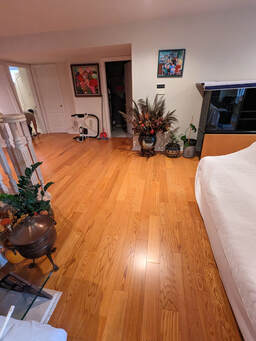
| Engineered hardwood flooring is a marvel of modern flooring technology, combining the classic elegance of hardwood with enhanced durability and versatility. Unlike traditional solid hardwood, engineered hardwood consists of a top layer of real wood veneer supported by layers of plywood or fiberboard. This unique construction makes it less prone to warping and a perfect fit for Toronto’s diverse climate. It’s an ideal choice for those who adore the timeless appeal of hardwood but require the practicality of a more stable and versatile flooring option. Discover more about this innovative flooring solution in our comprehensive guide to engineered hardwood. | 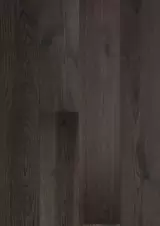 Engineered Hardwood Flooring Barrymore |
Engineered Hardwood Flooring Trends in Toronto
| Toronto's design scene in 2024 is seeing a shift towards more personalized and eco-conscious choices in hardwood flooring. Engineered hardwood is leading this trend with its wide array of styles, finishes, and colors. One of the standout trends is the inclination towards wider planks that give a sense of openness and modernity to spaces, big or small. Another emerging trend is the preference for natural and organic finishes, which accentuate the wood’s inherent beauty and texture. These trends reflect a broader move towards sustainability and natural aesthetics in Toronto’s interior design landscape. For a deeper dive into the latest trends, explore our hardwood flooring trends article. | 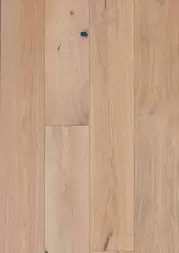 Engineered Hardwood Flooring Carissa |
The Cost Factor of Engineered Hardwood Floors in Toronto
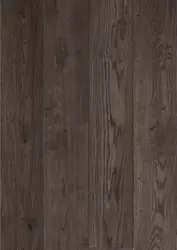 Engineered Hardwood Flooring Charlreston | When considering engineered hardwood for your Toronto home, understanding the cost is crucial. The price can vary based on factors like the quality of the wood, the complexity of the installation process, and the specific requirements of your space. On average, engineered hardwood can be a cost-effective alternative to solid hardwood, offering a similar aesthetic at a more accessible price point. For those curious about the specific numbers, our detailed breakdown on hardwood flooring installation costs in Toronto offers a clear picture. Remember, investing in quality flooring not only enhances the value of your home but also ensures longevity and lasting beauty. |
Selecting The Right Engineered Hardwood Floors For Your Home
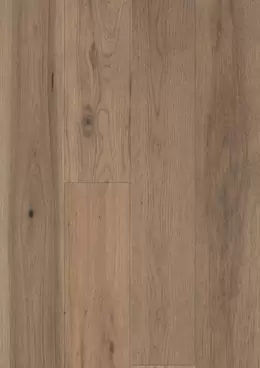 Engineered Hardwood Flooring Chesterfield | Choosing the right engineered hardwood flooring involves more than just picking a color or style. It’s about finding the perfect match for your lifestyle and the character of your home. Consider factors like foot traffic, sunlight exposure, and the general use of each room. For high-traffic areas, opt for engineered hardwood with a thicker wear layer for added durability. When it comes to aesthetics, think about whether you want your floors to be a statement piece or to blend seamlessly with your existing decor. Our experts at Parqueteam can guide you through this selection process, ensuring that you find the best fit for your Toronto home. Learn more about making the right choice in our guide on choosing the best hardwood flooring. |
Installing Your New Floors: Lying The Foundations Right
| The installation of engineered hardwood flooring is a critical step that can impact its longevity and appearance. While some homeowners in Toronto opt for DIY installation, professional installation is recommended to ensure optimal results. This involves proper subfloor preparation, understanding moisture levels, and expertly laying each plank for a flawless finish. Better pay someone to do it right the first time, than overpaying someone to fix your mess! | 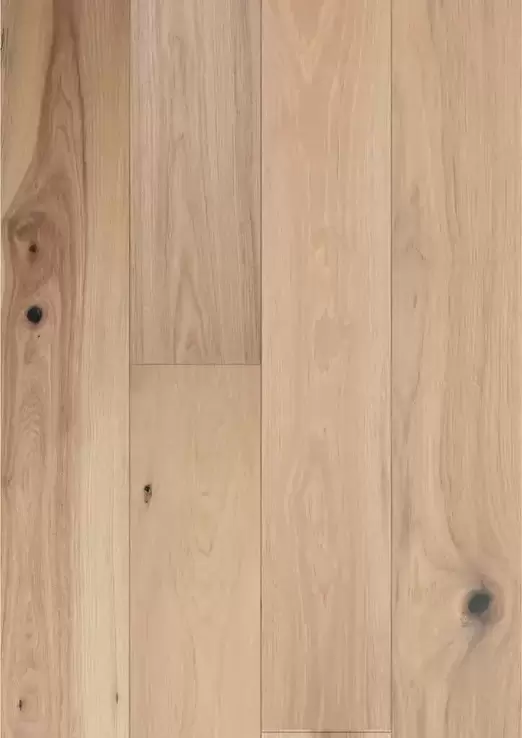 Engineered Hardwood Flooring Claremore |
Maintenance and Care: Taking Care Of Your New Engineered Hardwood Floors
| Maintaining engineered hardwood flooring is simpler than you might think, and it's key to preserving its beauty over time. Regular sweeping and gentle mopping with a damp cloth are usually enough to keep the floors looking their best. Avoid using harsh chemicals or excessive water, which can damage the wood. For deeper cleans or to tackle tough stains, professional hardwood flooring sanding and refinishing services can restore your floors to their original glory. |  Engineered Hardwood Flooring Geraldine |
A Sustainable Choice
FAQ
A: The cost varies depending on factors like the quality, design, and installation complexities. For a detailed cost analysis tailored to Toronto's market, you can refer to our guide on hardwood flooring installation costs.
Q: What is the best hardwood flooring to put down in a Toronto home?
A: The "best" flooring depends on your personal needs and style preferences. Engineered hardwood is a versatile choice for its balance of durability and aesthetics.
Q: Are solid hardwood floors worth it compared to engineered hardwood?
A: Solid hardwood floors offer timeless beauty and can be a great investment. However, engineered hardwood provides similar aesthetics with added benefits like better moisture resistance and stability.
Q: What hardwood flooring is made in Canada, and is it a good option for Toronto homes?
A: Canada is known for its high-quality maple, oak, and birch hardwood flooring. These species are excellent choices for Toronto homes due to their durability and elegant appearance.
Q: What is considered the best wood floor in the world, and is it suitable for Toronto's climate?
A: The "best" wood floor can vary based on personal preferences and local climate. Exotic woods like Brazilian cherry or teak are often prized globally. However, for Toronto's climate, engineered hardwood options that resist humidity and temperature changes might be more suitable.
Parqueteam Hardwood Flooring
Hardwood Flooring Toronto and The Greater Toronto Area.
Archives
July 2026
April 2026
December 2025
October 2025
September 2025
August 2025
July 2025
January 2025
December 2024
December 2023
November 2023
October 2023
September 2023
August 2023
June 2023
May 2023
April 2023
July 2018
February 2018
January 2018
December 2017
March 2017
February 2017
January 2017
November 2016
October 2016
May 2016
March 2016
February 2016
January 2016
December 2015
November 2015
October 2015
September 2015
August 2015
July 2015
June 2015
May 2015
April 2015
March 2015
February 2015
January 2015
December 2014
June 2014
May 2014
April 2014
March 2014
Categories
All
Commercial Flooring Tips
Condo Flooring Tips
Engineered Hardwood Flooring Tips
Flooring Cost Guide
Flooring Repair Tips
Glue Down Flooring Tips
Hardwood Flooring Installation Tips
Hardwood Flooring Tips
Hardwood Floor Refinishing Tips
Herringbone Flooring Tips
Laminate Flooring Installation Tips
Laminate Flooring Tips
Stairs Refinishing Tips
Vinyl Flooring Installation Tips
Vinyl Flooring Tips
Vinyl Plank Flooring Tips
 RSS Feed