How Much Does It Cost to Glue Down Vinyl Flooring in Toronto?
Glue-down vinyl flooring has become a go-to option for many Toronto homeowners, condo residents, and business owners seeking a sleek, durable, and cost-effective solution. Whether you're updating a commercial space or renovating a condo unit, one of the first questions that comes up is: "How much is this going to cost?"
In this post, we’ll break down the real-world costs of glue-down vinyl plank flooring in Toronto — including material prices, professional installation rates, and other potential expenses. We’ll also share insights based on actual flooring projects we've completed across the Greater Toronto Area, so you’ll know exactly what to expect. 
What Is Glue-Down Vinyl Plank Flooring?
Glue-down vinyl plank flooring is a type of luxury vinyl that is installed by adhering each plank directly to the subfloor using a specialized adhesive. Unlike click-lock vinyl flooring, which floats above the subfloor, glue-down vinyl creates a more permanent and stable flooring surface — making it an excellent choice for high-traffic areas or commercial spaces.
This flooring type is typically thinner than click vinyl (usually 3mm to 5mm) but offers excellent durability, water resistance, and sound absorption. It’s especially popular in Toronto condos, offices, and retail spaces where sound insulation and low-profile flooring are essential. Key Benefits of Glue-Down Vinyl Flooring:
Cost Breakdown in Toronto
When budgeting for glue-down vinyl flooring in Toronto, it’s important to consider both material and installation costs — which can vary depending on the quality of vinyl, installation method (straight or herringbone), and site conditions.
Material Cost (Per Square Foot)
This range includes high-quality luxury vinyl planks suitable for both residential and commercial spaces. Thicker vinyl may be priced slightly higher but often provides improved durability and foot comfort. Installation Cost (Per Square Foot)
Herringbone or other patterned installs require more precision, time, and waste material, which is why the cost is higher than a standard straight lay. Optional & Site-Specific Costs
Total Estimated Cost (All-In)
Cost Comparison vs Other Flooring Types
When comparing glue-down vinyl plank flooring to other popular flooring options in Toronto, the value it offers becomes quite clear — especially when considering both upfront costs and long-term durability.
Compared to click vinyl plank flooring, glue-down options are typically more costly when looking at similar thickness and wear layers. Click vinyl can cost less in material and the installation costs may be lower since it doesn’t require adhesive. However, in high-traffic areas or commercial spaces, glue-down vinyl remains the preferred choice for its stability and longevity, justifying the slightly higher labor cost. Laminate flooring, often has a lower material price point than vinyl, but that comes with trade-offs. Laminate isn’t waterproof and doesn’t perform as well in moisture-prone areas like kitchens or basements. Installation costs for laminate are similar to click vinyl, but glue-down vinyl ultimately provides better long-term value in humid environments. Engineered hardwood flooring typically sits at the higher end of the cost spectrum. While it offers a more natural look and resale appeal, it can cost nearly double that of glue-down vinyl once you factor in both material and professional installation. Maintenance also tends to be higher, especially in homes with kids or pets. In summary, glue-down vinyl flooring strikes an excellent balance — offering a modern aesthetic, water resistance, and affordability. For many Toronto homeowners, it delivers a premium feel without the premium price tag, especially when compared to engineered hardwood or more delicate laminate options. 
Factors That Affect Pricing
While glue-down vinyl plank flooring is one of the more affordable flooring solutions in Toronto, several factors can influence the overall cost of your project. Being aware of these variables can help you better estimate your budget and avoid surprises:
1. Quality & Thickness of Vinyl Planks Higher-quality planks with thicker wear layers (e.g., 20 mil or commercial-grade) and more realistic textures or finishes will naturally cost more. For example, luxury vinyl with enhanced realism or embossed surfaces tends to be priced closer to $4.99 per sq. ft., while simpler residential options start around $3.99. 2. Size of the Project Larger spaces generally benefit from economies of scale. The more square footage you're covering, the more likely you are to negotiate better material pricing and labor rates. Small projects, like a bathroom or hallway, may incur higher per-square-foot installation costs due to setup and minimum job fees. 3. Installation Pattern: Straight vs. Herringbone A standard straight lay is the most cost-effective installation method, ranging from $2.50 to $3.50 per sq. ft. However, if you’re opting for a herringbone or custom pattern, expect to pay a premium — typically $4.00 to $5.50 per sq. ft. — due to the additional labor and cutting precision required. 4. Subfloor Condition & Preparation A smooth, clean subfloor is essential for glue-down vinyl. If your existing subfloor requires patching, leveling, or moisture mitigation, this prep work can increase both material and labor costs. In older homes or condos, this is often a hidden cost that must be addressed before installation. 5. Old Flooring Removal If you’re replacing existing flooring (e.g., laminate, carpet, or tile), there may be additional charges for removal and disposal. This can range from $0.50 to $3.00 per sq. ft., depending on the flooring type and complexity. Is It Worth It? A Toronto Homeowner’s Perspective
When evaluating whether glue-down vinyl plank flooring is worth the investment, Toronto homeowners should weigh both the short-term savings and long-term value it provides.
Why Many Toronto Residents Choose It:
When It Might Not Be Ideal:
Final Word: For most Toronto homes, especially those looking for a waterproof, long-lasting, and cost-effective solution, glue-down vinyl flooring is not just “good” — it’s often the best-value option when installed properly. 
Recommended Readings
Frequently Asked Questions (FAQs)
How much does glue-down vinyl plank flooring cost per square foot in Toronto?
On average, materials range from $3.99 to $4.99 per sq. ft., while installation for straight lay costs $2.50 to $3.50 per sq. ft.. For herringbone patterns, installation costs rise to $4.00 to $5.50 per sq. ft. Is glue-down vinyl cheaper than click vinyl? In terms of materials, both options can be similarly priced. However, glue-down vinyl can be more cost-effective over time due to its durability and stability. Installation may cost more upfront due to the need for adhesive and subfloor prep. Why is glue-down vinyl flooring more expensive to install? Glue-down vinyl requires more precise subfloor preparation and the use of adhesive. These extra steps take more labor and time compared to click-together flooring, which is faster to install. Can I install glue-down vinyl flooring myself? While possible, professional installation is strongly recommended — especially in Toronto condos or commercial settings — to ensure long-term durability, proper adhesion, and warranty protection. Is glue-down vinyl flooring waterproof? Yes. Glue-down vinyl plank flooring is fully waterproof and an excellent choice for kitchens, bathrooms, basements, and high-moisture environments. Do I need to remove my old floor before installing glue-down vinyl? Not always. However, the subfloor must be clean, level, and stable. In some cases, removing old flooring is necessary, especially if it’s loose, damaged, or incompatible with adhesive. How long does glue-down vinyl last? With proper installation and care, glue-down vinyl flooring can last 15 to 25 years, depending on traffic, maintenance, and quality of the product.
0 Comments
Choosing the right vinyl plank flooring installation method is just as important as selecting the flooring itself. In Toronto, where temperature swings, heavy foot traffic, and diverse property types are common, homeowners and business owners often face the decision: should you go with click-lock (floating) or glue-down vinyl flooring?
Each installation type comes with its own pros and cons—from cost and stability to repair ease and long-term performance. In this post, we’ll compare the two methods side by side and help you determine which option suits your space and needs best. 
What Is Click-Lock Vinyl Flooring?
Click-lock vinyl plank flooring (also called floating vinyl) uses a tongue-and-groove system that allows planks to snap together without glue or nails. The floor “floats” above the subfloor and is typically installed with an underlayment, offering some added comfort and sound insulation.
It’s a popular choice in Toronto condos and homes because it’s:
What Is Glue-Down Vinyl Flooring?
So what is a glue down vinyl flooring? Glue-down vinyl plank flooring is installed by adhering each plank directly to the subfloor using a strong flooring adhesive. This method offers a more permanent, stable solution—especially ideal for commercial settings or high-traffic areas in Toronto homes.
Advantages include:

Durability & Stability: Which One Wins?
Toronto’s mix of cold winters and humid summers can cause expansion and contraction in flooring materials. Here’s how the two compare:
Installation & Repair: Which One Is Easier?
When it comes to installation:
Cost Comparison: Click vs. Glue-Down Vinyl Flooring in Toronto
Material cost:
Which One Should You Choose for Your Toronto Property?
Ultimately, your choice between glue-down and click vinyl flooring depends on your specific space, traffic level, and budget:
Need help deciding? At Parqueteam Hardwood Flooring, we offer both click and glue-down vinyl plank flooring services across Toronto and the Greater Toronto Area, customized to your needs. 
Frequently Asked Questions (FAQ)
Is glue-down vinyl flooring more durable than click vinyl?
Yes, glue-down vinyl is generally more stable and durable—especially in high-traffic or commercial environments—because it's firmly adhered to the subfloor, minimizing shifting or lifting over time. Can glue-down vinyl be installed in condos or homes? Absolutely. While it's commonly used in commercial spaces, glue-down vinyl flooring is a great choice for Toronto condos or basements where stability and thin profile are needed. Is glue-down vinyl flooring waterproof? Yes, most glue-down vinyl plank flooring is 100% waterproof, making it suitable for kitchens, bathrooms, basements, and other moisture-prone areas. What subfloor is required for glue-down vinyl? The subfloor needs to be clean, dry, and level. Concrete or plywood are ideal, and any unevenness must be corrected before installation for best adhesion. Can I install glue-down vinyl myself? It's not recommended unless you have experience with adhesives and flooring prep. Professional installation ensures better results, especially for large areas or commercial jobs. How long does glue-down vinyl flooring last? When installed correctly, glue-down vinyl can last 10–20 years or more, depending on wear layer thickness and traffic levels. Choosing the Right Vinyl Installation Matters
When it comes to vinyl plank flooring, the installation method is just as important as the style and durability of the material itself. One of the most talked-about options today is glue-down vinyl plank flooring—especially for Toronto homes and commercial properties seeking long-lasting, stable performance.
But is glue-down vinyl the right choice for your space? In this post, we’ll explore what makes this flooring option stand out, its pros and cons, and when it makes sense to use it over other installation types like click-lock 
What Is Glue-Down Vinyl Flooring?
Glue-down vinyl flooring is a type of luxury vinyl plank (LVP) or luxury vinyl tile (LVT) that’s secured to the subfloor using a strong adhesive. Unlike floating floors that "click" together and sit on top of the subfloor, glue-down vinyl creates a permanent bond, offering enhanced stability and performance in busy environments.
This installation method is commonly used in commercial spaces, offices, clinics, retail stores, and increasingly in residential basements and condos. Advantages of Glue-Down Vinyl Flooring in Toronto
Glue-down vinyl flooring is a popular choice across the Greater Toronto Area for both homes and businesses — and for good reason. Here’s why:
When Is Glue-Down Vinyl the Best Choice?
While both click-lock and glue-down methods have their place, there are specific scenarios where glue-down vinyl is the preferred solution:

Potential Drawbacks to Consider
While glue-down vinyl flooring has many benefits, it’s not ideal for every situation. Here are a few considerations:
How Much Does It Cost to Install Glue-Down Vinyl Flooring in Toronto?
Installation costs vary based on square footage, prep work, and whether it's a commercial or residential setting. Here's a general idea:
For an average 1000 sq. ft. project, you’re looking at a total of $6,000 to $9,000 depending on materials, subfloor condition, and layout. We always offer free, no-obligation estimates for both residential and commercial clients across the Toronto area. Final Thoughts: Is Glue-Down Vinyl Right for You?
If you’re looking for durability, stability, and professional-grade performance, glue-down vinyl plank or tile flooring is an excellent choice — especially in high-traffic commercial spaces or Toronto condos and basements where a low-profile and waterproof solution is essential.
At Parqueteam Hardwood Flooring, we’ve installed glue-down vinyl in offices, clinics, restaurants, retail stores, and private homes across Toronto and the GTA. Our expert team ensures proper subfloor preparation, clean application, and a finish that lasts. Not sure if glue-down is right for your project? Reach out for a free quote — we’ll walk you through the best vinyl flooring options based on your space, needs, and budget. 
Frequently Asked Questions
1. How long does glue-down vinyl flooring last?
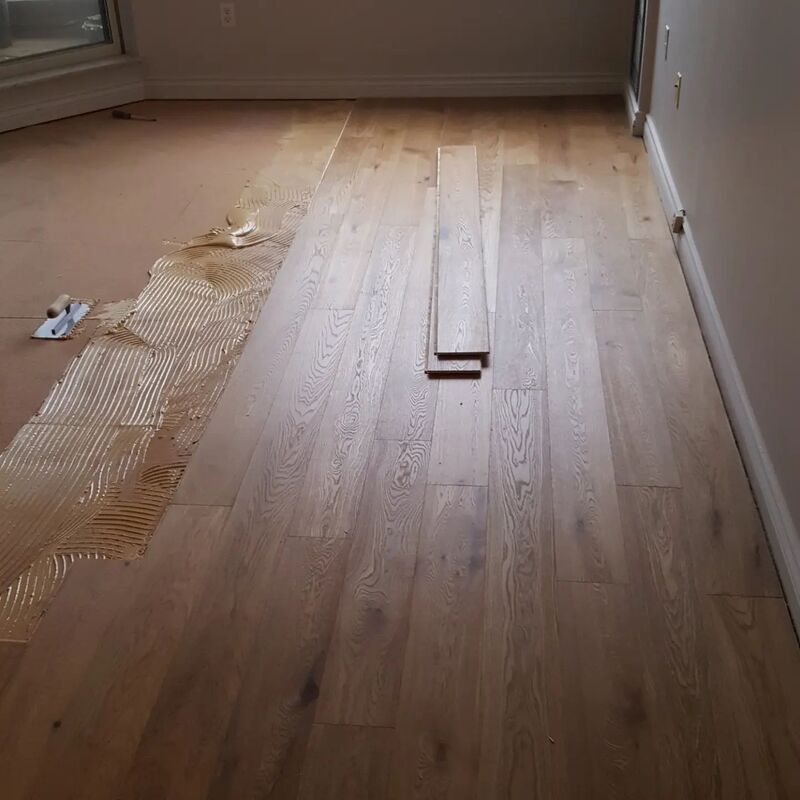
With proper installation and maintenance, glue-down vinyl can last 10 to 20 years or even longer, especially in commercial settings. 2. Is glue-down vinyl flooring waterproof? Yes, most glue-down vinyl plank and tile products are 100% waterproof, making them ideal for kitchens, basements, and commercial spaces. 3. Can I install glue-down vinyl myself? DIY installation is possible, but not recommended unless you're experienced. Glue-down vinyl requires precise subfloor prep and correct adhesive use, so professional installation is best. 4. Is glue-down vinyl more durable than click vinyl? Generally yes. Because it’s firmly adhered to the subfloor, glue-down vinyl is less prone to shifting or movement, making it better for high-traffic areas and commercial applications. 5. Is glue-down vinyl suitable for condos? Yes. Its low profile, stability, and quiet underfoot performance make it an excellent choice for Toronto condo units, especially where height clearance or soundproofing is a concern. 6. What’s the difference between glue-down and click vinyl flooring? Click vinyl uses a floating floor system and clicks together over underlayment, while glue-down vinyl is adhered directly to the subfloor, offering a more permanent and stable installation. 7. How much does it cost to install glue-down vinyl flooring in Toronto? On average, total costs range from $5.00 to $9.00 per square foot, including material, labour, subfloor prep, and any old floor removal. We offer free estimates across the GTA. 8. Can glue-down vinyl flooring be used in basements? Yes — as long as the concrete subfloor is dry, level, and clean, glue-down vinyl is a great option for basement flooring. Glue Down Engineered Hardwood Flooring: Is It Any Good?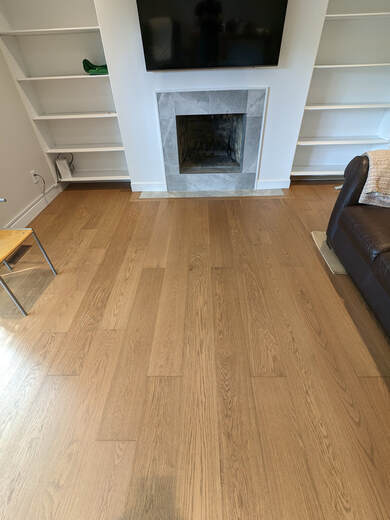 Close-up of engineered hardwood planks. When it comes to flooring options, engineered hardwood flooring is a popular choice among homeowners in Toronto. This type of flooring combines the beauty of real wood with the practicality of a composite product. In this article, we will delve into the topic of glue down engineered hardwood flooring, answering common questions and providing valuable insights. What is Engineered Hardwood Flooring?Engineered hardwood flooring is a type of flooring that is made up of a top layer of real hardwood veneer adhered to a core of high-density fiberboard (HDF) or plywood. This construction makes engineered hardwood more stable than solid hardwood, especially in response to changes in temperature and humidity. This makes it a great choice for basements and over radiant heating systems, where traditional solid hardwood may not be suitable. You can learn more about engineered hardwood flooring on our website. Glue Down Method for Engineered Hardwood Flooring
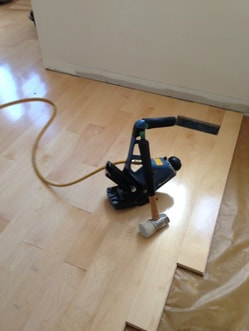
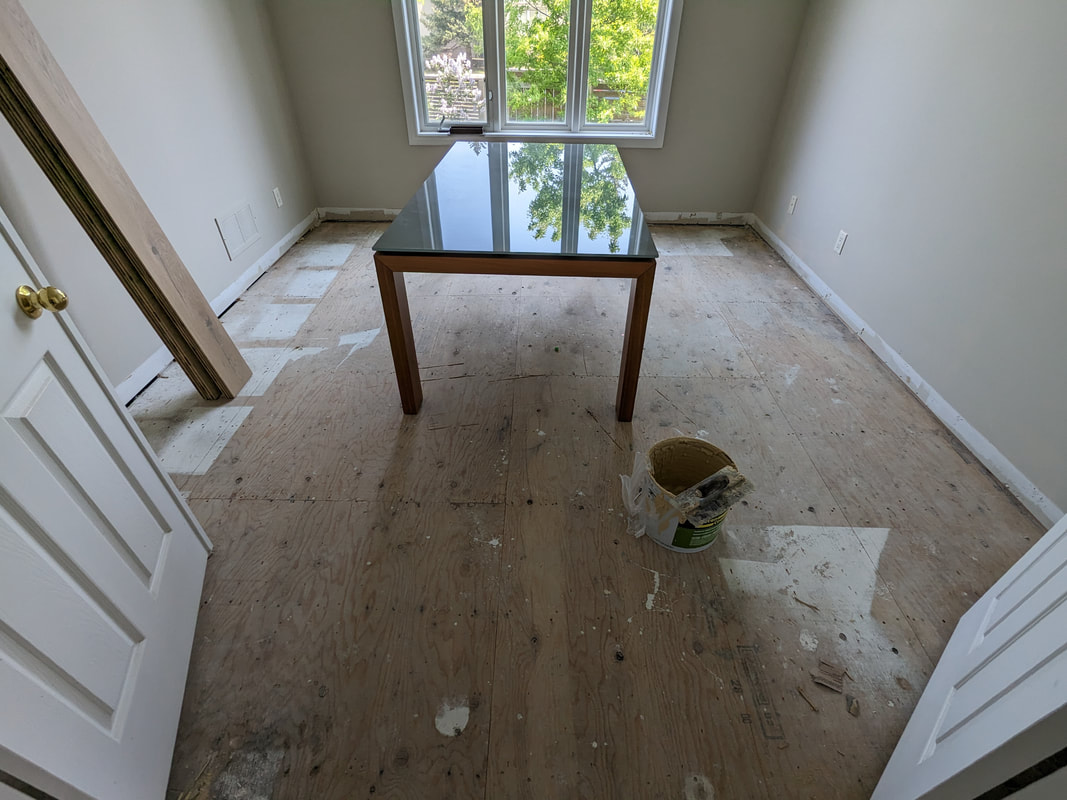
Glue Down vs. Nail Down: Which is Better?When it comes to installing engineered hardwood flooring, there are two main methods: glue down and nail down. The glue down method, as we discussed earlier, involves adhering the flooring directly to the subfloor using a special adhesive. This method provides a solid, stable floor that feels more like a solid hardwood floor. On the other hand, the nail down method involves attaching the flooring to the subfloor using nails or staples. This method is typically used for solid hardwood flooring, but it can also be used for engineered hardwood. So, which method is better? The answer depends on your specific needs and circumstances. The glue down method provides a more stable floor, but it is more labor-intensive and permanent. The nail down method, on the other hand, is quicker and easier, but it may not provide the same level of stability. You can learn more about the different installation methods on our blog. Can Engineered Hardwood Flooring be Glued to Plywood?Yes, engineered hardwood flooring can be glued to plywood. In fact, plywood is one of the most common types of subfloor that engineered hardwood flooring is installed on. The glue down method works well with plywood because it provides a smooth, stable surface for the flooring to adhere to. However, it's important to note that the plywood must be properly prepared before the flooring is installed. This includes ensuring that the plywood is clean, dry, and level. Any irregularities in the plywood can cause problems with the installation and performance of the flooring. Is Glue Down Installation Better than Floating Installation for Engineered Wood Floors?
Underlayment for Glue Down Engineered Hardwood FlooringWhen it comes to underlayment for glue down engineered hardwood, there are two main options: direct glue down and double glue down. In the direct glue down method, the flooring is glued directly onto the subfloor. In the double glue down method, an underlayment (such as cork) is first glued to the subfloor, and then the engineered hardwood floor is glued on top of it. The double glue down method can provide additional sound insulation and comfort underfoot. How Long Before You Can Put Furniture on New Glued Down Engineered Hardwood Floors?After installing glue down engineered hardwood flooring, it's recommended to wait at least 24 hours before placing furniture on the new floors. This allows the adhesive to fully cure and ensures a strong bond between the flooring and the subfloor. However, the exact waiting time can vary depending on the specific adhesive used, so it's always best to follow the manufacturer's instructions.
Glue Down Engineered Hardwood Flooring: Maintenance and LongevityEngineered hardwood flooring is known for its durability and long lifespan, but like any flooring, it requires proper care and maintenance to keep it looking its best. Maintaining your engineered hardwood flooring is relatively straightforward. Regular sweeping or vacuuming can help remove dust and debris that might scratch the surface. For deeper cleaning, use a damp mop and a cleaner specifically designed for hardwood floors. Avoid using excessive water, as it can seep into the cracks and cause damage. One of the advantages of engineered hardwood flooring is that it can be refinished if it becomes scratched or worn. However, the number of times it can be refinished depends on the thickness of the top veneer. Some high-quality engineered floors can be refinished multiple times, while others may only be able to be refinished once or twice. In terms of longevity, engineered hardwood flooring can last for decades with proper care. The exact lifespan will depend on factors such as the quality of the flooring, the amount of foot traffic it receives, and how well it is maintained. To ensure the longevity of your flooring, consider hiring professional hardwood flooring installers for the installation process. Professionals have the knowledge and experience to install the flooring correctly, which can help prevent issues down the line. In conclusion, glue down engineered hardwood flooring is a versatile and durable choice for your home. It offers the beauty of real wood with the added stability of engineered construction. Whether you're renovating your current home or building a new one, consider engineered hardwood flooring for a stylish and long-lasting flooring solution. For more information on engineered hardwood flooring and other types of flooring, check out our blog or contact us at Parqueteam Hardwood Flooring. We're here to help you make the best choice for your home. Please note that this article is intended to provide general information. For specific advice related to your situation, please consult with a professional. FAQ
|
Parqueteam Hardwood FlooringHardwood Flooring Toronto and The Greater Toronto Area. Archives
July 2026
Categories
All
|

- Home
- Our Mission
- Contact Us
-
Our Services
- Hardwood Flooring Installation Toronto
- Dustless Hardwood Flooring Refinishing Toronto
- Dustless Stair Refinishing Toronto
- Condo Flooring Toronto
- Commercial Flooring Toronto
- Hardwood Flooring Repairs In Toronto
- Flush Mount Floor Vent Installation Toronto
- Laminate Flooring Installation Toronto
- Vinyl Plank Flooring Installation Toronto
- Glue Down Hardwood Flooring In Toronto
- Flooring for Film Studio Toronto
-
Product Info
- Carpet Tile Flooring Toronto
- Herringbone Hardwood Flooring Toronto
- Solid Hardwood Flooring
- Wide Plank Hardwood Flooring Toronto
- Brazilian Cherry Hardwood Flooring
- Basement Flooring Toronto
- Engineered Hardwood Flooring Toronto
- Laminate Flooring Toronto
- Vinyl Plank Flooring Toronto
- Glue Down Vinyl Plank Flooring Toronto
- Portfolio
- Blog
 RSS Feed
Areas We Proudly Serve...
|
|