

Hardwood Floor Water Damage and Scratch Repair in Toronto – What Can Actually Be Fixed?
A lot of homeowners and condo owners call hoping for a quick spot flooring repair after water damage, deep scratches, or gouges appear on the floor. In some cases, a repair is possible. In many cases, the damaged planks need to be replaced, and the success of that repair depends on whether the exact same flooring can still be matched. The right solution depends on the type of floor, the extent of the damage, and whether the floor is in a condo or a house.

What Types of Floor Damage Can Actually Be Repaired
Not every damaged floor can be repaired the same way. The correct solution depends on both the material and the severity of the damage.
Typical repair calls usually involve:
Water Damage Repair Usually Means Plank Replacement
When hardwood flooring, engineered hardwood, laminate, or vinyl planks are damaged by water, the affected boards usually need to be removed and replaced. Once planks swell, warp, stain, separate, or lift, they do not go back to normal just by drying out.
In most spot repair situations, the key question is this: Do you have the exact same flooring available? That means:
This is especially common with condo floors in toronto, where floors are often installed years earlier and owners no longer know the brand or color. In those situations, replacing only a few planks with a similar-looking product usually does not look right and is not something we recommend. Why Spot Repairs in Condos Are Often Not Possible
Condo repair calls are some of the most common, especially after dishwasher leaks, fridge line leaks, plant watering issues, or small flooding incidents.
The problem is usually not just removing the damaged planks. The real problem is finding a true match. In many condos:
In those cases, the realistic solution is often:
Houses With Solid Hardwood Offer More Repair Options
In houses, especially with solid hardwood flooring, repairs can be more flexible.
If a section of solid hardwood is water damaged, it is often possible to:
That said, the final result still depends on:
Deep Gouges and Scratches Need the Right Solution
Deep gouges and scratches are another area where many people hope for a quick touch-up, but the right solution depends on how deep the damage goes.
For minor scratches:Homeowners can sometimes improve the appearance with:
For deep gouges:When the plank is cut deeply, chipped, crushed, or the finish is badly broken, a simple marker or filler usually will not make it disappear. In those cases, the correct solution may be:
Why Small Spot Sanding Repairs Usually Look Worse
One of the most common mistakes is trying to sand and refinish only a tiny damaged patch.
This is usually not the right way to repair hardwood flooring. Small isolated sanding or finish touch-ups often create:
For real hardwood, that often means sanding and refinishing an entire room or larger section. For engineered, laminate, or vinyl plank flooring, that often means replacing damaged boards only if an exact match exists. When a Floor Needs Repair vs Full Replacement
A repair may be possible when:
Water damage, deep gouges, and scratches can sometimes be repaired, but not every floor can be fixed with a simple spot repair. In condos, the biggest issue is usually finding the exact matching planks. Without the manufacturer, color, and product details, a small repair is often not realistic, and replacing the room or larger area becomes the proper solution. In houses with solid hardwood, repairs are often more flexible because new unfinished boards can be installed and sanding and refinishing of the floor can be done for a more consistent result.
For very minor scratches, simple touch-up products may help. But for deeper damage, trying to sand or patch only a tiny area usually creates a worse-looking result. The right repair method always depends on the flooring type, the extent of damage, and whether the new material can truly blend with the existing floor. 
FAQ
Can water damaged hardwood floors be repaired?
Yes, but usually the damaged planks need to be removed and replaced. If the floor is solid hardwood in a house, it may also be possible to replace the damaged boards and sand and refinish the entire room. Can you repair only a few damaged planks in a condo? Only if the exact same flooring can be matched. That means the same brand, color, size, thickness, and locking system. If the flooring cannot be identified or sourced, a spot repair usually will not look right. What if I do not know the manufacturer or color of my floor? If the exact flooring is unknown, a proper plank replacement becomes much more difficult. In many condo repairs, this means the room or larger floor area may need to be replaced instead of doing a small patch. Can deep scratches in hardwood floors be fixed? Minor scratches may sometimes be improved with a stain marker or repair kit. Deep scratches or gouges usually need a more serious repair, such as board replacement or sanding and refinishing a larger area. Is it a good idea to sand only one small damaged spot? Usually no. Sanding and refinishing only a tiny section often leaves visible color and sheen differences, making the floor look worse instead of better. What is the best repair option for solid hardwood in a house? In many cases, the best option is to remove the damaged boards, install unfinished matching wood, and then sand and refinish the full room so the repaired area blends properly.
0 Comments
What Is the Best Hardwood Flooring for Toronto Homes?
Choosing the right hardwood flooring for your Toronto home is more than just picking a color or grain pattern. It’s about selecting a floor that balances beauty, durability, and performance in a climate that’s known for both icy winters and humid summers. Whether you're renovating a downtown condo or upgrading your family home in the GTA, making the right flooring decision can significantly impact the long-term comfort and value of your space.

Understanding Toronto’s Climate & Why It Matters
Toronto’s four-season climate puts flooring to the test. With dry, cold winters and hot, humid summers, the natural expansion and contraction of wood is a key concern. If the hardwood flooring isn’t properly suited to these shifts, you might experience gapping, warping, or cupping over time.
Engineered hardwood flooring, for example, tends to handle Toronto’s humidity swings better than traditional solid hardwood. This makes it a more stable option in many homes—especially in condo floors, basements, or homes without humidity control systems. In short, choosing the right type of hardwood for Toronto means factoring in how well your floors will respond to seasonal changes — not just how they look. Solid Hardwood Flooring vs. Engineered Hardwood Flooring – Which Performs Better in Toronto?
When deciding between solid and engineered hardwood flooring, Toronto homeowners should consider the performance of each type in response to the city’s climate and their lifestyle needs.
Solid Hardwood Flooring:
Engineered Hardwood Flooring:
Verdict for Toronto Homes:

Best Flooring Wood Species for Toronto Homes
When choosing between solid or engineered hardwood, the wood species you select also plays a crucial role in the floor’s durability, appearance, and ability to withstand Toronto’s fluctuating climate.
Top Recommended Species: Oak (Red & White Oak)
Maple
Walnut
Hickory
Exotic Woods (e.g., Brazilian Cherry, Sapele)
Hardwood Flooring Installation Considerations for Toronto Homes
Choosing between engineered and solid hardwood isn’t just about looks or durability — installation method and site conditions play a huge role, especially in a climate like Toronto’s.
Basements & Condos: Go Engineered
Main & Upper Floors: Solid or Engineered
Subfloor Type
Toronto’s Seasonal Humidity Swings
Hardwood Flooring Installation Methods:
Final Verdict — Which One Is Right for You?
When it comes to choosing between engineered hardwood and solid hardwood, there’s no one-size-fits-all answer. It depends on your home, lifestyle, and long-term expectations.
Choose Solid Hardwood If:
Choose Engineered Hardwood If:
Pro Tip: For many Toronto homeowners, engineered hardwood offers the perfect balance — it provides the aesthetic and warmth of real wood, while being more adaptable to modern installation needs and environmental conditions. 
Frequently Asked Questions
Is engineered hardwood real wood?
Yes — engineered hardwood is made from a real hardwood veneer (top layer) over layers of plywood or HDF. It provides the same natural look and feel as solid hardwood, with improved dimensional stability. Can engineered hardwood be refinished? It depends on the thickness of the top veneer layer. Most engineered floors can be refinished once or twice, especially if the veneer is 2mm or thicker. Thinner veneers (Below 2mm) usually cannot be sanded down. Which is more durable — engineered or solid hardwood? Solid hardwood is more durable in terms of sanding longevity and surface thickness. However, engineered hardwood is more stable in fluctuating climates like Toronto, resisting warping, cupping, and gapping. Which flooring is better for basements or condos? Engineered hardwood is the clear winner for basements and condos. It can be installed over concrete, handles moisture better, and is often compatible with underfloor heating systems. Is engineered hardwood cheaper than solid hardwood? In some cases, yes — especially when comparing wide plank options. Engineered wood uses less hardwood overall, which brings the cost down. However, high-end engineered hardwood floor products can match or exceed the cost of solid hardwood depending on veneer quality and core construction. How Much Does Herringbone Hardwood Flooring Cost in Toronto?
Herringbone hardwood flooring has become a popular choice for homeowners and businesses in Toronto, thanks to its timeless elegance and distinct pattern. This unique flooring style enhances any space with its sophisticated look, but its intricate installation process and material costs make it more expensive than standard hardwood flooring.
If you’re considering herringbone flooring for your home or commercial space, understanding the costs involved is crucial. From material prices to labor expenses, this guide will break down the factors influencing the total cost of herringbone flooring in Toronto. 
Factors Affecting Herringbone Hardwood Flooring Costs
Additional Cost Considerations
Total Estimated Cost of Herringbone Hardwood Flooring in Toronto
The total cost of installing herringbone hardwood flooring depends on various factors, but here’s a general estimate based on a 1,000 sq. ft. area:

These prices will vary based on wood type, complexity, and any additional finishing touches.
Why Herringbone Hardwood Flooring is More Expensive than Traditional Straight Hardwood Flooring Installations?
How to Save Money on Herringbone Hardwood Flooring in Toronto
FAQ: Herringbone Hardwood Flooring Costs & Installation in Toronto
1. Is herringbone flooring worth the extra cost?
Yes, herringbone flooring adds a luxurious and timeless appeal to any space. It also increases property value due to its high-end look and durability. 2. How much extra material should I order for herringbone flooring? It’s recommended to order 15% – 20% extra to account for the additional waste created by the angled cuts needed for the pattern. 3. Is herringbone flooring more expensive than straight-laid hardwood? Yes, herringbone flooring costs 30% – 50% more due to the intricate pattern, precision cutting, and longer installation time. 4. How long does it take to install herringbone flooring? The installation time depends on the room size and wood type, but generally, herringbone flooring takes twice as long to install compared to standard plank hardwood. 5. Can I install herringbone flooring myself? Herringbone flooring requires precise measurements and expert craftsmanship. DIY installation is not recommended unless you have professional experience in hardwood flooring. 6. What is the best wood species for herringbone flooring? Oak and maple are the most popular choices due to their durability and affordability. Exotic woods like walnut or mahogany will be more expensive. 7. Does herringbone flooring require special maintenance? No, it requires the same care as standard hardwood floors. Regular sweeping, occasional mopping with a hardwood-safe cleaner, and avoiding excessive moisture will help maintain its beauty. 8. Can herringbone flooring be installed over concrete? Yes, but it requires a proper subfloor preparation, and also underlayment if installed in a condo. Also, engineered hardwood floor would be requierd in order to install it over concrete. 
|


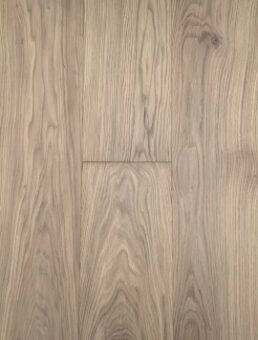 European Engineered Hardwood Flooring Boher | 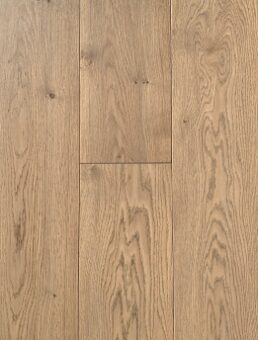 European Engineered Hardwood Flooring Citadella |
European Oak: The Premier Choice
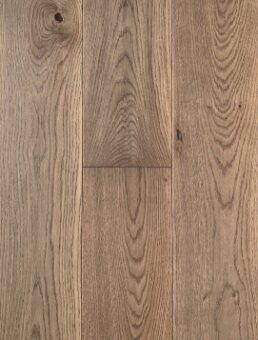 European Engineered Hardwood Flooring Cittanova | 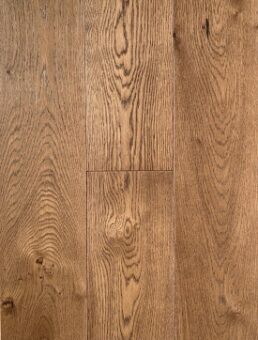 European Engineered Hardwood Flooring Conegliano |
French Oak vs European Oak: Understanding the Difference
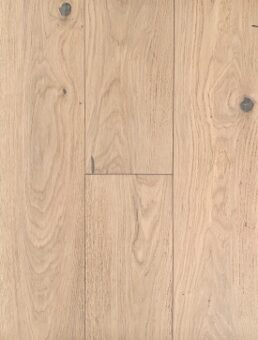 European Engineered Hardwood Flooring Cremona | 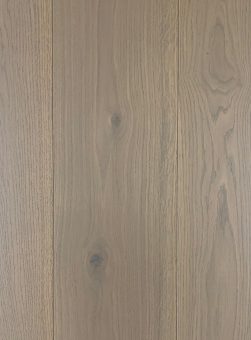 European Engineered Hardwood Flooring Jesolo |
European Oak and White Oak: Are They the Same?
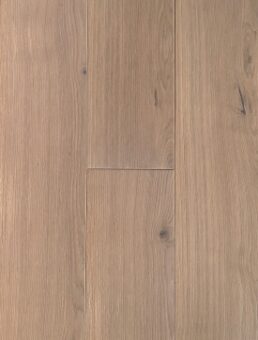 European Engineered Hardwood Flooring Lublin | 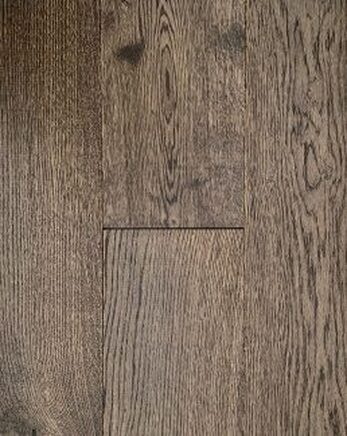 European Engineered Hardwood Flooring Marcon |
Incorporating European Hardwood in Your Toronto Home
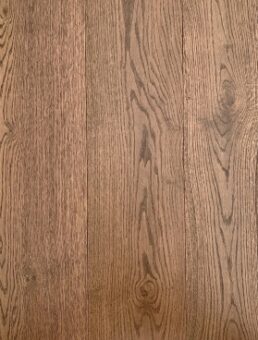 European Engineered Hardwood Flooring Merano | 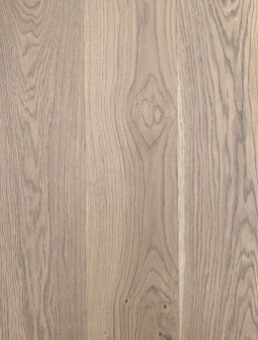 European Engineered Hardwood Flooring Montebeluna |
Installation and Maintenance
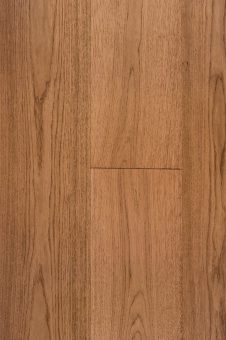 European Engineered Hardwood Flooring Pavia | 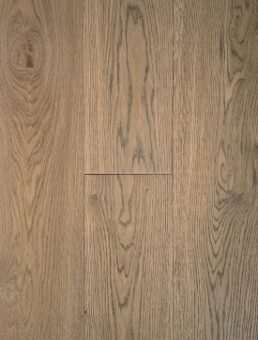 European Engineered Hardwood Flooring ponzano |
Where to Find Quality European Hardwood Flooring in Toronto
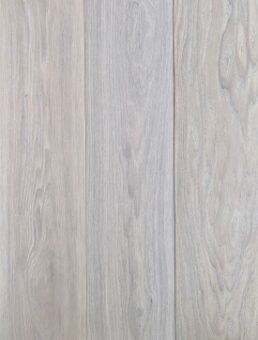 European Engineered Hardwood Flooring roman | 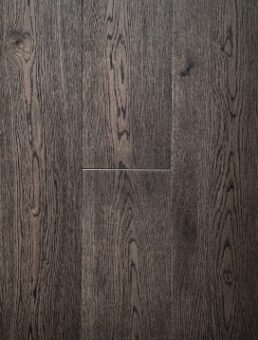 European Engineered Hardwood Flooring trento |
At Parqueteam Hardwood Flooring, we’re here to help you make that vision a reality. With our extensive selection, expert advice, and professional installation services, we ensure your flooring experience is seamless and satisfying. Explore our website to view our range of hardwood flooring options, or visit us in person for a consultation. Let's work together to find the perfect hardwood floor that reflects your style and adds unparalleled beauty to your home.

FAQ Section: Expert Answers to Your Hardwood Flooring Questions
A: Absolutely. European Oak is renowned for its durability and elegant appearance, making it a superb choice for Toronto homes. Its ability to withstand varying climates and heavy foot traffic, while maintaining its aesthetic appeal, sets it apart as a premium flooring option. Learn more about it or other engineered hardwood flooring options in our page
Q: What is the difference between French Oak and European Oak?
A: French Oak typically has a tighter grain and more consistent color, owing to the specific growth conditions in France. It's sought after for its elegance and uniform appearance. European Oak, while also high-quality, offers more color variations and a slightly bolder grain pattern, providing a different aesthetic. Both types of oak have their unique appeal, suitable for various interior designs. For further details, check out our guide on choosing hardwood flooring.
Q: Is European Oak the same as White Oak?
A: No, European Oak and White Oak are not the same. While they share some similarities, such as durability, they differ in color and grain pattern. White Oak generally has a lighter tone and more uniform grain, while European Oak offers richer color variations and a more distinct grain. Each type brings its unique charm and can be chosen based on the specific aesthetic you wish to achieve in your space.
Parqueteam Hardwood Flooring
Hardwood Flooring Toronto and The Greater Toronto Area.
Archives
July 2026
April 2026
December 2025
October 2025
September 2025
August 2025
July 2025
January 2025
December 2024
December 2023
November 2023
October 2023
September 2023
August 2023
June 2023
May 2023
April 2023
July 2018
February 2018
January 2018
December 2017
March 2017
February 2017
January 2017
November 2016
October 2016
May 2016
March 2016
February 2016
January 2016
December 2015
November 2015
October 2015
September 2015
August 2015
July 2015
June 2015
May 2015
April 2015
March 2015
February 2015
January 2015
December 2014
June 2014
May 2014
April 2014
March 2014
Categories
All
Commercial Flooring Tips
Condo Flooring Tips
Engineered Hardwood Flooring Tips
Flooring Cost Guide
Flooring Repair Tips
Glue Down Flooring Tips
Hardwood Flooring Installation Tips
Hardwood Flooring Tips
Hardwood Floor Refinishing Tips
Herringbone Flooring Tips
Laminate Flooring Installation Tips
Laminate Flooring Tips
Stairs Refinishing Tips
Vinyl Flooring Installation Tips
Vinyl Flooring Tips
Vinyl Plank Flooring Tips
 RSS Feed