
Hardwood Floor Water Damage and Scratch Repair in Toronto – What Can Actually Be Fixed?
A lot of homeowners and condo owners call hoping for a quick spot flooring repair after water damage, deep scratches, or gouges appear on the floor. In some cases, a repair is possible. In many cases, the damaged planks need to be replaced, and the success of that repair depends on whether the exact same flooring can still be matched. The right solution depends on the type of floor, the extent of the damage, and whether the floor is in a condo or a house.

What Types of Floor Damage Can Actually Be Repaired
Not every damaged floor can be repaired the same way. The correct solution depends on both the material and the severity of the damage.
Typical repair calls usually involve:
Water Damage Repair Usually Means Plank Replacement
When hardwood flooring, engineered hardwood, laminate, or vinyl planks are damaged by water, the affected boards usually need to be removed and replaced. Once planks swell, warp, stain, separate, or lift, they do not go back to normal just by drying out.
In most spot repair situations, the key question is this: Do you have the exact same flooring available? That means:
This is especially common with condo floors in toronto, where floors are often installed years earlier and owners no longer know the brand or color. In those situations, replacing only a few planks with a similar-looking product usually does not look right and is not something we recommend. Why Spot Repairs in Condos Are Often Not Possible
Condo repair calls are some of the most common, especially after dishwasher leaks, fridge line leaks, plant watering issues, or small flooding incidents.
The problem is usually not just removing the damaged planks. The real problem is finding a true match. In many condos:
In those cases, the realistic solution is often:
Houses With Solid Hardwood Offer More Repair Options
In houses, especially with solid hardwood flooring, repairs can be more flexible.
If a section of solid hardwood is water damaged, it is often possible to:
That said, the final result still depends on:
Deep Gouges and Scratches Need the Right Solution
Deep gouges and scratches are another area where many people hope for a quick touch-up, but the right solution depends on how deep the damage goes.
For minor scratches:Homeowners can sometimes improve the appearance with:
For deep gouges:When the plank is cut deeply, chipped, crushed, or the finish is badly broken, a simple marker or filler usually will not make it disappear. In those cases, the correct solution may be:
Why Small Spot Sanding Repairs Usually Look Worse
One of the most common mistakes is trying to sand and refinish only a tiny damaged patch.
This is usually not the right way to repair hardwood flooring. Small isolated sanding or finish touch-ups often create:
For real hardwood, that often means sanding and refinishing an entire room or larger section. For engineered, laminate, or vinyl plank flooring, that often means replacing damaged boards only if an exact match exists. When a Floor Needs Repair vs Full Replacement
A repair may be possible when:
Water damage, deep gouges, and scratches can sometimes be repaired, but not every floor can be fixed with a simple spot repair. In condos, the biggest issue is usually finding the exact matching planks. Without the manufacturer, color, and product details, a small repair is often not realistic, and replacing the room or larger area becomes the proper solution. In houses with solid hardwood, repairs are often more flexible because new unfinished boards can be installed and sanding and refinishing of the floor can be done for a more consistent result.
For very minor scratches, simple touch-up products may help. But for deeper damage, trying to sand or patch only a tiny area usually creates a worse-looking result. The right repair method always depends on the flooring type, the extent of damage, and whether the new material can truly blend with the existing floor. 
FAQ
Can water damaged hardwood floors be repaired?
Yes, but usually the damaged planks need to be removed and replaced. If the floor is solid hardwood in a house, it may also be possible to replace the damaged boards and sand and refinish the entire room. Can you repair only a few damaged planks in a condo? Only if the exact same flooring can be matched. That means the same brand, color, size, thickness, and locking system. If the flooring cannot be identified or sourced, a spot repair usually will not look right. What if I do not know the manufacturer or color of my floor? If the exact flooring is unknown, a proper plank replacement becomes much more difficult. In many condo repairs, this means the room or larger floor area may need to be replaced instead of doing a small patch. Can deep scratches in hardwood floors be fixed? Minor scratches may sometimes be improved with a stain marker or repair kit. Deep scratches or gouges usually need a more serious repair, such as board replacement or sanding and refinishing a larger area. Is it a good idea to sand only one small damaged spot? Usually no. Sanding and refinishing only a tiny section often leaves visible color and sheen differences, making the floor look worse instead of better. What is the best repair option for solid hardwood in a house? In many cases, the best option is to remove the damaged boards, install unfinished matching wood, and then sand and refinish the full room so the repaired area blends properly.
0 Comments
|


 |  |
Frequently Asked Questions
Yes—if your budget allows it, hardwood flooring is a long-term investment that can last decades, increase home value, and be refinished multiple times. It’s especially worth it for homeowners planning to stay in their homes long-term or for luxury renovations.
Is laminate flooring really that much more durable than hardwood?
Laminate is more resistant to surface-level scratches, dents, and wear due to its tough protective layer—especially useful for households with pets or children. However, it's not repairable like hardwood and doesn’t age as gracefully.
Which is better for resale value—laminate or hardwood?
Hardwood flooring generally increases home resale value more than laminate. Real estate agents and buyers in Toronto often consider hardwood a premium upgrade, especially in higher-end neighborhoods or homes.
Can I install hardwood flooring in a basement?
We don’t recommend solid hardwood for basement flooring due to moisture risks. Engineered hardwood or laminate are better options as they are more dimensionally stable and resistant to humidity—important in many Toronto basements.
What’s better for a condo flooring—laminate or engineered hardwood?
Many Toronto condos require specific underlayments or limit noise transfer. Engineered hardwood (click or glue-down) is often approved by condo boards and offers a higher-end finish compared to laminate, though laminate can be used if cost is a major concern.
What Is the Best Hardwood Flooring for Toronto Homes?

Understanding Toronto’s Climate & Why It Matters
Engineered hardwood flooring, for example, tends to handle Toronto’s humidity swings better than traditional solid hardwood. This makes it a more stable option in many homes—especially in condo floors, basements, or homes without humidity control systems.
In short, choosing the right type of hardwood for Toronto means factoring in how well your floors will respond to seasonal changes — not just how they look.
Solid Hardwood Flooring vs. Engineered Hardwood Flooring – Which Performs Better in Toronto?
Solid Hardwood Flooring:
- Made from a single piece of hardwood, usually ¾” thick.
- Can be sanded and refinished multiple times (ideal for long-term durability).
- More prone to expansion and contraction due to Toronto’s humidity shifts.
- Best installed on or above grade (not recommended for basements).
- Requires a controlled indoor climate (use of humidifiers/dehumidifiers in extreme seasons).
Engineered Hardwood Flooring:
- Constructed from multiple layers of wood, topped with a real hardwood veneer.
- Designed for dimensional stability, making it more resistant to temperature and moisture changes.
- Can be installed below grade and over concrete subfloors — a popular option for Toronto condos and basement floors.
- Still refinishable (depending on veneer thickness), but typically 1–3 times max.
Verdict for Toronto Homes:
- Engineered hardwood is generally better suited for most Toronto properties due to its stability across seasons and installation flexibility.
- Solid hardwood is still an excellent option for traditional homes with controlled indoor environments and a preference for long-term refinishing.

Best Flooring Wood Species for Toronto Homes
Top Recommended Species:
Oak (Red & White Oak)
- One of the most popular choices in Toronto.
- Red Oak offers a warm, traditional look with prominent grain.
- White Oak is slightly harder, with a smoother grain and more modern appeal.
- Excellent for both solid and engineered formats.
Maple
- Known for its clean, subtle grain and light, contemporary tone.
- Slightly harder than red oak.
- Less porous, which makes it a bit trickier to stain evenly.
- Works well in engineered hardwood flooring due to its stability.
Walnut
- Dark, rich brown tones with elegant grain patterns.
- Softer than oak or maple, so best suited for lower-traffic areas or engineered formats with stronger core layers.
- Popular in modern and luxury Toronto homes.
Hickory
- Extremely hard and durable.
- Dramatic grain variation—ideal for rustic or character-grade flooring.
- Highly resistant to dents and wear, but more reactive to humidity when in solid form.
Exotic Woods (e.g., Brazilian Cherry, Sapele)
- Provide rich, unique colour tones and grain styles, such as brazilian cherry hardwood floor.
- Very hard and durable, but less stable in fluctuating climates unless in engineered form.
- Used more in high-end engineered hardwood options for design impact.
Hardwood Flooring Installation Considerations for Toronto Homes
Basements & Condos: Go Engineered
- Why? These spaces often have concrete subfloors and higher humidity.
- Engineered hardwood can be glued down or floated over underlay, making it ideal for below-grade areas and high-rise buildings where nailing isn't an option.
- Bonus: Some condo boards require specific underlay or soundproofing—always check with your condo management for their requirements of underlayment.
Main & Upper Floors: Solid or Engineered
- Solid hardwood works great on wooden subfloors with nailing down installation, ideal for ground and upper levels.
- However, engineered hardwood also performs very well and can be used across all floors, especially with radiant heating systems.
Subfloor Type
- Wood subfloor: Both solid and engineered hardwood are compatible (nailed or glued).
- Concrete subfloor: Engineered is your go-to (glue-down or floating). Solid hardwood is not recommended directly on concrete.
Toronto’s Seasonal Humidity Swings
- Toronto’s dry winters and humid summers can cause solid hardwood to expand and contract more aggressively.
- Engineered hardwood is more dimensionally stable, making it the safer option for areas sensitive to moisture changes.
Hardwood Flooring Installation Methods:
- Nail Down Installation - Both engineered hardwood floors and solid hardwood floors can be installed using nail down installation. For wide plank hardwood floors, it is reccomended to use glue assist
- Glue-down or double glue-down installation - Engineered hardwood floors can be installed using the glue down or double glue down installation over concrete subfloors. Can be glued down as well on top of plywood.
- Click float installation - Engineered hardwood floors that come in click system are installed that way.
Final Verdict — Which One Is Right for You?
Choose Solid Hardwood If:
- You’re renovating a traditional home with wooden subfloors.
- You want maximum longevity and the ability to refinish multiple times.
- You prefer natural character, even if it means more seasonal movement.
- You’re installing on main or upper levels and are comfortable with a nailed installation.
Choose Engineered Hardwood If:
- You live in a condo or have a basement with concrete subfloors.
- You want a product that’s resistant to humidity changes, ideal for Toronto’s climate.
- You’re planning to install over radiant heating systems.
- You want design flexibility (e.g., wider planks, exotic wood species) without the price tag of solid options.
Pro Tip:
For many Toronto homeowners, engineered hardwood offers the perfect balance — it provides the aesthetic and warmth of real wood, while being more adaptable to modern installation needs and environmental conditions.

Frequently Asked Questions
Yes — engineered hardwood is made from a real hardwood veneer (top layer) over layers of plywood or HDF. It provides the same natural look and feel as solid hardwood, with improved dimensional stability.
Can engineered hardwood be refinished?
It depends on the thickness of the top veneer layer. Most engineered floors can be refinished once or twice, especially if the veneer is 2mm or thicker. Thinner veneers (Below 2mm) usually cannot be sanded down.
Which is more durable — engineered or solid hardwood?
Solid hardwood is more durable in terms of sanding longevity and surface thickness. However, engineered hardwood is more stable in fluctuating climates like Toronto, resisting warping, cupping, and gapping.
Which flooring is better for basements or condos?
Engineered hardwood is the clear winner for basements and condos. It can be installed over concrete, handles moisture better, and is often compatible with underfloor heating systems.
Is engineered hardwood cheaper than solid hardwood?
In some cases, yes — especially when comparing wide plank options. Engineered wood uses less hardwood overall, which brings the cost down. However, high-end engineered hardwood floor products can match or exceed the cost of solid hardwood depending on veneer quality and core construction.
Is Engineered Hardwood Flooring Better Than Solid Hardwood Flooring?
Is engineered hardwood flooring better than solid hardwood?
Both options are made with real wood and offer timeless beauty and long-term value, but they come with different benefits and limitations. With Toronto’s fluctuating climate, varying subfloor types, and the rise of condo living, the right choice often depends on your specific space and needs.

What Is the Difference Between Engineered and Solid Hardwood Flooring?
Solid Hardwood Flooring
- Made from a single piece of solid wood, such as oak, maple, or walnut.
- Thickness is typically ¾ inch.
- Installed by nailing directly into a plywood subfloor.
- Solid hardwood flooring can be refinished multiple times (depending on condition).
- More prone to expansion and contraction with temperature/humidity changes.
Engineered Hardwood Flooring
- Constructed with a real wood veneer on top of several layers of plywood or HDF core.
- Thickness ranges from ⅜ inch to ¾ inch, with varying top-layer veneer thickness.
- Can be installed via click-lock, glue-down, or nail-down methods.
- Offers greater stability in humid environments.
- Refinishing potential depends on veneer thickness (usually 1–3 times).
Solid hardwood is a traditional, long-lasting option with high refinishing potential — best for homes with plywood subfloors.
Engineered hardwood is more versatile, particularly in condos or areas with concrete subfloors and humidity swings — making it ideal for many Toronto properties.
Pros and Cons of Engineered Hardwood Flooring
Pros of Engineered Hardwood
- Moisture Resistance
Its multi-layer construction provides better dimensional stability, making it less prone to warping and cupping — ideal for Toronto’s changing climate and below-grade installations like basements. - Versatile Installation
Can be installed as click-lock (floating), glue-down, or nail-down, depending on the subfloor. This flexibility is perfect for condo flooring with concrete subfloors, where solid wood isn’t feasible. - Suitable for Radiant Heat
Many engineered hardwood products are compatible with in-floor heating systems, a growing trend in modern Toronto homes. - Wider Planks & Design Options
Available in wider hardwood flooring planks, which provide a more modern, luxurious look that’s harder to achieve with solid hardwood. - Cost-Effective in Some Cases
While high-end engineered flooring can rival solid hardwood in price, thinner or mid-range options can be more budget-friendly, especially when considering installation savings.
Cons of Engineered Hardwood
- Limited Refinishing
Can typically be sanded only 1–3 times, depending on the veneer thickness. If the top layer is too thin, refinishing may not be possible at all. - Less “Authentic” to Some Buyers
Some homeowners still prefer the idea of one solid piece of wood and see engineered as less traditional or premium — though high-quality options are nearly indistinguishable. - Price Range Varies Widely
Premium engineered flooring with thick veneers can cost just as much (or more) than solid hardwood, especially with glue-down or herringbone installations.

Pros and Cons of Solid Hardwood Flooring
Pros of Solid Hardwood
- Long-Term Durability
Made from a single piece of wood, solid hardwood can be sanded and refinished multiple times over its lifetime — often 5–7 times or more. This makes it a truly lifetime investment if properly maintained. - Timeless Aesthetic
Offers an unmatched traditional feel, with natural grain variation and richness that’s hard to replicate. Ideal for heritage homes or buyers who value authenticity. - Increased Home Value
Because of its durability and perception as a premium material, solid hardwood is often seen as a desirable feature that adds to resale value. - Custom Finishing
Can be site-finished for a fully custom look, allowing homeowners to choose exact stain, sheen, and finish type — perfect for matching existing floors or cabinetry.
Cons of Solid Hardwood
- Not Ideal for Moisture-Prone Areas
Susceptible to expansion and contraction from humidity and temperature changes, making it a risky choice for basement floors or condos with concrete subfloors and less ventilation. - Requires Nail-Down Installation
Needs a plywood subfloor to be nailed into, which can add cost and limit where it can be installed. Not suitable for glue-down over concrete. - Higher Cost in Certain Scenarios
While basic solid oak may be affordable, exotic species or custom finishes can drive the price up — especially when combined with additional prep like plywood installation.
Which Flooring Type Is Better for Toronto Homes?
For Condos & High-Rises
- Best Choice: Engineered Hardwood Flooring
Due to strict condo regulations, concrete subfloors, and the need for soundproofing, engineered hardwood is the go-to option. Its stability and compatibility with glue-down flooring installation or floating installation methods make it ideal for this setting.
For Detached or Semi-Detached Homes
-
Both Can Work — Depends on Subfloor and Budget
- If there is a plywood subfloor and the homeowner wants a refinishing-friendly, traditional feel, solid hardwood may be preferred.
- If the homeowner prefers faster installation, prefinished planks, or wider/longer boards, engineered hardwood is a strong alternative.
For Basements & Below-Grade Installations
- Best Choice: Engineered Hardwood Flooring
Solid hardwood is not recommended in moisture-prone areas like basements. Engineered hardwood, especially with a plywood core, offers superior moisture resistance and is much safer for below-grade use.
For Busy Family Homes
- Leaning Towards: Engineered Hardwood
It offers excellent durability, more scratch- and dent-resistance (depending on finish and species), and often comes pre-finished.
For Commercial Floors in Toronto
- Engineered hardwood floors are a great flooring option for commercial floors, since they can be installed easily over concrete floors. Glue-Down hardwood flooring isntallation is the reccomended choice
Final Verdict – Which Should You Choose?
Choose Engineered Hardwood Flooring If:
- You live in a Toronto condo or high-rise with concrete subfloors.
- You need moisture resistance for basements or radiant heat systems.
- You prefer wider or longer planks, modern finishes, or prefinished options.
- You want a more stable option with fewer risks of cupping or warping.
- You’re doing a glue-down, floating, or click-lock installation.
Choose Solid Hardwood Flooring If:
- You live in a house with plywood subfloors and prefer traditional materials.
- You want floors that can be sanded and refinished multiple times.
- You value the feel and heritage of solid wood underfoot.
- You’re not installing below grade or over radiant heating.
Or Combine BothIn many cases, Toronto homeowners mix both materials:
- Engineered hardwood for basements, kitchens, and condos.
- Solid hardwood for main living spaces in traditional homes.

Frequently Asked Questions
Engineered hardwood is more dimensionally stable, making it less prone to warping or expanding with humidity changes. However, solid hardwood can typically be refinished more times, which may contribute to a longer lifespan in the right conditions.
Can engineered hardwood increase home value like solid hardwood?
Yes — engineered hardwood adds strong resale value, especially when it’s high quality, thick, and installed professionally. Most buyers consider engineered and solid hardwood equally desirable if the appearance and feel are comparable.
Is solid hardwood harder to maintain?
Yes. Solid hardwood is more sensitive to moisture, temperature swings, and scratches. It also requires more attention to humidity levels in Toronto homes. Engineered hardwood is often easier to care for, especially in high-traffic or climate-variable areas.
Can I refinish engineered hardwood?
Yes, but only a few times, depending on the thickness of the veneer (top layer). 3mm–4mm veneers can be refinished once or twice, while solid hardwood can usually be refinished multiple times.
Which flooring type is better for condos in Toronto?
Engineered hardwood is the better choice for condos, thanks to its compatibility with concrete subfloors, click or glue-down installation, and soundproofing underlayment options.
Pros & Cons of Engineered Hardwood Flooring – Is It Right for Your Toronto Home?
But like any material, engineered hardwood has its advantages and disadvantages. In this post, we’ll break down the pros and cons to help you decide whether it’s the right flooring solution for your space.

What Is Engineered Hardwood Flooring?
Unlike laminate flooring, which only mimics the appearance of wood with a printed image, engineered hardwood uses a real hardwood surface—providing the same authentic look and feel as solid wood. It also comes in a range of thicknesses (usually between 3/8" and 3/4") and finishes (matte, glossy, wire-brushed, etc.), allowing homeowners to customize their floors based on style and performance needs.
Pros of Engineered Hardwood Flooring
Greater Stability and Moisture Resistance
Thanks to its layered construction, engineered hardwood is less prone to warping or expanding due to humidity or temperature shifts. This makes it ideal for basements, condos, and rooms with radiant heating or fluctuating climates—common concerns in Toronto homes.
Authentic Wood Look and Feel
Engineered hardwood features a real hardwood veneer, giving you the exact same visual appeal as solid hardwood. It can even be sanded and refinished (depending on veneer thickness), maintaining that timeless appearance for years.
Installation Flexibility
Engineered hardwood flooring can be installed in various ways—nailed, glued, or as a floating floor using a click-lock system. This makes it adaptable to a wide range of subfloor conditions, including concrete slabs often found in condos.
Wider Plank Sizes
Due to its structural stability, engineered hardwood is available in wider plank options without as much risk of cupping or gapping. Wider planks create a more modern, luxurious look—perfect for open-concept Toronto homes and condo floors.
Cons of Engineered Hardwood Flooring
Limited Refinishing Potential
Unlike solid hardwood floors, engineered flooring can only be sanded and refinished a limited number of times—if at all. This depends on the thickness of the top veneer layer. Thinner veneers (1mm or less) typically can’t be refinished, while thicker ones (2-4mm) may allow for one or two refinishes.
Cost Variability
High-quality engineered hardwood with a thick veneer can be as expensive—or even more expensive—than solid hardwood. Prices range widely depending on the brand, veneer thickness, and construction method, which can sometimes surprise budget-conscious buyers.
Not Fully Waterproof
Although more moisture-resistant than solid hardwood, engineered hardwood is not waterproof. Prolonged exposure to water can still damage the core layers, especially if the flooring is not properly sealed during installation.
Lower Prestige Factor
Some homeowners still perceive engineered hardwood as less “authentic” than traditional solid wood. While it looks and feels real, it may not carry the same resale value in all cases—especially in high-end luxury markets.
Susceptible to Core Quality Differences
Not all engineered hardwood is created equal. Lower-end products may use softwood or fiberboard cores, which can affect long-term durability and performance. Choosing the right construction (multi-ply vs. HDF core) is critical.

When to Choose Engineered Hardwood Flooring Over Solid Hardwood Flooring
Condos and Apartments
In Toronto and other major cities, many condominiums have concrete subfloors, which are ideal for engineered hardwood due to its flexibility in installation. Glue-down or floating installation methods make it the go-to choice for condo flooring.
Basements and Below-Grade Spaces
Engineered hardwood performs better in moisture-prone areas compared to solid hardwood. Its multi-layer construction resists expansion and contraction, making it suitable for finished basement floors where humidity is a concern.
Underfloor Heating Compatibility
Engineered wood is compatible with radiant floor heating systems, unlike solid hardwood which can warp from heat fluctuations. If you’re planning to install heated floors, engineered is the safer, more efficient choice.
Wide Plank Flooring
Wide plank flooring (over 5 inches wide) tends to be more stable in engineered formats. Solid wood planks this wide are more susceptible to cupping or gapping, whereas engineered boards maintain dimensional stability over time.
Budget-Conscious Renovations
For homeowners looking for the hardwood look at a slightly more affordable price (especially in thinner veneer options), engineered hardwood can offer great value—particularly when factoring in easier installation methods that reduce labor costs.
Choosing the Right Engineered Hardwood Floor for Your Toronto Home
1. Veneer Thickness
The top layer of real wood (the veneer) typically ranges from 1mm to 4mm. Thicker veneers (2mm and above) allow for future refinishing and increase durability — ideal for high-traffic homes or long-term investment.
2. Installation Method
- Click-lock engineered hardwood is great for DIY or floating installations and usually cheaper to install ($1.50 – $2.50/sqft).
- Glue-down installation offers more stability and is better for concrete subfloors but costs more ($3.00 – $4.50/sqft).
- Nail-and-glue assist provides maximum durability, especially for wide planks ($2.50 – $3.50/sqft).
Opt for engineered hardwood with a high-quality plywood or HDF core if you're installing in areas with variable humidity — like basements, kitchens, or near entryways.
4. Aesthetic Preferences
From wire-brushed oak to smooth maple or rich walnut, Toronto homeowners have access to a wide range of wood species, finishes, and plank widths. Choose a style that complements your home’s interior while considering resale value.
5. Budget
Prices in Toronto range from $4.99 to $11.99 per square foot for materials. Balance your preferences for style, thickness, and finish with your budget — and don’t forget to factor in installation costs.

Frequently Asked Questions (FAQ)
Yes, engineered hardwood is generally more affordable than solid hardwood. While high-end engineered options can approach the price of solid wood, the installation is usually easier and less costly — especially with click systems.
Can engineered hardwood be refinished?
It depends on the thickness of the veneer. Engineered floors with a veneer of 2mm or more can typically be refinished once or twice. Thinner veneers (under 2mm) are not recommended for sanding and refinishing.
How long does engineered hardwood flooring last?
With proper care, engineered hardwood can last 25–50 years, depending on the product quality, installation method, and traffic level in your home or office.
Is engineered hardwood waterproof?
No, it is not waterproof, but it is more moisture-resistant than solid hardwood due to its layered construction. Some products with SPC or HDF cores have enhanced water resistance but still require careful maintenance in damp areas.
What's better: click, glue down, or nail-down installation?
- Click systems are fastest and often cheaper to install — ideal for condos and residential applications.
- Glue down offers a more secure bond and is preferred in commercial spaces or over concrete.
- Nail-down with glue assist is ideal for wide planks and long-term durability.
While both offer the beauty and feel of real wood, they differ in structure, installation methods, and suitability for different environments. In this guide, we break down the key differences between solid and engineered hardwood flooring so you can make the best decision for your space—whether it's a downtown condo, a suburban home, or a commercial project.

What Is Solid Hardwood Flooring?
Installation:
Solid hardwood flooring installation involved nail down instsallation method to a plywood subfloor, making it unsuitable for installation directly over concrete or below grade (such as in basements). This type of flooring expands and contracts more with changes in humidity, so it's best suited for stable indoor environments like main and upper floors in homes.
Key Advantages of Solid Hardwood:
- Long-lasting and can be refinished many times
- Premium, authentic wood feel
- Wide range of stains and species available
- Not recommended for basements or concrete subfloors
- More sensitive to moisture and temperature changes
- Typically more expensive to install due to subfloor requirements
What Is Engineered Hardwood Flooring?
Installation:
Engineered hardwood can be installed in several ways: nail down, glue down, click (floating), or even double glue down—depending on the product and the subfloor. It’s ideal for condo floors, basement floors, and homes with radiant heating systems.
Key Advantages of Engineered Hardwood:
- Can be installed over concrete or radiant heat
- More resistant to humidity and temperature changes
- Available in click systems for easier, faster installation
- More affordable than solid hardwood in many cases
- Limited refinishing (depending on veneer thickness)
- Some lower-quality products may have a thin wear layer
Which One Should You Choose for Your Toronto Home?
Choose Solid Hardwood if:
- You're installing on the main or upper levels of a house.
- You want a flooring option that can be sanded and refinished multiple times over decades.
- Your home environment is stable in terms of humidity and temperature.
- You’re going for a traditional feel and look that ages beautifully over time.
- You live in a condo or are installing below grade (e.g., basement).
- You have radiant heating or slight moisture concerns.
- You want a more cost-effective yet high-end hardwood flooring option.
- You need a floating/click install for easier or faster installation.
- You’re looking to install wide plank hardwood floors.

Our Professional Advice Based on 20+ Years of Flooring Experience in Toronto
- For Condos and Basements: Engineered hardwood is almost always the better choice. Its stability, click-install option, and ability to float or glue down over concrete make it ideal for condo floors and basement floors.
- For Family Homes with Pets and Kids: Engineered hardwood with a tough finish can handle wear and tear just as well as solid wood — and at times even better, especially when moisture or temperature swings are involved.
- For Long-Term Investments: Solid hardwood still holds the crown when it comes to ultimate longevity and refinishing potential. If you're planning to stay in the home for 30+ years and want to sand/refinish multiple times, solid wood is a solid bet.
- Installation & Budget Considerations: Glue-down engineered hardwood floor offers a luxurious, stable result — but at a lower material cost than solid wood. For budget-conscious upgrades, engineered click flooring allows quicker installation with fewer additional costs.
In short: Engineered hardwood is the go-to choice for most Toronto homes today, thanks to its adaptability, range of styles, and better performance in urban and multi-level buildings.
Comparison: Solid Hardwood Flooring vs. Engineered Hardwood Flooring
Construction:
Solid hardwood is made from a single piece of natural wood, typically ¾” thick, while engineered hardwood is built from multiple layers (usually plywood or HDF core) topped with a real hardwood veneer. This layered design gives engineered hardwood added stability.
Durability & Moisture Resistance:
Solid hardwood is more susceptible to expansion and contraction due to humidity changes. That’s why it's not ideal for basements or over concrete subfloors. Engineered hardwood, on the other hand, handles moisture better, making it suitable for a wider range of environments, including condos, basements, and kitchens.
Refinishing Ability:
Solid hardwood can be sanded and refinished multiple times (up to 4–5 times), depending on the thickness. Engineered hardwood can also be refinished, but usually only once or twice, depending on the thickness of the veneer.
Installation Methods:
Solid hardwood generally requires nailing or stapling to a wood subfloor. Engineered hardwood is more flexible — it can be installed using glue-down, nail-down, or floating (click-lock) methods, depending on the product.
Cost:
Engineered hardwood tends to be more budget-friendly in terms of both materials and installation, especially in complex or moisture-prone settings. Solid hardwood, being denser and more traditional, often comes at a premium and requires more labor-intensive installation.
Best Use Cases:
Solid hardwood shines in traditional homes where longevity and multiple refinishes are desired. Engineered hardwood is a smarter option for Toronto’s condos, high-rise buildings, or any home needing a moisture-tolerant, flexible solution without sacrificing the look of real wood.

Frequently Asked Questions
Engineered hardwood can be refinished, but not as many times as solid hardwood. It depends on the thickness of the top veneer. High-quality engineered hardwood with a thicker wear layer may allow for one or two refinishes, while solid hardwood can be refinished multiple times over its lifetime.
2. Which is more durable, solid or engineered hardwood?
Both are durable, but in different ways. Solid hardwood is thicker and can last for decades with proper care and refinishing. Engineered hardwood is more stable in humid conditions and less prone to warping or cupping, making it ideal for condos and basements in Toronto.
3. Is engineered hardwood cheaper than solid hardwood?
Generally, yes. Engineered hardwood tends to be more cost-effective due to its layered construction and easier installation options. It also saves money on installation, especially for click-lock methods.
4. Can I install solid hardwood in a condo?
In most Toronto condos, installing solid hardwood is restricted due to soundproofing and subfloor requirements. Engineered hardwood is usually the preferred and approved option because of its compatibility with concrete subfloors and underlayments.
5. Does engineered hardwood look the same as solid hardwood?
Yes. Both use real wood on the surface, so they look identical once installed. Engineered hardwood is topped with a real hardwood veneer, offering the same grain, texture, and beauty as solid hardwood.
6. What’s the best flooring for basements — solid or engineered hardwood?
Engineered hardwood is the better choice for basements. Its layered design resists moisture and temperature changes much better than solid hardwood, which is more prone to expansion and warping.
7. Which type of hardwood flooring adds more value to a home?
Both types can add resale value to your home. Solid hardwood may carry a slight edge in traditional homes due to its longevity and ability to be refinished many times. However, engineered hardwood offers wide appeal and practicality in modern Toronto homes and condos.
How Much Does Herringbone Hardwood Flooring Cost in Toronto?
If you’re considering herringbone flooring for your home or commercial space, understanding the costs involved is crucial. From material prices to labor expenses, this guide will break down the factors influencing the total cost of herringbone flooring in Toronto.

Factors Affecting Herringbone Hardwood Flooring Costs

|
1. Material Selection
The type of wood species you choose significantly impacts the cost. Common choices for herringbone flooring include:
2. Installation Complexity & Labor Costs Unlike traditional straight plank hardwood flooring, herringbone requires more precise cutting and placement. This results in higher labor costs, often ranging between:
|
Additional Cost Considerations
|
Beyond materials and labor, other factors can influence the total price of installing herringbone flooring in Toronto.
1. Old Flooring Removal and Subfloor Preparation Before laying herringbone hardwood, in many cases, the old flooring needs to be removed, and the subfloor must be prepared properly such as screw down the existing plywood or level certain spots. If repairs or adjustments are needed, this can add to the total cost.
2. Finishing & Staining Options Many homeowners choose prefinished herringbone hardwood, but if you opt for site-finished flooring, extra costs apply:
|

|
Total Estimated Cost of Herringbone Hardwood Flooring in Toronto

Why Herringbone Hardwood Flooring is More Expensive than Traditional Straight Hardwood Flooring Installations?

|
Herringbone flooring is a premium option compared to standard plank hardwood due to its intricate pattern and labor-intensive installation process. Here’s why it costs more:
1. Increased Labor Time Unlike straight-laid hardwood, herringbone requires precise angling and alignment, which takes significantly more time. The added labor can increase installation costs by 30% – 50% compared to standard hardwood flooring. 2. Material Waste Factor Due to the angled cuts needed for the herringbone pattern, there is more material waste than with standard plank installations. It’s recommended to order 15% – 20% more wood than the actual square footage needed to account for waste. 3. Precision Cutting & Customization Each plank must be cut precisely to fit the pattern, requiring skilled craftsmanship. Additionally, if you opt for custom staining, or exotic wood species, the cost can increase further. |
How to Save Money on Herringbone Hardwood Flooring in Toronto
|
If you want to achieve the luxury look of herringbone without overspending, consider these cost-saving strategies:
1. Choose an Affordable Wood Species Opting for oak or maple instead of exotic hardwoods like walnut or mahogany can help reduce costs while still providing a high-end look. 2. Go with Prefinished Herringbone Flooring Prefinished herringbone planks eliminate the need for on-site sanding and staining, reducing labor costs. This can save $4.00 – $6.00 per sq. ft. in finishing expenses. 3. Hire an Experienced Installer While hiring a cheaper, inexperienced installer may seem like a way to cut costs, mistakes in herringbone installations can be costly to fix. Look for a professional with herringbone-specific experience to ensure efficiency and accuracy. 4. Remove Old Flooring Yourself If you’re comfortable with DIY tasks, removing your old flooring before the installers arrive can save you in labor costs. |

|
FAQ: Herringbone Hardwood Flooring Costs & Installation in Toronto
Yes, herringbone flooring adds a luxurious and timeless appeal to any space. It also increases property value due to its high-end look and durability.
2. How much extra material should I order for herringbone flooring?
It’s recommended to order 15% – 20% extra to account for the additional waste created by the angled cuts needed for the pattern.
3. Is herringbone flooring more expensive than straight-laid hardwood?
Yes, herringbone flooring costs 30% – 50% more due to the intricate pattern, precision cutting, and longer installation time.
4. How long does it take to install herringbone flooring?
The installation time depends on the room size and wood type, but generally, herringbone flooring takes twice as long to install compared to standard plank hardwood.
5. Can I install herringbone flooring myself?
Herringbone flooring requires precise measurements and expert craftsmanship. DIY installation is not recommended unless you have professional experience in hardwood flooring.
6. What is the best wood species for herringbone flooring?
Oak and maple are the most popular choices due to their durability and affordability. Exotic woods like walnut or mahogany will be more expensive.
7. Does herringbone flooring require special maintenance?
No, it requires the same care as standard hardwood floors. Regular sweeping, occasional mopping with a hardwood-safe cleaner, and avoiding excessive moisture will help maintain its beauty.
8. Can herringbone flooring be installed over concrete?
Yes, but it requires a proper subfloor preparation, and also underlayment if installed in a condo. Also, engineered hardwood floor would be requierd in order to install it over concrete.

European Hardwood Flooring in Toronto: Adding Elegance to Your Home
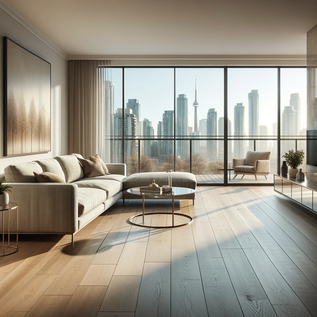
European Hardwood Flooring: A Touch of Elegance
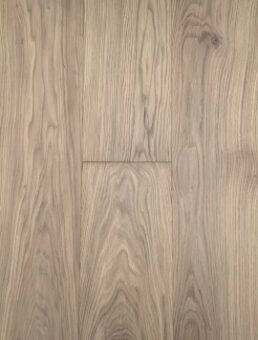 European Engineered Hardwood Flooring Boher | 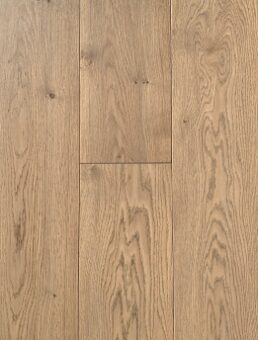 European Engineered Hardwood Flooring Citadella |
European Oak: The Premier Choice
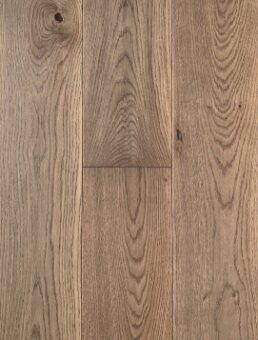 European Engineered Hardwood Flooring Cittanova | 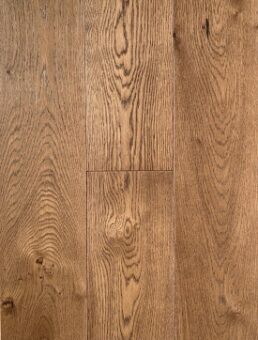 European Engineered Hardwood Flooring Conegliano |
French Oak vs European Oak: Understanding the Difference
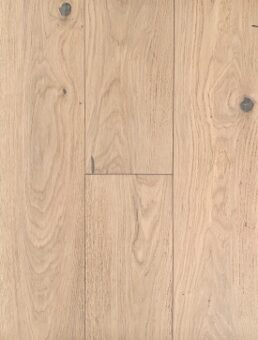 European Engineered Hardwood Flooring Cremona | 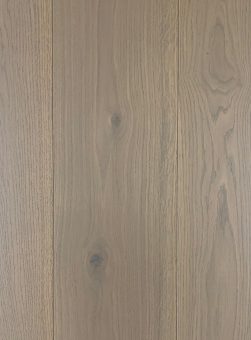 European Engineered Hardwood Flooring Jesolo |
European Oak and White Oak: Are They the Same?
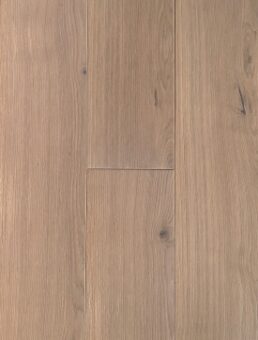 European Engineered Hardwood Flooring Lublin | 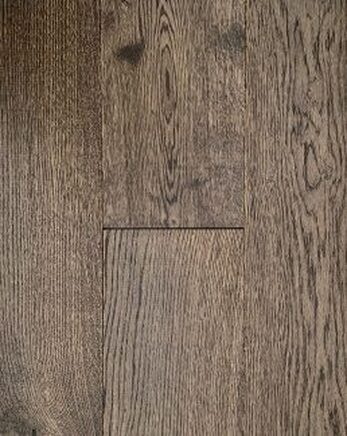 European Engineered Hardwood Flooring Marcon |
Incorporating European Hardwood in Your Toronto Home
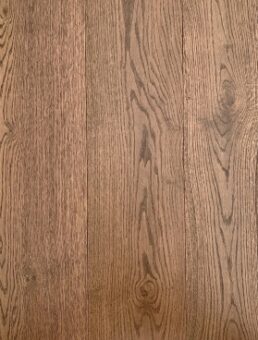 European Engineered Hardwood Flooring Merano | 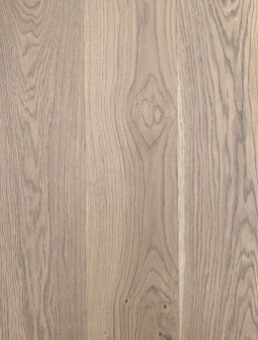 European Engineered Hardwood Flooring Montebeluna |
Installation and Maintenance
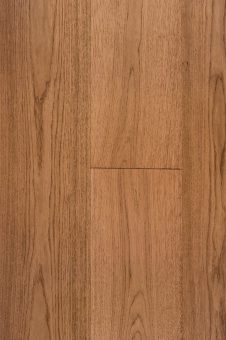 European Engineered Hardwood Flooring Pavia | 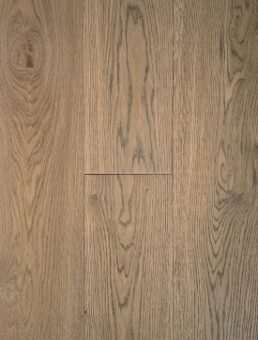 European Engineered Hardwood Flooring ponzano |
Where to Find Quality European Hardwood Flooring in Toronto
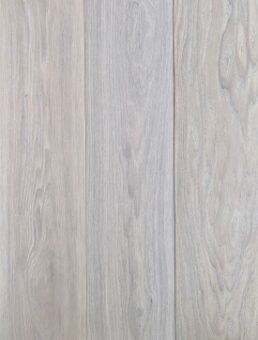 European Engineered Hardwood Flooring roman | 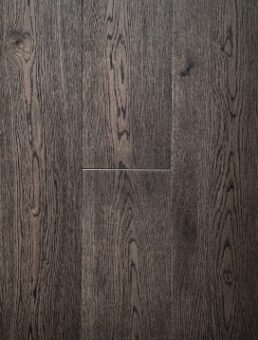 European Engineered Hardwood Flooring trento |
At Parqueteam Hardwood Flooring, we’re here to help you make that vision a reality. With our extensive selection, expert advice, and professional installation services, we ensure your flooring experience is seamless and satisfying. Explore our website to view our range of hardwood flooring options, or visit us in person for a consultation. Let's work together to find the perfect hardwood floor that reflects your style and adds unparalleled beauty to your home.
FAQ Section: Expert Answers to Your Hardwood Flooring Questions
A: Absolutely. European Oak is renowned for its durability and elegant appearance, making it a superb choice for Toronto homes. Its ability to withstand varying climates and heavy foot traffic, while maintaining its aesthetic appeal, sets it apart as a premium flooring option. Learn more about it or other engineered hardwood flooring options in our page
Q: What is the difference between French Oak and European Oak?
A: French Oak typically has a tighter grain and more consistent color, owing to the specific growth conditions in France. It's sought after for its elegance and uniform appearance. European Oak, while also high-quality, offers more color variations and a slightly bolder grain pattern, providing a different aesthetic. Both types of oak have their unique appeal, suitable for various interior designs. For further details, check out our guide on choosing hardwood flooring.
Q: Is European Oak the same as White Oak?
A: No, European Oak and White Oak are not the same. While they share some similarities, such as durability, they differ in color and grain pattern. White Oak generally has a lighter tone and more uniform grain, while European Oak offers richer color variations and a more distinct grain. Each type brings its unique charm and can be chosen based on the specific aesthetic you wish to achieve in your space.
Finding the Best Hardwood Flooring in Toronto: What You Need to Know
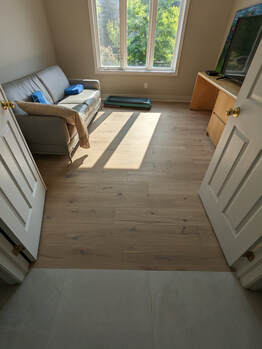 Engineered hardwood flooring installed
Toronto, a city where the choice of hardwood flooring can define the character of your home. As experts in hardwood flooring installation, We've witnessed firsthand how the right flooring choice can transform a space. In this bustling metropolis, the options are plentiful, but finding the best hardwood flooring requires a blend of art and practicality. Whether you're renovating a heritage property or customizing a new build, this guide will provide you with the essential insights to make the best choice for your Toronto home
The Importance of Quality in Hardwood Flooring
Identifying the Best Hardwood Flooring Options
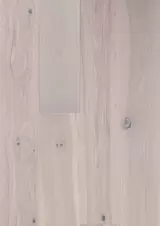 Engineered Hardwood Flooring Hayward | 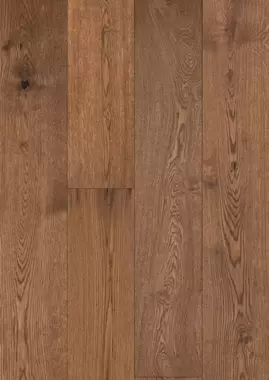 Engineered Hardwood Flooring hudson |
Where to Buy Quality Hardwood Flooring in Toronto
Canada is home to some of the best hardwood flooring manufacturers in the world, known for their commitment to quality and sustainability. These manufacturers often use locally sourced woods, ensuring a lower carbon footprint and support for local industries. Some of the top names in the market include companies that specialize in a range of wood types and offer both traditional and contemporary designs.
Factors to Consider When Choosing Hardwood Flooring
 Engineered Hardwood Flooring Maxine |  Engineered Hardwood Flooring Thatcher |
Installation Considerations for Premium Hardwood Floors
Maintenance Tips for Keeping Your Hardwood Floors Like New
 Engineered Hardwood Flooring Townsend | 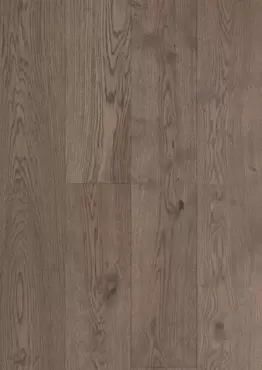 Engineered Hardwood Flooring webster |
Making the Right Choice in Toronto’s Hardwood Flooring Market
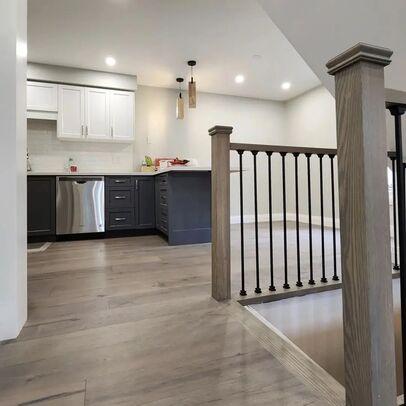 | Navigating through Toronto's hardwood flooring options might seem daunting, but armed with the right information, it becomes an exciting journey to finding the perfect flooring for your home. High-quality hardwood flooring is not just a purchase; it's a long-term investment in the beauty and comfort of your living space. Whether you opt for the classic charm of solid hardwood or the modern versatility of engineered flooring, the key is to focus on quality, sustainability, and a style that resonates with your personal taste and home's character. At Parqueteam Hardwood Flooring, we understand the importance of each step in this journey – from choosing the right wood to professional installation. We take pride in guiding our clients through this process, ensuring that they not only find the best hardwood flooring in Toronto but also enjoy the beauty and durability it brings to their homes for years to come. Remember, the best floors are the ones that you'll love walking on every day. |
FAQ Section: Your Hardwood Flooring Questions Answered
A: The highest quality hardwood flooring is often characterized by its durability, finish, and grain quality. Species like Canadian maple and oak are highly regarded for their longevity and aesthetic appeal.
Q: What is the best grade of hardwood flooring for my home?
A: The best grade often depends on your personal preference and the intended use of the space. Clear or select grades offer uniformity and fewer imperfections, ideal for formal areas. For a more natural look with character, consider lower grades with more knots and color variation.
Q: What is the best hard hardwood flooring for high-traffic areas?
A: For high-traffic areas, hardwoods like hickory or oak are excellent choices due to their hardness and durability. These species can better withstand wear and tear, maintaining their appearance over time.
Q: How much does hardwood flooring typically cost in Toronto?
A: The cost of hardwood flooring in Toronto varies based on the type of wood, installation complexity, and the area's size. On average, prices can range from moderate to high-end, depending on these factors. For a detailed cost analysis specific to Toronto, check out our breakdown on hardwood flooring costs.
Hardwood Flooring Trends in Toronto for 2024
|
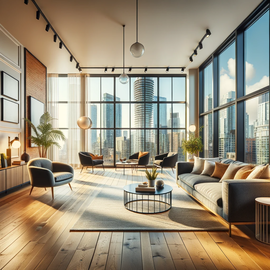
When it comes to home decor, few elements speak volumes like the understated elegance of hardwood flooring. In Toronto, a city that embraces both the warmth of tradition and the pulse of modernity, hardwood floors offer a canvas upon which homeowners paint their lives. At Parqueteam Hardwood Flooring, we've been transforming homes across the Greater Toronto Area with floors that echo the spirit of each household. As we edge closer to 2024, let's unfold the trends that are setting the stage for a new era of interior sophistication.
|
The Pulse of Toronto's Hardwood Flooring Trends
Another trend that's gaining ground is the integration of organic textures. The raw, natural beauty of the grain is being celebrated more than ever, with finishes that highlight rather than hide the wood's innate patterns. This move towards nature-centric design aligns with the city's love for green spaces and sustainability, reflecting the outdoors within the urban home.
The Timeless Appeal of Classic Hues
|
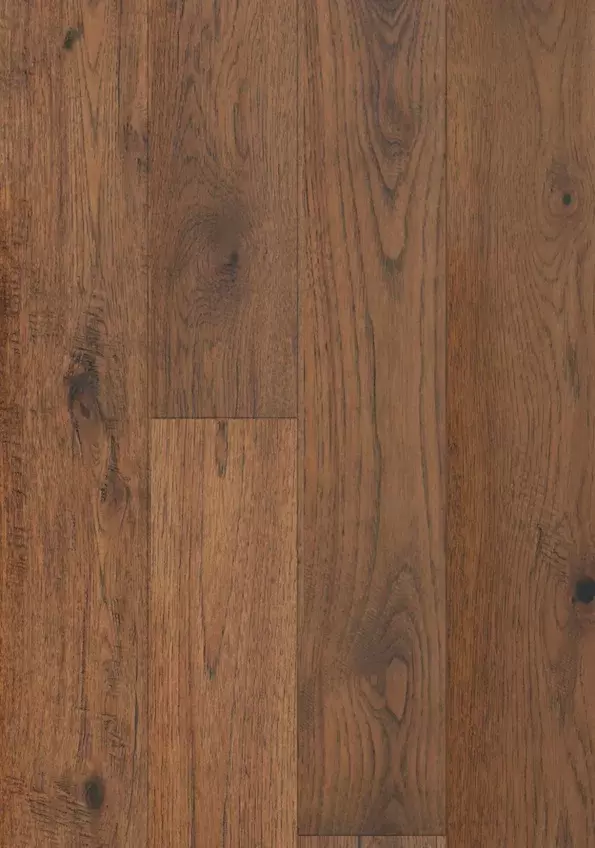
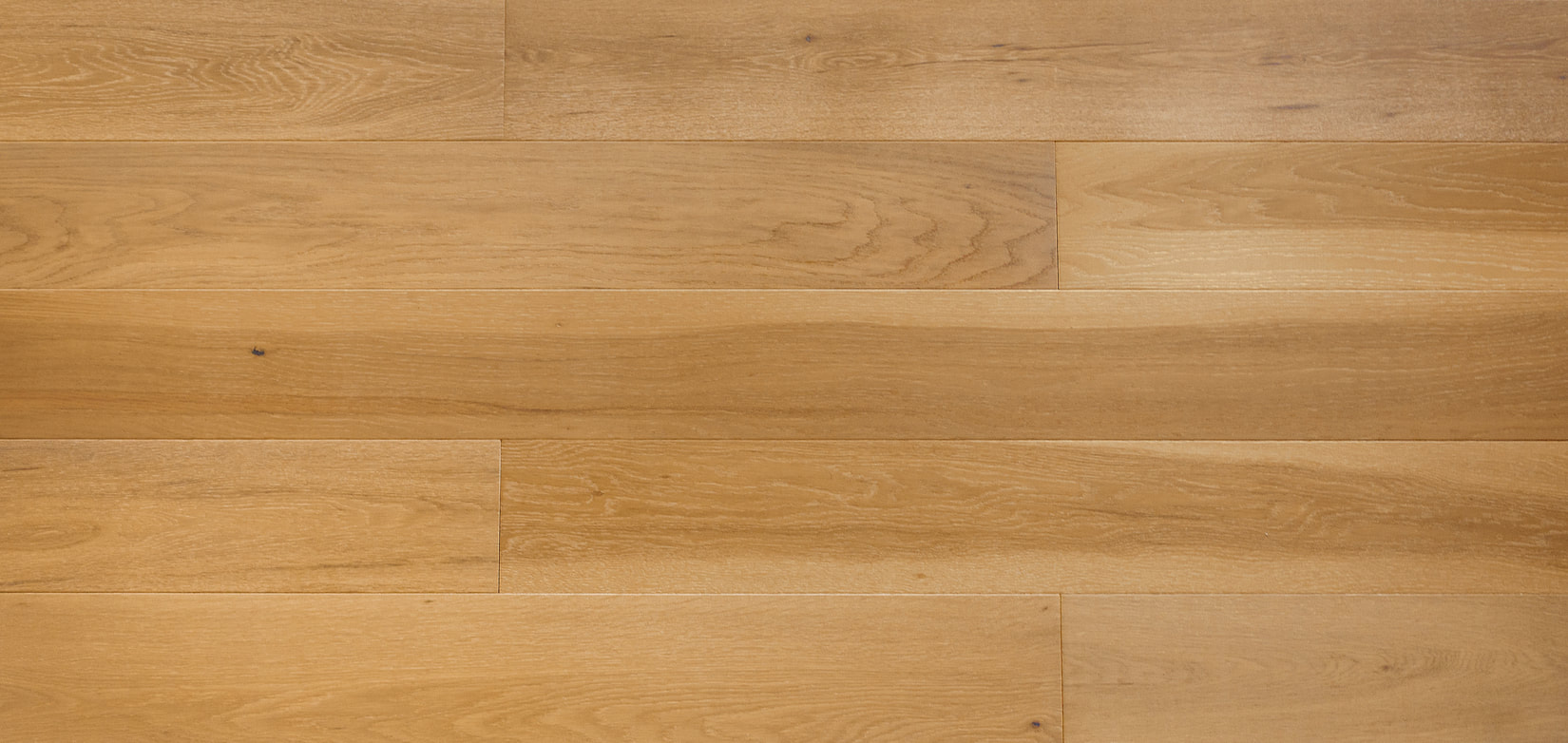
When it comes to color, the timeless hues of hardwood flooring continue to charm Toronto homeowners. The classic brown and honey tones are as popular as ever, offering a warm foundation that complements a wide range of decor schemes. These colors are the chameleons of the flooring world—equally at home in a sleek, modern condo as in a stately Victorian house.
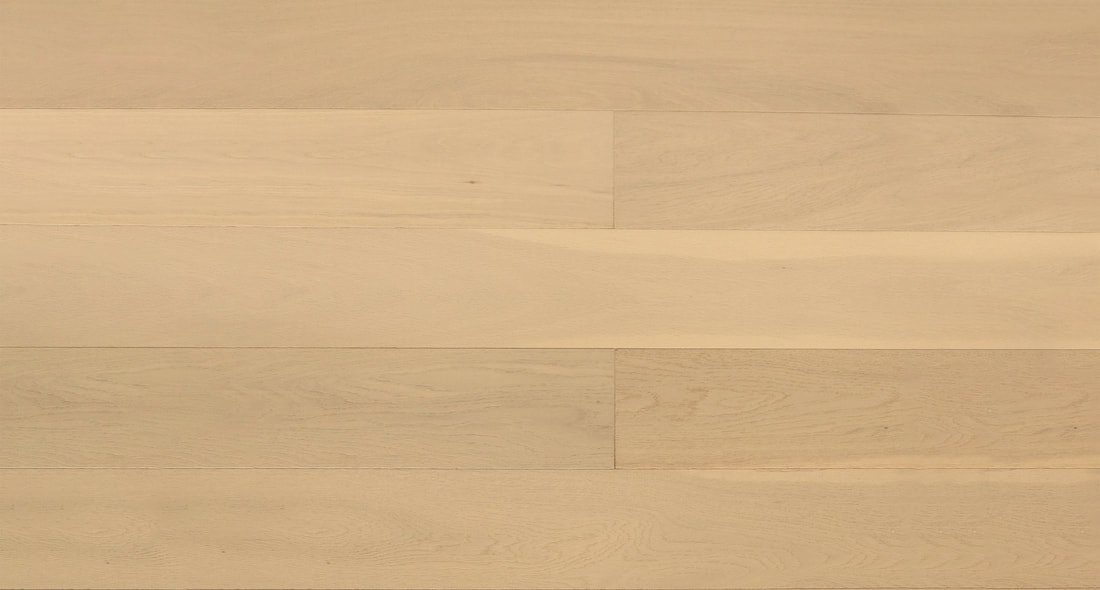
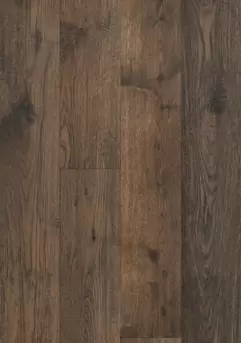
Yet, as we look to the future, we're also seeing a subtle shift towards cooler tones. Greys and lighter, ashy colors are making their way into the Toronto market, bringing with them a fresh and contemporary vibe. These hues reflect the city's urban edge and its forward-thinking design sensibilities. Whether it's the rich patina of aged walnut or the soft wash of bleached oak, the color of hardwood flooring in Toronto is speaking in nuanced tones that promise to remain in vogue for years to come. This is just the beginning of our journey into the flooring trends of tomorrow. Stay tuned for more insights, and in the meantime, explore Parqueteam Hardwood Flooring's portfolio to see how we're paving the way for 2024's trends with today's installations. |
|
Today's Top Choices in Hardwood Flooring
In the realm of contemporary homes, however, another star is rising—engineered hardwood. This innovative option is capturing hearts with its stability and suitability for Toronto's varying climates. It stands up to the challenge of high-moisture areas, making it an excellent choice for installations across the home, from bustling kitchens to tranquil bedrooms.
2024's Forecast: Colors, Patterns, and Finishes


|
As we look ahead, 2024 is set to welcome an evolution in hardwood flooring colors, patterns, and finishes that mirror the city's dynamic spirit. The color palette is broadening, with whispers of charcoal and hints of off-white anticipated to trend alongside the classic browns. These contemporary tones offer a minimalist backdrop for a sleek, modern interior design.
Patterns in hardwood flooring are becoming a canvas for personal expression. The resurgence of parquet patterns, such as the intricate herringbone or the stately chevron, adds a layer of sophistication and visual interest to any room. These patterns are a nod to the past, reimagined for the future, and they're perfect for those looking to infuse their spaces with a touch of artistic flair. Finishes in 2024 are expected to range from ultra-matte to satin sheen, moving away from the high gloss of yesteryears. These finishes not only enhance the wood's natural beauty but also offer practical benefits, such as hiding scratches and scuffs, making them ideal for busy Toronto households. |
Engineered Hardwood Flooring: The Toronto Favorite
Engineered hardwood flooring is a testament to the innovation that Torontonians adore. It's an ideal choice for those seeking a sustainable option that doesn't sacrifice the opulence of traditional hardwood. Its ease of installation and variety of available finishes make it a go-to for both new builds and renovations. Not to mention, its compatibility with underfloor heating systems is a cozy addition for those cold Canadian winters.
In the heart of Toronto, where tradition meets transition, engineered hardwood flooring is laying the groundwork for a revolution in home design. It's not just a trend; it's the future of flooring in a city that's always on the move.
Practicality Meets Elegance
|
Toronto's homeowners are not just design enthusiasts but also pragmatists at heart. They seek flooring that withstands the test of time and the rigors of daily life. This pragmatism is steering the 2024 hardwood flooring trends towards options that offer both resilience and easy maintenance without sacrificing aesthetic appeal. The city's flooring preferences are leaning towards wider, longer planks with a strong finish, as they lend an uninterrupted, expansive feel to rooms and require less upkeep than their narrower counterparts.
Moreover, the practicality extends to the installation methods themselves. The shift towards glue-down engineered hardwood flooring reflects a desire for secure and stable floors that handle foot traffic and furniture with grace. This method has found a particular niche in commercial spaces and rental properties within the GTA, where longevity and durability are paramount. |
|
Sustainability: A Growing Trend
Parqueteam Hardwood Flooring is at the forefront of this green movement, offering a selection of responsibly sourced and renewable materials. From bamboo to reclaimed hardwood, these green choices are as durable as they are beautiful. They not only create a warm, inviting space but also contribute to a healthier planet. The trend is clear: Toronto's residents are choosing to walk on floors that help pave the way to a greener future.

|

|
|
Parqueteam Hardwood Flooring stands ready to guide you through these trends with expertise and care, ensuring that your home's foundation is as robust and stylish as the city itself. Whether you're renovating a cherished space or crafting a new one, we invite you to explore our services and join us at the forefront of flooring innovation.
References and Further Reading
- The Ultimate Guide to Hardwood Flooring in Toronto
- Decoding Timeless Colours in Hardwood Flooring
- Engineered vs. Solid Hardwood in Toronto
- Choosing the Best Hardwood Flooring for Your Toronto Home
- Discover the Benefits of Engineered Hardwood Flooring in Toronto
Embrace the future of flooring with the elegance of the past and the innovation of tomorrow. Let's step into 2024 with confidence and style, one plank at a time, with Parqueteam Hardwood Flooring.
FAQ Section
A: Consider your home's architecture, your personal style, and how the space is used. Look for trends that resonate with your aesthetic while offering practical benefits like durability and easy maintenance. Our experts at Parqueteam Hardwood Flooring can guide you through the selection process.
Q: Can hardwood flooring increase my home's value?
A: Absolutely. Hardwood flooring is a coveted feature for many homebuyers. It's known for its durability, ease of maintenance, and timeless appeal. Investing in quality hardwood flooring can significantly boost the value of your property.
Q: Is engineered hardwood flooring durable?
A: Yes, engineered hardwood is designed for longevity. It's constructed with a solid wood top layer supported by additional layers for stability, making it resistant to warping and moisture—ideal for Toronto's climate.
Q: Are there eco-friendly hardwood flooring options available in Toronto?
A: Parqueteam Hardwood Flooring offers a range of eco-friendly options. From sustainably sourced hardwoods to reclaimed wood and bamboo, there are numerous choices for those looking to make an environmentally conscious decision for their flooring.
Q: How do I maintain my hardwood floors to keep them looking new?
A: Regular sweeping or vacuuming to remove dirt and grit, immediate cleaning of spills, and periodic professional hardwood floor cleaning will keep your floors in top condition. Avoid using harsh chemicals and excessive water, which can damage the wood.
Q: Can I install hardwood flooring over radiant heating?
A: Engineered hardwood flooring is often compatible with radiant heating systems due to its dimensional stability. It's important to consult with our specialists to ensure you choose the right product for your underfloor heating setup.
Q: What is the trend in hardwood flooring in 2024?
A: The trend for 2024 is steering towards the natural beauty of hardwood with a practical edge. We're seeing a rise in preferences for wide plank and engineered hardwoods, as well as eco-friendly materials that cater to both aesthetic desires and functional needs of modern living.
Q: What is a timeless color for hardwood floors? A: Timeless colors for hardwood floors are all about the enduring appeal of natural wood tones. The spectrum ranges from the deep, sophisticated walnut to the bright and welcoming blonde oak. These hues have stood the test of time and continue to be favored in Toronto homes for their versatility and lasting appeal.
Q: What is the most popular hardwood flooring today? A: Engineered hardwood currently wears the popularity crown due to its exceptional versatility and adaptability. It's well-suited for Toronto's diverse climate and a variety of interior designs, making it a top choice for homeowners looking for both style and substance in their flooring.
Parqueteam Hardwood Flooring
Hardwood Flooring Toronto and The Greater Toronto Area.
Archives
July 2026
April 2026
December 2025
October 2025
September 2025
August 2025
July 2025
January 2025
December 2024
December 2023
November 2023
October 2023
September 2023
August 2023
June 2023
May 2023
April 2023
July 2018
February 2018
January 2018
December 2017
March 2017
February 2017
January 2017
November 2016
October 2016
May 2016
March 2016
February 2016
January 2016
December 2015
November 2015
October 2015
September 2015
August 2015
July 2015
June 2015
May 2015
April 2015
March 2015
February 2015
January 2015
December 2014
June 2014
May 2014
April 2014
March 2014
Categories
All
Commercial Flooring Tips
Condo Flooring Tips
Engineered Hardwood Flooring Tips
Flooring Cost Guide
Flooring Repair Tips
Glue Down Flooring Tips
Hardwood Flooring Installation Tips
Hardwood Flooring Tips
Hardwood Floor Refinishing Tips
Herringbone Flooring Tips
Laminate Flooring Installation Tips
Laminate Flooring Tips
Stairs Refinishing Tips
Vinyl Flooring Installation Tips
Vinyl Flooring Tips
Vinyl Plank Flooring Tips
 RSS Feed