

Replacing Old Parquet or Carpet Flooring in a Toronto Condo
Many older Toronto condos still have original parquet flooring, old carpet, outdated laminate, or worn vinyl flooring. Over time, these floors can become scratched, loose, stained, uneven, noisy, or simply outdated.
Replacing old condo flooring can completely change the look and value of the unit. It can also make the space easier to clean, more modern, and more attractive for resale or rental. However, condo flooring replacement is different from replacing floors in a house. Most Toronto condos have concrete subfloors, building rules, elevator booking requirements, soundproof underlayment rules, and condo board approval processes. At Parqueteam Hardwood Flooring, we provide condo flooring installation in Toronto for old floor removal, parquet flooring replacement, carpet removal, vinyl flooring, laminate flooring, engineered hardwood flooring, soundproof underlayment, and concrete subfloor preparation. 
Why Many Toronto Condo Floors Need Replacement
Older condo flooring can wear out for many reasons.
Common issues include:
In many older Toronto condos, the existing floor may have been installed years ago over a concrete subfloor. Before new flooring can be installed, the old floor usually needs to be removed and the concrete needs to be checked. Replacing Old Parquet Flooring in a Condo
Old parquet flooring is common in many Toronto condo buildings.
Parquet can last a long time, but older parquet floors may become loose, uneven, yellowed, scratched, or outdated. In some cases, parquet can be refinished, but in many condos it makes more sense to remove it and install a new flooring system. Old parquet may need replacement when:
Removing parquet can be more labour-intensive than removing carpet or floating laminate. The difficulty depends on how the parquet was installed, how strong the adhesive is, and what condition the concrete subfloor is in underneath. After removal, the concrete may need scraping, cleaning, patching, grinding, or leveling before the new floor is installed. 
Replacing Carpet Flooring in a Condo
Old carpet is another common issue in Toronto condos.
Carpet can hold stains, odours, dust, pet smells, and allergens. Many condo owners replace carpet with hard surface flooring because they want a cleaner, more modern, and easier-to-maintain floor. Common carpet replacement options include:
Carpet removal is usually more straightforward than parquet removal, but the subfloor still needs to be checked after the carpet and underpad are removed. There may be:
Once the carpet is removed, the new flooring option must still meet the condo building’s requirements. Can You Install New Flooring Over Old Condo Flooring?
Sometimes homeowners ask if new flooring can be installed over the existing floor.
In many cases, it is better to remove the old flooring first. Installing new flooring over old condo flooring can create problems such as:
Old carpet should almost always be removed before installing new hard surface flooring. Old parquet, laminate, vinyl, or engineered hardwood should usually be removed if it is loose, uneven, damaged, too high, or not suitable as a base for the new floor. The best approach depends on the existing floor, subfloor condition, new flooring product, and condo rules. 
Best Flooring Options After Removing Old Parquet or Carpet
After old parquet or carpet is removed, the most common replacement options are engineered hardwood, vinyl flooring, and laminate flooring.
Each option has a different purpose. Engineered Hardwood Flooring
Engineered hardwood is usually the premium option for Toronto condos.
It is a good choice when the owner wants a real wood floor, better resale appeal, and a higher-end look. Engineered hardwood is more stable than solid hardwood and can work well over concrete when installed with the right method and approved underlayment system. For more details, visit our engineered hardwood flooring Toronto page. Laminate Flooring
Laminate flooring is usually the most budget-friendly replacement option.
It can be a good choice for bedrooms, living rooms, hallways, and dry areas where the goal is to update the condo at a lower cost. Laminate can make an older condo look much cleaner and more modern, but it is not usually the best choice for high-moisture areas. For kitchens, laundry areas, pet-heavy units, or rental condos where spills are more likely, vinyl flooring may be safer. For more details, visit our laminate flooring Toronto page. Vinyl Plank Flooring
Vinyl flooring is one of the most practical replacement options for condos.
It is waterproof, durable, easy to clean, and available in many modern wood-look designs. Vinyl is often a strong option for rental condos, investment units, pet-friendly condos, kitchens, hallways, and high-traffic spaces. Vinyl flooring can be a good choice when the owner wants a durable floor that can handle everyday wear better than laminate. For more details, visit our vinyl flooring Toronto page. Best Replacement Choice by Situation
If you want a premium real wood finish, choose engineered hardwood.
If you want waterproof performance and easy maintenance, choose vinyl flooring. If you want the most affordable update for dry areas, choose laminate flooring. If you are replacing carpet in a rental condo, vinyl flooring is often the most practical choice. If you are replacing old parquet before selling, engineered hardwood may give the strongest resale appeal. If the old floor is uneven or glued down, subfloor preparation will be one of the most important parts of the project. Final Thoughts on Replacing Old Condo Flooring
Replacing old parquet or carpet flooring in a Toronto condo can make the unit look cleaner, newer, and more valuable.
The most important steps are checking the condo rules, removing the old flooring properly, preparing the concrete subfloor, choosing the right underlayment, and installing a flooring product that fits the unit and building requirements. Parqueteam Hardwood Flooring helps Toronto condo owners replace old parquet, carpet, laminate, vinyl, and engineered hardwood with modern flooring options such as engineered hardwood, vinyl flooring, and laminate flooring. For help with condo flooring replacement in Toronto, contact Parqueteam Hardwood Flooring for a free quote. 
Replacing Old Condo Flooring FAQ
Can old parquet flooring be replaced in a Toronto condo?
Yes, old parquet flooring can often be removed and replaced with engineered hardwood, vinyl flooring, or laminate flooring. The process depends on how the parquet was installed, how strong the adhesive is, and the condition of the concrete subfloor underneath. Can carpet be replaced with hard flooring in a condo? Yes, carpet can often be replaced with engineered hardwood, vinyl, or laminate flooring, but condo building rules should be checked first. Many buildings require acoustic underlayment when carpet is replaced with hard surface flooring. Is it better to remove old condo flooring before installing new flooring? Yes. Removing old flooring helps avoid height problems, uneven surfaces, poor transitions, movement, trapped moisture, and installation issues. Old carpet should always be removed before installing new hard surface flooring. Can new flooring be installed over old parquet? Sometimes it may be possible, but it is usually better to remove old parquet if it is loose, uneven, damaged, too high, or poorly bonded to the concrete. Installing over bad parquet can cause movement, noise, gaps, or failure in the new floor. Why is old parquet hard to remove? Old parquet can be difficult to remove because the wood blocks may be strongly glued to the concrete subfloor. After the parquet is removed, old adhesive may still need to be scraped, ground, patched, or cleaned before the new flooring is installed. What is the best flooring to replace old carpet in a condo? Vinyl flooring is often a practical choice after carpet removal because it is waterproof, durable, and easy to maintain. Engineered hardwood is a good premium option, while laminate can be a budget-friendly choice for dry areas such as bedrooms, living rooms, and hallways. What is the best flooring to replace old parquet in a condo? Engineered hardwood is often the best premium replacement for old parquet because it gives a real wood look with better resale appeal. Vinyl flooring is a practical option for durability and moisture resistance, while laminate is usually the most affordable option. Do I need soundproof underlayment after removing carpet? Many condo buildings require soundproof or acoustic underlayment when carpet is replaced with hard surface flooring. Carpet naturally absorbs sound, so replacing it with engineered hardwood, vinyl, or laminate may require an approved underlayment system. Does the concrete subfloor need preparation after removing old flooring? Often, yes. After old parquet, carpet, vinyl, laminate, or engineered hardwood is removed, the concrete may need scraping, cleaning, patching, grinding, or leveling. Proper subfloor preparation helps prevent movement, clicking, gaps, unevenness, and installation failure. How much does it cost to replace old condo flooring? The cost depends on the old flooring type, removal difficulty, new flooring material, installation method, underlayment, concrete subfloor preparation, trims, transitions, furniture, and building access. Carpet removal is usually easier, while glued parquet or tile removal can cost more. Is vinyl flooring good for replacing old condo flooring? Yes, vinyl flooring is a strong option for replacing old condo flooring because it is waterproof, durable, easy to clean, and practical for rental units, pet-friendly condos, kitchens, hallways, and high-traffic areas. Is engineered hardwood good for replacing old parquet? Yes, engineered hardwood can be a good replacement for old parquet if you want a real wood floor with a more modern look. It can work well over concrete when installed with the right method, underlayment, and condo approval. Is laminate flooring good for replacing old condo carpet? Laminate flooring can be a good option for replacing carpet in dry condo areas such as bedrooms, living rooms, and hallways. It is usually more affordable than engineered hardwood, but vinyl may be better where waterproof performance is important. Do I need condo board approval before replacing old flooring? Many Toronto condo buildings require approval before old flooring is removed and replaced. Property management may ask for flooring product details, underlayment specifications, acoustic ratings, contractor insurance, renovation forms, elevator booking, and project dates. How do I prepare for condo flooring replacement? Start by checking the condo building rules, approved flooring types, underlayment requirements, elevator booking process, working hours, and contractor insurance requirements. It also helps to clear small items, confirm furniture moving needs, and send photos of the existing floor before getting a quote.
0 Comments
Laminate Flooring in Toronto – Pros, Cons, and What You Need to Know
Laminate flooring has become an increasingly popular option for homeowners across Toronto, especially those seeking an affordable and stylish alternative to traditional hardwood hardwood floors. From sleek downtown condos to suburban family homes, laminate offers the look of real wood at a fraction of the cost—without sacrificing too much in performance.
But is laminate flooring the right choice for your Toronto home? 
What is Laminate Flooring?
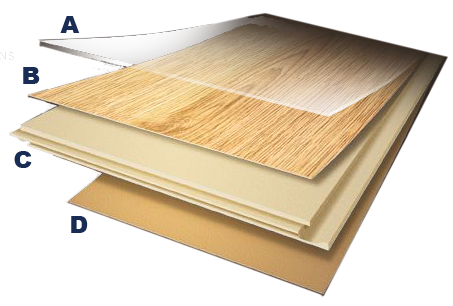
Laminate flooring is a multi-layered synthetic flooring product designed to mimic the appearance of natural materials like hardwood flooring, stone, or tile. It typically consists of four layers:
Most modern laminate flooring in Toronto comes in click-lock planks that float over the subfloor—no glue or nails required. Thickness usually ranges from 10mm to 12mm, and it’s rated using an AC rating system (Abrasion Criteria) from AC1 (light use) to AC5 (heavy commercial). While it doesn’t have the same natural value as hardwood or the waterproof edge of vinyl, laminate has come a long way in terms of quality, performance, and aesthetics—making it a strong contender for Toronto homeowners. Pros of Laminate Flooring in Toronto Homes
Laminate flooring offers several advantages, especially for homeowners looking for a balance between style, performance, and budget. Here's why many Toronto residents are choosing laminate:
1. Affordable Alternative to Hardwood Laminate costs significantly less than solid or engineered hardwood flooring—both in terms of materials and installation. This makes it ideal for budget-conscious renovations or rental properties. 2. Realistic Wood Look Modern laminate floors are designed with high-definition printing and textured surfaces, closely mimicking the appearance and feel of natural hardwood. You’ll find options that replicate oak, walnut, maple, and even exotic wood grains. 3. Durability & Scratch Resistance Thanks to the tough wear layer, laminate is highly resistant to scratches, dents, and general wear, making it a great option for homes with pets, children, or high foot traffic. 4. Low Maintenance Laminate floors are easy to clean—just sweep or vacuum regularly and mop with a damp cloth. There’s no need for special cleaners or refinishing over time. 5. Easy Installation Most laminate flooring comes with a click-lock system, allowing for fast and simple floating installations. This also reduces labour costs compared to glue-down hardwood flooring. 6. Moisture Resistance (in Certain Areas) While laminate isn’t waterproof, many AC4 or AC5-rated laminates are made to handle moderate moisture—making them suitable for basement floors, condos, and main living areas, especially when paired with the right underlayment. 7. Wide Selection of Styles Laminate is available in a wide range of colours, widths, textures, and finishes, allowing homeowners to achieve virtually any design vision—from rustic farmhouse to modern minimalist. Cons of Laminate Flooring in Toronto Homes
While laminate flooring offers many benefits, it’s important to understand its limitations—especially in a climate like Toronto’s, where seasons and moisture levels can fluctuate.
1. Not Waterproof Most laminate floors, unlike vinyl plank flooring, are not fully waterproof, and prolonged exposure to moisture can cause swelling, warping, or separation between planks. This makes laminate a less suitable choice for kitchens, bathrooms, or laundry rooms. 2. Can’t Be Refinished Unlike hardwood flooring, laminate cannot be sanded or refinished. If it gets damaged or worn over time, the only solution is to replace the affected planks or the entire floor. 3. Feels Less Authentic Despite improvements in texture and design, laminate still doesn’t fully replicate the sound, warmth, or underfoot feel of real wood. Some homeowners describe it as feeling more hollow or synthetic. 4. Sensitive to Subfloor Imperfections Laminate flooring requires a flat, smooth subfloor. If there are bumps, dips, or uneven surfaces, the floating planks may creak, shift, or wear unevenly over time. 5. May Decrease Home Value Slightly Compared to Hardwood While laminate is attractive and functional, it generally doesn’t carry the same perceived value as engineered hardwood floors or solid hardwood. For resale purposes, hardwood is still the gold standard in many Toronto neighborhoods. 
Where Does Laminate Flooring Work Best in Toronto Homes?
Laminate flooring isn’t ideal for every room, but when installed strategically, it can offer both beauty and performance in a wide range of Toronto living spaces.
Living Rooms & Bedrooms Laminate is perfect for dry, low-moisture spaces like living rooms and bedrooms. Its affordability and attractive wood-look designs make it a popular choice for larger areas where installing hardwood might be too expensive. Basement Apartments or Secondary Suites In Toronto’s tight housing market, many homeowners convert basements into rental units or living space. Laminate can be a cost-effective and stylish flooring option—provided a proper vapor barrier and underlayment are used to manage moisture. Condos with Concrete Subfloors Floating laminate floors are good for condo floors. Laminate offers a good balance of performance and cost, and most condo boards allow it with soundproofing underlayment. Homes with Kids or Pets Laminate flooring is highly scratch-resistant, making it a practical option for households with active children or pets. It resists dents and daily wear better than some hardwood floors. Areas to Avoid Avoid using laminate flooring in bathrooms, laundry rooms, or entryways where frequent water spills or humidity are a concern. While water-resistant options exist, they still fall short of full waterproof protection like vinyl flooring offers. Our Recommendation: Should You Choose Laminate Flooring in Toronto?
Laminate flooring can be an excellent option for many Toronto homeowners—but only when chosen with care and installed in the right context.
When Laminate Flooring Is a Smart Choice
When to Think Twice
Pro Tip from a Toronto Flooring Contractor: Not all laminate is created equal. For the best results in Toronto homes, choose at least AC4 or AC5 rated laminate, preferably 10mm or thicker, and always use a high-quality underlayment to improve comfort and soundproofing. 
Frequently Asked Questions
Q: Is laminate flooring good for Toronto’s climate?
A: Yes, laminate flooring performs well in Toronto’s four-season climate—especially in temperature-controlled environments. Just avoid installing it in areas with high humidity or risk of water exposure. Q: Can laminate flooring increase my home's value? A: While laminate can enhance aesthetics, it generally doesn’t add as much resale value as hardwood. However, high-quality laminate in good condition is still attractive to many buyers, especially in entry-level and mid-range homes. Q: Is laminate flooring waterproof? A: No, most laminate flooring is water-resistant—not waterproof. Spills should be cleaned promptly to prevent swelling. Some newer options offer better moisture resistance, but for fully waterproof flooring, vinyl is a better choice. Q: How long does laminate flooring typically last? A: With proper installation and care, laminate flooring can last 10–20 years or more. Choosing a higher AC rating (AC4 or AC5) and maintaining it properly will maximize longevity. Q: Is laminate flooring a good option for condos in Toronto? A: Yes, laminate is a popular choice in Toronto condos due to its affordability, appearance, and ease of maintenance. Be sure to check your condo board’s soundproofing requirements and use an appropriate underlayment. Q: Can laminate flooring be refinished? A: No, unlike hardwood, laminate flooring cannot be sanded or refinished. Once it wears out or is damaged, it must be replaced. Q: Does laminate flooring require underlayment? A: Yes, laminate flooring installation always requires to have underlay put first, specially in condos where there are specific sound rating requirements (varies between each condo) Is Laminate Flooring Good for Toronto Homes? Pros and Cons
Laminate flooring continues to be one of the most popular choices among Toronto homeowners looking for a stylish, cost-effective, and easy-to-maintain flooring solution. Known for its ability to mimic the look of hardwood at a fraction of the cost, laminate has made its way into homes, condos, and rental units across the city.
But is laminate flooring really a good fit for the unique conditions and needs of Toronto homes? 
What Is Laminate Flooring?
Laminate flooring is a synthetic flooring product composed of multiple layers fused together through a lamination process. It typically consists of:
Most laminate flooring is installed using a click-lock floating method, which means the planks snap together without the need for glue or nails and float over the subfloor. Common thicknesses range from 10mm to 12mm, and durability is rated using the AC rating system:
Toronto homeowners appreciate laminate flooring for its affordability and visual appeal, especially when installed in spaces where durability and budget are key priorities. Pros of Laminate Flooring in Toronto Homes
Laminate flooring offers several compelling advantages for homeowners in Toronto:
Cons of Laminate Flooring in Toronto Homes
While laminate flooring has many advantages, it’s important to consider its limitations as well:

Is Laminate Flooring Suitable for Toronto’s Climate?
Toronto experiences hot, humid summers and cold, dry winters—posing challenges for many types of flooring. Laminate flooring, being made of high-density fiberboard (HDF) with a photographic top layer and protective coating, reacts to these conditions differently than solid wood or vinyl.
Here’s how laminate performs in Toronto’s climate:
Should You Choose Laminate Flooring for Your Toronto Home?
Laminate flooring can be an excellent choice for homeowners in Toronto—but like any flooring material, it depends on your specific needs, preferences, and space.
When Laminate Flooring Makes Sense:

Frequently Asked Questions
Is laminate flooring waterproof?
Most standard laminate flooring is water-resistant, not waterproof. It can handle occasional spills if cleaned promptly but isn’t ideal for high-moisture areas like bathrooms or laundry rooms. If waterproofing is a priority, consider vinyl plank flooring. Does laminate flooring increase home value? While laminate doesn’t add as much value as hardwood, high-quality laminate can improve your home’s aesthetics and appeal to budget-conscious buyers. It’s a practical upgrade, especially in rental units or starter homes. How long does laminate flooring last in Toronto homes? With proper care and installation, laminate flooring can last 10–25 years, depending on quality and usage. Look for laminate with an AC4 or AC5 rating for maximum durability in high-traffic areas. Can laminate be installed over radiant heating? Yes, many laminate products are compatible with radiant heating systems. Just make sure to choose a product approved by the manufacturer for this use, and always follow recommended installation guidelines. Is laminate flooring a good option for basement floors in Toronto? Laminate can work in basements if moisture levels are controlled. It's crucial to use the right underlayment with a vapor barrier and avoid areas prone to flooding. In very humid spaces, vinyl plank might be a safer option. What’s the best AC rating for laminate flooring in Toronto homes? For most Toronto homes, AC4 or AC5-rated laminate flooring is ideal. These ratings indicate the floor's durability and are suitable for residential and even light commercial use. Laminate Flooring Cost in Toronto 2026
Updated June 2026
Laminate flooring in Toronto usually costs between $4.50 and $8.50+ per square foot installed, depending on the laminate product, underlayment, installation layout, subfloor condition, old flooring removal, trims, and whether the project is for a condo, basement, rental property, or main living area. For many Toronto projects, laminate flooring material costs around $2.49 to $4.99 per square foot, while standard straight-lay installation usually costs around $1.50 to $2.50 per square foot. Extra costs such as underlayment, baseboards, shoe moulding, old floor removal, furniture moving, and transitions can increase the final quote. At Parqueteam Hardwood Flooring, we provide laminate flooring installation in Toronto for condos, homes, basements, rental properties, and renovation projects. Laminate flooring is popular because it offers a clean wood-look finish at a lower cost than hardwood. It is a practical option for homeowners who want an affordable, durable, and easy-to-maintain floor. 
Average Cost of Laminate Flooring in Toronto (Per Square Foot)
In Toronto, the average material cost for laminate flooring ranges from $2.49 to $3.99 per square foot, depending on the brand, thickness, and finish. High-quality laminate products with water-resistant cores or enhanced textures tend to fall on the higher end of that range.
For laminate flooring installation, expect to pay between $1.50 and $2.50 per square foot for a standard, straight-lay layout. This price typically includes labour for laying down the flooring over an existing level subfloor, assuming minimal complications. However, this is just the starting point. Additional elements such as underlayment, baseboards, or old flooring removal will affect your final bill — which we’ll break down in the next sections. Key Factors That Affect Total Cost
While material and basic installation costs are a good starting point, the true cost of laminate flooring in Toronto depends on several project-specific factors. Here’s a breakdown of what can significantly increase — or occasionally reduce — your final budget:
Removal of Old Flooring If your existing floors need to be removed (carpet, tile, hardwood, etc.), expect to pay:
Underlayment Most laminate floors need an underlayment to reduce noise, improve insulation, and prevent moisture damage:
Baseboards or Shoe Moulding Trims are essential to cover gaps along the wall:
Furniture Moving & Miscellaneous Costs If your home isn’t empty during installation:

Complete Cost Breakdown for a Typical Toronto Home Project
To give you a clearer idea of what to expect, let’s break down a sample budget for a 500 sq ft living area in a typical Toronto home or condo. These are average costs and can vary depending on the materials and services you choose.
Base Costs (500 sq ft project)
Additional Costs
Estimated Grand Total Range Low-End Estimate: $3,800 – $4,500 Mid-Range Estimate: $4,500 – $5,500 High-End Estimate (Premium materials & extras): $5,500 – $6,500+ This range reflects real-life Toronto laminate flooring projects and includes all the potential extras that homeowners may overlook. Tips to Save on Laminate Flooring Installation in Toronto
While quality flooring is worth the investment, there are smart ways to reduce your overall project cost without compromising results. Here are some practical tips:
Choose Mid-Range Materials Wisely While ultra-cheap laminate can look appealing on paper, it often lacks durability and style. Many reputable brands offer mid-range laminates that provide the perfect balance of cost, durability, and appearance—especially important in high-traffic Toronto homes. Tip: Look for AC4 or AC5 rated laminates with a realistic wood-look finish. Stick With a Straight-Lay Installation Laminate is typically installed as a floating floor, and straight installations are faster and more affordable. While herringbone floor or diagonal patterns look great, they require more cuts, time, and labor—adding hundreds to your total. Move Furniture Yourself If you're physically able and have the space, moving furniture beforehand can easily save you $100–$300 in labor charges. Keep Existing Baseboards (If Possible) If your current baseboards are in decent shape, consider leaving them in place and adding shoe moulding instead. This can reduce carpentry costs and still result in a clean, finished look. Is Laminate Flooring Worth the Cost Compared to Other Options?
Laminate flooring remains one of the most cost-effective and stylish options for Toronto homeowners. But how does it really stack up against other common choices like vinyl flooring, engineered hardwood floor, or solid hardwood?
Laminate vs. Vinyl Flooring
Laminate vs. Engineered Hardwood Flooring
Laminate vs. Solid Hardwood
Bottom Line: Laminate flooring cost in Toronto depends on material quality, installation labour, underlayment, old flooring removal, subfloor condition, trims, transitions, and property type. As a general guide, laminate flooring material usually costs $2.49 to $4.99 per square foot, while straight-lay installation usually costs $1.50 to $2.50 per square foot. With underlayment and common extras, many installed laminate flooring projects fall around $4.50 to $8.50+ per square foot. For condo floors, basements, rental properties, and budget-conscious renovations, laminate flooring can be a practical and affordable way to refresh the space. For an accurate quote, contact Parqueteam Hardwood Flooring and send photos of the space, approximate square footage, the type of property, and whether old flooring needs to be removed. 
Frequently Asked Questions (FAQ)
How much does laminate flooring cost in Toronto?
Laminate flooring in Toronto usually costs around $4.50 to $8.50+ per square foot installed, depending on the laminate product, underlayment, subfloor condition, old flooring removal, layout, trims, and project size. Material alone usually costs around $2.49 to $4.99 per square foot, while standard installation often costs around $1.50 to $2.50 per square foot. How much does laminate flooring material cost? Laminate flooring material usually costs around $2.49 to $4.99 per square foot in Toronto. The final price depends on thickness, AC rating, water resistance, texture, colour, locking system, attached underlayment, brand, and overall product quality. How much does laminate flooring installation cost? Standard laminate flooring installation usually costs around $1.50 to $2.50 per square foot for a straight floating installation. The cost can increase if the project includes many small rooms, closets, hallways, angled cuts, furniture moving, subfloor issues, baseboards, or extra transitions. Is laminate flooring cheaper than vinyl plank flooring? Laminate flooring can sometimes be cheaper than vinyl plank flooring, especially for material cost. However, vinyl plank is usually better for moisture-prone areas such as basements, kitchens, laundry areas, commercial spaces, and high-traffic rentals. Laminate can be a good budget-friendly choice for bedrooms, living rooms, condos, and dry areas. Is laminate flooring cheaper than engineered hardwood? Yes, laminate flooring is usually much cheaper than engineered hardwood. Laminate has a wood-look surface, while engineered hardwood has a real wood veneer. Laminate is often chosen for budget-conscious renovations, rental properties, and faster flooring updates. Engineered hardwood is usually better when real wood, resale value, and a more premium finish are priorities. Is laminate flooring good for condos? Yes, laminate flooring can be a good option for Toronto condos if the building allows it and the correct underlayment is used. Condo laminate projects may require acoustic underlayment, elevator booking, condo board approval, concrete subfloor preparation, and careful scheduling around building rules. Is laminate flooring good for basements? Laminate can be used in some basements, but the product and underlayment must be chosen carefully. If moisture is a concern, vinyl plank flooring is usually the safer option. For basement laminate installation, the concrete subfloor should be checked for flatness and moisture before the floor is installed. What is waterproof laminate flooring? Waterproof laminate flooring is designed to handle spills and moisture better than regular laminate. It can be a good option for busy homes, condos, and areas where water resistance is important. However, waterproof laminate is not always the same as vinyl plank, and it still needs to be installed properly with the right underlayment and expansion gaps. What extra costs should I expect with laminate flooring? Extra costs may include old flooring removal, disposal, underlayment, subfloor leveling, concrete patching, baseboards, shoe moulding, quarter round, transitions, reducers, stair nosings, door trimming, furniture moving, and appliance moving. Not every project needs these extras, but they can affect the final quote. How much does old flooring removal cost before laminate installation? Old flooring removal usually costs around $0.50 to $1.50+ per square foot, depending on the type of flooring and how difficult it is to remove. Carpet and floating laminate are usually easier to remove, while tile, glue-down flooring, old adhesive, or multiple flooring layers can cost more. Does laminate flooring need underlayment? Most laminate flooring needs underlayment. Underlayment can help with sound reduction, comfort, moisture protection, and minor subfloor imperfections. In condos, acoustic underlayment may be required by the building. Some laminate products come with attached underlayment, but the right setup depends on the product, subfloor, and property rules. How long does laminate flooring installation take? Most laminate flooring installation projects take 1 to 3 days, depending on the size, layout, old flooring removal, underlayment, trims, and subfloor preparation. A small open area may be completed quickly, while a condo, basement, or multi-room project with removal and trims can take longer. Is laminate flooring worth it? Laminate flooring is often worth it if you want an affordable, clean-looking floor for dry areas such as bedrooms, living rooms, hallways, condos, or rental properties. It is more budget-friendly than hardwood and engineered hardwood, but it is not always the best choice for high-moisture areas where vinyl plank may perform better. How do I get an accurate laminate flooring quote? The best way to get an accurate quote is to send photos of the space, approximate square footage, the type of property, and details about the existing floor. It also helps to mention whether old flooring needs removal, whether the project is a condo or basement, whether underlayment is required, and whether you want baseboards, shoe moulding, or transitions included.
|


 |  |
Frequently Asked Questions
Yes—if your budget allows it, hardwood flooring is a long-term investment that can last decades, increase home value, and be refinished multiple times. It’s especially worth it for homeowners planning to stay in their homes long-term or for luxury renovations.
Is laminate flooring really that much more durable than hardwood?
Laminate is more resistant to surface-level scratches, dents, and wear due to its tough protective layer—especially useful for households with pets or children. However, it's not repairable like hardwood and doesn’t age as gracefully.
Which is better for resale value—laminate or hardwood?
Hardwood flooring generally increases home resale value more than laminate. Real estate agents and buyers in Toronto often consider hardwood a premium upgrade, especially in higher-end neighborhoods or homes.
Can I install hardwood flooring in a basement?
We don’t recommend solid hardwood for basement flooring due to moisture risks. Engineered hardwood or laminate are better options as they are more dimensionally stable and resistant to humidity—important in many Toronto basements.
What’s better for a condo flooring—laminate or engineered hardwood?
Many Toronto condos require specific underlayments or limit noise transfer. Engineered hardwood (click or glue-down) is often approved by condo boards and offers a higher-end finish compared to laminate, though laminate can be used if cost is a major concern.
Are Vinyl Plank Floors Better Than Laminate Floors?
The answer depends on your needs — especially considering Toronto’s changing seasons, condo regulations, and potential moisture exposure in basements, kitchens, or bathrooms.
In this guide, we’ll break down the differences between vinyl plank and laminate flooring, covering everything from durability and water resistance to cost and comfort, so you can make an informed decision that fits your space.

What Are Vinyl Plank & Laminate Flooring?
Vinyl Plank Flooring (LVP/LVT)
It’s popular for:
- Kitchens and bathrooms (thanks to its waterproof nature)
- Condo floors and basements (due to low thickness and easy installation)
- Commercial flooring (for durability and ease of replacement)
Laminate Flooring
It’s ideal for:
- Bedrooms, living rooms, and dry spaces
- Homes where budget and visual appeal are priorities
- Areas where high scratch resistance is important
Vinyl Flooring vs. Laminate Flooring: Key Comparison Points for Toronto Homes
Water Resistance
Vinyl plank flooring is fully waterproof, making it an ideal choice for moisture-prone areas like basements, kitchens, and bathrooms. Laminate flooring, on the other hand, is only water-resistant — meaning it can handle minor spills but may swell or warp with prolonged exposure to water.
Durability
Both flooring types are designed for high traffic, but vinyl plank (especially SPC or glue-down commercial-grade vinyl) tends to be more resistant to dents, scratches, and daily wear and tear. Laminate is durable as well but may show scratches more easily and isn't as impact-resistant as vinyl.
Comfort and Feel Underfoot
Laminate floors often feel harder underfoot, though they can mimic the warmth and texture of natural wood more closely. Vinyl plank flooring offers a softer and slightly more cushioned feel, especially with WPC or attached underpad options, which makes it more comfortable to walk on for long periods.
Noise and Acoustics
Without proper underlay, laminate floors can sound hollow or loud when walked on. Vinyl tends to be quieter, especially click vinyl with built-in underlayment or glue-down types that bond directly to the subfloor — a key advantage in Toronto condos where noise transfer is a concern.
Appearance and Style
Laminate flooring often offers a more authentic wood-like appearance with deep textures and embossing. However, luxury vinyl planks have significantly improved in design and now offer highly realistic visuals, including wood, stone, and tile looks.
Installation and Cost
Both are considered DIY-friendly, but vinyl plank flooring comes in more flexible formats: click-lock, glue-down, and loose lay. Laminate is mostly click-lock. In terms of cost, laminate is usually slightly cheaper per square foot, but vinyl’s water resistance and long-term durability can offer better value over time — especially in areas prone to moisture.

Which One Fits Best in Toronto Homes & Condos
Toronto's Climate Consideration:
- Vinyl Plank Flooring: Completely waterproof and resistant to humidity fluctuations. Great for Toronto’s seasonal temperature swings, especially for basement floors and condos where moisture can be a concern.
- Laminate Flooring: Performs well in dry, temperature-controlled spaces but may not fare as well in areas prone to moisture or spills, like kitchens or basements.
- Both vinyl flooring and laminate flooring are good options for condo living, but vinyl flooring would have a bit of an advantage in terms of its nature being waterproof, as condos in Toronto tend to have a lot of water damage cases, which would give vinyl floors a slight advantage over laminate floors.
- In homes, both materials work well — but vinyl flooring is superior for below-grade installations (like basements).
- Laminate floors shine in living rooms and bedrooms where aesthetics and underfoot feel matter more than moisture resistance.
- Vinyl’s durability to scratches, spills, and noise makes it ideal for homes with kids and pets.
- Laminate flooring is scratch-durable too, but less forgiving with spills or pet accidents if not cleaned quickly.
Common Misconceptions & Trade-offs
Misconception 1: Laminate is always cheaper than vinyl.
- Reality: While entry-level laminate tends to be more affordable, higher-end laminate can be more expensive than mid-range luxury vinyl plank (LVP).
- Trade-off: Laminate may offer a more wood-like texture, but you lose waterproofing and flexibility in where it can be installed.
Misconception 2: All vinyl is the same.
- Reality: There are major differences between click vinyl, glue-down vinyl, WPC (wood plastic composite), and SPC (stone plastic composite) vinyl. Durability, comfort, and sound insulation vary widely.
- Trade-off: Click vinyl is easier to install but may not last as long in high-traffic commercial settings compared to glue-down options.
Misconception 3: Laminate can’t handle wear and tear.
- Reality: Modern AC-rated laminate flooring (AC4 or AC5) is very scratch-durable, especially against pet nails and dragging furniture.
- Trade-off: However, it’s still vulnerable to water damage if exposed too long — making it less ideal for bathrooms or kitchens.
Misconception 4: Vinyl feels cheap underfoot.
- Reality: Today’s vinyl plank flooring includes options with thicker cores, attached underpads, and textured finishes, offering a surprisingly comfortable and natural feel.
- Trade-off: These premium features come at a higher price point, which can narrow the cost gap with laminate.

Recommendations by Use-Case
Condo Living (Downtown or High-Rise Units)
Recommended: Both Laminate Floor and Click Vinyl Plank Flooring
- Why: Both floors work perfectly fine for condos, though vinyl plank flooring have a slight edge over laminate floors due to its water proof nature.
- Bonus: Easy to install and ideal for condo boards that restrict glue-down methods.
Bathrooms & Laundry Rooms
Recommended: Glue-Down or Click Vinyl Plank Flooring
- Why: These areas demand 100% waterproof flooring. Vinyl (especially glue-down types) offers superior moisture resistance compared to laminate.
- Avoid: Laminate, as even water-resistant models are prone to swelling with prolonged exposure to moisture.
Family Rooms & Bedrooms
Recommended:Laminate Flooring (AC4/AC5-rated)
- Why: Laminate floor offers a warmer, more natural wood feel and is very scratch-resistant — great for kids and pets.
- Note: If your home is prone to spills, vinyl floor might be safer, but laminate flooring offers better comfort and texture underfoot.
Basements & Lower Levels
Recommended: Glue-Down or Click Vinyl Plank Flooring
- Why: Basements in Toronto can be humid or even slightly damp. Vinyl handles moisture far better than laminate and won’t expand or contract.
- Tip: For uneven subfloors, glue-down vinyl plank flooring option is highly reccomended.
Rental Units or Investment Properties
Recommended: Vinyl Plank Flooring (Click or Glue-Down)
- Why: Durable, waterproof, and easy to maintain — reducing tenant-related flooring issues. Vinyl is also, glue-down vinyl plank flooring is easier to repair or replace in damaged sections.
- Consider: Glue-down for commercial or multi-unit rental buildings; click is a good option for small units or temporarily rentals.

FAQs – Vinyl Plank vs. Laminate Flooring in Toronto
Yes, especially when it comes to moisture resistance and wear in high-traffic areas. Vinyl plank is waterproof, while laminate can swell if exposed to water.
Which is more affordable: vinyl or laminate?
Laminate flooring is generally more affordable per square foot, especially for mid-range options. However, vinyl's longer lifespan and lower maintenance may offer better long-term value.
Does vinyl floor or laminate floor look more like real wood?
Laminate typically has a more realistic wood texture and appearance, especially in premium styles. Vinyl has improved, but still often has a slightly more synthetic look, depending on the brand.
Can I install vinyl or laminate flooring in a condo?
Yes, but always check with your condo board. Click vinyl is often preferred due to its waterproof nature.
Which is easier to install: laminate or vinyl plank?
Click versions of both are DIY-friendly. Vinyl is slightly more forgiving for uneven subfloors, while laminate offers tighter locking mechanisms.
Which flooring is quieter underfoot?
Both lamiante floors and vinyl planks floors have similar undefoot quietness, specially when a proper underlayment is used (or attached already by manufacturer).
How Much Does It Cost to Install Laminate Flooring in Toronto?
Understanding the Costs of Laminate Flooring in Toronto

Laminate Flooring Material Cost in Toronto
- Budget Options: $0.99 - $2.99 per square foot. Perfect for basic needs and low-traffic areas.
- Mid-Range Options: $2.99–$4.29 per square foot. Offers better durability and more design choices.
- Premium Options: $4.29 and above per square foot. High-end designs with enhanced features like water resistance and thicker planks.
Labour And Installation Cost in Toronto
- $1.50 - $2.50 per square foot for straightforward installations.
- Higher rates for complex layouts, such as angled cuts, or custom patterns such as herringbone flooring

Hidden Cost of Laminate Flooring Installation in Toronto
- Underlayment: Necessary for noise reduction and moisture resistance, costing between $0.40–$1.00 per square foot. Keep in mind, some underlays might cost even more, depends on requirements for sound insulation (such as condos)
- Subfloor Repairs: Damaged or uneven subfloors may need patching, adding to your project cost.
- Old Flooring Removal: If you need existing flooring removed, expect an additional $0.70–$2.50 per square foot.
- Trim and Molding Replacement: New baseboards or trim pieces may be required, with costs varying by material and style.
- Furniture Moving: If your space is furnished, some installers charge extra to move furniture before installation.
- Garbage removal: Depends on amount of garbage and scope of work, garbage might be extra cost.
Is Laminate Flooring The Right Choice For Your Toronto Home? Comparing Laminate Flooring To Other Types Of Floors
- Laminate Flooring vs. Hardwood Flooring: While hardwood offers timeless beauty, it comes with a higher price tag. Laminate is a cost-effective alternative that mimics the look of wood with lower budget requirements.
- Laminate Flooring vs. Vinyl Flooring: Both options are affordable and durable, but vinyl is more water-resistant, making it ideal for bathrooms and kitchens. Laminate floors, however, often feels warmer underfoot and offers a broader range of designs. They also might come with lower price tag
- Laminate Flooring vs. Carpet: Carpet is softer and provides better insulation, but it requires frequent cleaning and isn’t as durable as laminate.

FAQ
- How much does laminate flooring cost per square foot in Toronto?
The cost ranges from $0.99 to $4.39 per square foot, depending on quality and features. Some materials might cost more. - What is the total cost to install laminate flooring in a 1,000 sq. ft. space?
Including materials and labor, you can expect, ON AVARAGE, to pay between $5500 - $8000, depending on the material grade and complexity. - Is laminate flooring a durable option for high-traffic areas?
Yes, laminate flooring is designed to withstand wear and tear, especially products with a higher AC rating. - Can laminate flooring be installed in basements?
Yes, laminate is a suitable option for basements, just dont forget to put a proper underlayment underneath it. - How long does it take to install laminate flooring?
Most projects are completed within 1–3 days, depending on the room size and layout complexity.
Is Hardwood Flooring Really Better Than Laminate Flooring? Unveiling the Facts
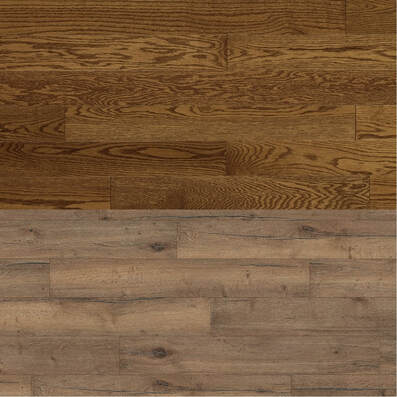 hardwood flooring and laminate flooring samples side by side
Contact us if you're looking for personalized advice on flooring options.
The Basics: Hardwood vs. Laminate
Hardwood is a natural material made from a single piece of wood, often sourced from trees like oak, maple, or cherry. It's renowned for its durability and can be refinished multiple times to extend its lifespan.
Laminate Flooring
Laminate, on the other hand, is a synthetic material made from multiple layers. While it mimics the appearance of wood, it doesn't offer the same level of durability. However, it is often more affordable and easier to install.
Durability and Longevity
| When investing in new flooring, durability is often a top concern. Hardwood Floors: Built to Last Hardwood floors are known for their long-lasting nature. With proper care, they can last for decades and are less susceptible to wear and tear. Learn more about how to extend the lifespan of your hardwood floors. Laminate Floors: A Practical Choice Laminate floors may not last as long as hardwood, but they are generally easier to maintain. If you're looking for a short-term flooring solution, laminate might be the way to go. | 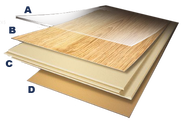 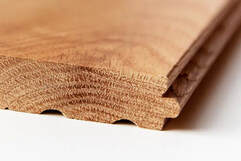 |
Aesthetic Appeal
 | The visual impact of your flooring can significantly influence the overall ambiance of your home. Both hardwood and laminate offer a range of styles, but they differ in key ways that can affect your home's aesthetic appeal. Hardwood Flooring: Natural Elegance Hardwood flooring is renowned for its natural beauty, offering a range of colors, grains, and finishes. Its timeless appeal can even enhance the resale value of your home. Laminate Flooring: Design Versatility Laminate flooring has evolved to offer a wide variety of designs that mimic the look of wood. While it may not have the authentic feel of hardwood, it offers versatility in design that can suit various home styles. |
Cost Comparison
| Budget is often a decisive factor when choosing flooring. Here's how hardwood and laminate stack up in terms of cost. Hardwood Flooring: A Long-Term Investment For Your Toronto Home While hardwood flooring comes with a higher initial cost, it can be a wise long-term investment due to its durability and potential to increase your home's value. Laminate Floors: Budget-Friendly Yet Stylish Laminate is generally more affordable, both in terms of material and installation. If you're on a budget but still want a stylish look, laminate flooring can be an excellent choice. | 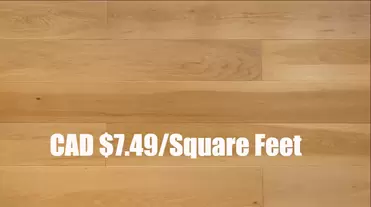 Hardwood Flooring Cost in Toronto 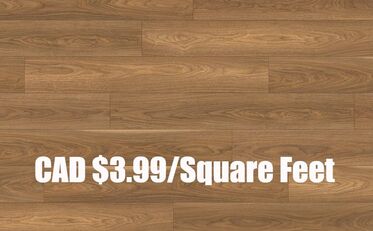 Laminate Flooring Cost in Toronto |
Maintenance and Care
Hardwood Floors: Regular Upkeep for Longevity
Hardwood floors require consistent care, including periodic sanding and refinishing. However, the effort is often worth it, as proper maintenance can extend the life of your hardwood floors.
Laminate Flooring: Easy and Effortless
Laminate flooring is generally easier to maintain, requiring just regular sweeping and occasional mopping. If you're looking for a low-maintenance option, laminate could be your go-to choice.
Environmental Impact
Hardwood Flooring: Renewable but Resource-Intensive
Hardwood is a natural, renewable material but requires significant resources for processing. If sustainability is a priority, consider engineered hardwood as a more eco-friendly option.
Laminate Flooring: Lower Impact, Less Sustainability
Laminate flooring is less resource-intensive to produce but is not biodegradable. If you're concerned about environmental impact, it's important to weigh these factors when choosing between hardwood and laminate.
FAQ
Yes, hardwood flooring is generally more expensive both in terms of material and installation. However, it can be a wise long-term investment.
Can Laminate Flooring Look Like Real Wood?
Modern laminate flooring has improved significantly and can closely mimic the look of real wood.
Which Is Easier to Maintain: Hardwood or Laminate?
Laminate is generally easier to maintain and is a good option if you're looking for a low-maintenance flooring solution.
Is Hardwood Flooring Eco-Friendly?
Hardwood is a natural, renewable resource, but it can be resource-intensive to produce. Engineered hardwood is often considered a more eco-friendly option.
Can I Refinish Hardwood Floors?
Yes, one of the advantages of hardwood flooring is that it can be sanded and refinished multiple times, extending its lifespan.
Laminate Flooring in Toronto: A Comprehensive Guide
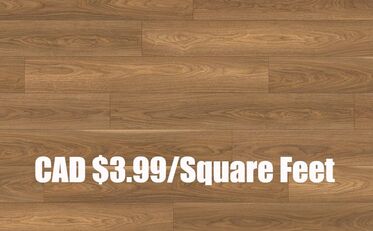
The Cost of Installing Laminate Flooring in Toronto
| One of the most common questions homeowners have is about the cost of installing laminate flooring. On average, the cost to install laminate flooring in Toronto ranges from $2 to $8 per square foot, including the cost of materials and labor. This means that for a 1000 square foot area, you can expect to pay between $5,000 and $8,000. However, these costs can vary depending on the quality of the laminate you choose and the complexity of the installation process. For more detailed information about the cost of installing laminate flooring, you can visit our laminate flooring installation page. | 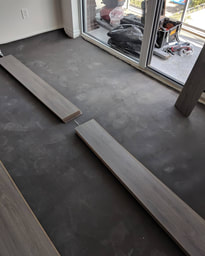 |
Pros and Cons of Laminate Flooring
However, there are also some disadvantages to consider. Laminate flooring can be susceptible to water damage, making it a less ideal choice for areas with high moisture levels like bathrooms or basements. It can also be less comfortable to stand on for long periods compared to other flooring options. For a more in-depth comparison of laminate and hardwood flooring, you can check out our blog post on the topic.
Laminate Vs. Hardwood Flooring: Which Is Cheaper?
Moreover, while laminate flooring is generally cheaper than hardwood, it's worth noting that hardwood flooring can last for decades and can be refinished multiple times, potentially making it a more cost-effective choice in the long run.
Is It Worth To Install Laminate Flooring?
Where Should You Not Install Laminate Flooring?
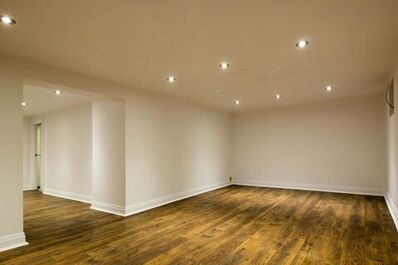 | As mentioned earlier, laminate flooring is not the best choice for areas with high moisture levels, such as bathrooms or basements. This is because laminate can warp or swell when exposed to water for extended periods. If you're considering installing laminate flooring in your kitchen, you might want to read our blog post about installing engineered hardwood flooring in kitchens for some useful insights. Laminate flooring can be a great choice for many homeowners in Toronto due to its affordability, durability, and aesthetic appeal. However, it's important to consider the potential disadvantages as well. For instance, while laminate is highly resistant to scratches, it can be susceptible to water damage if not properly sealed. This is why it's crucial to avoid installing laminate flooring in areas with high moisture levels, such as bathrooms or basements. |
Let's Wrap Things Up...
For more information about laminate flooring, or to explore other flooring options, feel free to visit our website. Our team of experienced professionals is always here to help you make the best decision for your home.
Frequently Asked Questions About Laminate Floors in Toronto
The cost to install laminate flooring can vary depending on several factors, including the quality of the laminate and the complexity of the installation. On average, you can expect to pay between $2,000 and $8,000 for 1000 square feet of laminate flooring, including installation.
2. What are the disadvantages of laminate flooring?
While laminate flooring is durable and easy to maintain, it can be susceptible to water damage if not properly sealed. This makes it less suitable for areas with high moisture levels, such as bathrooms or basements.
3. Is laminate flooring cheaper than hardwood?
Generally speaking, laminate flooring is cheaper than hardwood in terms of upfront costs. However, hardwood flooring can last for decades and can be refinished multiple times, potentially making it a more cost-effective choice in the long run.
4. Is it worth it to install laminate flooring?
If you're looking for a cost-effective, durable, and stylish flooring option, then laminate flooring can be a great choice. However, the decision ultimately depends on your specific needs and circumstances.
5. Where should you not install laminate flooring?
Laminate flooring is not recommended for areas with high moisture levels, such as bathrooms or basements, as it can be susceptible to water damage.
Parqueteam Hardwood Flooring
Hardwood Flooring Toronto and The Greater Toronto Area.
Archives
July 2026
April 2026
December 2025
October 2025
September 2025
August 2025
July 2025
January 2025
December 2024
December 2023
November 2023
October 2023
September 2023
August 2023
June 2023
May 2023
April 2023
July 2018
February 2018
January 2018
December 2017
March 2017
February 2017
January 2017
November 2016
October 2016
May 2016
March 2016
February 2016
January 2016
December 2015
November 2015
October 2015
September 2015
August 2015
July 2015
June 2015
May 2015
April 2015
March 2015
February 2015
January 2015
December 2014
June 2014
May 2014
April 2014
March 2014
Categories
All
Commercial Flooring Tips
Condo Flooring Tips
Engineered Hardwood Flooring Tips
Flooring Cost Guide
Flooring Repair Tips
Glue Down Flooring Tips
Hardwood Flooring Installation Tips
Hardwood Flooring Tips
Hardwood Floor Refinishing Tips
Herringbone Flooring Tips
Laminate Flooring Installation Tips
Laminate Flooring Tips
Stairs Refinishing Tips
Vinyl Flooring Installation Tips
Vinyl Flooring Tips
Vinyl Plank Flooring Tips
 RSS Feed