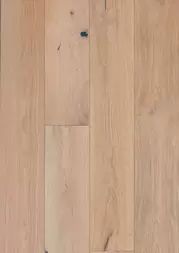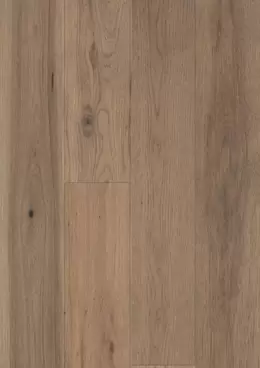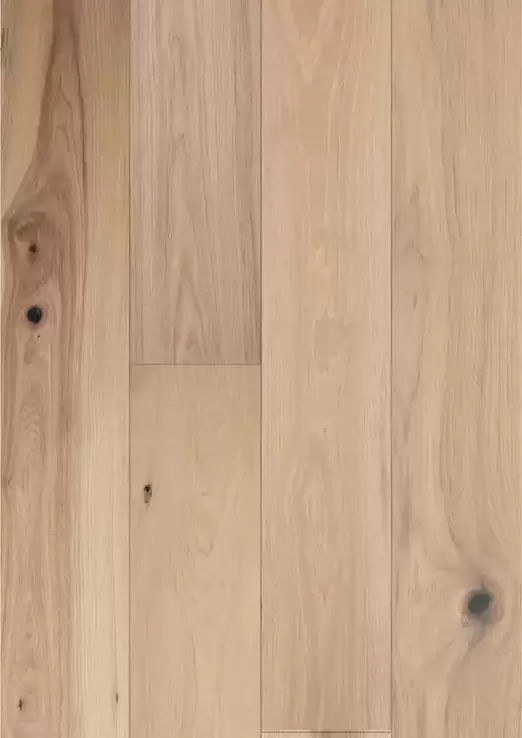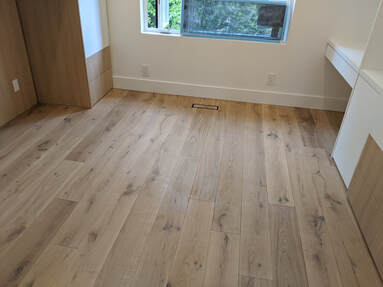

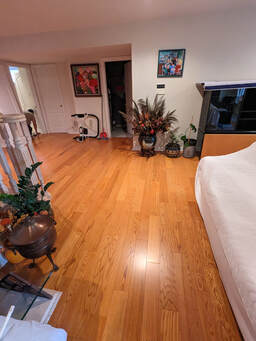
|
Hardwood flooring is one of the most sought-after flooring options in Toronto homes due to its timeless appearance, durability, and ability to increase property value. But when it comes to choosing between solid hardwood and engineered hardwood flooring, many homeowners are unsure which is the better fit.
While both offer the beauty and feel of real wood, they differ in structure, installation methods, and suitability for different environments. In this guide, we break down the key differences between solid and engineered hardwood flooring so you can make the best decision for your space—whether it's a downtown condo, a suburban home, or a commercial project. What Is Solid Hardwood Flooring?
Solid hardwood flooring is made from a single, solid piece of natural wood, typically ¾" thick. It’s milled from one species of hardwood—such as oak, maple, birch, or hickory—and can be sanded and refinished multiple times throughout its lifespan.
Installation: Solid hardwood flooring installation involved nail down instsallation method to a plywood subfloor, making it unsuitable for installation directly over concrete or below grade (such as in basements). This type of flooring expands and contracts more with changes in humidity, so it's best suited for stable indoor environments like main and upper floors in homes. Key Advantages of Solid Hardwood:
What Is Engineered Hardwood Flooring?
Engineered hardwood flooring is made from multiple layers: a top layer of real hardwood (called the veneer), bonded to layers of plywood or high-density fiberboard. This layered structure gives engineered hardwood greater stability and resistance to moisture and temperature fluctuations—making it a popular choice across the Greater Toronto Area.
Installation: Engineered hardwood can be installed in several ways: nail down, glue down, click (floating), or even double glue down—depending on the product and the subfloor. It’s ideal for condo floors, basement floors, and homes with radiant heating systems. Key Advantages of Engineered Hardwood:
Which One Should You Choose for Your Toronto Home?
Choosing between solid and engineered hardwood flooring depends on your specific space, lifestyle, and goals. Here’s how to decide:
Choose Solid Hardwood if:
Our Professional Advice Based on 20+ Years of Flooring Experience in Toronto
At Parqueteam Hardwood Flooring, we've helped hundreds of homeowners, condo dwellers, and contractors choose the right flooring for their specific needs. Here's what we’ve learned from over two decades in the Toronto flooring industry:
In short: Engineered hardwood is the go-to choice for most Toronto homes today, thanks to its adaptability, range of styles, and better performance in urban and multi-level buildings. Comparison: Solid Hardwood Flooring vs. Engineered Hardwood Flooring
When choosing between solid and engineered hardwood flooring, it's helpful to look at their key differences side by side. While both offer timeless beauty and durability, their construction and performance differ in important ways.
Construction: Solid hardwood is made from a single piece of natural wood, typically ¾” thick, while engineered hardwood is built from multiple layers (usually plywood or HDF core) topped with a real hardwood veneer. This layered design gives engineered hardwood added stability. Durability & Moisture Resistance: Solid hardwood is more susceptible to expansion and contraction due to humidity changes. That’s why it's not ideal for basements or over concrete subfloors. Engineered hardwood, on the other hand, handles moisture better, making it suitable for a wider range of environments, including condos, basements, and kitchens. Refinishing Ability: Solid hardwood can be sanded and refinished multiple times (up to 4–5 times), depending on the thickness. Engineered hardwood can also be refinished, but usually only once or twice, depending on the thickness of the veneer. Installation Methods: Solid hardwood generally requires nailing or stapling to a wood subfloor. Engineered hardwood is more flexible — it can be installed using glue-down, nail-down, or floating (click-lock) methods, depending on the product. Cost: Engineered hardwood tends to be more budget-friendly in terms of both materials and installation, especially in complex or moisture-prone settings. Solid hardwood, being denser and more traditional, often comes at a premium and requires more labor-intensive installation. Best Use Cases: Solid hardwood shines in traditional homes where longevity and multiple refinishes are desired. Engineered hardwood is a smarter option for Toronto’s condos, high-rise buildings, or any home needing a moisture-tolerant, flexible solution without sacrificing the look of real wood. Frequently Asked Questions
1. Can engineered hardwood be refinished like solid hardwood?
Engineered hardwood can be refinished, but not as many times as solid hardwood. It depends on the thickness of the top veneer. High-quality engineered hardwood with a thicker wear layer may allow for one or two refinishes, while solid hardwood can be refinished multiple times over its lifetime. 2. Which is more durable, solid or engineered hardwood? Both are durable, but in different ways. Solid hardwood is thicker and can last for decades with proper care and refinishing. Engineered hardwood is more stable in humid conditions and less prone to warping or cupping, making it ideal for condos and basements in Toronto. 3. Is engineered hardwood cheaper than solid hardwood? Generally, yes. Engineered hardwood tends to be more cost-effective due to its layered construction and easier installation options. It also saves money on installation, especially for click-lock methods. 4. Can I install solid hardwood in a condo? In most Toronto condos, installing solid hardwood is restricted due to soundproofing and subfloor requirements. Engineered hardwood is usually the preferred and approved option because of its compatibility with concrete subfloors and underlayments. 5. Does engineered hardwood look the same as solid hardwood? Yes. Both use real wood on the surface, so they look identical once installed. Engineered hardwood is topped with a real hardwood veneer, offering the same grain, texture, and beauty as solid hardwood. 6. What’s the best flooring for basements — solid or engineered hardwood? Engineered hardwood is the better choice for basements. Its layered design resists moisture and temperature changes much better than solid hardwood, which is more prone to expansion and warping. 7. Which type of hardwood flooring adds more value to a home? Both types can add resale value to your home. Solid hardwood may carry a slight edge in traditional homes due to its longevity and ability to be refinished many times. However, engineered hardwood offers wide appeal and practicality in modern Toronto homes and condos.
0 Comments
How Much Does Engineered Hardwood Flooring Cost in Toronto?
Engineered hardwood flooring has become a go-to option for many Toronto homeowners, condo dwellers, and even commercial property managers. Thanks to its durability, versatility, and stylish appearance, it delivers the look of solid hardwood flooring while offering added stability—especially important in environments with fluctuating humidity levels like Toronto.
Unlike solid hardwood, engineered hardwood is made with multiple layers, making it more resistant to expansion and contraction. It's also compatible with a variety of subfloors, including concrete, which makes it ideal for condos and basements across the GTA. What Factors Influence the Cost of Engineered Hardwood Flooring?
Several key factors determine the overall cost of installing engineered hardwood floors in Toronto:
Average Material Costs for Engineered Hardwood in Toronto
When shopping for engineered hardwood flooring in Toronto, you’ll notice a wide range of prices. This variation is largely due to the brand, thickness, veneer layer, wood species, and country of origin. Here's a general breakdown:
Factors that influence material costs:
Average Installation Costs by Method & Style
Installation pricing for engineered hardwood flooring in Toronto can vary depending on the method used, the layout complexity, and overall square footage. Here's a breakdown of the most common engineered hardwood flooring installation types:
Straight Lay Installations (Standard Pattern)
What Affects Installation Pricing
While square footage plays a major role in estimating costs, several additional factors can significantly impact the final price of your engineered hardwood flooring installation in Toronto:
Subfloor Condition If the subfloor is uneven, damaged, or not suitable for the chosen installation method (e.g., nail-down or glue-down), it will require prep work—such as leveling or installing plywood—which adds to the cost. Project Layout & Complexity Rooms with irregular shapes, tight hallways, many doorways, or intricate corners increase labor time. Larger open spaces are generally easier (and cheaper) to work with compared to multiple small rooms. Pattern & Layout Type
Condo vs. House
Existing Flooring Removal Removing and disposing of old flooring (hardwood, tile, carpet, etc.) will add labor and disposal costs. For reference, expect:
Job Size Larger projects tend to receive better per-square-foot rates, as setup and mobilization costs are spread over more area. Very small jobs may have minimum charges or higher per-foot pricing. Is Engineered Hardwood Flooring Worth the Investment in Toronto?
For many Toronto homeowners, engineered hardwood flooring offers a compelling balance between luxury, performance, and practicality. But is it worth the cost? Here's what to consider:
Durability in Varying Climates Toronto's humid summers and dry winters can cause traditional solid hardwood to expand and contract. Engineered hardwood, with its multi-layered core, is more stable and better suited for our local climate—especially in condos or basements. Long-Term Value While more expensive upfront than laminate or vinyl, engineered hardwood boosts property value and appeals to buyers looking for real wood aesthetics. If properly maintained, it can last decades and be refinished (depending on veneer thickness), making it a long-term investment. Versatility in Installation Whether you're dealing with concrete slabs in a condo or plywood subfloors in a house, engineered hardwood can be installed using various methods—click, nail-down, glue-down, or even double glue-down—offering flexibility without compromising durability. Comfort & Acoustics Unlike harder materials like tile, engineered hardwood provides a warmer, softer underfoot feel and better sound insulation—especially important in multi-level homes and condos. Minimal Maintenance With today’s prefinished and UV-cured surfaces, engineered hardwood resists scratches and stains better than ever. A regular sweep and occasional damp mop keep it looking like new. FAQs About Engineered Hardwood Flooring Cost in Toronto
Q: What is the average cost per square foot for engineered hardwood in Toronto?
A: On average, you can expect to pay between $4.99 to $11.99 per sq ft for materials, depending on the brand, thickness, veneer, and finish. Installation adds $2.50 to $7.50 per sq ft, depending on method and layout complexity. Q: Is engineered hardwood cheaper than solid hardwood? A: Typically, yes. Engineered hardwood is more cost-effective both in material and installation—especially when using click systems—while still offering the look and feel of real wood. Q: Does the installation method affect the cost? A: Absolutely. Click installation is usually the most affordable (approx. $1.50 – $2.50/sq ft), while glue-down or nail & glue assist methods can cost more ($3.00 – $4.50/sq ft or higher), especially in complex layouts like herringbone. Q: Are there any hidden or additional costs to consider? A: Yes. Some additional costs may include:
Q: Is herringbone engineered hardwood more expensive to install? A: Yes. Due to its intricate layout, herringbone or chevron installations typically range between $5.50 – $7.50 per sq ft for labor alone, depending on the scope of the project. Q: What’s the best value option for engineered hardwood flooring in Toronto homes? A: A click-lock engineered hardwood (12mm+ thick) offers excellent value—easy to install, cost-effective, and durable—especially for condos or finished basements. Durability is the foundation of great commercial flooring. Whether you're managing a busy restaurant, healthcare facility, retail store, or office, your floors take a daily beating—from foot traffic, rolling carts, spills, equipment, and constant cleaning. Choosing the most durable flooring material isn't just a matter of aesthetics—it's about long-term performance, safety, and minimizing costly repairs. In this blog, we’ll explore the top commercial flooring options renowned for their toughness and longevity. We’ll break down how each material performs in different commercial environments, what makes them stand out in terms of durability, and how to choose the right one for your business.
|
Flooring Type |
Water Resistance |
Maintenance |
Refinishing Ability |
Glue Down Vinyl Plank/Tile |
Waterproof |
Low |
None |
Carpet TIle Flooring |
Not Waterproof |
Moderate |
None |
Engineered Hardwood Flooring |
Not Waterproof |
Moderate |
1-3 times, depends on thickness of vanier |
Solid Hardwood Flooring |
Not Waterproof |
Moderate - High |
Multiple times |
This table offers a side-by-side view to help business owners weigh options based on durability, moisture exposure, and maintenance needs. It also highlights the refinishing potential, which can drastically extend a floor’s service life.
How to Choose the Right Durable Flooring for Your Business
Every commercial space is different. The right flooring choice depends on how your business operates, the type of traffic you expect, and the atmosphere you want to create. Here are some key factors to guide your decision:
✅ Foot Traffic and Load
- High-traffic zones (like restaurants or clinics): Opt for glue-down vinyl plank/tile for maximum resilience and waterproof protection.
- Medium-traffic areas (like offices or conference rooms): Engineered hardwood or carpet tiles can balance style and comfort.
- Wet zones (entrances, kitchens, treatment rooms): Glue-down vinyl is your best bet.
- Dry, climate-controlled environments: Solid or engineered hardwood works beautifully if moisture isn't a concern.
- Want a modern and professional look? Engineered hardwood gives a warm, upscale impression.
- Need a quiet, functional workspace? Carpet tiles help reduce noise and provide comfort underfoot.
- Prefer a durable yet modern finish? Vinyl plank mimics wood or stone without the upkeep.
- Looking for low maintenance? Vinyl wins.
- Willing to invest in long-term longevity? Solid hardwood can be sanded and restored multiple times.
Installation & Maintenance Tips
Even the most durable flooring won’t perform well without proper installation and regular maintenance. Here’s how to get the most life and performance out of your commercial floors:
🔨 Installation Best Practices
🧽 Maintenance Tips for Long-Term Durability
🔨 Installation Best Practices
- Glue-Down Vinyl Plank/Tile: Requires smooth, level subfloors for long-term adhesion. Professional glue-down ensures zero movement and maximizes water resistance—ideal for Toronto’s seasonal shifts.
- Carpet Tile: Installed with adhesive squares or glue tabs, carpet tiles can be quickly installed and replaced with minimal disruption to your business.
- Engineered & Solid Hardwood: Engineered hardwood can be glued or floated; solid hardwood must be nailed over a plywood subfloor. Subfloor prep is critical
🧽 Maintenance Tips for Long-Term Durability
- Vinyl Floors: Sweep and damp mop regularly. Avoid harsh chemicals. Use floor protectors under heavy furniture or equipment.
- Carpet Tiles: Vacuum frequently; spot clean spills immediately. Replace individual tiles as needed to keep the space fresh.
- Engineered & Solid Hardwood: Use dry or slightly damp mops. Avoid standing water. Recoat or refinish as needed to maintain appearance and protective finish.
Durable commercial flooring is an investment that pays for itself over time—through reduced repairs, better aesthetics, and long-term performance. Among the most trusted options, glue-down vinyl flooring offers a practical, waterproof solution for high-traffic environments. Carpet tiles provide comfort and flexibility in office settings. And engineered or solid hardwood floors deliver timeless elegance and exceptional longevity when maintained properly.
At Parqueteam Hardwood Flooring, we help Toronto businesses choose and install flooring solutions that balance durability, design, and cost-effectiveness. Whether you need something waterproof and rugged, or warm and professional, our team is here to guide you every step of the way.
Frequently Asked Questions
Q: What is the most durable commercial flooring for high-traffic areas?
A: Glue-down luxury vinyl plank or tile is considered one of the most durable options. It’s waterproof, scratch-resistant, and handles heavy foot traffic well—making it ideal for retail, office, and restaurant environments.
Q: Is engineered hardwood flooring durable enough for commercial use?
A: Yes, engineered hardwood is highly stable and suitable for medium-traffic commercial areas. It provides the look of solid hardwood with better resistance to moisture and temperature changes.
Q: How often should commercial hardwood floors be refinished?
A: Engineered hardwood can typically be refinished once or twice, depending on the wear layer. Solid hardwood can be refinished multiple times over its lifespan, making it a long-term investment for commercial spaces.
Q: Are carpet tiles a good option for commercial durability?
A: Carpet tiles are very durable in low- to medium-traffic areas. They’re easy to replace if damaged and offer excellent noise reduction—ideal for offices, coworking spaces, and hallways.
Q: Do you offer installation services in Toronto for all these flooring types?
A: Yes! Parqueteam Hardwood Flooring offers professional installation services across Toronto and the GTA for glue-down vinyl flooring, carpet tiles, engineered hardwood, and solid hardwood floors.
A: Glue-down luxury vinyl plank or tile is considered one of the most durable options. It’s waterproof, scratch-resistant, and handles heavy foot traffic well—making it ideal for retail, office, and restaurant environments.
Q: Is engineered hardwood flooring durable enough for commercial use?
A: Yes, engineered hardwood is highly stable and suitable for medium-traffic commercial areas. It provides the look of solid hardwood with better resistance to moisture and temperature changes.
Q: How often should commercial hardwood floors be refinished?
A: Engineered hardwood can typically be refinished once or twice, depending on the wear layer. Solid hardwood can be refinished multiple times over its lifespan, making it a long-term investment for commercial spaces.
Q: Are carpet tiles a good option for commercial durability?
A: Carpet tiles are very durable in low- to medium-traffic areas. They’re easy to replace if damaged and offer excellent noise reduction—ideal for offices, coworking spaces, and hallways.
Q: Do you offer installation services in Toronto for all these flooring types?
A: Yes! Parqueteam Hardwood Flooring offers professional installation services across Toronto and the GTA for glue-down vinyl flooring, carpet tiles, engineered hardwood, and solid hardwood floors.
How Much Does Herringbone Hardwood Flooring Cost in Toronto?
Herringbone hardwood flooring has become a popular choice for homeowners and businesses in Toronto, thanks to its timeless elegance and distinct pattern. This unique flooring style enhances any space with its sophisticated look, but its intricate installation process and material costs make it more expensive than standard hardwood flooring.
If you’re considering herringbone flooring for your home or commercial space, understanding the costs involved is crucial. From material prices to labor expenses, this guide will break down the factors influencing the total cost of herringbone flooring in Toronto.
Factors Affecting Herringbone Hardwood Flooring Costs
|
1. Material Selection
The type of wood species you choose significantly impacts the cost. Common choices for herringbone flooring include:
2. Installation Complexity & Labor Costs Unlike traditional straight plank hardwood flooring, herringbone requires more precise cutting and placement. This results in higher labor costs, often ranging between:
|
Additional Cost Considerations
|
Beyond materials and labor, other factors can influence the total price of installing herringbone flooring in Toronto.
1. Old Flooring Removal and Subfloor Preparation Before laying herringbone hardwood, in many cases, the old flooring needs to be removed, and the subfloor must be prepared properly such as screw down the existing plywood or level certain spots. If repairs or adjustments are needed, this can add to the total cost.
2. Finishing & Staining Options Many homeowners choose prefinished herringbone hardwood, but if you opt for site-finished flooring, extra costs apply:
|
Total Estimated Cost of Herringbone Hardwood Flooring in Toronto
The total cost of installing herringbone hardwood flooring depends on various factors, but here’s a general estimate based on a 1,000 sq. ft. area:
These prices will vary based on wood type, complexity, and any additional finishing touches.
Why Herringbone Hardwood Flooring is More Expensive than Traditional Straight Hardwood Flooring Installations?
|
Herringbone flooring is a premium option compared to standard plank hardwood due to its intricate pattern and labor-intensive installation process. Here’s why it costs more:
1. Increased Labor Time Unlike straight-laid hardwood, herringbone requires precise angling and alignment, which takes significantly more time. The added labor can increase installation costs by 30% – 50% compared to standard hardwood flooring. 2. Material Waste Factor Due to the angled cuts needed for the herringbone pattern, there is more material waste than with standard plank installations. It’s recommended to order 15% – 20% more wood than the actual square footage needed to account for waste. 3. Precision Cutting & Customization Each plank must be cut precisely to fit the pattern, requiring skilled craftsmanship. Additionally, if you opt for custom staining, or exotic wood species, the cost can increase further. |
How to Save Money on Herringbone Hardwood Flooring in Toronto
|
If you want to achieve the luxury look of herringbone without overspending, consider these cost-saving strategies:
1. Choose an Affordable Wood Species Opting for oak or maple instead of exotic hardwoods like walnut or mahogany can help reduce costs while still providing a high-end look. 2. Go with Prefinished Herringbone Flooring Prefinished herringbone planks eliminate the need for on-site sanding and staining, reducing labor costs. This can save $4.00 – $6.00 per sq. ft. in finishing expenses. 3. Hire an Experienced Installer While hiring a cheaper, inexperienced installer may seem like a way to cut costs, mistakes in herringbone installations can be costly to fix. Look for a professional with herringbone-specific experience to ensure efficiency and accuracy. 4. Remove Old Flooring Yourself If you’re comfortable with DIY tasks, removing your old flooring before the installers arrive can save you in labor costs. |
FAQ: Herringbone Hardwood Flooring Costs & Installation in Toronto
1. Is herringbone flooring worth the extra cost?
Yes, herringbone flooring adds a luxurious and timeless appeal to any space. It also increases property value due to its high-end look and durability.
2. How much extra material should I order for herringbone flooring?
It’s recommended to order 15% – 20% extra to account for the additional waste created by the angled cuts needed for the pattern.
3. Is herringbone flooring more expensive than straight-laid hardwood?
Yes, herringbone flooring costs 30% – 50% more due to the intricate pattern, precision cutting, and longer installation time.
4. How long does it take to install herringbone flooring?
The installation time depends on the room size and wood type, but generally, herringbone flooring takes twice as long to install compared to standard plank hardwood.
5. Can I install herringbone flooring myself?
Herringbone flooring requires precise measurements and expert craftsmanship. DIY installation is not recommended unless you have professional experience in hardwood flooring.
6. What is the best wood species for herringbone flooring?
Oak and maple are the most popular choices due to their durability and affordability. Exotic woods like walnut or mahogany will be more expensive.
7. Does herringbone flooring require special maintenance?
No, it requires the same care as standard hardwood floors. Regular sweeping, occasional mopping with a hardwood-safe cleaner, and avoiding excessive moisture will help maintain its beauty.
8. Can herringbone flooring be installed over concrete?
Yes, but it requires a proper subfloor preparation, and also underlayment if installed in a condo. Also, engineered hardwood floor would be requierd in order to install it over concrete.
Yes, herringbone flooring adds a luxurious and timeless appeal to any space. It also increases property value due to its high-end look and durability.
2. How much extra material should I order for herringbone flooring?
It’s recommended to order 15% – 20% extra to account for the additional waste created by the angled cuts needed for the pattern.
3. Is herringbone flooring more expensive than straight-laid hardwood?
Yes, herringbone flooring costs 30% – 50% more due to the intricate pattern, precision cutting, and longer installation time.
4. How long does it take to install herringbone flooring?
The installation time depends on the room size and wood type, but generally, herringbone flooring takes twice as long to install compared to standard plank hardwood.
5. Can I install herringbone flooring myself?
Herringbone flooring requires precise measurements and expert craftsmanship. DIY installation is not recommended unless you have professional experience in hardwood flooring.
6. What is the best wood species for herringbone flooring?
Oak and maple are the most popular choices due to their durability and affordability. Exotic woods like walnut or mahogany will be more expensive.
7. Does herringbone flooring require special maintenance?
No, it requires the same care as standard hardwood floors. Regular sweeping, occasional mopping with a hardwood-safe cleaner, and avoiding excessive moisture will help maintain its beauty.
8. Can herringbone flooring be installed over concrete?
Yes, but it requires a proper subfloor preparation, and also underlayment if installed in a condo. Also, engineered hardwood floor would be requierd in order to install it over concrete.
Commercial Flooring Installation in Toronto: What Business Owners Should Know
Why Flooring Matters for Your Toronto Business
|
Choosing the right flooring is a crucial decision for any business owner in Toronto. It’s not just about aesthetics; your commercial flooring plays a key role in creating a safe, professional, and inviting space for customers and employees alike. High-quality flooring can enhance your brand’s image, withstand heavy foot traffic, and even improve workplace productivity. This guide will help you navigate the process of selecting and installing commercial flooring, ensuring your investment meets both functional and stylistic needs.
|
Best Flooring Types For Your Business
Toronto businesses have a wide range of durable and stylish flooring options to suit their needs. Here are some of the most popular choices we offer:
Vinyl Plank Flooring:
- Known for its durability and waterproof qualities.
- Ideal for retail stores, restaurants, and healthcare facilities.
- Offers a variety of styles, including wood and stone looks, at an affordable price.
- Perfect for businesses seeking a premium, elegant look.
- Adds long-lasting value and sophistication to spaces like boutique stores or high-end offices
- Affordable and visually appealing, mimicking the look of hardwood or stone.
- Scratch-resistant and easy to maintain, making it a popular choice for busy commercial areas.
Choosing The Right Flooring For Your Business
Before deciding on a flooring type, it’s essential to consider the specific needs of your business space. Here are some key factors to keep in mind:
- Traffic Levels:
Determine how much foot traffic your space experiences daily. High-traffic areas, such as retail stores or restaurants, require durable options like vinyl plank or laminate flooring. - Maintenance Requirements:
Choose flooring that is easy to clean and maintain, saving time and reducing long-term costs. For example, laminate flooring is highly resistant to stains and scratches, making it ideal for busy areas. - Moisture Resistance:
If your business operates in areas prone to spills or high humidity, vinyl plank flooring is an excellent choice due to its water-resistant properties. - Aesthetic Appeal:
Your flooring should complement your brand’s image and create an inviting atmosphere for customers and employees. Hardwood flooring adds a timeless, elegant touch, while laminate offers a modern look with versatile designs. - Budget:
Consider both the upfront cost and long-term value. While hardwood is a premium investment, options like laminate and vinyl plank provide a balance of affordability and durability.
What to Expect During Commercial Flooring Installation
Professional installation ensures your commercial flooring is installed efficiently and to the highest standard. Here’s what the process typically involves:
- Initial Assessment:
A thorough inspection of your business space is conducted to determine the best flooring type and calculate material requirements. - Subfloor Preparation:
The existing surface is cleaned and leveled to create a stable foundation for the new flooring. - Flooring Installation:
Skilled installers carefully lay the flooring, ensuring seamless edges and a perfect finish. - Final Touches:
Trim pieces and baseboards are added to complete the look, and a final inspection ensures everything meets quality standards. - Cleanup and Maintenance Tips:
The installation team will clean the area and provide tips for maintaining your new floors, ensuring they last for years.
What to Expect During Commercial Flooring Installation
Commercial flooring projects can sometimes come with unique challenges. Here’s how to tackle them effectively:
Subfloor Issues:
Subfloor Issues:
- Challenge: Uneven or damaged subfloors can lead to poor installation results.
- Solution: Professionals will assess and repair the subfloor as part of the installation process.
- Challenge: Running out of materials during installation can cause delays.
- Solution: Accurate measurements and ordering ensure sufficient materials are available.
- Challenge: Installing flooring during business hours can disrupt operations.
- Solution: Schedule installation during off-hours or weekends to minimize impact.
- Challenge: Excess moisture can damage certain flooring types.
- Solution: Moisture-resistant options like vinyl plank flooring are ideal for areas prone to spills or humidity.
- Challenge: Improper cleaning can reduce the lifespan of your flooring.
- Solution: Follow manufacturer and installer maintenance guidelines to keep your flooring in top condition.
What to Expect During Commercial Flooring Installation
1. How much does commercial flooring installation cost in Toronto?
The cost of commercial flooring installation in Toronto ranges from $4 to $15 per square foot, depending on the material, project complexity, and installation requirements.
2. What is the most durable flooring for high-traffic commercial spaces?
Vinyl plank flooring is one of the most durable options for high-traffic areas. It’s resistant to wear and tear, water, and scratches, making it ideal for businesses like retail stores and restaurants.
3. How long does it take to install commercial flooring?
The installation process typically takes 1–3 days, depending on the size of the space and the type of flooring. Larger or more complex projects may take longer.
4. Can commercial flooring be installed over existing flooring?
Yes, in many cases, commercial flooring can be installed over existing floors, provided the subfloor is level and in good condition. A professional assessment will help determine feasibility.
5. How do I maintain my commercial flooring?
Maintenance depends on the flooring type. For example:
Not necessarily. Many installers offer flexible scheduling, including evenings and weekends, to minimize disruption to your business operations.
7. What are the most common issues with commercial flooring, and how can they be prevented?
The cost of commercial flooring installation in Toronto ranges from $4 to $15 per square foot, depending on the material, project complexity, and installation requirements.
2. What is the most durable flooring for high-traffic commercial spaces?
Vinyl plank flooring is one of the most durable options for high-traffic areas. It’s resistant to wear and tear, water, and scratches, making it ideal for businesses like retail stores and restaurants.
3. How long does it take to install commercial flooring?
The installation process typically takes 1–3 days, depending on the size of the space and the type of flooring. Larger or more complex projects may take longer.
4. Can commercial flooring be installed over existing flooring?
Yes, in many cases, commercial flooring can be installed over existing floors, provided the subfloor is level and in good condition. A professional assessment will help determine feasibility.
5. How do I maintain my commercial flooring?
Maintenance depends on the flooring type. For example:
- Vinyl plank flooring: Regular sweeping and mopping.
- Laminate flooring: Use a damp mop and avoid excessive moisture.
- Hardwood flooring: Periodic refinishing and specialized cleaners.
Not necessarily. Many installers offer flexible scheduling, including evenings and weekends, to minimize disruption to your business operations.
7. What are the most common issues with commercial flooring, and how can they be prevented?
- Issue: Scratches and dents.
Prevention: Use furniture pads and maintain a regular cleaning schedule. - Issue: Moisture damage.
Prevention: Opt for water-resistant flooring like vinyl plank in areas prone to spills. - Issue: Wear and tear from heavy traffic.
Prevention: Choose durable materials and consider adding protective mats in high-traffic zones.
Choosing the Best Hardwood Flooring for Your Toronto Home: Engineered vs. Solid

When it comes to enhancing the look and feel of your home, the type of flooring you choose plays a crucial role. In Toronto, hardwood flooring is a popular choice due to its timeless appeal, durability, and the warmth it brings to any space. But what type of hardwood flooring is best for Canadian homes?
| Hardwood Flooring in Toronto: Engineered vs. Solid Hardwood flooring comes in two main types: solid and engineered. Solid hardwood flooring is made from a single piece of wood, while engineered hardwood flooring consists of a top layer of real wood adhered to multiple layers of plywood or high-density fibreboard. In the Toronto climate, where humidity levels can vary greatly between seasons, engineered hardwood flooring often has the edge. Its multi-layered construction makes it less susceptible to shrinking and expanding due to changes in humidity and temperature. This makes engineered hardwood flooring a robust and durable choice for Toronto homes. |
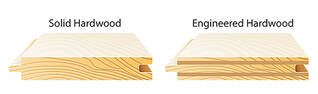
| Hardwood Flooring Installation: Choosing the Right Species The species of wood you choose for your hardwood flooring installation also matters. Common choices in Canada include Oak, Maple, and Hickory.
|
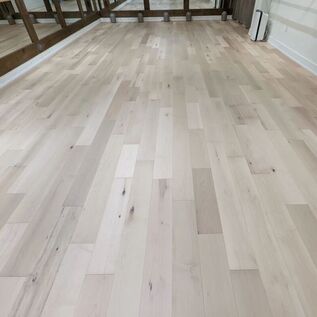
Why Engineered Hardwood Flooring is a Top Choice in Toronto
Engineered hardwood flooring offers the beauty of solid wood but with increased stability. This makes it particularly suitable for the Canadian climate. The plywood base layers handle humidity changes better than solid wood, reducing the risk of warping or cupping.
Plus, engineered hardwood flooring can be refinished, just like solid hardwood. This means that, even after years of use, your floors can look as good as new with a bit of maintenance.
When it comes to hardwood flooring in Toronto, engineered hardwood flooring stands out as a top choice. Its durability, resistance to climate-induced damage, and the wide variety of available species make it an excellent option for any home.
Remember, the best hardwood flooring is not only about the type of wood or the construction method. It's about choosing a floor that matches your style, meets your family's needs, and stands up to Toronto's unique climate. With the right choice, you can enjoy the beauty and warmth of hardwood floors for many years to come.
Engineered hardwood flooring offers the beauty of solid wood but with increased stability. This makes it particularly suitable for the Canadian climate. The plywood base layers handle humidity changes better than solid wood, reducing the risk of warping or cupping.
Plus, engineered hardwood flooring can be refinished, just like solid hardwood. This means that, even after years of use, your floors can look as good as new with a bit of maintenance.
When it comes to hardwood flooring in Toronto, engineered hardwood flooring stands out as a top choice. Its durability, resistance to climate-induced damage, and the wide variety of available species make it an excellent option for any home.
Remember, the best hardwood flooring is not only about the type of wood or the construction method. It's about choosing a floor that matches your style, meets your family's needs, and stands up to Toronto's unique climate. With the right choice, you can enjoy the beauty and warmth of hardwood floors for many years to come.
With the list of possible issues associated with the self flooring installation process listed above, now we can review the benefits of the professional flooring installation from the service point of you.
Probably the best strategy would be to pick a leading company within the flooring installation/renovation industry in GTA. If you decided to install any type of wooden floors, it would be a smart idea to pick a company that specializing in a niche market of any wooden types of flooring such as hardwood flooring, engineered flooring and laminated flooring installation and renovation.
Here are some benefits you can easily obtain by choosing team of professional hardwood flooring installers:
Probably the best strategy would be to pick a leading company within the flooring installation/renovation industry in GTA. If you decided to install any type of wooden floors, it would be a smart idea to pick a company that specializing in a niche market of any wooden types of flooring such as hardwood flooring, engineered flooring and laminated flooring installation and renovation.
Here are some benefits you can easily obtain by choosing team of professional hardwood flooring installers:
- Flooring installation could be view as long term investment, as oppose to a cost. By paying for a professional service, you are guaranteed to a high quality, long lasting and sophisticated looking floors that increases value of any residence instantly.
- Hiring professional flooring installers, busy and time-sensitive people can breath easily. You can be in control of the whole flooring installation/renovation proses by setting time frames and slots that are convent for you.
- With the special tools, expertise and past experience, professional hardwood flooring installers can create customized floors designs and patterns without a hassle and in timely manner
Parqueteam Hardwood Flooring
Hardwood Flooring Toronto and The Greater Toronto Area.
Archives
October 2025
September 2025
August 2025
July 2025
January 2025
December 2024
December 2023
November 2023
October 2023
September 2023
August 2023
June 2023
May 2023
April 2023
July 2018
February 2018
January 2018
December 2017
March 2017
February 2017
January 2017
November 2016
October 2016
May 2016
March 2016
February 2016
January 2016
December 2015
November 2015
October 2015
September 2015
August 2015
July 2015
June 2015
May 2015
April 2015
March 2015
February 2015
January 2015
December 2014
June 2014
May 2014
April 2014
March 2014
Categories
All
Affordable Flooring
Affordable Laminate Flooring
Art Flooring
Basement Flooring
Best Commercial Flooring Toronto
Canada
Canadian
Carpet Tile Flooring Toronto
Cleaning Hardwood Floors
Click Vinyl Plank Flooring
Commercial Flooring
Commercial Flooring Contractors Toronto
Commercial Flooring Cost In Toronto
Commercial Flooring Mississauga
Commercial Flooring Scarborough
Commercial Flooring Suppliers
Commercial Flooring Toronto
Commercial Flooring Toronto Prices
Commercial Hardwood Flooring
Commercial Interiors
Commercial Vinyl Flooring Canada
Condo Flooring
Condo Flooring Toronto
Condos
Contractors
Cost Of Laminate Flooring In Toronto
Dark Hardwood Flooring
Durable Hardwood Floors
Dustless Hardwood Flooring Refinishing
Engineered Hardwood
Engineered Hardwood Flooring
Engineered Hardwood Flooring Markham
Engineered Hardwood Flooring Toronto
Engineered Hardwood Floors
Engineered Wood Floors
Floating Hardwood Flooring
Flooring
Flooring Baseboards
Flooring Baseboards Installation
Flooring Benefits
Flooring Companies In Toronto
Flooring Comparison
Flooring Contractors Toronto
Flooring Cost
Flooring FAQs
Flooring Guide
Flooring Innovation
Flooring Installation
Flooring Installation In Toronto
Flooring In Toronto
Flooring Maintenance
Flooring Options
Flooring Refinishing
Flooring Repair Toronto
Flooring Solutions
Flooring Styles And Patterns
Flooring Tips
Flooring Tips And Guides
Flooring Toronto
Flooring Trends
Floors
Glue Down Engineered Hardwood Flooring
Glue Down Hardwood Flooring
Glue Down Hardwood Floors
Glue Down Vinyl Flooring
Glue Down Vinyl Flooring Toronto
Glue Down Vinyl Plank Flooring
Glue Down Vinyl Plank Flooring Toronto
Hardwood
Hardwood Floor
Hardwood Flooring
Hardwood Flooring Bradford
Hardwood Flooring Contractor
Hardwood Flooring Contractors
Hardwood Flooring Contractors In Toronto
Hardwood Flooring Contractors Toronto
Hardwood Flooring Cost Toronto
Hardwood Flooring Finishes
Hardwood Flooring Installation
Hardwood Flooring Installation Bradford
Hardwood Flooring Installation Cost
Hardwood Flooring Installation In Markham
Hardwood Flooring Installation In Toronto
Hardwood Flooring Installation Markham
Hardwood Flooring Installation Mississauga
Hardwood Flooring Installation North York
Hardwood Flooring Installation Oakville
Hardwood Flooring Installation Scarborough
Hardwood Flooring Installation Toronto
Hardwood Flooring Installation Vaughan
Hardwood Flooring Installers In Toronto
Hardwood Flooring In Toronto
Hardwood Flooring Markham
Hardwood Flooring Mississauga
Hardwood Flooring Oakville
Hardwood Flooring Refinishing
Hardwood Flooring Repairs
Hardwood Flooring Richmond Hill
Hardwood Flooring Sanding And Refinishing
Hardwood Flooring Scarborough
Hardwood Flooring Toronto
Hardwood Flooring Trends
Hardwood Flooring Vaughan
Hardwood Floor Refinishing Mississauga
Hardwood Floors
Hardwood Floors Toronto
Hardwood Staircase
Hardwood Stairs
Herringbone Flooring
Herringbone Hardwood Flooring Toronto
Hickory Flooring
Home Renovations
Homes
House
Installation
Laminate
Laminate Flooring
Laminate Flooring Installation
Laminate Flooring Installation Toronto
Laminate Flooring Installers
Laminate Flooring Markham
Laminate Flooring Mississauga
Laminate Flooring Oakville
Laminate Flooring Toronto
Laminate Floors
Maple Flooring
Oak Flooring
Parqueteam
Parqueteam Hardwood Flooring
Real Estate
Refinishing
Solid Hardwood Flooring
Solid Vs Engineered Flooring
Solid Wood Flooring
Staining Hardwood Floors
Staircase Refinishing
Staircase Replacement
Staircase Restaining
Stair Refinishing Bradford
Stair Refinishing Etobicoke
Stair Refinishing Markham
Stair Refinishing Mississauga
Stair Refinishing Oakville
Stair Refinishing Richmond Hill
Stair Refinishing Scarborough
Stair Refinishing Toronto
Stair Refinishing Vaughan
Sustainable Flooring
Toronto
Toronto Flooring
Toronto Flooring And Stairs
Toronto Flooring Services
Toronto Hardwood Flooring
Vinyl Flooring
Vinyl Flooring Cost In Toronto
Vinyl Flooring Installation Toronto
Vinyl Flooring Toronto
Vinyl Plank Flooring
Vinyl Plank Flooring In Toronto
Vinyl Plank Flooring Mississauga
Vinyl Plank Flooring Toronto
Water Proof Flooring
Wide Plank Flooring Toronto
Wide Plank Hardwood Floor
Wide Plank Hardwood Flooring
Wood
Wooden Floors
Wood Flooring
Wood Flooring Installation
Wood Flooring Installation In Toronto
Wood Flooring Toronto
Wood Floors
Wood Stairs Installation Toronto
Wood Stairs Toronto


RSS Feed