
Hardwood Flooring Installation Experts in Toronto | Parqueteam Hardwood Flooring
  • Home
  • Our Mission
  • Contact Us
    • Quick Quote Request
    • Request Home Visit
  • Our Services
    • Hardwood Flooring Installation Toronto
    • Dustless Hardwood Flooring Refinishing Toronto
    • Dustless Stair Refinishing Toronto
    • Condo Flooring Toronto: Best Options, Costs, and Tips
    • Commercial Flooring Toronto
    • Hardwood Flooring Repairs In Toronto
    • Flush Mount Floor Vent Installation Toronto
    • Laminate Flooring Installation Toronto
    • Vinyl Plank Flooring Installation Toronto
    • Glue Down Hardwood Flooring In Toronto
    • Flooring for Film Studio Toronto
  • Product Info
    • Carpet Tile Flooring Toronto
    • Herringbone Hardwood Flooring Toronto
    • Solid Hardwood Flooring
    • Wide Plank Hardwood Flooring Toronto
    • Brazilian Cherry Hardwood Flooring
    • Basement Flooring Toronto
    • Engineered Hardwood Flooring Toronto
    • Laminate Flooring Toronto
    • Vinyl Plank Flooring Toronto
    • Glue Down Vinyl Plank Flooring Toronto
  • Portfolio
  • Blog

​Hardwood Flooring  Experts in Toronto | Parqueteam Hardwood Flooring

Premium hardwood flooring services. We specialize in expert installation, refinishing, and repairs, proudly serving Toronto and the GTA​

get your free quote now!
Call anytime 416-305-2256
hardwood flooring toronto reviews

Advantages and Disadvantages of Laminate Flooring in Toronto

10/27/2025

0 Comments


Laminate Flooring in Toronto – Pros, Cons, and What You Need to Know

Laminate flooring has become an increasingly popular option for homeowners across Toronto, especially those seeking an affordable and stylish alternative to traditional hardwood hardwood floors. From sleek downtown condos to suburban family homes, laminate offers the look of real wood at a fraction of the cost—without sacrificing too much in performance.
But is laminate flooring the right choice for your Toronto home?
wood-style laminate flooring installed in a modern Toronto condominium living room.

What is Laminate Flooring?

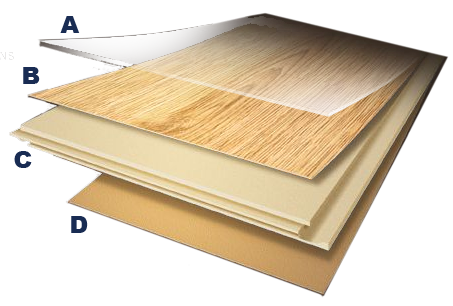
​Laminate flooring is a multi-layered synthetic flooring product designed to mimic the appearance of natural materials like hardwood flooring, stone, or tile. It typically consists of four layers:
  • Wear layer: A transparent, durable top layer that protects against scratches, stains, and fading.
  • Design layer: A high-resolution printed image that gives laminate its realistic wood or stone appearance.
  • Core layer: Usually made from high-density fiberboard (HDF), providing structure and stability.
  • Backing layer: Adds moisture resistance and structural support.
​
Most modern laminate flooring in Toronto comes in click-lock planks that float over the subfloor—no glue or nails required. Thickness usually ranges from 10mm to 12mm, and it’s rated using an AC rating system (Abrasion Criteria) from AC1 (light use) to AC5 (heavy commercial).
​
While it doesn’t have the same natural value as hardwood or the waterproof edge of vinyl, laminate has come a long way in terms of quality, performance, and aesthetics—making it a strong contender for Toronto homeowners.

Pros of Laminate Flooring in Toronto Homes

Laminate flooring offers several advantages, especially for homeowners looking for a balance between style, performance, and budget. Here's why many Toronto residents are choosing laminate:
1. Affordable Alternative to Hardwood
Laminate costs significantly less than solid or engineered hardwood flooring—both in terms of materials and installation. This makes it ideal for budget-conscious renovations or rental properties.

2. Realistic Wood Look
Modern laminate floors are designed with high-definition printing and textured surfaces, closely mimicking the appearance and feel of natural hardwood. You’ll find options that replicate oak, walnut, maple, and even exotic wood grains.

3. Durability & Scratch Resistance
Thanks to the tough wear layer, laminate is highly resistant to scratches, dents, and general wear, making it a great option for homes with pets, children, or high foot traffic.

4. Low Maintenance
Laminate floors are easy to clean—just sweep or vacuum regularly and mop with a damp cloth. There’s no need for special cleaners or refinishing over time.

5. Easy Installation
Most laminate flooring comes with a click-lock system, allowing for fast and simple floating installations. This also reduces labour costs compared to glue-down hardwood flooring.

6. Moisture Resistance (in Certain Areas)
While laminate isn’t waterproof, many AC4 or AC5-rated laminates are made to handle moderate moisture—making them suitable for basement floors, condos, and main living areas, especially when paired with the right underlayment.
​
7. Wide Selection of Styles
​
Laminate is available in a wide range of colours, widths, textures, and finishes, allowing homeowners to achieve virtually any design vision—from rustic farmhouse to modern minimalist.

Cons of Laminate Flooring in Toronto Homes

While laminate flooring offers many benefits, it’s important to understand its limitations—especially in a climate like Toronto’s, where seasons and moisture levels can fluctuate.
1. Not Waterproof
Most laminate floors, unlike vinyl plank flooring, are not fully waterproof, and prolonged exposure to moisture can cause swelling, warping, or separation between planks. This makes laminate a less suitable choice for kitchens, bathrooms, or laundry rooms.

2. Can’t Be Refinished
Unlike hardwood flooring, laminate cannot be sanded or refinished. If it gets damaged or worn over time, the only solution is to replace the affected planks or the entire floor.

3. Feels Less Authentic
Despite improvements in texture and design, laminate still doesn’t fully replicate the sound, warmth, or underfoot feel of real wood. Some homeowners describe it as feeling more hollow or synthetic.

4. Sensitive to Subfloor Imperfections
Laminate flooring requires a flat, smooth subfloor. If there are bumps, dips, or uneven surfaces, the floating planks may creak, shift, or wear unevenly over time.

5. May Decrease Home Value Slightly Compared to Hardwood
​
While laminate is attractive and functional, it generally doesn’t carry the same perceived value as engineered hardwood floors or solid hardwood. For resale purposes, hardwood is still the gold standard in many Toronto neighborhoods.
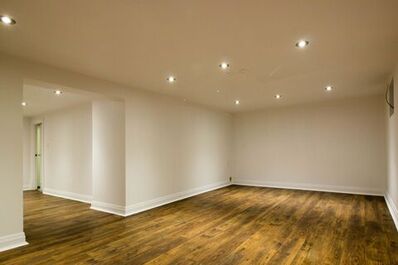
Water-resistant laminate flooring installed in a finished basement in Toronto.

Where Does Laminate Flooring Work Best in Toronto Homes?

Laminate flooring isn’t ideal for every room, but when installed strategically, it can offer both beauty and performance in a wide range of Toronto living spaces.
Living Rooms & Bedrooms
Laminate is perfect for dry, low-moisture spaces like living rooms and bedrooms. Its affordability and attractive wood-look designs make it a popular choice for larger areas where installing hardwood might be too expensive.

Basement Apartments or Secondary Suites
In Toronto’s tight housing market, many homeowners convert basements into rental units or living space. Laminate can be a cost-effective and stylish flooring option—provided a proper vapor barrier and underlayment are used to manage moisture.

Condos with Concrete Subfloors
Floating laminate floors are good for condo floors. Laminate offers a good balance of performance and cost, and most condo boards allow it with soundproofing underlayment.

Homes with Kids or Pets
Laminate flooring is highly scratch-resistant, making it a practical option for households with active children or pets. It resists dents and daily wear better than some hardwood floors.

Areas to Avoid
Avoid using laminate flooring in bathrooms, laundry rooms, or entryways where frequent water spills or humidity are a concern. While water-resistant options exist, they still fall short of full waterproof protection like vinyl flooring offers.

Our Recommendation: Should You Choose Laminate Flooring in Toronto?

​Laminate flooring can be an excellent option for many Toronto homeowners—but only when chosen with care and installed in the right context.
When Laminate Flooring Is a Smart Choice
  • You’re on a budget: Laminate offers a high-end wood look for less than hardwood or luxury vinyl.
  • You want something scratch-resistant: Great for families with pets or children.
  • You’re in a dry space: Perfect for living rooms, bedrooms, and condos (with proper underlayment).

When to Think Twice
  • You need waterproof performance: Laminate still isn’t ideal for wet areas like bathrooms or laundry rooms.
  • You plan to sell soon: While laminate has improved a lot, some buyers may still view it as a step down from hardwood.

Pro Tip from a Toronto Flooring Contractor:
Not all laminate is created equal. For the best results in Toronto homes, choose at least AC4 or AC5 rated laminate, preferably 10mm or thicker, and always use a high-quality underlayment to improve comfort and soundproofing.
installing laminate flooring over a concrete subfloor in a Toronto home

Frequently Asked Questions

Q: Is laminate flooring good for Toronto’s climate?
A: Yes, laminate flooring performs well in Toronto’s four-season climate—especially in temperature-controlled environments. Just avoid installing it in areas with high humidity or risk of water exposure.

Q: Can laminate flooring increase my home's value?
A: While laminate can enhance aesthetics, it generally doesn’t add as much resale value as hardwood. However, high-quality laminate in good condition is still attractive to many buyers, especially in entry-level and mid-range homes.

Q: Is laminate flooring waterproof?
A: No, most laminate flooring is water-resistant—not waterproof. Spills should be cleaned promptly to prevent swelling. Some newer options offer better moisture resistance, but for fully waterproof flooring, vinyl is a better choice.

Q: How long does laminate flooring typically last?
A: With proper installation and care, laminate flooring can last 10–20 years or more. Choosing a higher AC rating (AC4 or AC5) and maintaining it properly will maximize longevity.

Q: Is laminate flooring a good option for condos in Toronto?
A: Yes, laminate is a popular choice in Toronto condos due to its affordability, appearance, and ease of maintenance. Be sure to check your condo board’s soundproofing requirements and use an appropriate underlayment.

Q: Can laminate flooring be refinished?
A: No, unlike hardwood, laminate flooring cannot be sanded or refinished. Once it wears out or is damaged, it must be replaced.

Q: Does laminate flooring require underlayment?
A: Yes, laminate flooring installation always requires to have underlay put first, specially in condos where there are specific sound rating requirements (varies between each condo)
0 Comments

Is Hardwood Flooring Better Than Laminate Flooring?

10/21/2025

0 Comments


Is Hardwood Flooring Better Than Laminate Flooring?

When it comes to renovating your Toronto home, choosing the right flooring is one of the most impactful decisions you can make. Your choice affects not only the look and feel of your living space but also its value, comfort, and maintenance requirements. Among the most debated options are hardwood flooring and laminate flooring—two popular choices that each come with their own strengths and limitations.
Toronto homeowners often ask:
"Is hardwood worth the investment?" or "Is laminate durable enough for busy households?"
In this post, we'll dive into the key differences between hardwood and laminate flooring, with a focus on what matters most in Toronto homes
Toronto home featuring hardwood flooring in a bedroom.

What Is Hardwood Flooring?

​Hardwood flooring refers to floors made from real wood—either as solid hardwood or engineered hardwood.
  • Solid hardwood is milled from a single piece of lumber and can be sanded and refinished multiple times.
  • Engineered hardwood consists of a real hardwood veneer on top of several layers of plywood or HDF core, offering greater stability—especially important in Toronto’s fluctuating climate.

Popular hardwood species in the Toronto market include:
  • Oak: A classic choice with strong grain patterns.
  • Maple: Smooth and light in colour, great for modern designs.
  • Walnut: Rich and dark, perfect for luxury aesthetics.
  • Hickory: Known for its hardness and rustic character.

Advantages of hardwood flooring:
  • Natural, timeless beauty
  • Can be refinished multiple times
  • Adds to resale value
  • Durable with proper care
​
Hardwood floors are a long-term investment. While they may cost more upfront, they’re often seen as a premium feature by Toronto homebuyers, especially in houses, townhomes, and upper-level condos.

What Is Laminate Flooring?

Laminate flooring is a synthetic flooring product made by fusing multiple layers of material together—typically a high-density fiberboard (HDF) core, a printed design layer that mimics wood (or stone), and a protective wear layer.
Unlike hardwood, laminate flooring does not contain real wood on the surface—but thanks to advances in imaging and texture technology, high-quality laminates can look surprisingly similar to real hardwood floors.
Common Features of Laminate Flooring:
  • AC (Abrasion Class) ratings to measure durability; in Toronto homes, AC4 or AC5 is highly recommended for long-term wear resistance.
  • Click-lock installation systems that make laminate a popular DIY choice.
  • Water-resistant or waterproof options, ideal for condos, basements, or kitchens.

Advantages of Laminate Flooring:
  • Cost-effective compared to hardwood
  • Scratch-durable and dent-durable
  • Easier to install
  • Low maintenance

Laminate flooring has become a popular choice in many Toronto condos and rental units because it offers the aesthetic appeal of hardwood at a fraction of the cost, and is more forgiving in high-traffic areas or homes with pets and kids.
Durable laminate flooring installed in a condo unit downtown toronto

Key Differences Between Hardwood and Laminate Flooring

When comparing hardwood and laminate flooring, it’s important to look beyond appearance. While they can look similar at first glance, the differences in material, durability, installation, and long-term value are significant—especially for Toronto homeowners weighing their options.
Material Composition
  • Hardwood: Made from 100% real wood (solid or engineered), offering natural grain patterns, warmth, and character.
  • Laminate: Synthetic layers with a photographic image of wood and a wear layer—there is no real wood on the surface.

Installation Method
  • Hardwood: Hardwood flooring installed via nail-down, glue-down, or click-lock systems. Engineered hardwood offers more flexibility with glue or click methods.
  • Laminate: Laminate flooring installed always using click-lock floating installation, making it easier and faster to install.

Water & Moisture Resistance
  • Hardwood: Susceptible to water damage and expansion/contraction from humidity—especially in Toronto’s variable climate.
  • Laminate: More water-resistant (especially AC4/AC5 rated options), but still not suitable for wet areas unless rated as waterproof.

Sound and Feel
  • Hardwood: Feels and sounds solid underfoot; can be quieter and warmer, especially when nailed or glued properly.
  • Laminate: May sound hollow due to floating installation, but underlayment can improve acoustics.

Lifespan & Refinishing
  • Hardwood: Long-lasting (30+ years). Hardwood flooring can be refinished multiple times, especially solid hardwood and thicker engineered options.
  • Laminate: Typically lasts 10–20 years and cannot be refinished—once damaged, replacement is required.

Cost
  • Hardwood: More expensive upfront--$4.99–$11.99/sq ft for materials and $2.50–$7.50/sq ft for installation depending on method and layout.
  • Laminate: More affordable—materials start around $2–$4/sq ft with installation ranging $1.50–$3/sq ft.

Which Is Better for Toronto Homes?

The answer depends on your budget, lifestyle, and long-term plans. Both hardwood and laminate flooring have their place in Toronto homes—but their suitability varies depending on where and how you plan to use them.
Hardwood Flooring: Best for Long-Term Value
  • Ideal for: Living rooms, bedrooms, dining rooms, and homes where natural beauty and resale value are a priority.
  • Why: Toronto homeowners often choose hardwood for its timeless elegance, high-end appeal, and ability to be refinished. It’s especially attractive in historic or upscale neighborhoods where real wood flooring adds premium value.
  • Tip: If you’re concerned about moisture or temperature shifts (common in older Toronto homes), consider engineered hardwood with a stable plywood core.

Laminate Flooring: Great for Budget-Friendly, Stylish Upgrades
  • Ideal for: Condos, rental units, basements, or budget-conscious renovations.
  • Why: Laminate is durable, and easy to install—perfect for high-traffic areas or where cost-efficiency is critical.
  • Tip: Choose AC4 or AC5-rated laminate for better durability, and install with an underlayment to reduce sound transmission in Toronto’s multi-level buildings.
​
🧩 Toronto Climate Consideration
  • Toronto’s mix of cold winters and humid summers can cause solid hardwood to expand and contract, so engineered hardwood or high-quality laminate is often a safer, more stable choice—especially in condos or homes without full humidity control.

Final Thoughts & Expert Recommendations

When it comes to choosing between hardwood and laminate flooring in Toronto, there’s no one-size-fits-all answer—but there is a right choice depending on your goals.
Go with Hardwood Flooring if you:
  • Want a premium, long-term investment that boosts property value
  • Love the natural warmth and unique character of real wood
  • Are renovating a luxury home, or live in a high-end Toronto neighborhood
  • Don’t mind occasional refinishing or slightly higher maintenance
Best Choice: Solid or engineered hardwood in living rooms, dining areas, and master bedrooms.

Choose Laminate Flooring if you:
  • Need an affordable, stylish solution that looks like wood
  • Are upgrading a rental property or working within a tight budget
  • Expect heavy foot traffic and want scratch-resistant durability
  • Want a DIY-friendly or quick-installation option
Best Choice: AC4–AC5 rated laminate with underlayment in basements, hallways, or kids’ rooms.

Parqueteam’s Recommendation for Toronto Homes

If you're still undecided, engineered hardwood might be the perfect middle ground. It combines the look and feel of hardwood with better stability and moisture resistance—ideal for Toronto’s changing climate and a popular choice in local condos and homes.
We’re always happy to provide personalized guidance. If you’d like a free in-home consultation or estimate, contact our team here.
Close-up of laminate flooring showing wood grain texture
Side-by-side visual comparison of laminate and hardwood flooring textures on display

Frequently Asked Questions

Is hardwood flooring worth the higher cost over laminate?
Yes—if your budget allows it, hardwood flooring is a long-term investment that can last decades, increase home value, and be refinished multiple times. It’s especially worth it for homeowners planning to stay in their homes long-term or for luxury renovations.

Is laminate flooring really that much more durable than hardwood?
Laminate is more resistant to surface-level scratches, dents, and wear due to its tough protective layer—especially useful for households with pets or children. However, it's not repairable like hardwood and doesn’t age as gracefully.

Which is better for resale value—laminate or hardwood?
Hardwood flooring generally increases home resale value more than laminate. Real estate agents and buyers in Toronto often consider hardwood a premium upgrade, especially in higher-end neighborhoods or homes.

Can I install hardwood flooring in a basement?
We don’t recommend solid hardwood for basement flooring due to moisture risks. Engineered hardwood or laminate​ are better options as they are more dimensionally stable and resistant to humidity—important in many Toronto basements.

What’s better for a condo flooring—laminate or engineered hardwood?
​
Many Toronto condos require specific underlayments or limit noise transfer. Engineered hardwood (click or glue-down) is often approved by condo boards and offers a higher-end finish compared to laminate, though laminate can be used if cost is a major concern.
0 Comments

Pros & Cons of Engineered Hardwood Flooring – Is It Right for Your Toronto Home?

10/14/2025

0 Comments


Pros & Cons of Engineered Hardwood Flooring – Is It Right for Your Toronto Home?

When it comes to choosing the right flooring for your Toronto home or condo, engineered hardwood flooring has become an increasingly popular choice. Offering the timeless look of natural wood combined with enhanced durability and versatility, it presents a strong alternative to traditional solid hardwood—especially in climates like Toronto’s, where humidity and temperature changes can take a toll on flooring.
But like any material, engineered hardwood has its advantages and disadvantages. In this post, we’ll break down the pros and cons to help you decide whether it’s the right flooring solution for your space.
engineered hardwood flooring advantages and disadvantages

What Is Engineered Hardwood Flooring?

Engineered hardwood flooring is made from multiple layers of wood. At its core, it consists of a high-quality plywood or HDF (high-density fiberboard) base, topped with a veneer of real hardwood. This layered construction gives it better stability compared to solid hardwood, making it less likely to expand or contract due to moisture or temperature fluctuations.
Unlike laminate flooring, which only mimics the appearance of wood with a printed image, engineered hardwood uses a real hardwood surface—providing the same authentic look and feel as solid wood. It also comes in a range of thicknesses (usually between 3/8" and 3/4") and finishes (matte, glossy, wire-brushed, etc.), allowing homeowners to customize their floors based on style and performance needs.

Pros of Engineered Hardwood Flooring

Engineered hardwood offers several distinct advantages, especially for homeowners in Toronto dealing with seasonal changes and diverse subfloor conditions. Here’s why many choose it over other flooring options:
Greater Stability and Moisture Resistance
Thanks to its layered construction, engineered hardwood is less prone to warping or expanding due to humidity or temperature shifts. This makes it ideal for basements, condos, and rooms with radiant heating or fluctuating climates—common concerns in Toronto homes.

Authentic Wood Look and Feel
Engineered hardwood features a real hardwood veneer, giving you the exact same visual appeal as solid hardwood. It can even be sanded and refinished (depending on veneer thickness), maintaining that timeless appearance for years.

Installation Flexibility
Engineered hardwood flooring can be installed in various ways—nailed, glued, or as a floating floor using a click-lock system. This makes it adaptable to a wide range of subfloor conditions, including concrete slabs often found in condos.

Wider Plank Sizes
Due to its structural stability, engineered hardwood is available in wider plank options without as much risk of cupping or gapping. Wider planks create a more modern, luxurious look—perfect for open-concept Toronto homes and condo floors.

Cons of Engineered Hardwood Flooring

While engineered hardwood offers several benefits, it's important to understand its limitations before making a decision. Here are some of the most common drawbacks:
Limited Refinishing Potential
Unlike solid hardwood floors, engineered flooring can only be sanded and refinished a limited number of times—if at all. This depends on the thickness of the top veneer layer. Thinner veneers (1mm or less) typically can’t be refinished, while thicker ones (2-4mm) may allow for one or two refinishes.

Cost Variability
High-quality engineered hardwood with a thick veneer can be as expensive—or even more expensive—than solid hardwood. Prices range widely depending on the brand, veneer thickness, and construction method, which can sometimes surprise budget-conscious buyers.

Not Fully Waterproof
Although more moisture-resistant than solid hardwood, engineered hardwood is not waterproof. Prolonged exposure to water can still damage the core layers, especially if the flooring is not properly sealed during installation.

Lower Prestige Factor
Some homeowners still perceive engineered hardwood as less “authentic” than traditional solid wood. While it looks and feels real, it may not carry the same resale value in all cases—especially in high-end luxury markets.

Susceptible to Core Quality Differences
Not all engineered hardwood is created equal. Lower-end products may use softwood or fiberboard cores, which can affect long-term durability and performance. Choosing the right construction (multi-ply vs. HDF core) is critical.
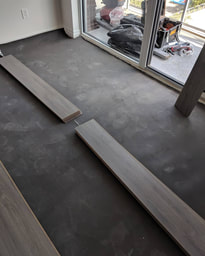
Engineered hardwood flooring installed in a condo bedroom with sliding balcony doors

When to Choose Engineered Hardwood Flooring Over Solid Hardwood Flooring

There are many situations where engineered hardwood isn't just a good option — it's the better option. Here are common use cases where engineered hardwood excels over solid hardwood flooring:
Condos and Apartments
In Toronto and other major cities, many condominiums have concrete subfloors, which are ideal for engineered hardwood due to its flexibility in installation. Glue-down or floating installation methods make it the go-to choice for condo flooring.

Basements and Below-Grade Spaces
Engineered hardwood performs better in moisture-prone areas compared to solid hardwood. Its multi-layer construction resists expansion and contraction, making it suitable for finished basement floors where humidity is a concern.

Underfloor Heating Compatibility
Engineered wood is compatible with radiant floor heating systems, unlike solid hardwood which can warp from heat fluctuations. If you’re planning to install heated floors, engineered is the safer, more efficient choice.

Wide Plank Flooring
Wide plank flooring (over 5 inches wide) tends to be more stable in engineered formats. Solid wood planks this wide are more susceptible to cupping or gapping, whereas engineered boards maintain dimensional stability over time.

Budget-Conscious Renovations
​
For homeowners looking for the hardwood look at a slightly more affordable price (especially in thinner veneer options), engineered hardwood can offer great value—particularly when factoring in easier installation methods that reduce labor costs.

Choosing the Right Engineered Hardwood Floor for Your Toronto Home

With so many options available, selecting the best engineered hardwood flooring for your space in Toronto comes down to a few key factors:
1. Veneer Thickness
The top layer of real wood (the veneer) typically ranges from 1mm to 4mm. Thicker veneers (2mm and above) allow for future refinishing and increase durability — ideal for high-traffic homes or long-term investment.
2. Installation Method
  • Click-lock engineered hardwood is great for DIY or floating installations and usually cheaper to install ($1.50 – $2.50/sqft).
  • Glue-down installation offers more stability and is better for concrete subfloors but costs more ($3.00 – $4.50/sqft).
  • Nail-and-glue assist provides maximum durability, especially for wide planks ($2.50 – $3.50/sqft).
3. Moisture Resistance
Opt for engineered hardwood with a high-quality plywood or HDF core if you're installing in areas with variable humidity — like basements, kitchens, or near entryways.
4. Aesthetic Preferences
From wire-brushed oak to smooth maple or rich walnut, Toronto homeowners have access to a wide range of wood species, finishes, and plank widths. Choose a style that complements your home’s interior while considering resale value.
5. Budget
​
Prices in Toronto range from $4.99 to $11.99 per square foot for materials. Balance your preferences for style, thickness, and finish with your budget — and don’t forget to factor in installation costs.
Wide plank engineered hardwood floors with natural oak finish in a bright Toronto living room

Frequently Asked Questions (FAQ)

Is engineered hardwood cheaper than solid hardwood in Toronto?
Yes, engineered hardwood is generally more affordable than solid hardwood. While high-end engineered options can approach the price of solid wood, the installation is usually easier and less costly — especially with click systems.

Can engineered hardwood be refinished?
It depends on the thickness of the veneer. Engineered floors with a veneer of 2mm or more can typically be refinished once or twice. Thinner veneers (under 2mm) are not recommended for sanding and refinishing.

How long does engineered hardwood flooring last?
With proper care, engineered hardwood can last 25–50 years, depending on the product quality, installation method, and traffic level in your home or office.

Is engineered hardwood waterproof?
No, it is not waterproof, but it is more moisture-resistant than solid hardwood due to its layered construction. Some products with SPC or HDF cores have enhanced water resistance but still require careful maintenance in damp areas.

What's better: click, glue down, or nail-down installation?
  • Click systems are fastest and often cheaper to install — ideal for condos and residential applications.
  • Glue down offers a more secure bond and is preferred in commercial spaces or over concrete.
  • Nail-down with glue assist is ideal for wide planks and long-term durability.
0 Comments

How Much Does It Cost to Glue Down Vinyl Flooring in Toronto?

10/6/2025

0 Comments


How Much Does It Cost to Glue Down Vinyl Flooring in Toronto?

Glue-down vinyl flooring has become a go-to option for many Toronto homeowners, condo residents, and business owners seeking a sleek, durable, and cost-effective solution. Whether you're updating a commercial space or renovating a condo unit, one of the first questions that comes up is: "How much is this going to cost?"
In this post, we’ll break down the real-world costs of glue-down vinyl plank flooring in Toronto — including material prices, professional installation rates, and other potential expenses. We’ll also share insights based on actual flooring projects we've completed across the Greater Toronto Area, so you’ll know exactly what to expect.
Durable glue-down vinyl flooring installed in a high-traffic Toronto commercial space

What Is Glue-Down Vinyl Plank Flooring?

Glue-down vinyl plank flooring is a type of luxury vinyl that is installed by adhering each plank directly to the subfloor using a specialized adhesive. Unlike click-lock vinyl flooring, which floats above the subfloor, glue-down vinyl creates a more permanent and stable flooring surface — making it an excellent choice for high-traffic areas or commercial spaces.
This flooring type is typically thinner than click vinyl (usually 3mm to 5mm) but offers excellent durability, water resistance, and sound absorption. It’s especially popular in Toronto condos, offices, and retail spaces where sound insulation and low-profile flooring are essential.
​
Key Benefits of Glue-Down Vinyl Flooring:
  • Great for both residential and commercial flooring use
  • Allows for creative patterns like herringbone
  • Quiet and soft underfoot
  • Excellent stability — no shifting or movement over time
  • Ideal for spaces where heavy furniture or equipment is used

Cost Breakdown in Toronto

When budgeting for glue-down vinyl flooring in Toronto, it’s important to consider both material and installation costs — which can vary depending on the quality of vinyl, installation method (straight or herringbone), and site conditions.
Material Cost (Per Square Foot)
  • Standard glue-down vinyl plank (3mm – 5mm):
    $3.99 – $4.99 per sq ft

This range includes high-quality luxury vinyl planks suitable for both residential and commercial spaces. Thicker vinyl may be priced slightly higher but often provides improved durability and foot comfort.
Installation Cost (Per Square Foot)
  • Straight lay installation:
    $2.50 – $3.50 per sq ft
  • Herringbone installation:
    $4.00 – $5.50 per sq ft

Herringbone or other patterned installs require more precision, time, and waste material, which is why the cost is higher than a standard straight lay.
Optional & Site-Specific Costs
  • Old flooring removal (if needed):
    $0.50 – $3.00 per sq ft (depends on material and removal complexity)
  • Subfloor leveling or repair:
    Varies widely. Uneven or damaged subfloors may require patching or leveling compound, which can add $1.00 – $2.00+ per sq ft to the cost.
  • Glue and adhesives:
    Usually included in installation cost when hiring a professional. If DIY, you’ll need to budget for high-quality adhesive (approx. $0.30 – $0.50 per sq ft).

Total Estimated Cost (All-In)
  • Straight Lay: Approximately $6.49 – $8.49 per sq ft installed
  • Herringbone Pattern: Approximately $7.99 – $10.49 per sq ft installed

Cost Comparison vs Other Flooring Types

When comparing glue-down vinyl plank flooring to other popular flooring options in Toronto, the value it offers becomes quite clear — especially when considering both upfront costs and long-term durability.

Compared to click vinyl plank flooring, glue-down options are typically more costly when looking at similar thickness and wear layers. Click vinyl can cost less in material and the installation costs may be lower since it doesn’t require adhesive. However, in high-traffic areas or commercial spaces, glue-down vinyl remains the preferred choice for its stability and longevity, justifying the slightly higher labor cost.

Laminate flooring, often has a lower material price point than vinyl, but that comes with trade-offs. Laminate isn’t waterproof and doesn’t perform as well in moisture-prone areas like kitchens or basements. Installation costs for laminate are similar to click vinyl, but glue-down vinyl ultimately provides better long-term value in humid environments.

Engineered hardwood flooring typically sits at the higher end of the cost spectrum. While it offers a more natural look and resale appeal, it can cost nearly double that of glue-down vinyl once you factor in both material and professional installation. Maintenance also tends to be higher, especially in homes with kids or pets.

In summary, glue-down vinyl flooring strikes an excellent balance — offering a modern aesthetic, water resistance, and affordability. For many Toronto homeowners, it delivers a premium feel without the premium price tag, especially when compared to engineered hardwood or more delicate laminate options.
Glue-down luxury vinyl plank flooring installation Toronto condo unit

Factors That Affect Pricing

While glue-down vinyl plank flooring is one of the more affordable flooring solutions in Toronto, several factors can influence the overall cost of your project. Being aware of these variables can help you better estimate your budget and avoid surprises:

1. Quality & Thickness of Vinyl Planks
Higher-quality planks with thicker wear layers (e.g., 20 mil or commercial-grade) and more realistic textures or finishes will naturally cost more. For example, luxury vinyl with enhanced realism or embossed surfaces tends to be priced closer to $4.99 per sq. ft., while simpler residential options start around $3.99.

2. Size of the Project
Larger spaces generally benefit from economies of scale. The more square footage you're covering, the more likely you are to negotiate better material pricing and labor rates. Small projects, like a bathroom or hallway, may incur higher per-square-foot installation costs due to setup and minimum job fees.

3. Installation Pattern: Straight vs. Herringbone
A standard straight lay is the most cost-effective installation method, ranging from $2.50 to $3.50 per sq. ft. However, if you’re opting for a herringbone or custom pattern, expect to pay a premium — typically $4.00 to $5.50 per sq. ft. — due to the additional labor and cutting precision required.

4. Subfloor Condition & Preparation
A smooth, clean subfloor is essential for glue-down vinyl. If your existing subfloor requires patching, leveling, or moisture mitigation, this prep work can increase both material and labor costs. In older homes or condos, this is often a hidden cost that must be addressed before installation.
​
5. Old Flooring Removal
If you’re replacing existing flooring (e.g., laminate, carpet, or tile), there may be additional charges for removal and disposal. This can range from $0.50 to $3.00 per sq. ft., depending on the flooring type and complexity.

Is It Worth It? A Toronto Homeowner’s Perspective

When evaluating whether glue-down vinyl plank flooring is worth the investment, Toronto homeowners should weigh both the short-term savings and long-term value it provides.
Why Many Toronto Residents Choose It:
  • Durability in Urban Living: In high-traffic households — especially condos with pets, kids, or heavy footfall — glue-down vinyl stands up to wear and tear better than many click-together options. It won’t shift or lift over time when installed correctly, which is crucial in Toronto’s variable climate.
  • Budget-Friendly Without Looking Cheap: With starting material prices around $3.99 per sq. ft. and basic installation from $2.50 per sq. ft., it delivers the look of high-end hardwood or tile at a fraction of the price — making it perfect for first-time buyers or landlords renovating a rental unit.
  • Moisture Resistance for Basements & Condos: Given Toronto’s older housing stock and the popularity of basement suites or below-grade spaces, glue-down vinyl’s resistance to moisture makes it a no-brainer for many homeowners.

When It Might Not Be Ideal:
  • Temporary Renovations: If you’re planning to move soon or want flooring that’s easy to remove and reuse, click vinyl may be better suited.
  • Uneven Subfloors: If your subfloor isn’t level or requires a lot of prep, the added costs may tip the scale toward other flooring options unless you’re committed to long-term performance.

Final Word:
​
For most Toronto homes, especially those looking for a waterproof, long-lasting, and cost-effective solution, glue-down vinyl flooring is not just “good” — it’s often the best-value option when installed properly.
Commercial space office room with a glue down vinyl plank floor in toronto
Recommended Readings
  • ​ Is Glue Down Vinyl Flooring Any Good? Expert Advice for Toronto Homes & Offices
  •  What Is Better, Click Vinyl Plank Flooring or Glue Down?
  •  What Thickness of Vinyl Plank Flooring Is Best for Toronto Homes?

Frequently Asked Questions (FAQs)

How much does glue-down vinyl plank flooring cost per square foot in Toronto?
On average, materials range from $3.99 to $4.99 per sq. ft., while installation for straight lay costs $2.50 to $3.50 per sq. ft.. For herringbone patterns, installation costs rise to $4.00 to $5.50 per sq. ft.

Is glue-down vinyl cheaper than click vinyl?
In terms of materials, both options can be similarly priced. However, glue-down vinyl can be more cost-effective over time due to its durability and stability. Installation may cost more upfront due to the need for adhesive and subfloor prep.

Why is glue-down vinyl flooring more expensive to install?
Glue-down vinyl requires more precise subfloor preparation and the use of adhesive. These extra steps take more labor and time compared to click-together flooring, which is faster to install.

Can I install glue-down vinyl flooring myself?
While possible, professional installation is strongly recommended — especially in Toronto condos or commercial settings — to ensure long-term durability, proper adhesion, and warranty protection.

Is glue-down vinyl flooring waterproof?
Yes. Glue-down vinyl plank flooring is fully waterproof and an excellent choice for kitchens, bathrooms, basements, and high-moisture environments.

Do I need to remove my old floor before installing glue-down vinyl?
Not always. However, the subfloor must be clean, level, and stable. In some cases, removing old flooring is necessary, especially if it’s loose, damaged, or incompatible with adhesive.

How long does glue-down vinyl last?
​
With proper installation and care, glue-down vinyl flooring can last 15 to 25 years, depending on traffic, maintenance, and quality of the product.
0 Comments

Are Vinyl Plank Floors Better Than Laminate Floors?

10/1/2025

0 Comments


Are Vinyl Plank Floors Better Than Laminate Floors?

When choosing a new floor for your Toronto home or condo, two options often come up: vinyl plank flooring and laminate flooring. Both offer stylish looks, affordable pricing, and easier maintenance than hardwood floors. But which one is truly better?
The answer depends on your needs — especially considering Toronto’s changing seasons, condo regulations, and potential moisture exposure in basements, kitchens, or bathrooms.
In this guide, we’ll break down the differences between vinyl plank and laminate flooring, covering everything from durability and water resistance to cost and comfort, so you can make an informed decision that fits your space.
Laminate flooring vs Vinyl plank flooring

What Are Vinyl Plank & Laminate Flooring?

Vinyl Plank Flooring (LVP/LVT)

Vinyl plank flooring is a 100% synthetic product, made from multiple layers of PVC and topped with a photographic print layer and a protective wear layer. It’s available in different core types like SPC (stone plastic composite) or WPC (wood plastic composite), and comes in both click and glue-down versions.
It’s popular for:
  • Kitchens and bathrooms (thanks to its waterproof nature)
  • Condo floors and basements (due to low thickness and easy installation)
  • Commercial flooring (for durability and ease of replacement)

Laminate Flooring

Laminate is made from high-density fiberboard (HDF) with a photographic wood layer and a tough wear layer on top. Unlike vinyl, it contains wood materials, which means it is not fully waterproof. However, it often provides better texture and realism compared to lower-end vinyl.
It’s ideal for:
  • Bedrooms, living rooms, and dry spaces
  • Homes where budget and visual appeal are priorities
  • Areas where high scratch resistance is important

Vinyl Flooring vs. Laminate Flooring: Key Comparison Points for Toronto Homes

When choosing between vinyl plank flooring and laminate flooring in Toronto, several practical factors come into play:
Water Resistance
Vinyl plank flooring is fully waterproof, making it an ideal choice for moisture-prone areas like basements, kitchens, and bathrooms. Laminate flooring, on the other hand, is only water-resistant — meaning it can handle minor spills but may swell or warp with prolonged exposure to water.

Durability
Both flooring types are designed for high traffic, but vinyl plank (especially SPC or glue-down commercial-grade vinyl) tends to be more resistant to dents, scratches, and daily wear and tear. Laminate is durable as well but may show scratches more easily and isn't as impact-resistant as vinyl.

Comfort and Feel Underfoot
Laminate floors often feel harder underfoot, though they can mimic the warmth and texture of natural wood more closely. Vinyl plank flooring offers a softer and slightly more cushioned feel, especially with WPC or attached underpad options, which makes it more comfortable to walk on for long periods.

Noise and Acoustics
Without proper underlay, laminate floors can sound hollow or loud when walked on. Vinyl tends to be quieter, especially click vinyl with built-in underlayment or glue-down types that bond directly to the subfloor — a key advantage in Toronto condos where noise transfer is a concern.

Appearance and Style
Laminate flooring often offers a more authentic wood-like appearance with deep textures and embossing. However, luxury vinyl planks have significantly improved in design and now offer highly realistic visuals, including wood, stone, and tile looks.
​
Installation and Cost
Both are considered DIY-friendly, but vinyl plank flooring comes in more flexible formats: click-lock, glue-down, and loose lay. Laminate is mostly click-lock. In terms of cost, laminate is usually slightly cheaper per square foot, but vinyl’s water resistance and long-term durability can offer better value over time — especially in areas prone to moisture.
Vinyl Plank flooring installed in a basement setting

Which One Fits Best in Toronto Homes & Condos

When choosing between vinyl plank flooring and laminate flooring in a Toronto setting, several local factors matter — climate, housing type (condo vs. house), moisture levels, and lifestyle.

Toronto's Climate Consideration:
  • Vinyl Plank Flooring: Completely waterproof and resistant to humidity fluctuations. Great for Toronto’s seasonal temperature swings, especially for basement floors and condos where moisture can be a concern.
  • Laminate Flooring: Performs well in dry, temperature-controlled spaces but may not fare as well in areas prone to moisture or spills, like kitchens or basements.
Condos:
  • Both vinyl flooring and laminate flooring are good options for condo living, but vinyl flooring would have a bit of an advantage in terms of its nature being waterproof, as condos in Toronto tend to have a lot of water damage cases, which would give vinyl floors a slight advantage over laminate floors.
Homes:
  • In homes, both materials work well — but vinyl flooring is superior for below-grade installations (like basements).
  • Laminate floors shine in living rooms and bedrooms where aesthetics and underfoot feel matter more than moisture resistance.
Families & Pets:
  • Vinyl’s durability to scratches, spills, and noise makes it ideal for homes with kids and pets.
  • Laminate flooring is scratch-durable too, but less forgiving with spills or pet accidents if not cleaned quickly.

Common Misconceptions & Trade-offs

Even though vinyl plank and laminate flooring are often compared side by side, there are still many misconceptions that mislead Toronto homeowners. Let’s clear up a few:

Misconception 1: Laminate is always cheaper than vinyl.
  • Reality: While entry-level laminate tends to be more affordable, higher-end laminate can be more expensive than mid-range luxury vinyl plank (LVP).
  • Trade-off: Laminate may offer a more wood-like texture, but you lose waterproofing and flexibility in where it can be installed.

Misconception 2: All vinyl is the same.
  • Reality: There are major differences between click vinyl, glue-down vinyl, WPC (wood plastic composite), and SPC (stone plastic composite) vinyl. Durability, comfort, and sound insulation vary widely.
  • Trade-off: Click vinyl is easier to install but may not last as long in high-traffic commercial settings compared to glue-down options.

Misconception 3: Laminate can’t handle wear and tear.
  • Reality: Modern AC-rated laminate flooring (AC4 or AC5) is very scratch-durable, especially against pet nails and dragging furniture.
  • Trade-off: However, it’s still vulnerable to water damage if exposed too long — making it less ideal for bathrooms or kitchens.

Misconception 4: Vinyl feels cheap underfoot.
  • Reality: Today’s vinyl plank flooring includes options with thicker cores, attached underpads, and textured finishes, offering a surprisingly comfortable and natural feel.
  • Trade-off: These premium features come at a higher price point, which can narrow the cost gap with laminate.
Vinyl Plank flooring installed in a commercial space in Toronto office

Recommendations by Use-Case

​Choosing between vinyl plank and laminate flooring often comes down to where and how you plan to use the flooring. Below are our expert recommendations based on different scenarios commonly found in Toronto homes and condos:

Condo Living (Downtown or High-Rise Units)
Recommended: Both Laminate Floor and Click Vinyl Plank Flooring
  • Why: Both floors work perfectly fine for condos, though vinyl plank flooring have a slight edge over laminate floors due to its water proof nature. 
  • Bonus: Easy to install and ideal for condo boards that restrict glue-down methods.

Bathrooms & Laundry Rooms
Recommended: Glue-Down or Click Vinyl Plank Flooring
  • Why: These areas demand 100% waterproof flooring. Vinyl (especially glue-down types) offers superior moisture resistance compared to laminate.
  • Avoid: Laminate, as even water-resistant models are prone to swelling with prolonged exposure to moisture.

Family Rooms & Bedrooms
Recommended:Laminate Flooring (AC4/AC5-rated)
  • Why: Laminate floor offers a warmer, more natural wood feel and is very scratch-resistant — great for kids and pets.
  • Note: If your home is prone to spills, vinyl floor might be safer, but laminate flooring offers better comfort and texture underfoot.

Basements & Lower Levels
Recommended: Glue-Down or Click Vinyl Plank Flooring
  • Why: Basements in Toronto can be humid or even slightly damp. Vinyl handles moisture far better than laminate and won’t expand or contract.
  • Tip: For uneven subfloors, glue-down vinyl plank flooring option is highly reccomended.

Rental Units or Investment Properties
Recommended: Vinyl Plank Flooring (Click or Glue-Down)
  • Why: Durable, waterproof, and easy to maintain — reducing tenant-related flooring issues. Vinyl is also, glue-down vinyl plank flooring is easier to repair or replace in damaged sections.
  • Consider: Glue-down for commercial or multi-unit rental buildings; click is a good option for small units or temporarily rentals.
Water Resistant laminate flooring option in toronto

FAQs – Vinyl Plank vs. Laminate Flooring in Toronto

Is vinyl plank flooring more durable than laminate flooring?
Yes, especially when it comes to moisture resistance and wear in high-traffic areas. Vinyl plank is waterproof, while laminate can swell if exposed to water.

Which is more affordable: vinyl or laminate?
Laminate flooring is generally more affordable per square foot, especially for mid-range options. However, vinyl's longer lifespan and lower maintenance may offer better long-term value.

Does vinyl floor or laminate floor look more like real wood?
Laminate typically has a more realistic wood texture and appearance, especially in premium styles. Vinyl has improved, but still often has a slightly more synthetic look, depending on the brand.

Can I install vinyl or laminate flooring in a condo?
Yes, but always check with your condo board. Click vinyl is often preferred due to its waterproof nature.

Which is easier to install: laminate or vinyl plank?
Click versions of both are DIY-friendly. Vinyl is slightly more forgiving for uneven subfloors, while laminate offers tighter locking mechanisms.

Which flooring is quieter underfoot?
Both lamiante floors and vinyl planks floors have similar undefoot quietness, specially when a proper underlayment is used (or attached already by manufacturer).
0 Comments

What Type of Flooring Is Best for Condos?

9/3/2025

0 Comments


Why Condo Flooring Needs Are Unique

When it comes to choosing flooring for a condo in Toronto, the decision isn’t as straightforward as it may seem. Condo units come with unique challenges that homeowners in detached houses rarely face — from soundproofing requirements and strata bylaws to limited subfloor flexibility and moisture concerns in high-rise environments.
Toronto condo owners often have to navigate strict building regulations, which can affect not only the type of flooring allowed but also the way it's installed. That’s why selecting the right flooring isn’t just about style or durability — it’s also about compliance, comfort, and long-term value.
In this post, we’ll explore the best types of flooring for Toronto condo units — ones that are not only beautiful and practical but also meet the necessary building standards.
engineered hardwood flooring installed in an open-concept Toronto condominium living room

Understanding Condo Flooring Restrictions in Toronto

Before selecting any flooring material, it’s essential to understand what your condominium board allows. Most Toronto condos have bylaws that outline soundproofing requirements, approved flooring types, and underlayment specifications — particularly for units above ground level.
Many condo corporations enforce minimum Impact Insulation Class (IIC) and Sound Transmission Class (STC) ratings to reduce noise transfer between units. These soundproofing rules often rule out certain flooring types (like solid hardwood without sound underlay) or dictate specific installation methods (such as glue-down over floating floors).
In high-rise condos, subfloor types may also limit what flooring can be installed — for instance, concrete subfloors generally rule out nailed-down hardwood and require underlayment with excellent acoustic performance.
To avoid costly mistakes or disputes with your condo board, always:
  • Check the condo corporation’s flooring policy first
  • Confirm the required IIC and STC ratings
  • Understand subfloor compatibility and installation limitations

Best Types of Flooring for Condos in Toronto

Choosing the right flooring for a condo in Toronto means finding a balance between style, functionality, and compliance with condo board rules. Here are the top three options we recommend, all of which we professionally install and are widely accepted in GTA condominiums:
1. Vinyl Plank Flooring (Glue-Down or Click Installation)
  • Why it's ideal: Vinyl plank is one of the most versatile condo flooring choices. Both glue-down and click systems can meet condo soundproofing rules when installed with appropriate underlay.
  • Benefits: Waterproof, durable, stylish, and easy to maintain.
  • Best for: Living areas, kitchens, hallways, and even bathrooms or laundry spaces.
  • Pro Tip: Glue-down vinyl plank flooring offers superior stability and sound absorption, while click vinyl is easier to replace or uninstall if needed.
2. Engineered Hardwood Flooring (Glue-Down or Click System)
  • Why it's ideal: Engineered hardwood offers the beauty of natural wood but is more dimensionally stable and thinner than solid hardwood — making it better suited for condo use.
  • Benefits: Luxury appearance, long lifespan, and compatibility with radiant heating systems.
  • Best for: Bedrooms, living rooms, and any area where warmth and aesthetics are desired.
  • Pro Tip: Many condo boards prefer glue-down engineered hardwood flooring due to reduced sound transmission, but modern click versions with acoustic underlayment are gaining approval.
3. Laminate Flooring (High-Density, AC4 or AC5 Rated)
  • Why it's ideal: Laminate is a budget-friendly, stylish option that mimics hardwood. With high-density core (HDF) construction and a proper underlay, it's often approved by condo boards.
  • Benefits: Scratch-resistant, affordable, and available in a wide range of finishes.
  • Best for: Bedrooms, living rooms, and areas where moisture is not a major concern.
  • Pro Tip: Always confirm that the underlayment meets the required STC/IIC ratings to avoid board rejection.
Toronto condo unit with newly installed luxury vinyl plank flooring

Factors to Consider When Choosing Condo Flooring

When selecting the best flooring for your Toronto condo, it’s not just about style — practical and regulatory factors play a huge role. Here’s what you should consider before making your final choice:
​
1. Soundproofing Requirements
Most condo boards require flooring with minimum STC/IIC ratings to reduce noise transmission between units. Make sure your flooring and underlayment meet or exceed those standards. Click flooring with underpad or glue-down options with soundproofing layers are often approved.

2. Subfloor Compatibility
Condos typically have concrete subfloors, which rule out nailed hardwood flooring and may affect underlayment performance. Ensure the flooring type you choose is suitable for glue-down or floating installation over concrete.

3. Moisture Resistance
Areas like kitchens, laundry rooms, or condos with radiant floor heating systems need moisture-resistant options. Vinyl plank flooring (especially glue-down) is ideal here, whereas engineered hardwood and laminate are better suited for dry zones.

4. Floor Height & Transitions
Some flooring materials (especially click systems with underpad) can raise floor height and create awkward transitions between rooms. This can be an issue with existing doors or fixed cabinetry.

5. Long-Term Maintenance
Vinyl requires the least maintenance. Engineered hardwood needs occasional refinishing, and laminate offers easy cleaning but isn’t water-resistant. Choose based on your lifestyle and how much upkeep you’re willing to handle.

Our Condo Flooring Installation Process in Toronto

At Parqueteam Hardwood Flooring, we understand that condo flooring projects require a specialized approach. From dealing with building guidelines to minimizing disruption for neighbors, our process ensures everything runs smoothly:

Step 1: On-Site Assessment
We start by visiting your condo to inspect the subfloor, measure the area, and understand access conditions (elevators, stairs, parking, etc.). We also review your building’s flooring bylaws to confirm STC/IIC requirements.

Step 2: Floor Type Selection
Based on your preferences and building regulations, we help you choose the most suitable flooring—whether it’s glue-down vinyl, engineered hardwood, or another approved option.

Step 3: Material Delivery & Acclimatization
All materials are delivered to your unit ahead of installation to allow proper acclimatization, especially important for engineered wood.

Step 4: Soundproof Underlay Installation
We install high-performance underlayment where required to meet soundproofing guidelines. Documentation for board approval is available upon request.

Step 5: Professional Flooring Installation
Our experienced crew handles everything with care—cutting, fitting, gluing or clicking, and cleaning up afterward. We work efficiently and quietly to respect your neighbors.

Step 6: Final Inspection & Walkthrough
Once completed, we walk you through the finished result to ensure satisfaction. We also provide care instructions specific to your new floor.

Why Choose Us for Your Condo Flooring Needs?

When it comes to condo flooring in Toronto, not every flooring company understands the unique challenges involved. At Parqueteam Hardwood Flooring, we bring years of experience and a condo-specific approach that sets us apart:

✅ Expertise with Condo Bylaws
We’re well-versed in dealing with condo board regulations, including STC/IIC soundproofing requirements and subfloor limitations.

✅ Wide Range of Approved Flooring Options
We offer high-quality click and glue-down vinyl flooring, as well as engineered hardwood options designed specifically for condo use — all installed with the right sound underlayment when required.

✅ Clean & Quiet Installations
We respect your building and your neighbors. Our team ensures minimal noise and disruption during installation, and we always leave your space clean and move-in ready.

✅ Transparent Quotes & Guidance
No hidden fees. No surprises. Just honest, expert advice and upfront pricing tailored to your unit’s layout and conditions.

✅ Local, Family-Owned Service
​As a family-run business based in Toronto, we take pride in helping our neighbors transform their condos with care and craftsmanship.
Budget-friendly laminate flooring installed in a compact condo bedroom

Frequently Asked Questions

1. What flooring is best for soundproofing in condos?
Glue-down luxury vinyl plank or engineered hardwood with a high-STC/IIC underlayment are excellent options. They reduce both impact and airborne noise, helping meet condo board requirements.

2. Do I need condo board approval to change my flooring?
Yes, most Toronto condo boards require you to submit your flooring choice and soundproofing specs for approval before installation begins.

3. Can I install hardwood flooring in a condo?
You can install engineered hardwood, which is more stable than solid hardwood and suited for condos. It must be paired with the proper underlay to meet sound transmission codes.

4. Is vinyl plank flooring approved for condos in Toronto
?
Yes, both click and glue-down vinyl plank flooring are often approved—especially when installed over appropriate soundproofing underlayment.

5. How long does it take to install flooring in a condo unit?
Most condo flooring projects take 1–3 days depending on unit size, flooring type, and building logistics (elevator access, parking, etc.).
0 Comments

What is the Best Flooring for a Commercial Restaurant?

8/21/2025

0 Comments

 
Choosing the right flooring for a commercial restaurant in Toronto is more than just a design decision — it’s a crucial element that affects daily operations, safety, hygiene, and the overall customer experience. Between constant foot traffic, food spills, grease, and cleaning chemicals, the flooring in a restaurant takes a serious beating. At Parqueteam Hardwood Flooring, we understand the unique flooring demands of Toronto restaurants, cafés, and dining establishments. In this post, we’ll guide you through the best flooring options to consider for your restaurant and explain which ones offer the best mix of durability, aesthetics, and long-term value.
Luxury vinyl plank flooring installed in a modern Toronto restaurant dining area

Key Considerations When Choosing Restaurant Flooring

Before exploring the various materials available, it's important to understand what makes flooring suitable for a restaurant environment. The best flooring should meet all of the following criteria:
  • Slip Resistance: Safety is paramount in both kitchen and dining areas. Choose flooring with non-slip surfaces to reduce the risk of accidents, especially in high-moisture zones.
  • Durability: High foot traffic, frequent cleaning, and heavy furniture can wear down floors quickly. Opt for materials designed for commercial use.
  • Ease of Maintenance: Restaurants need floors that can be easily cleaned and sanitized without harsh chemicals damaging the surface.
  • Aesthetic Appeal: The floor contributes to the overall ambiance of your restaurant, especially in customer-facing areas.
  • Water and Stain Resistance: Spills are inevitable in any food-service setting, so flooring must resist water, grease, and staining agents.
  • Cost-Effectiveness: Balance the initial investment with long-term performance and maintenance costs

Best Flooring Options for Commercial Restaurants in Toronto

When choosing flooring for your restaurant, it's essential to separate front-of-house (customer-facing) areas from back-of-house (kitchen/storage) needs. Here's a breakdown of the top materials used in Toronto commercial restaurants:
Luxury Vinyl Tile (LVT) or Plank (LVP)
  • Why It’s Great: Water-resistant, highly durable, and comes in wood or stone-look finishes.
  • Best For: Dining areas and restrooms.
  • Pros: Easy to clean, slip-resistant textures available, budget-friendly compared to real wood or tile.
  • Cons: Can dent under heavy kitchen equipment if not properly installed.
Ceramic or Porcelain Tile
  • Why It’s Great: Extremely durable, stain-resistant, and water-proof.
  • Best For: Entryways, washrooms, kitchens.
  • Pros: Long lifespan, easy to sanitize.
  • Cons: Slippery when wet, can crack under impact, cold and hard on feet.
Epoxy Flooring
  • Why It’s Great: Seamless surface perfect for sanitary environments.
  • Best For: Kitchens, food prep zones.
  • Pros: Non-porous, chemical-resistant, very low maintenance.
  • Cons: Can feel industrial in front-of-house unless paired with design elements.
Laminate Flooring (Commercial-Grade)
  • Why It’s Great: Budget-friendly alternative to hardwood with good scratch resistance.
  • Best For: Light traffic dining areas and offices within restaurants.
  • Pros: Looks like wood, easy to clean.
  • Cons: Not water-resistant — not ideal for kitchens or washrooms.
Glue-down vinyl flooring installation in a downtown Toronto restaurant

Flooring Materials to Avoid in Restaurant Environments

Not all flooring types are cut out for the wear and tear of a restaurant setting. Here are some you should avoid:
  • Standard Hardwood Flooring: Although beautiful, it can warp with moisture and scratch easily from chairs, high heels, and spills. Better suited for residential use or light-traffic areas.
  • Carpet: Stains easily, traps odors, and is nearly impossible to sanitize in food-service environments.
  • Non-Commercial Laminate: Lacks durability and water resistance — may buckle or swell with spills or humidity changes.
  • Polished Concrete (without treatments): While modern-looking, untreated concrete can be slippery and crack over time.

Factors That Influence Flooring Choice in Toronto Restaurants

Toronto’s restaurant scene is unique — from cozy neighborhood cafés to high-traffic downtown establishments. When selecting the best commercial flooring, restaurant owners must consider a range of localized factors:
  • Foot Traffic: A Yonge Street café or King West eatery will experience different volumes and wear compared to suburban bistros. High-traffic zones demand resilient materials like LVT, epoxy, or tile.
  • Climate and Seasonality: Winters in Toronto mean snow, salt, and slush — which can wreak havoc on delicate floors. Water-resistant, easy-to-clean options are a must.
  • Design Aesthetics: Trendy urban spots often want that industrial or warm wood look. Fortunately, modern vinyl and laminate mimic these styles without compromising on function.
  • Health & Safety Compliance: Flooring must meet slip-resistance and hygiene regulations. Smooth transitions, ease of cleaning, and resistance to spills are all critical for Toronto Public Health inspections.

Maintenance and Longevity Considerations

Even the best flooring material will deteriorate if not properly maintained. Here's what to keep in mind:
  • Daily Cleaning: Sweeping and mopping with commercial-grade cleaners helps prevent staining and grit buildup, especially during Toronto’s salt-heavy winters.
  • Scheduled Deep Cleaning: Some surfaces like tile grout or epoxy coatings benefit from regular professional cleaning.
  • Resurfacing Options: For materials like LVT or laminate, individual planks or tiles can be replaced if damaged, reducing downtime and cost.
  • Refinishing Potential: If your restaurant has hardwood floors (rare but possible in historic venues), refinishing may be an option—but only a few times before full replacement is needed.
Choosing the right flooring not only saves future costs but ensures your restaurant stays visually appealing, safe, and compliant.
Best flooring for commercial restaurant in toronto

Cost for Restaurant Flooring Installation in Toronto

Budget plays a big role in flooring decisions — especially in a competitive, high-rent market like Toronto. Here's a breakdown of what you can expect:
Flooring Type
Material Cost (per sq.ft.)
Installation Cost (per sq.ft.)
Total Estimate (per sq.ft.)
Engineered Hardwood Flooring
$5.00 - $10.00
$2.75 - $5.50
$7.75 - $15.50
Luxury Vinyl
$3.00 - $5.00
$1.70 - $3.50
$4.70 - $8.50
Laminate Flooring (AC5 or above)
$3.00 - $4.00
$1.70  - $2.50
$4.70 - $6.50
Note: Prices are approximate and can vary based on space size, subfloor prep needs, removal of old flooring, and job complexity.

Why Toronto Businesses Trust Parqueteam Hardwood Flooring

When it comes to commercial restaurant flooring in Toronto, working with the right contractor makes all the difference. Here’s why many restaurants and hospitality businesses trust us:
  • Dustless Installation Options: We use dustless equipment for a cleaner, safer install — especially important in environments where hygiene is key.
  • Timely Execution: We understand that downtime costs money. We prioritize fast, efficient turnaround so your business can stay operational.
  • Expertise in Commercial Projects: From small cafés to large franchises, we’ve completed numerous restaurant flooring installations across the GTA.
  • Customized Recommendations: We help you choose the right flooring based on your specific needs — not just what’s trendy.
  • Free Quotes & Transparent Pricing: No hidden fees, just straightforward pricing tailored to your project scope.
Let us help you create a durable, stylish, and functional foundation for your restaurant.

Choosing the Right Flooring for Your Toronto Restaurant

The right flooring in a restaurant isn’t just about aesthetics — it’s a critical factor in cleanliness, safety, and durability. With Toronto’s demanding restaurant scene, business owners must strike the perfect balance between style, cost, and functionality.
Whether you’re opening a new restaurant or renovating an existing space, investing in high-quality commercial flooring can save you maintenance headaches down the road. Materials like luxury vinyl plank, commercial tile, or even epoxy coatings provide both performance and style when installed by professionals.
If you’re unsure which flooring suits your restaurant best, Parqueteam Hardwood Flooring offers free consultations to help you decide based on your budget, design vision, and durability needs.
Commercial restaurant flooring with durable non-slip vinyl flooring in Toronto eatery

Frequently Asked Questions

1. What is the most durable flooring for a busy restaurant kitchen?
For kitchen areas, quarry tile and commercial-grade vinyl are among the most durable and slip-resistant options. They resist moisture, grease, and heavy traffic — critical in fast-paced Toronto restaurant kitchens.

2. Is hardwood flooring suitable for restaurants?
Hardwood flooring adds elegance but isn’t ideal for high-moisture or high-spill areas like kitchens. However, it can work well in dining areas with low foot traffic when properly sealed. Engineered hardwood is a better alternative in most commercial dining settings.

3. How often should restaurant flooring be replaced?
With proper care, vinyl plank flooring can last 10–15 years, while tile may last even longer. Epoxy coatings in kitchens often need resurfacing every 5–7 years. Flooring lifespan depends on material quality and maintenance frequency.

4. Does flooring installation require closing the restaurant?
In most cases, flooring installation is scheduled outside business hours or in phases to minimize disruption. Some materials like glue-down vinyl offer faster installation, ideal for Toronto restaurants looking to avoid lengthy downtime.
​
5. Can I refinish my existing restaurant floors instead of replacing them?
If your restaurant has solid hardwood or engineered wood, refinishing may be an option. Our dustless floor refinishing services can restore the floor's appearance with minimal mess and downtime.
0 Comments

Best Commercial Flooring Options for High-Traffic Areas in Toronto

8/13/2025

0 Comments


Why Flooring Matters in High-Traffic Commercial Spaces

Toronto is a fast-paced city where commercial spaces—from busy office lobbies to trendy restaurants—see heavy foot traffic every day. In these environments, choosing the right flooring isn’t just a design decision; it’s a business one. The right flooring option can impact how customers perceive your brand, how easy it is to maintain your space, and how long your investment lasts.
At Parqueteam Hardwood Flooring, we’ve worked with countless businesses across the Greater Toronto Area (GTA) to help them choose flooring that meets their functional needs while enhancing the look and feel of their space. Whether you’re outfitting a commercial office, a retail storefront, or a high-rise condo lobby, selecting durable, low-maintenance, and visually appealing flooring is crucial for long-term value.
Best Commercial Flooring Options for High-Traffic Areas in Toronto

Key Factors to Consider for High-Traffic Flooring

When choosing flooring for commercial spaces that see hundreds or even thousands of visitors a day, the decision goes beyond aesthetics. Here are the most important factors we recommend considering:
  • Durability: Foot traffic, moving furniture, and frequent cleaning take a toll. Materials must resist wear, scratches, dents, and moisture.
  • Ease of Maintenance: Low-maintenance flooring saves time and money in commercial operations. It should be easy to clean and maintain without special treatments.
  • Slip Resistance & Safety: In busy areas, safety is non-negotiable. Flooring must meet safety standards for traction and minimize the risk of slips, especially in entryways or food-service areas.
  • Aesthetic Appeal: First impressions matter. The flooring should complement your brand and interior design, creating a welcoming atmosphere.
  • Budget: From entry-level to high-end materials, your choice should balance up-front cost with long-term durability and performance.
By keeping these considerations in mind, you’ll be well-equipped to choose flooring that performs under pressure and enhances your commercial environment.

Top Flooring Options for Toronto Businesses

When it comes to flooring that can withstand Toronto’s busy commercial settings, a few standout options offer a blend of strength, appearance, and value. Below are the most popular and effective flooring types we recommend for high-traffic areas:

Glue-Down Vinyl Plank Flooring

  • Why it's great: Incredibly durable, water-resistant, and easy to clean, glue-down vinyl plank flooring is a favorite in commercial settings like retail, restaurants, and offices.
  • Best for: High-traffic lobbies, dental/medical clinics, salons, and retail stores.
  • Bonus: Available in wood- and stone-look designs to elevate aesthetics without the high cost.

Commercial-Grade Laminate Flooring (AC5–AC6 Rated)

  • Why it's great: With a tough wear layer and realistic visuals, commercial laminate offers excellent resistance to scratches, impacts, and fading.
  • Best for: Office spaces, retail shops, and showrooms.
  • Note: Opt for high AC ratings (AC5 or AC6) for commercial performance.

Engineered Hardwood Flooring

  • Why it's great: Engineered hardwood gives the rich, timeless look of real wood with added structural stability and moisture resistance.
  • Best for: Professional offices, boardrooms, upscale retail, and boutique spaces.
  • Caution: While beautiful, it’s better suited for medium-traffic areas and should be well-maintained.

Carpet Tiles (Glue-Down Only)

  • Why it's great: Easy to replace individual tiles, excellent sound insulation, and warm underfoot feel.
  • Best for: Commercial offices, hallways, and corporate boardrooms.
  • Pro tip: Choose low-pile, stain-resistant commercial-grade options.

Important Considerations Before Choosing Commercial Flooring in Toronto

Foot Traffic and Space Usage
Think about how many people will be walking through your space daily and what type of footwear or equipment will be used. For high-traffic zones like retail stores or busy office corridors, durability is critical. AC5/AC6 laminate or glue-down vinyl plank are excellent choices in this case. Engineered hardwood or carpet tiles may work better in boardrooms or executive suites where the wear is lighter.

Maintenance Needs and Cleaning Schedule
Some materials like vinyl plank and laminate are virtually maintenance-free and easy to clean. Others — like hardwood or carpet — may require periodic deep cleaning, refinishing, or stain treatment. If you want low upkeep, vinyl or laminate might be your best bet.

Moisture and Environmental Conditions
In environments where water, spills, or humidity are a concern (e.g., restaurants, entryways, or basements), waterproof options like glue-down vinyl flooring are ideal. Avoid solid hardwood in such locations unless conditions are fully controlled.

Aesthetic and Branding Goals
Commercial flooring contributes to your brand image. High-end hardwood exudes elegance and professionalism, while modern laminate or vinyl can help achieve a clean, contemporary look. Choose flooring that aligns with your visual identity and target customer impression.

Installation Time and Business Downtime
​
If time is a factor and you need your business up and running fast, floating floors (like click vinyl or laminate) offer quicker installation. Glue-down products or refinished hardwoods take longer but provide long-lasting results. Carpet tiles are also fast to install or replace with minimal interruption.
Carpet Tile Flooring in a high traffic office in toronto

Cost Breakdown: What to Expect When Budgeting for Commercial Flooring in Toronto

Understanding the pricing structure of commercial flooring can help you set realistic expectations and avoid surprises. Here’s a breakdown of the common costs associated with flooring installation projects in Toronto.

Material Costs
  • Vinyl Plank Flooring: $2.50 – $5.50 per sq. ft. (glue-down)
  • Laminate Flooring: $2.00 – $4.50 per sq. ft. (AC5/AC6 grade)
  • Engineered Hardwood: $5.00 – $10.00+ per sq. ft. (depending on thickness and brand)
  • Carpet Tiles: $2.50 – $5.50 per sq. ft.
Material selection heavily impacts cost. Vinyl and laminate tend to be more budget-friendly, while engineered hardwood is on the higher end of the spectrum.

Installation Costs
  • Glue-Down Vinyl: $2.50 – $3.50 per sq. ft.
  • Click Laminate or Vinyl: $2.00 – $3.00 per sq. ft.
  • Engineered Hardwood (Glue or Nail Down): $3.00 – $5.00 per sq. ft.
  • Carpet Tile Installation: $2.50 – $3.50 per sq. ft.
Complex layouts, old floor removal, subfloor leveling, and tight timelines can increase these base installation rates.
Always request a detailed quote that outlines what is included and what is considered an extra. At Parqueteam Hardwood Flooring, we always ensure full transparency.

Best Commercial Flooring Options Based on Toronto Business Types

Every business has unique functional and aesthetic requirements, and choosing the right flooring material can enhance both productivity and style. Here’s a breakdown of the most suitable commercial flooring options based on industry type in Toronto:

1. Office Spaces
  • Recommended Flooring: Glue-down vinyl plank, laminate flooring, or carpet tiles
  • Why: Offices demand a clean, professional look and quiet underfoot. Carpet tile floors help with acoustics and comfort, while vinyl and laminate offer easy maintenance and modern aesthetics.

2. Retail Stores and Showrooms
  • Recommended Flooring: Luxury vinyl plank or engineered hardwood
  • Why: High foot traffic requires durability and visual appeal. Glue-down vinyl resists wear and tear while offering beautiful wood-like finishes. Engineered hardwood adds a high-end feel for boutique environments.

3. Restaurants and Cafés
  • Recommended Flooring: Waterproof vinyl plank or high-grade laminate flooring (AC5 or AC6)
  • Why: Spills and heavy use are common. These flooring options are moisture-resistant, easy to clean, and visually warm — essential for creating a welcoming ambiance.

4. Medical and Healthcare Clinics
  • Recommended Flooring: Glue-down vinyl flooring or antimicrobial vinyl flooring
  • Why: These spaces demand hygienic, easy-to-sanitize surfaces. Vinyl is seamless, slip-resistant, and stands up to cleaning chemicals.

5. Fitness Studios and Gyms
  • Recommended Flooring: Durable vinyl plank or specialized commercial rubber (not offered by Parqueteam)
  • Why: Requires shock absorption, noise reduction, and resistance to impact. Vinyl plank is a budget-friendly alternative where rubber is not needed.

6. Condominium and Apartment Common Areas
  • Recommended Flooring: Engineered hardwood, laminate, or vinyl plank
  • Why: These areas need to balance elegance and functionality. Vinyl and laminate are popular for mailrooms and hallways, while engineered hardwood works well for lounges and lobbies.
Durable glue down vinyl flooring in toronto commercial space

Frequently Asked Questions

What is the most durable flooring for high-traffic commercial areas?
Glue down Vinyl plank is highly durable and designed to handle heavy foot traffic. Glue-down vinyl is especially popular in commercial settings for its resilience, ease of maintenance, and water resistance.

Can commercial flooring be installed during business hours?
Yes, but it depends on the business type. For offices or low-traffic settings, we can often work in stages. However, we recommend scheduling during off-hours or weekends to minimize disruption. 

How long does it take to install commercial flooring?
A standard commercial flooring job (under 1,000 sq. ft.) can typically be completed in 1–2 days. Larger or more complex projects (involving glue-down, stairs, multiple rooms, or subfloor leveling) may take longer. We always provide time estimates during the quote stage.

Can you help with condo or multi-unit flooring projects?
Absolutely. We work with property managers, developers, and contractors for condo flooring projects. Whether it’s individual unit renovations or full common-area flooring, we can coordinate access and logistics with minimal disruption.
0 Comments

How Much Does It Cost to Install Laminate Flooring in Toronto?

1/2/2025

1 Comment


How Much Does It Cost to Install Laminate Flooring in Toronto?

Understanding the Costs of Laminate Flooring in Toronto

Laminate flooring is a popular choice for Toronto homeowners seeking an affordable yet stylish flooring option. Known for its durability and versatility, laminate mimics the look of hardwood or stone without the hefty price tag. But what does it actually cost to install laminate flooring in Toronto? This guide will walk you through the material costs, labor fees, and additional expenses you might encounter, helping you plan your project with confidence.
Understanding the cost of laminate flooring in toronto

Laminate Flooring Material Cost in Toronto

The cost of laminate flooring materials can vary significantly based on quality, design, and brand. Here’s a breakdown of what you can expect:
  • Budget Options: $0.99 - $2.99 per square foot. Perfect for basic needs and low-traffic areas.
  • Mid-Range Options: $2.99–$4.29 per square foot. Offers better durability and more design choices.
  • Premium Options: $4.29 and above per square foot. High-end designs with enhanced features like water resistance and thicker planks.
Factors influencing material costs include the AC rating (abrasion class for durability), thickness, and whether the laminate is water-resistant or standard. Choosing the right material depends on your lifestyle, budget, and room requirements.

Labour And Installation Cost in Toronto

Labor is a key factor in the overall cost of laminate flooring installation. In Toronto, professional installation typically costs:
  • $1.50 - $2.50 per square foot for straightforward installations.
  • Higher rates for complex layouts, such as angled cuts, or custom patterns such as herringbone flooring
Additional costs may arise if the subfloor requires preparation or repairs before installation. While DIY installation might seem like a cost-saving option, hiring professionals ensures proper fitting, longevity, and a polished finish, especially for larger spaces or challenging areas.
Labour and Material Cost of laminate floors in toronto

Hidden Cost of Laminate Flooring Installation in Toronto

Beyond materials and labor, several additional expenses might influence your budget:
  • Underlayment: Necessary for noise reduction and moisture resistance, costing between $0.40–$1.00 per square foot. Keep in mind, some underlays might cost even more, depends on requirements for sound insulation (such as condos)
  • Subfloor Repairs: Damaged or uneven subfloors may need patching, adding to your project cost.
  • Old Flooring Removal: If you need existing flooring removed, expect an additional $0.70–$2.50 per square foot.
  • Trim and Molding Replacement: New baseboards or trim pieces may be required, with costs varying by material and style.
  • Furniture Moving: If your space is furnished, some installers charge extra to move furniture before installation.
  • Garbage removal: Depends on amount of garbage and scope of work, garbage might be extra cost.
Being aware of these potential costs allows you to budget more accurately and avoid surprises during the project.

Is Laminate Flooring The Right Choice For Your Toronto Home? Comparing Laminate Flooring To Other Types Of Floors

When deciding on flooring, it’s essential to consider how laminate compares to other options in terms of cost, durability, and appearance.
  • Laminate Flooring vs. Hardwood Flooring: While hardwood offers timeless beauty, it comes with a higher price tag. Laminate is a cost-effective alternative that mimics the look of wood with lower budget requirements.
  • Laminate Flooring vs. Vinyl Flooring: Both options are affordable and durable, but vinyl is more water-resistant, making it ideal for bathrooms and kitchens. Laminate floors, however, often feels warmer underfoot and offers a broader range of designs. They also might come with lower price tag
  • Laminate Flooring vs. Carpet: Carpet is softer and provides better insulation, but it requires frequent cleaning and isn’t as durable as laminate.
Ultimately, laminate flooring offers a balance of style, durability, and affordability, making it a great choice for many Toronto homeowners.
Toronto laminate floors

FAQ

  • How much does laminate flooring cost per square foot in Toronto?
    The cost ranges from $0.99 to $4.39 per square foot, depending on quality and features. Some materials might cost more.
  • What is the total cost to install laminate flooring in a 1,000 sq. ft. space?
    Including materials and labor, you can expect, ON AVARAGE, to pay between $5500 - $8000, depending on the material grade and complexity.
  • Is laminate flooring a durable option for high-traffic areas?
    Yes, laminate flooring is designed to withstand wear and tear, especially products with a higher AC rating.
  • Can laminate flooring be installed in basements?
    Yes, laminate is a suitable option for basements, just dont forget to put a proper underlayment underneath it.
  • How long does it take to install laminate flooring?
    Most projects are completed within 1–3 days, depending on the room size and layout complexity.
1 Comment

Is Hardwood Flooring Really Better Than Laminate Flooring? Unveiling the Facts
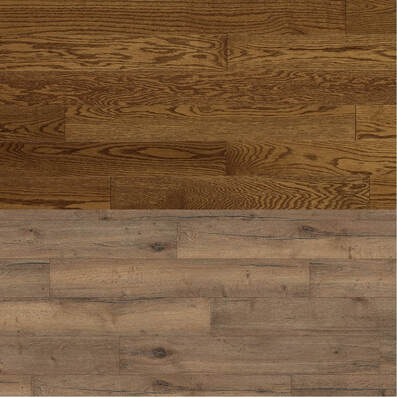
10/16/2023

0 Comments


Is Hardwood Flooring Really Better Than Laminate Flooring? Unveiling the Facts

Hardwood flooring and laminate flooring samples side by sidehardwood flooring and laminate flooring samples side by side
​Choosing the right flooring for your home is a significant decision that impacts not only the aesthetics but also the functionality and value of your space. One of the most debated topics in this realm is the choice between hardwood and laminate flooring. This article aims to settle the debate by providing an in-depth comparison, helping you make an informed decision.
Contact us if you're looking for personalized advice on flooring options.

The Basics: Hardwood vs. Laminate

​Hardwood Flooring
Hardwood is a natural material made from a single piece of wood, often sourced from trees like oak, maple, or cherry. It's renowned for its durability and can be refinished multiple times to extend its lifespan.

Laminate Flooring
Laminate, on the other hand, is a synthetic material made from multiple layers. While it mimics the appearance of wood, it doesn't offer the same level of durability. However, it is often more affordable and easier to install.

Durability and Longevity

When investing in new flooring, durability is often a top concern.
​
Hardwood Floors: Built to Last
Hardwood floors are known for their long-lasting nature. With proper care, they can last for decades and are less susceptible to wear and tear. Learn more about how to extend the lifespan of your hardwood floors.

Laminate Floors: A Practical Choice
Laminate floors may not last as long as hardwood, but they are generally easier to maintain. If you're looking for a short-term flooring solution, laminate might be the way to go.
Laminate flooring toronto
Solid hardwood flooring plank toronto

Aesthetic Appeal

Picture
The visual impact of your flooring can significantly influence the overall ambiance of your home. Both hardwood and laminate offer a range of styles, but they differ in key ways that can affect your home's aesthetic appeal.
​
Hardwood Flooring: Natural Elegance
Hardwood flooring is renowned for its natural beauty, offering a range of colors, grains, and finishes. Its timeless appeal can even enhance the resale value of your home.
​
Laminate Flooring: Design Versatility
Laminate flooring has evolved to offer a wide variety of designs that mimic the look of wood. While it may not have the authentic feel of hardwood, it offers versatility in design that can suit various home styles.

Cost Comparison

Budget is often a decisive factor when choosing flooring. Here's how hardwood and laminate stack up in terms of cost.
​
Hardwood Flooring: A Long-Term Investment For Your Toronto Home
While hardwood flooring comes with a higher initial cost, it can be a wise long-term investment due to its durability and potential to increase your home's value.
​
Laminate Floors: Budget-Friendly Yet Stylish
​
Laminate is generally more affordable, both in terms of material and installation. If you're on a budget but still want a stylish look, laminate flooring can be an excellent choice.
Hardwood Flooring Cost in Toronto
Laminate Flooring Cost in Toronto

Maintenance and Care

The level of maintenance required for your flooring can influence your overall satisfaction and long-term costs. Here's how hardwood and laminate compare.

Hardwood Floors: Regular Upkeep for Longevity
Hardwood floors require consistent care, including periodic sanding and refinishing. However, the effort is often worth it, as proper maintenance can extend the life of your hardwood floors.

Laminate Flooring: Easy and Effortless
​
Laminate flooring is generally easier to maintain, requiring just regular sweeping and occasional mopping. If you're looking for a low-maintenance option, laminate could be your go-to choice.

Environmental Impact

As sustainability becomes more important, understanding the environmental impact of your flooring choice is crucial.
​
Hardwood Flooring: Renewable but Resource-Intensive
Hardwood is a natural, renewable material but requires significant resources for processing. If sustainability is a priority, consider engineered hardwood as a more eco-friendly option.

Laminate Flooring: Lower Impact, Less Sustainability
​
Laminate flooring is less resource-intensive to produce but is not biodegradable. If you're concerned about environmental impact, it's important to weigh these factors when choosing between hardwood and laminate.
Eco Friendly Laminate floors
​Choosing between hardwood and laminate flooring involves various factors, including cost, durability, aesthetics, maintenance, and environmental impact. Both options have their merits, and your choice will ultimately depend on your specific needs, lifestyle, and budget. Whether you opt for the natural elegance of hardwood flooring  or the practicality and affordability of laminate flooring, make sure to consider all aspects to make an informed decision.

FAQ

Is Hardwood Flooring More Expensive Than Laminate?
​
Yes, hardwood flooring is generally more expensive both in terms of material and installation. However, it can be a wise long-term investment.

Can Laminate Flooring Look Like Real Wood?
Modern laminate flooring has improved significantly and can closely mimic the look of real wood.

Which Is Easier to Maintain: Hardwood or Laminate?
Laminate is generally easier to maintain and is a good option if you're looking for a low-maintenance flooring solution.

Is Hardwood Flooring Eco-Friendly?
Hardwood is a natural, renewable resource, but it can be resource-intensive to produce. Engineered hardwood is often considered a more eco-friendly option.
​
Can I Refinish Hardwood Floors?
Yes, one of the advantages of hardwood flooring is that it can be sanded and refinished multiple times, extending its lifespan.
0 Comments
<<Previous

    Parqueteam Hardwood Flooring

    Hardwood Flooring Toronto and The Greater Toronto Area.

    Archives

    October 2025
    September 2025
    August 2025
    July 2025
    January 2025
    December 2024
    December 2023
    November 2023
    October 2023
    September 2023
    August 2023
    June 2023
    May 2023
    April 2023
    July 2018
    February 2018
    January 2018
    December 2017
    March 2017
    February 2017
    January 2017
    November 2016
    October 2016
    May 2016
    March 2016
    February 2016
    January 2016
    December 2015
    November 2015
    October 2015
    September 2015
    August 2015
    July 2015
    June 2015
    May 2015
    April 2015
    March 2015
    February 2015
    January 2015
    December 2014
    June 2014
    May 2014
    April 2014
    March 2014

    Categories

    All
    Affordable Flooring
    Affordable Laminate Flooring
    Art Flooring
    Basement Flooring
    Best Commercial Flooring Toronto
    Canada
    Canadian
    Carpet Tile Flooring Toronto
    Cleaning Hardwood Floors
    Click Vinyl Plank Flooring
    Commercial Flooring
    Commercial Flooring Contractors Toronto
    Commercial Flooring Cost In Toronto
    Commercial Flooring Mississauga
    Commercial Flooring Scarborough
    Commercial Flooring Suppliers
    Commercial Flooring Toronto
    Commercial Flooring Toronto Prices
    Commercial Hardwood Flooring
    Commercial Interiors
    Commercial Vinyl Flooring Canada
    Condo Flooring
    Condo Flooring Toronto
    Condos
    Contractors
    Cost Of Laminate Flooring In Toronto
    Dark Hardwood Flooring
    Durable Hardwood Floors
    Dustless Hardwood Flooring Refinishing
    Engineered Hardwood
    Engineered Hardwood Flooring
    Engineered Hardwood Flooring Markham
    Engineered Hardwood Flooring Toronto
    Engineered Hardwood Floors
    Engineered Wood Floors
    Floating Hardwood Flooring
    Flooring
    Flooring Baseboards
    Flooring Baseboards Installation
    Flooring Benefits
    Flooring Companies In Toronto
    Flooring Comparison
    Flooring Contractors Toronto
    Flooring Cost
    Flooring FAQs
    Flooring Guide
    Flooring Innovation
    Flooring Installation
    Flooring Installation In Toronto
    Flooring In Toronto
    Flooring Maintenance
    Flooring Options
    Flooring Refinishing
    Flooring Repair Toronto
    Flooring Solutions
    Flooring Styles And Patterns
    Flooring Tips
    Flooring Tips And Guides
    Flooring Toronto
    Flooring Trends
    Floors
    Glue Down Engineered Hardwood Flooring
    Glue Down Hardwood Flooring
    Glue Down Hardwood Floors
    Glue Down Vinyl Flooring
    Glue Down Vinyl Flooring Toronto
    Glue Down Vinyl Plank Flooring
    Glue Down Vinyl Plank Flooring Toronto
    Hardwood
    Hardwood Floor
    Hardwood Flooring
    Hardwood Flooring Bradford
    Hardwood Flooring Contractor
    Hardwood Flooring Contractors
    Hardwood Flooring Contractors In Toronto
    Hardwood Flooring Contractors Toronto
    Hardwood Flooring Cost Toronto
    Hardwood Flooring Finishes
    Hardwood Flooring Installation
    Hardwood Flooring Installation Bradford
    Hardwood Flooring Installation Cost
    Hardwood Flooring Installation In Markham
    Hardwood Flooring Installation In Toronto
    Hardwood Flooring Installation Markham
    Hardwood Flooring Installation Mississauga
    Hardwood Flooring Installation North York
    Hardwood Flooring Installation Oakville
    Hardwood Flooring Installation Scarborough
    Hardwood Flooring Installation Toronto
    Hardwood Flooring Installation Vaughan
    Hardwood Flooring Installers In Toronto
    Hardwood Flooring In Toronto
    Hardwood Flooring Markham
    Hardwood Flooring Mississauga
    Hardwood Flooring Oakville
    Hardwood Flooring Refinishing
    Hardwood Flooring Repairs
    Hardwood Flooring Richmond Hill
    Hardwood Flooring Sanding And Refinishing
    Hardwood Flooring Scarborough
    Hardwood Flooring Toronto
    Hardwood Flooring Trends
    Hardwood Flooring Vaughan
    Hardwood Floor Refinishing Mississauga
    Hardwood Floors
    Hardwood Floors Toronto
    Hardwood Staircase
    Hardwood Stairs
    Herringbone Flooring
    Herringbone Hardwood Flooring Toronto
    Hickory Flooring
    Home Renovations
    Homes
    House
    Installation
    Laminate
    Laminate Flooring
    Laminate Flooring Installation
    Laminate Flooring Installation Toronto
    Laminate Flooring Installers
    Laminate Flooring Markham
    Laminate Flooring Mississauga
    Laminate Flooring Oakville
    Laminate Flooring Toronto
    Laminate Floors
    Maple Flooring
    Oak Flooring
    Parqueteam
    Parqueteam Hardwood Flooring
    Real Estate
    Refinishing
    Solid Hardwood Flooring
    Solid Vs Engineered Flooring
    Solid Wood Flooring
    Staining Hardwood Floors
    Staircase Refinishing
    Staircase Replacement
    Staircase Restaining
    Stair Refinishing Bradford
    Stair Refinishing Etobicoke
    Stair Refinishing Markham
    Stair Refinishing Mississauga
    Stair Refinishing Oakville
    Stair Refinishing Richmond Hill
    Stair Refinishing Scarborough
    Stair Refinishing Toronto
    Stair Refinishing Vaughan
    Sustainable Flooring
    Toronto
    Toronto Flooring
    Toronto Flooring And Stairs
    Toronto Flooring Services
    Toronto Hardwood Flooring
    Vinyl Flooring
    Vinyl Flooring Cost In Toronto
    Vinyl Flooring Installation Toronto
    Vinyl Flooring Toronto
    Vinyl Plank Flooring
    Vinyl Plank Flooring In Toronto
    Vinyl Plank Flooring Mississauga
    Vinyl Plank Flooring Toronto
    Water Proof Flooring
    Wide Plank Flooring Toronto
    Wide Plank Hardwood Floor
    Wide Plank Hardwood Flooring
    Wood
    Wooden Floors
    Wood Flooring
    Wood Flooring Installation
    Wood Flooring Installation In Toronto
    Wood Flooring Toronto
    Wood Floors
    Wood Stairs Installation Toronto
    Wood Stairs Toronto

    RSS Feed

Areas We Produly Serving...

Hardwood Flooring Ajax
Hardwood Flooring Aurora
Hardwood Flooring Brampton
Hardwood Flooring Bradford
Hardwood Flooring Burlington
Hardwood Flooring Cambrdige
Hardwood Flooring Etobicoke
Hardwood Flooring Hamilton

​Hardwood Flooring Markham
Hardwood Flooring Maple
​Hardwood Flooring Mississauga
Hardwood Flooring Milton
Hardwood Flooring Newmarket
Hardwood Flooring North-York
Hardwood Flooring Oshawa
Hardwood Flooring Oakville
Hardwood Flooring Richmond Hill
Hardwodo Flooring Scarborough
​Hardwood Flooring Toronto
​Hardwood Flooring Thornhill
Hardwood Flooring Vaughan
Hardwood Flooring Woodbridge
Picture

A Little About Us...

Picture
At Parqueteam Hardwood Flooring we offer hardwood flooring installation in Toronto and as well as the rest of The Greater Toronto Area. You will be thoroughly impressed by our hardwood flooring installation which includes fitting of various types of hardwood flooring, laminate flooring, finishing works like baseboard installation and quarter rounds, hardwood stairs, and much much more!

We Are All Ears...

​Call: 
(416)- 305 2256
(416)- 786 1087
Email: 
[email protected]
  • Home
  • Our Mission
  • Contact Us
    • Quick Quote Request
    • Request Home Visit
  • Our Services
    • Hardwood Flooring Installation Toronto
    • Dustless Hardwood Flooring Refinishing Toronto
    • Dustless Stair Refinishing Toronto
    • Condo Flooring Toronto: Best Options, Costs, and Tips
    • Commercial Flooring Toronto
    • Hardwood Flooring Repairs In Toronto
    • Flush Mount Floor Vent Installation Toronto
    • Laminate Flooring Installation Toronto
    • Vinyl Plank Flooring Installation Toronto
    • Glue Down Hardwood Flooring In Toronto
    • Flooring for Film Studio Toronto
  • Product Info
    • Carpet Tile Flooring Toronto
    • Herringbone Hardwood Flooring Toronto
    • Solid Hardwood Flooring
    • Wide Plank Hardwood Flooring Toronto
    • Brazilian Cherry Hardwood Flooring
    • Basement Flooring Toronto
    • Engineered Hardwood Flooring Toronto
    • Laminate Flooring Toronto
    • Vinyl Plank Flooring Toronto
    • Glue Down Vinyl Plank Flooring Toronto
  • Portfolio
  • Blog