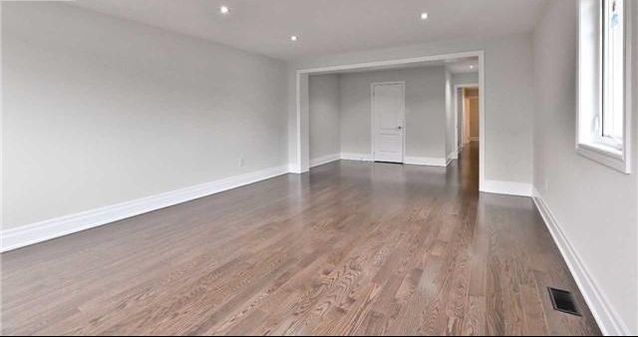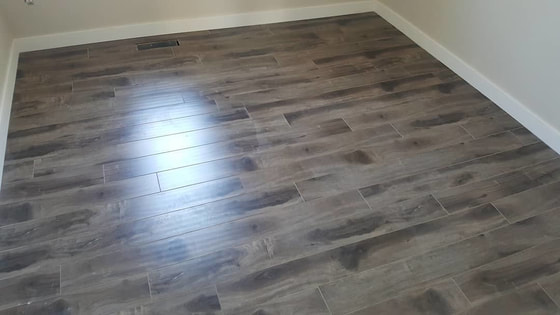

Hardwood Floor Refinishing Cost in Toronto – 2025 Pricing Guide
In Toronto, most professional hardwood floor refinishing projects land in the mid-range per square foot, with pricing moving up or down based on condition, layout, stain choice, and whether you choose a dustless system.
A realistic expectation for many homes is:
Most Toronto homeowners will see quotes that generally fall into one of these bands:
Average Refinishing Cost in Toronto
To make this feel more real, here’s how the math typically plays out using a “normal” professional pricing range you’ll often see across Toronto.
Why Small Areas Cost More
One thing that surprises homeowners is this: A small refinishing job can cost more per square foot than a larger one. Why?
Because even a tiny room still requires:
What Affects Hardwood Floor Refinishing Cost in Toronto?
Once you understand the baseline range, the next step is knowing why your specific quote might land higher or lower than someone else’s—even if your homes are similar in size.
In Toronto, refinishing prices usually shift because of a few predictable factors: Size & Layout of the Space You’ll typically see better pricing when you have:
Floor Condition & Repair Needs Your price can increase if your floors have:
Wood Type Toronto homes are full of different hardwood styles, and each can affect labour time.
Staining & Colour Changes If you’re staying close to the natural colour of the wood, the refinishing process is simpler. Costs often rise when you want:
Access, Condo Rules & Worksite Logistics This is a very Toronto-specific pricing reality. Your quote may increase if the job involves:
Stairs, Railings & Extra Line Items
This is one of the biggest “surprise” areas for homeowners comparing quotes:
stairs are almost never included in standard per-square-foot floor pricing. Even if your main floor refinishing estimate looks straightforward, stairs can add a meaningful amount to the total project cost. Why Stair Refinishing Is Priced Separately? Unlike flat floors, stairs require:
Why Bundling Floors + Stairs Often Helps If you're refinishing your main floor anyway, it can be more cost-effective to: bundle stairs and landings into the same project. This can reduce overall costs because:
Practical Takeaway When you get quotes in Toronto, expect:
Engineered Hardwood Refinishing Costs
Engineered hardwood is everywhere in Toronto—especially for condo flooring and newer homes—so this question comes up a lot: Can engineered hardwood be refinished, and what does it cost? The answer:
Some engineered hardwood can be refinished, and some can’t. It depends almost entirely on the thickness of the top hardwood veneer layer. If the top layer is thick enough, a professional can often perform a full refinishing job. Usually 2mm and above of top vaneer thickness required. If the veneer is thin, aggressive sanding can risk:
Cost Differences vs Solid Hardwood When engineered hardwood is safe to refinish, pricing is often:
Is It Cheaper to Refinish Hardwood Floors or Replace Hardwood Floors?
For most Toronto homes with existing solid hardwood floors, refinishing is the more affordable option—often by a wide margin.
Even when refinishing feels like a big project, it usually costs far less than:
Why Refinishing Usually Wins on Value Refinishing makes the most financial sense when:
When Replacement Makes More Sense Replacing your floors may be the smarter path if:
How to Save Money on Hardwood Floor Refinishing in Toronto (Without Cutting Corners)
Let’s be real: everyone wants a good price. But with refinishing, the cheapest option can quietly become the most expensive if the prep or finish quality is rushed.
Here’s how Toronto homeowners can keep costs under control without sacrificing the final result. Refinish More Area at OnceIf you’re debating between:
Move Small Items Yourself You don’t need to go full moving-company mode, but if you can pre-clear:
Bundle Floors + Stairs If your stairs are close to the refinished area, doing them together can:
Be Careful with Ultra-Low Quotes This is the big one. A rushed refinishing job might involve:
Think in “Cost Per Year,” Not Just Cost Today The best refinishing value isn’t always the lowest upfront price—it’s the one that gives you:
FAQ
How much does hardwood floor refinishing cost in Toronto?
The cost of refinishing hardwood floors in Toronto typically ranges from $5.00 to $12.00 per square foot. This can vary depending on the size of the project, the type of wood, and any additional services like repairing and job site preparation What is the average cost per square foot to refinish hardwood floors? Areas that are less than 600 square feet may fall anywhere between $6.00 - $12.00 per square feet, depends on size, type of wood, and complex of the job. Areas above 600 square feet would fall anywhere from $5.00 - $6.50 per square feet, depends on size, type of wood, and complex of the job. How much does it cost to refinish 1,000 sq ft of hardwood floors in Toronto? A 1,000 sq ft project typically lands in a common “whole-floor” budget bracket, but the price can shift based on:
Can engineered hardwood be refinished? Sometimes yes. Engineered hardwood can be refinished if the top veneer is thick enough to safely sand. If it’s thin, a full refinish may not be recommended. How long does hardwood floor refinishing take? The time it takes to refinish hardwood floors depends on the size of the area and the condition of the floor. On average, the process takes 3 to 5 days, including drying time. For larger areas or custom finishes, it may take longer. How often should hardwood floors be refinished? In typical Toronto homes, solid hardwood can last many years before needing a full refinish. For high-traffic areas, hardwood floors may need to be refinished every 7-10 years. In low-traffic areas, refinishing may be required less frequently.
0 Comments
What Thickness of Vinyl Plank Flooring Is Best for Toronto Homes?
When it comes to vinyl plank flooring, thickness is more than just a number—it plays a major role in how your floors feel, sound, and last over time. Especially in Toronto homes and condos, where changing seasons bring fluctuating temperatures and humidity levels, selecting the right thickness of vinyl plank flooring can make a big difference in both comfort and durability.
But how thick should your vinyl planks be? The answer depends on a few key factors: where the vinyl planks flooring is being installed, the subfloor condition, and the installation method—click or glue-down. In this blog post, we’ll break down everything you need to know to make an informed decision, based on real-life installation experience across the Greater Toronto Area. Understanding Vinyl Plank Flooring Thickness
Before we dive into recommendations, it’s important to understand what “thickness” actually means in vinyl plank flooring. There are two types of thickness to pay attention to:
Real-Life Recommendations from a Toronto Vinyl Plank Flooring Installer
At Parqueteam Hardwood Flooring, we’ve installed thousands of vinyl plank floors across Toronto, and here’s what we’ve learned through real-world experience:
Click Vinyl Plank Flooring
Comparing Wear Layer Thickness: 6 mil vs 12 mil vs 20+ mil
When shopping for vinyl plank flooring, thickness isn’t the only number to look at—the wear layer plays a critical role in long-term durability, especially in high-traffic Toronto homes and condos.
What Is the Wear Layer? The wear layer is a clear protective coating on top of the vinyl plank. It shields the floor from scratches, dents, and daily wear. Common Wear Layer Options:
Our Advice for Toronto Homes:
Vinyl Plank Thickness & Installation Type: Floating vs Glue-Down
The installation method plays a crucial role in determining the ideal thickness for your vinyl plank flooring. In Toronto condos and homes, space constraints, noise regulations, and subfloor conditions often influence which type is better suited.
Click (Floating) Vinyl Plank Flooring
Glue-Down Vinyl Plank Flooring
What Thickness Is Best for Toronto Homes, Condos, and Basements?
Choosing the right vinyl plank thickness depends not only on performance but also on your location-specific needs in Toronto. Here’s how it breaks down:
Condos
Related Blog Posts:
FAQs About Vinyl Plank Thickness in Toronto
Q: Is thicker vinyl plank flooring always better?
A: Not necessarily. While thicker planks (like 8mm+) are great for comfort and acoustic performance—especially in condos and upper floors—glue-down options in the 3mm–5mm range are just as durable and more stable in moisture-prone areas like basements. Q: Is a 5mm vinyl plank thick enough? A: Yes, 5mm is considered a solid choice for both residential and light commercial spaces—especially for glue-down installations. It strikes a good balance between flexibility, durability, and performance. Q: Is 7mm thick vinyl flooring okay? A: 7mm click vinyl is borderline. While it may work in certain low-traffic areas, 8mm is highly recommended for better click stability and longevity—especially in Toronto’s temperature-fluctuating climate. Q: What’s the difference between 6 mil and 12 mil wear layers? A: The mil rating refers to the wear layer, not the thickness of the plank itself. 12 mil provides better scratch resistance and durability. For Toronto homes, 12 mil or higher is ideal, especially in high-traffic areas. Q: Can I use thick vinyl plank flooring in the basement? A: You can, but it’s not always the best idea. Thicker click planks with underlay while they are a good option, they may still have problems in basements, since a lot of basements come with unever subfloors. 3mm–5mm glue-down vinyl is a better option in basements in those cases. Are Vinyl Plank Floors Better Than Laminate Floors?
When choosing a new floor for your Toronto home or condo, two options often come up: vinyl plank flooring and laminate flooring. Both offer stylish looks, affordable pricing, and easier maintenance than hardwood floors. But which one is truly better?
The answer depends on your needs — especially considering Toronto’s changing seasons, condo regulations, and potential moisture exposure in basements, kitchens, or bathrooms. In this guide, we’ll break down the differences between vinyl plank and laminate flooring, covering everything from durability and water resistance to cost and comfort, so you can make an informed decision that fits your space. What Are Vinyl Plank & Laminate Flooring?
Vinyl Plank Flooring (LVP/LVT)
Vinyl plank flooring is a 100% synthetic product, made from multiple layers of PVC and topped with a photographic print layer and a protective wear layer. It’s available in different core types like SPC (stone plastic composite) or WPC (wood plastic composite), and comes in both click and glue-down versions.
It’s popular for:
Laminate Flooring
Laminate is made from high-density fiberboard (HDF) with a photographic wood layer and a tough wear layer on top. Unlike vinyl, it contains wood materials, which means it is not fully waterproof. However, it often provides better texture and realism compared to lower-end vinyl.
It’s ideal for:
Vinyl Flooring vs. Laminate Flooring: Key Comparison Points for Toronto Homes
When choosing between vinyl plank flooring and laminate flooring in Toronto, several practical factors come into play:
Water Resistance Vinyl plank flooring is fully waterproof, making it an ideal choice for moisture-prone areas like basements, kitchens, and bathrooms. Laminate flooring, on the other hand, is only water-resistant — meaning it can handle minor spills but may swell or warp with prolonged exposure to water. Durability Both flooring types are designed for high traffic, but vinyl plank (especially SPC or glue-down commercial-grade vinyl) tends to be more resistant to dents, scratches, and daily wear and tear. Laminate is durable as well but may show scratches more easily and isn't as impact-resistant as vinyl. Comfort and Feel Underfoot Laminate floors often feel harder underfoot, though they can mimic the warmth and texture of natural wood more closely. Vinyl plank flooring offers a softer and slightly more cushioned feel, especially with WPC or attached underpad options, which makes it more comfortable to walk on for long periods. Noise and Acoustics Without proper underlay, laminate floors can sound hollow or loud when walked on. Vinyl tends to be quieter, especially click vinyl with built-in underlayment or glue-down types that bond directly to the subfloor — a key advantage in Toronto condos where noise transfer is a concern. Appearance and Style Laminate flooring often offers a more authentic wood-like appearance with deep textures and embossing. However, luxury vinyl planks have significantly improved in design and now offer highly realistic visuals, including wood, stone, and tile looks. Installation and Cost Both are considered DIY-friendly, but vinyl plank flooring comes in more flexible formats: click-lock, glue-down, and loose lay. Laminate is mostly click-lock. In terms of cost, laminate is usually slightly cheaper per square foot, but vinyl’s water resistance and long-term durability can offer better value over time — especially in areas prone to moisture. Which One Fits Best in Toronto Homes & Condos
When choosing between vinyl plank flooring and laminate flooring in a Toronto setting, several local factors matter — climate, housing type (condo vs. house), moisture levels, and lifestyle.
Toronto's Climate Consideration:
Common Misconceptions & Trade-offs
Even though vinyl plank and laminate flooring are often compared side by side, there are still many misconceptions that mislead Toronto homeowners. Let’s clear up a few:
Misconception 1: Laminate is always cheaper than vinyl.
Misconception 2: All vinyl is the same.
Misconception 3: Laminate can’t handle wear and tear.
Misconception 4: Vinyl feels cheap underfoot.
Recommendations by Use-Case
Choosing between vinyl plank and laminate flooring often comes down to where and how you plan to use the flooring. Below are our expert recommendations based on different scenarios commonly found in Toronto homes and condos:
Condo Living (Downtown or High-Rise Units) Recommended: Both Laminate Floor and Click Vinyl Plank Flooring
Bathrooms & Laundry Rooms Recommended: Glue-Down or Click Vinyl Plank Flooring
Family Rooms & Bedrooms Recommended:Laminate Flooring (AC4/AC5-rated)
Basements & Lower Levels Recommended: Glue-Down or Click Vinyl Plank Flooring
Rental Units or Investment Properties Recommended: Vinyl Plank Flooring (Click or Glue-Down)
FAQs – Vinyl Plank vs. Laminate Flooring in Toronto
Is vinyl plank flooring more durable than laminate flooring?
Yes, especially when it comes to moisture resistance and wear in high-traffic areas. Vinyl plank is waterproof, while laminate can swell if exposed to water. Which is more affordable: vinyl or laminate? Laminate flooring is generally more affordable per square foot, especially for mid-range options. However, vinyl's longer lifespan and lower maintenance may offer better long-term value. Does vinyl floor or laminate floor look more like real wood? Laminate typically has a more realistic wood texture and appearance, especially in premium styles. Vinyl has improved, but still often has a slightly more synthetic look, depending on the brand. Can I install vinyl or laminate flooring in a condo? Yes, but always check with your condo board. Click vinyl is often preferred due to its waterproof nature. Which is easier to install: laminate or vinyl plank? Click versions of both are DIY-friendly. Vinyl is slightly more forgiving for uneven subfloors, while laminate offers tighter locking mechanisms. Which flooring is quieter underfoot? Both lamiante floors and vinyl planks floors have similar undefoot quietness, specially when a proper underlayment is used (or attached already by manufacturer).
|
| Navigating through Toronto's hardwood flooring options might seem daunting, but armed with the right information, it becomes an exciting journey to finding the perfect flooring for your home. High-quality hardwood flooring is not just a purchase; it's a long-term investment in the beauty and comfort of your living space. Whether you opt for the classic charm of solid hardwood or the modern versatility of engineered flooring, the key is to focus on quality, sustainability, and a style that resonates with your personal taste and home's character. At Parqueteam Hardwood Flooring, we understand the importance of each step in this journey – from choosing the right wood to professional installation. We take pride in guiding our clients through this process, ensuring that they not only find the best hardwood flooring in Toronto but also enjoy the beauty and durability it brings to their homes for years to come. Remember, the best floors are the ones that you'll love walking on every day. |
FAQ Section: Your Hardwood Flooring Questions Answered
Q: What is the highest quality hardwood flooring available in Toronto?
A: The highest quality hardwood flooring is often characterized by its durability, finish, and grain quality. Species like Canadian maple and oak are highly regarded for their longevity and aesthetic appeal.
Q: What is the best grade of hardwood flooring for my home?
A: The best grade often depends on your personal preference and the intended use of the space. Clear or select grades offer uniformity and fewer imperfections, ideal for formal areas. For a more natural look with character, consider lower grades with more knots and color variation.
Q: What is the best hard hardwood flooring for high-traffic areas?
A: For high-traffic areas, hardwoods like hickory or oak are excellent choices due to their hardness and durability. These species can better withstand wear and tear, maintaining their appearance over time.
Q: How much does hardwood flooring typically cost in Toronto?
A: The cost of hardwood flooring in Toronto varies based on the type of wood, installation complexity, and the area's size. On average, prices can range from moderate to high-end, depending on these factors. For a detailed cost analysis specific to Toronto, check out our breakdown on hardwood flooring costs.
A: The highest quality hardwood flooring is often characterized by its durability, finish, and grain quality. Species like Canadian maple and oak are highly regarded for their longevity and aesthetic appeal.
Q: What is the best grade of hardwood flooring for my home?
A: The best grade often depends on your personal preference and the intended use of the space. Clear or select grades offer uniformity and fewer imperfections, ideal for formal areas. For a more natural look with character, consider lower grades with more knots and color variation.
Q: What is the best hard hardwood flooring for high-traffic areas?
A: For high-traffic areas, hardwoods like hickory or oak are excellent choices due to their hardness and durability. These species can better withstand wear and tear, maintaining their appearance over time.
Q: How much does hardwood flooring typically cost in Toronto?
A: The cost of hardwood flooring in Toronto varies based on the type of wood, installation complexity, and the area's size. On average, prices can range from moderate to high-end, depending on these factors. For a detailed cost analysis specific to Toronto, check out our breakdown on hardwood flooring costs.
How Much Does It Cost to Install Hardwood Floors in Toronto?
Ah, the allure of hardwood floors! There's something undeniably charming about walking into a Toronto home adorned with the natural beauty of wood flooring. But let's face it, the decision to install hardwood floors is not just a matter of aesthetics. One of the first questions that pop into your mind is, "How much is this going to cost me?" Well, you're in luck! This blog post aims to break down the costs associated with installing hardwood floors in Toronto, so you can make an informed decision without breaking the bank.
Factors Affecting the Cost
- Material Costs: The type of hardwood you choose can significantly impact the overall cost. From solid hardwood to engineered hardwood, the options are plentiful but come with varying price tags. Exotic woods like Brazilian Cherry can be more expensive than your standard Oak or Maple.
- Labour Costs: The complexity of the installation process can also affect labor costs. For instance, installing hardwood on an angle, or any special pattern would be much harder than installing it in a straight regular install, and this can lead to increase in labor costs.
- Subfloor Preparation: Don't underestimate the cost of preparing your subfloor. Whether it's concrete or plywood, the subfloor needs to be clean, dry, and level for the hardwood to be installed correctly. Sometimes, this might involve additional costs for materials and labor.
- Additional Costs: Finishes like moldings/baseboards, transitions and underlayments, or special adhesives, are several additional costs that can sneak up on you. It's essential to factor these into your budget to avoid any unpleasant surprises.
|
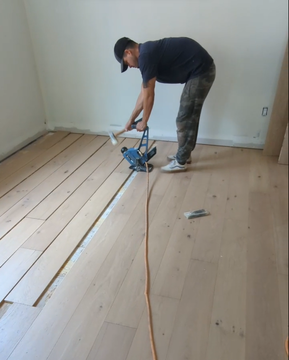
Cost Breakdown by Type of Hardwood
- Solid Hardwood Flooring: is often considered the gold standard in flooring, offering durability and a timeless look. However, it's also on the higher end of the cost spectrum. For more details on solid hardwood options, you can read our solid hardwood flooring page.
- Engineered Hardwood Flooring: Offers a more budget-friendly alternative without sacrificing too much in terms of aesthetics and durability. The cost can vary based on the quality of the top veneer. For an in-depth look at engineered hardwood, check out our engineered hardwood flooring page.
Cost Comparison: DIY vs. Professional Installation
Going the DIY route can save you some money upfront, but it's essential to consider the hidden costs. These can include tools you may need to purchase or rent, as well as the value of your time. If you're interested in taking the DIY route, our hardwood flooring blog on a few steps before installing brand-new hardwood flooring can offer some valuable insights.
On the other hand, Hiring professionals may seem more expensive initially, but their expertise can save you from costly mistakes in the long run. Plus, the job will likely be completed much faster.
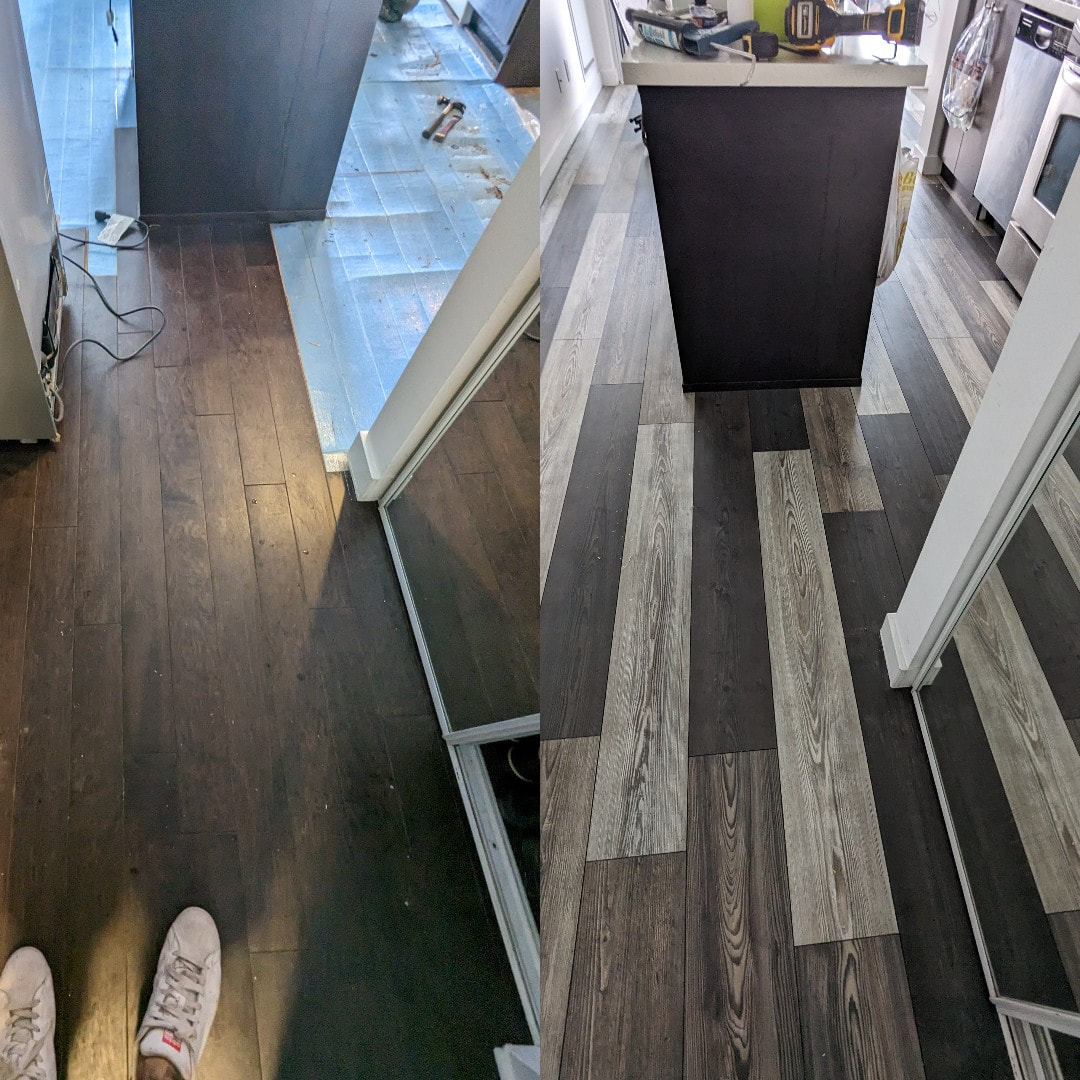
|
Installing hardwood flooring in Toronto is an investment that pays off not just in the aesthetics of your home, but also in its resale value. While the upfront costs can vary based on a multitude of factors, the long-term benefits are undeniable. From the type of hardwood you choose to whether you opt for DIY or professional installation, each decision will impact your final bill. For a more detailed guide on the types of hardwood flooring and their benefits, visit our comprehensive guide for Toronto homeowners.
FAQ
1. What is the average cost per square foot for hardwood flooring in Toronto?
The average cost can range from $6 to $12 per square foot, depending on the type of hardwood and other factors.
2. Is it cheaper to install hardwood flooring myself?
While DIY can save on labor costs, it's essential to consider the complexity of the job and the tools required. For more on DIY vs. professional installation, read here.
3. What are some hidden costs I should be aware of?
Additional costs can include the removal of old flooring and moving furniture. Always ask for a detailed quote to avoid surprises.
4. Does the type of hardwood significantly affect the cost?
Yes, exotic woods and high-end options will be more expensive than standard choices. For a breakdown by type, visit this page.
5. How can I get the most value for my money when installing hardwood floors?
To maximize your investment, consider the long-term benefits of the type of hardwood you choose, as well as the potential resale value it could add to your home. Always get multiple quotes and ask for detailed breakdowns to make an informed decision.
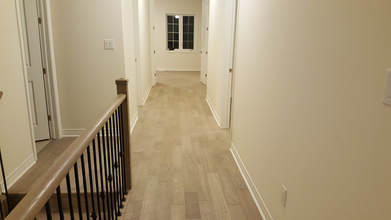
The average cost can range from $6 to $12 per square foot, depending on the type of hardwood and other factors.
2. Is it cheaper to install hardwood flooring myself?
While DIY can save on labor costs, it's essential to consider the complexity of the job and the tools required. For more on DIY vs. professional installation, read here.
3. What are some hidden costs I should be aware of?
Additional costs can include the removal of old flooring and moving furniture. Always ask for a detailed quote to avoid surprises.
4. Does the type of hardwood significantly affect the cost?
Yes, exotic woods and high-end options will be more expensive than standard choices. For a breakdown by type, visit this page.
5. How can I get the most value for my money when installing hardwood floors?
To maximize your investment, consider the long-term benefits of the type of hardwood you choose, as well as the potential resale value it could add to your home. Always get multiple quotes and ask for detailed breakdowns to make an informed decision.
Engineered hardwood flooring Homeowners in Toronto lately had been shifting their preference from solid hardwood floors, to engineered hardwood flooring. Why? There are many reasons for this shift. One of the main ones is humidity and climate. As we all know, with weather changes and humidity fluctuations, solid hardwood floors tend to shrink or expand, causing gaps in between the planks. Engineered hardwood flooring is more resistible to that fact, having a wider range of possible humidity in the house/apartment, as opposed to the narrow range for solid hardwood floors. Also, as opposed to solid wood floors, engineered hardwood floors have different ways of installation. Solid wood floors require to be nailed to a wooden sub floor. Engineered hardwood floors can be glued down, nailed down, floated, and some of them even come with a click float system.
Also, engineered hardwood floors can be installed over concrete, and in apartments and basements without having a subfloor installed before.
The introduction of engineered hardwood floor solved a lot of issues that homeowners faced with hardwood floors such as the humidity issue, high installation costs when trying to install solid floor over concrete or in apartment, and more importantly, it adds more flexibility to your budget, making sure you can afford and enjoy new wooden floors at your place!
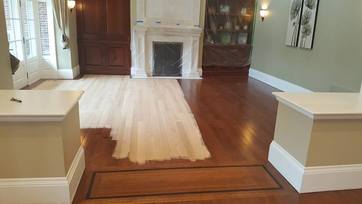
Also, engineered hardwood floors can be installed over concrete, and in apartments and basements without having a subfloor installed before.
The introduction of engineered hardwood floor solved a lot of issues that homeowners faced with hardwood floors such as the humidity issue, high installation costs when trying to install solid floor over concrete or in apartment, and more importantly, it adds more flexibility to your budget, making sure you can afford and enjoy new wooden floors at your place!
Hardwood flooring refinishing One of the most common problems we encounter with hardwood floors in Toronto is damages and scratches. There are many causes that can damage your hardwood floors over time. Certain areas of the home are high traffic areas; these ones usually get the biggest damages (such as entry and kitchen). Also, shiny take in mind shiny floors show more damages and scratches that exists on your floor (opposed to satin finish or wire brushed finish).
If your hardwood floor is scratched and damaged, maybe its time for a good sanding and refinishing.
One of the main benefits of having a hardwood floor is that it’s always possible to refinish the floor instead of replacing it when damages happen, or once its warn off. This process helps avoiding the costly process of removing existing floor and replacing it with a new one (unless you have 100 years old floors, then there is no point on refinishing).
The best part of this process? You can choose almost any color you want for your new stain. So not only you getting new looking floor, but also you can also change the color, as well as the finish (from shiny to less shiny for example)
Overall, refinishing hardwood floors is beneficial for both, people who damaged their floors over time, and people who tired of the color of the existing floor they have. The good news, we saved you time and money to turn around things!
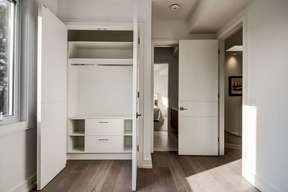
If your hardwood floor is scratched and damaged, maybe its time for a good sanding and refinishing.
One of the main benefits of having a hardwood floor is that it’s always possible to refinish the floor instead of replacing it when damages happen, or once its warn off. This process helps avoiding the costly process of removing existing floor and replacing it with a new one (unless you have 100 years old floors, then there is no point on refinishing).
The best part of this process? You can choose almost any color you want for your new stain. So not only you getting new looking floor, but also you can also change the color, as well as the finish (from shiny to less shiny for example)
Overall, refinishing hardwood floors is beneficial for both, people who damaged their floors over time, and people who tired of the color of the existing floor they have. The good news, we saved you time and money to turn around things!
Nothing increases value of a house in Toronto area as newly installed floors. By installing solid hardwood flooring you are actually investing money and will obtain benefits and advantages of your investment in the future. Hardwood flooring perhaps is most popular choice. Hardwood flooring is highly reliable, durable and long lasting flooring material. Hardwood flooring is also poses aesthetic benefits: rich and sophisticated look.
Regardless of your residence type (condo, apartment or a house) you cannot go wrong with the solid hardwood flooring installation. Whether you own a business venue or private residence, hardwood flooring installation will immediately increase an overall value of the entire property. In addition, there is eco-friendly hardwood flooring materials available. It is a healthy choice for both pet owners and parents. If you are looking for a long term investment into your property, hardwood floors probably would be a best option. It increases the value of your residence instantly and costs are paid off quickly.
Last Month we were discussing and showing some ideas for the more popular and modern colours that are being used by home owners for their hardwood floors in Toronto and the Greater Toronto Area.
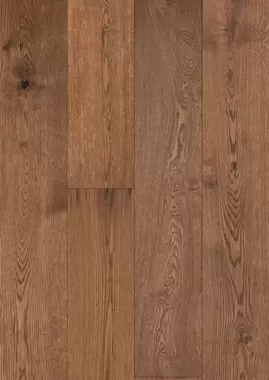
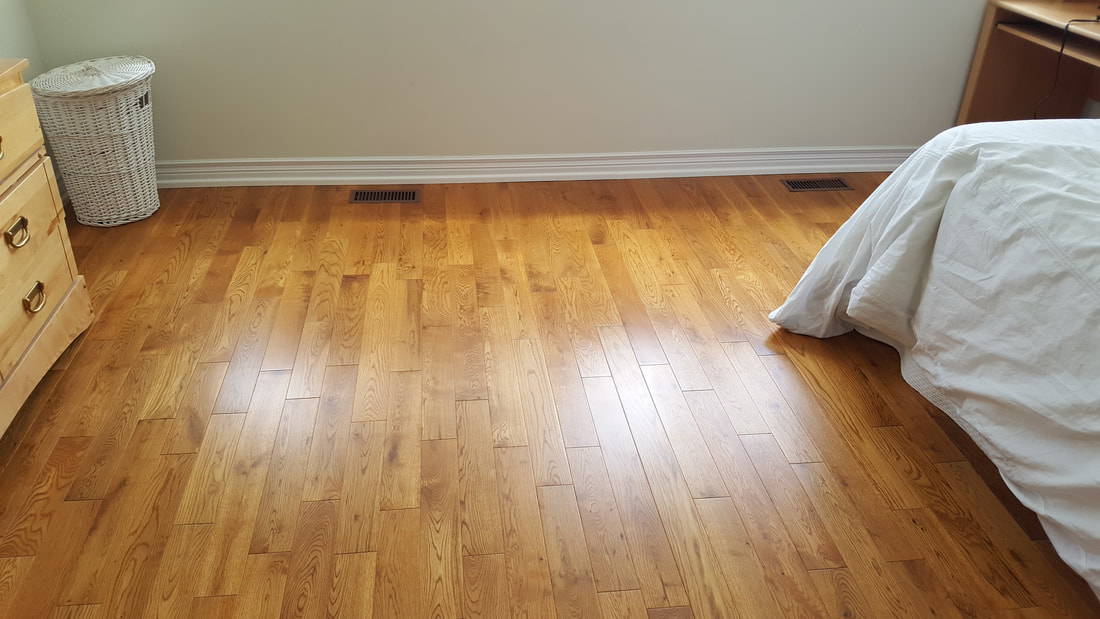
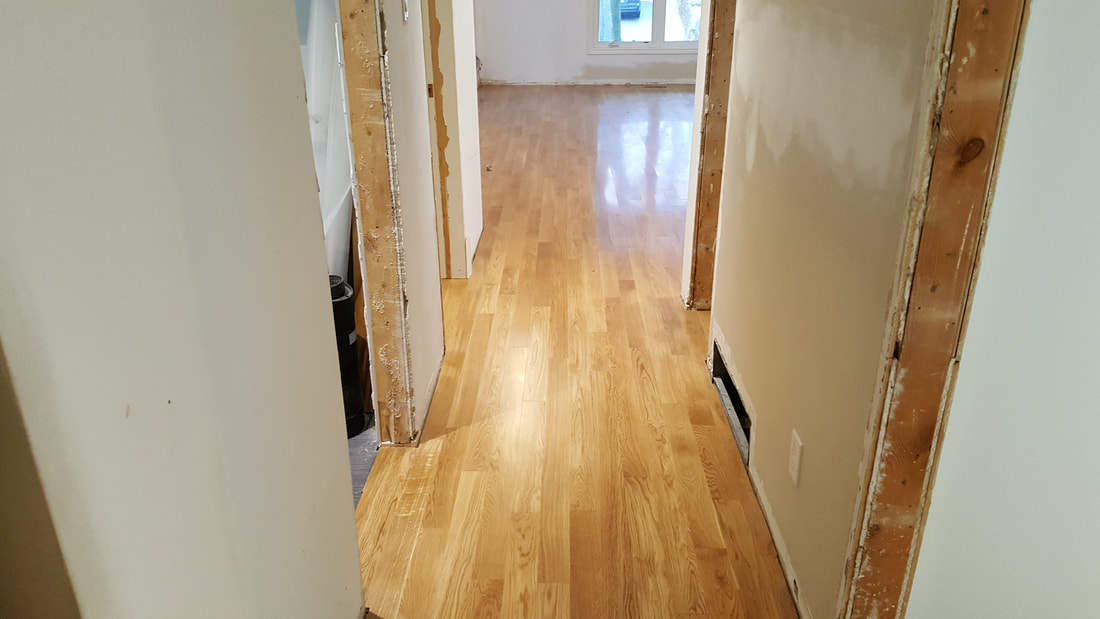
This month, we will share some more classical ideas for your flooring. The more natural-orange colour is still a favourite choice by home owners who like to light up their place. It is still great looking floor, and surprisingly still popular among home owners in the Greater Toronto Area.
Parqueteam Hardwood Flooring
Hardwood Flooring Toronto and The Greater Toronto Area.
Archives
October 2025
September 2025
August 2025
July 2025
January 2025
December 2024
December 2023
November 2023
October 2023
September 2023
August 2023
June 2023
May 2023
April 2023
July 2018
February 2018
January 2018
December 2017
March 2017
February 2017
January 2017
November 2016
October 2016
May 2016
March 2016
February 2016
January 2016
December 2015
November 2015
October 2015
September 2015
August 2015
July 2015
June 2015
May 2015
April 2015
March 2015
February 2015
January 2015
December 2014
June 2014
May 2014
April 2014
March 2014
Categories
All
Affordable Flooring
Affordable Laminate Flooring
Art Flooring
Basement Flooring
Best Commercial Flooring Toronto
Canada
Canadian
Carpet Tile Flooring Toronto
Cleaning Hardwood Floors
Click Vinyl Plank Flooring
Commercial Flooring
Commercial Flooring Contractors Toronto
Commercial Flooring Cost In Toronto
Commercial Flooring Mississauga
Commercial Flooring Scarborough
Commercial Flooring Suppliers
Commercial Flooring Toronto
Commercial Flooring Toronto Prices
Commercial Hardwood Flooring
Commercial Interiors
Commercial Vinyl Flooring Canada
Condo Flooring
Condo Flooring Toronto
Condos
Contractors
Cost Of Laminate Flooring In Toronto
Dark Hardwood Flooring
Durable Hardwood Floors
Dustless Hardwood Flooring Refinishing
Engineered Hardwood
Engineered Hardwood Flooring
Engineered Hardwood Flooring Markham
Engineered Hardwood Flooring Toronto
Engineered Hardwood Floors
Engineered Wood Floors
Floating Hardwood Flooring
Flooring
Flooring Baseboards
Flooring Baseboards Installation
Flooring Benefits
Flooring Companies In Toronto
Flooring Comparison
Flooring Contractors Toronto
Flooring Cost
Flooring FAQs
Flooring Guide
Flooring Innovation
Flooring Installation
Flooring Installation In Toronto
Flooring In Toronto
Flooring Maintenance
Flooring Options
Flooring Refinishing
Flooring Repair Toronto
Flooring Solutions
Flooring Styles And Patterns
Flooring Tips
Flooring Tips And Guides
Flooring Toronto
Flooring Trends
Floors
Glue Down Engineered Hardwood Flooring
Glue Down Hardwood Flooring
Glue Down Hardwood Floors
Glue Down Vinyl Flooring
Glue Down Vinyl Flooring Toronto
Glue Down Vinyl Plank Flooring
Glue Down Vinyl Plank Flooring Toronto
Hardwood
Hardwood Floor
Hardwood Flooring
Hardwood Flooring Bradford
Hardwood Flooring Contractor
Hardwood Flooring Contractors
Hardwood Flooring Contractors In Toronto
Hardwood Flooring Contractors Toronto
Hardwood Flooring Cost Toronto
Hardwood Flooring Finishes
Hardwood Flooring Installation
Hardwood Flooring Installation Bradford
Hardwood Flooring Installation Cost
Hardwood Flooring Installation In Markham
Hardwood Flooring Installation In Toronto
Hardwood Flooring Installation Markham
Hardwood Flooring Installation Mississauga
Hardwood Flooring Installation North York
Hardwood Flooring Installation Oakville
Hardwood Flooring Installation Scarborough
Hardwood Flooring Installation Toronto
Hardwood Flooring Installation Vaughan
Hardwood Flooring Installers In Toronto
Hardwood Flooring In Toronto
Hardwood Flooring Markham
Hardwood Flooring Mississauga
Hardwood Flooring Oakville
Hardwood Flooring Refinishing
Hardwood Flooring Repairs
Hardwood Flooring Richmond Hill
Hardwood Flooring Sanding And Refinishing
Hardwood Flooring Scarborough
Hardwood Flooring Toronto
Hardwood Flooring Trends
Hardwood Flooring Vaughan
Hardwood Floor Refinishing Mississauga
Hardwood Floors
Hardwood Floors Toronto
Hardwood Staircase
Hardwood Stairs
Herringbone Flooring
Herringbone Hardwood Flooring Toronto
Hickory Flooring
Home Renovations
Homes
House
Installation
Laminate
Laminate Flooring
Laminate Flooring Installation
Laminate Flooring Installation Toronto
Laminate Flooring Installers
Laminate Flooring Markham
Laminate Flooring Mississauga
Laminate Flooring Oakville
Laminate Flooring Toronto
Laminate Floors
Maple Flooring
Oak Flooring
Parqueteam
Parqueteam Hardwood Flooring
Real Estate
Refinishing
Solid Hardwood Flooring
Solid Vs Engineered Flooring
Solid Wood Flooring
Staining Hardwood Floors
Staircase Refinishing
Staircase Replacement
Staircase Restaining
Stair Refinishing Bradford
Stair Refinishing Etobicoke
Stair Refinishing Markham
Stair Refinishing Mississauga
Stair Refinishing Oakville
Stair Refinishing Richmond Hill
Stair Refinishing Scarborough
Stair Refinishing Toronto
Stair Refinishing Vaughan
Sustainable Flooring
Toronto
Toronto Flooring
Toronto Flooring And Stairs
Toronto Flooring Services
Toronto Hardwood Flooring
Vinyl Flooring
Vinyl Flooring Cost In Toronto
Vinyl Flooring Installation Toronto
Vinyl Flooring Toronto
Vinyl Plank Flooring
Vinyl Plank Flooring In Toronto
Vinyl Plank Flooring Mississauga
Vinyl Plank Flooring Toronto
Water Proof Flooring
Wide Plank Flooring Toronto
Wide Plank Hardwood Floor
Wide Plank Hardwood Flooring
Wood
Wooden Floors
Wood Flooring
Wood Flooring Installation
Wood Flooring Installation In Toronto
Wood Flooring Toronto
Wood Floors
Wood Stairs Installation Toronto
Wood Stairs Toronto


RSS Feed