

|
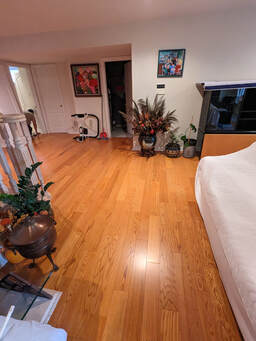
| Engineered hardwood flooring is a marvel of modern flooring technology, combining the classic elegance of hardwood with enhanced durability and versatility. Unlike traditional solid hardwood, engineered hardwood consists of a top layer of real wood veneer supported by layers of plywood or fiberboard. This unique construction makes it less prone to warping and a perfect fit for Toronto’s diverse climate. It’s an ideal choice for those who adore the timeless appeal of hardwood but require the practicality of a more stable and versatile flooring option. Discover more about this innovative flooring solution in our comprehensive guide to engineered hardwood. | 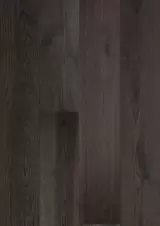 Engineered Hardwood Flooring Barrymore |
Engineered Hardwood Flooring Trends in Toronto
| Toronto's design scene in 2024 is seeing a shift towards more personalized and eco-conscious choices in hardwood flooring. Engineered hardwood is leading this trend with its wide array of styles, finishes, and colors. One of the standout trends is the inclination towards wider planks that give a sense of openness and modernity to spaces, big or small. Another emerging trend is the preference for natural and organic finishes, which accentuate the wood’s inherent beauty and texture. These trends reflect a broader move towards sustainability and natural aesthetics in Toronto’s interior design landscape. For a deeper dive into the latest trends, explore our hardwood flooring trends article. | 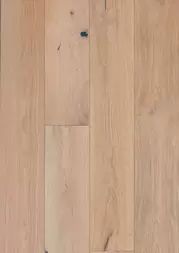 Engineered Hardwood Flooring Carissa |
The Cost Factor of Engineered Hardwood Floors in Toronto
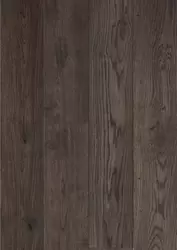 Engineered Hardwood Flooring Charlreston | When considering engineered hardwood for your Toronto home, understanding the cost is crucial. The price can vary based on factors like the quality of the wood, the complexity of the installation process, and the specific requirements of your space. On average, engineered hardwood can be a cost-effective alternative to solid hardwood, offering a similar aesthetic at a more accessible price point. For those curious about the specific numbers, our detailed breakdown on hardwood flooring installation costs in Toronto offers a clear picture. Remember, investing in quality flooring not only enhances the value of your home but also ensures longevity and lasting beauty. |
Selecting The Right Engineered Hardwood Floors For Your Home
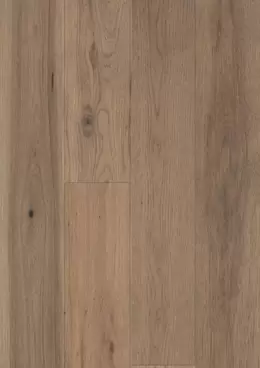 Engineered Hardwood Flooring Chesterfield | Choosing the right engineered hardwood flooring involves more than just picking a color or style. It’s about finding the perfect match for your lifestyle and the character of your home. Consider factors like foot traffic, sunlight exposure, and the general use of each room. For high-traffic areas, opt for engineered hardwood with a thicker wear layer for added durability. When it comes to aesthetics, think about whether you want your floors to be a statement piece or to blend seamlessly with your existing decor. Our experts at Parqueteam can guide you through this selection process, ensuring that you find the best fit for your Toronto home. Learn more about making the right choice in our guide on choosing the best hardwood flooring. |
Installing Your New Floors: Lying The Foundations Right
| The installation of engineered hardwood flooring is a critical step that can impact its longevity and appearance. While some homeowners in Toronto opt for DIY installation, professional installation is recommended to ensure optimal results. This involves proper subfloor preparation, understanding moisture levels, and expertly laying each plank for a flawless finish. Better pay someone to do it right the first time, than overpaying someone to fix your mess! | 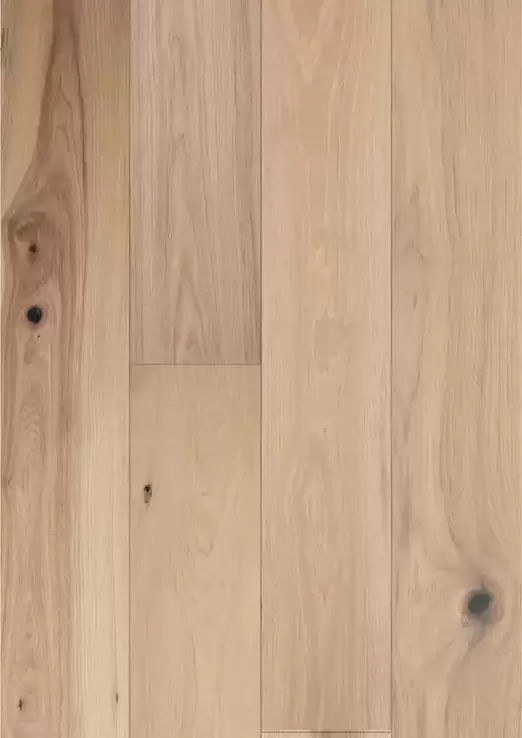 Engineered Hardwood Flooring Claremore |
Maintenance and Care: Taking Care Of Your New Engineered Hardwood Floors
| Maintaining engineered hardwood flooring is simpler than you might think, and it's key to preserving its beauty over time. Regular sweeping and gentle mopping with a damp cloth are usually enough to keep the floors looking their best. Avoid using harsh chemicals or excessive water, which can damage the wood. For deeper cleans or to tackle tough stains, professional hardwood flooring sanding and refinishing services can restore your floors to their original glory. | 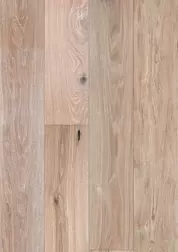 Engineered Hardwood Flooring Geraldine |
A Sustainable Choice
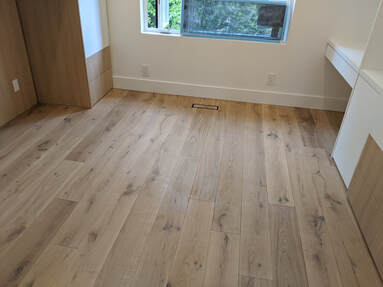
FAQ
A: The cost varies depending on factors like the quality, design, and installation complexities. For a detailed cost analysis tailored to Toronto's market, you can refer to our guide on hardwood flooring installation costs.
Q: What is the best hardwood flooring to put down in a Toronto home?
A: The "best" flooring depends on your personal needs and style preferences. Engineered hardwood is a versatile choice for its balance of durability and aesthetics.
Q: Are solid hardwood floors worth it compared to engineered hardwood?
A: Solid hardwood floors offer timeless beauty and can be a great investment. However, engineered hardwood provides similar aesthetics with added benefits like better moisture resistance and stability.
Q: What hardwood flooring is made in Canada, and is it a good option for Toronto homes?
A: Canada is known for its high-quality maple, oak, and birch hardwood flooring. These species are excellent choices for Toronto homes due to their durability and elegant appearance.
Q: What is considered the best wood floor in the world, and is it suitable for Toronto's climate?
A: The "best" wood floor can vary based on personal preferences and local climate. Exotic woods like Brazilian cherry or teak are often prized globally. However, for Toronto's climate, engineered hardwood options that resist humidity and temperature changes might be more suitable.
Hardwood Flooring Trends in Toronto for 2024
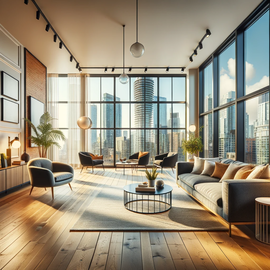
|
When it comes to home decor, few elements speak volumes like the understated elegance of hardwood flooring. In Toronto, a city that embraces both the warmth of tradition and the pulse of modernity, hardwood floors offer a canvas upon which homeowners paint their lives. At Parqueteam Hardwood Flooring, we've been transforming homes across the Greater Toronto Area with floors that echo the spirit of each household. As we edge closer to 2024, let's unfold the trends that are setting the stage for a new era of interior sophistication.
|
The Pulse of Toronto's Hardwood Flooring Trends
Another trend that's gaining ground is the integration of organic textures. The raw, natural beauty of the grain is being celebrated more than ever, with finishes that highlight rather than hide the wood's innate patterns. This move towards nature-centric design aligns with the city's love for green spaces and sustainability, reflecting the outdoors within the urban home.
The Timeless Appeal of Classic Hues
|
When it comes to color, the timeless hues of hardwood flooring continue to charm Toronto homeowners. The classic brown and honey tones are as popular as ever, offering a warm foundation that complements a wide range of decor schemes. These colors are the chameleons of the flooring world—equally at home in a sleek, modern condo as in a stately Victorian house.
Yet, as we look to the future, we're also seeing a subtle shift towards cooler tones. Greys and lighter, ashy colors are making their way into the Toronto market, bringing with them a fresh and contemporary vibe. These hues reflect the city's urban edge and its forward-thinking design sensibilities. Whether it's the rich patina of aged walnut or the soft wash of bleached oak, the color of hardwood flooring in Toronto is speaking in nuanced tones that promise to remain in vogue for years to come. This is just the beginning of our journey into the flooring trends of tomorrow. Stay tuned for more insights, and in the meantime, explore Parqueteam Hardwood Flooring's portfolio to see how we're paving the way for 2024's trends with today's installations. |
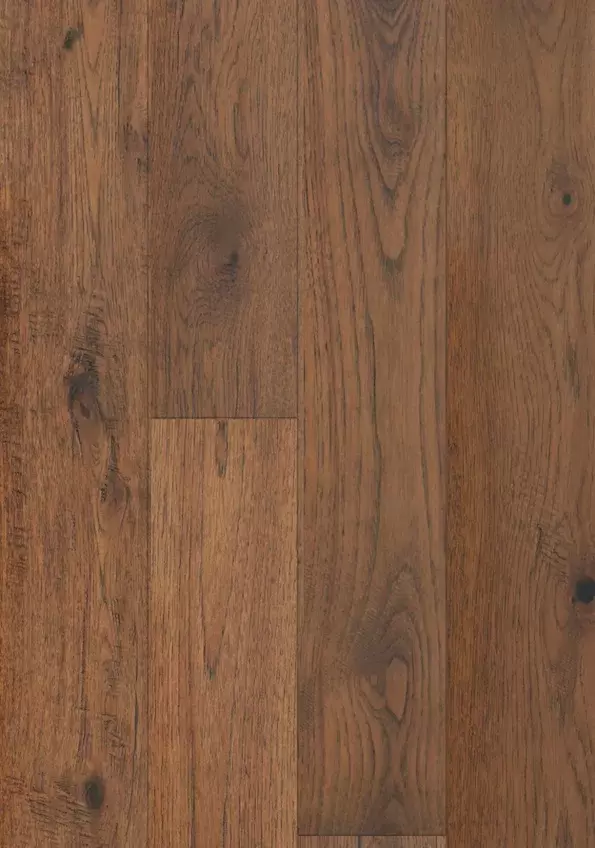
|
Today's Top Choices in Hardwood Flooring
In the realm of contemporary homes, however, another star is rising—engineered hardwood. This innovative option is capturing hearts with its stability and suitability for Toronto's varying climates. It stands up to the challenge of high-moisture areas, making it an excellent choice for installations across the home, from bustling kitchens to tranquil bedrooms.
2024's Forecast: Colors, Patterns, and Finishes
|
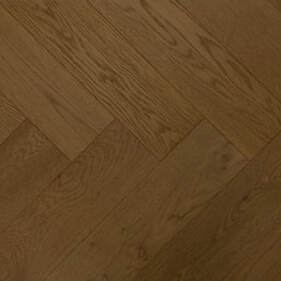
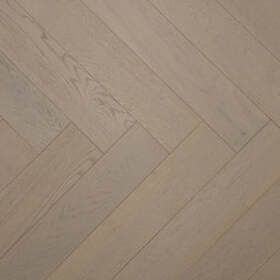
As we look ahead, 2024 is set to welcome an evolution in hardwood flooring colors, patterns, and finishes that mirror the city's dynamic spirit. The color palette is broadening, with whispers of charcoal and hints of off-white anticipated to trend alongside the classic browns. These contemporary tones offer a minimalist backdrop for a sleek, modern interior design.
Patterns in hardwood flooring are becoming a canvas for personal expression. The resurgence of parquet patterns, such as the intricate herringbone or the stately chevron, adds a layer of sophistication and visual interest to any room. These patterns are a nod to the past, reimagined for the future, and they're perfect for those looking to infuse their spaces with a touch of artistic flair. Finishes in 2024 are expected to range from ultra-matte to satin sheen, moving away from the high gloss of yesteryears. These finishes not only enhance the wood's natural beauty but also offer practical benefits, such as hiding scratches and scuffs, making them ideal for busy Toronto households. |
Engineered Hardwood Flooring: The Toronto Favorite
Engineered hardwood flooring is a testament to the innovation that Torontonians adore. It's an ideal choice for those seeking a sustainable option that doesn't sacrifice the opulence of traditional hardwood. Its ease of installation and variety of available finishes make it a go-to for both new builds and renovations. Not to mention, its compatibility with underfloor heating systems is a cozy addition for those cold Canadian winters.
In the heart of Toronto, where tradition meets transition, engineered hardwood flooring is laying the groundwork for a revolution in home design. It's not just a trend; it's the future of flooring in a city that's always on the move.
Practicality Meets Elegance
|
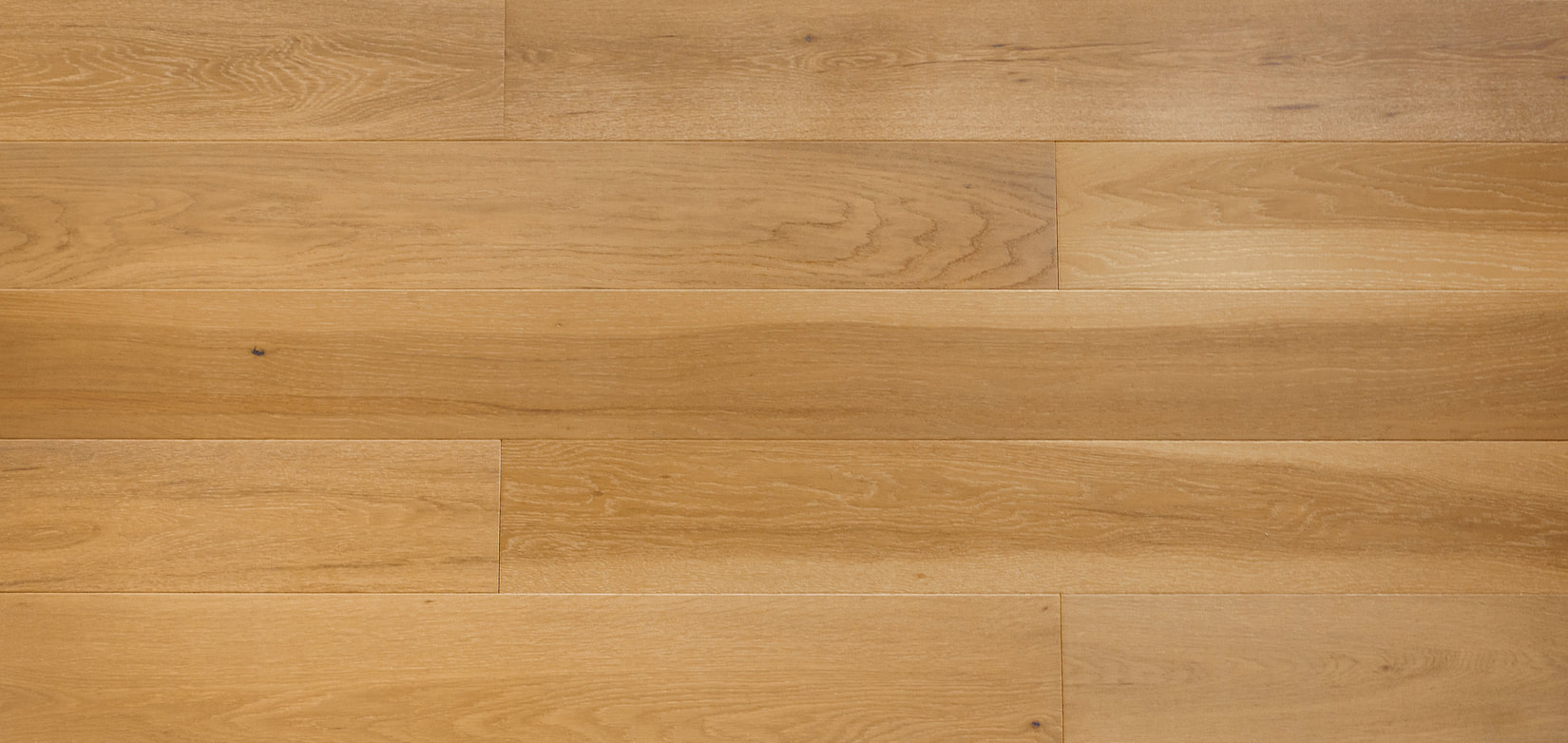
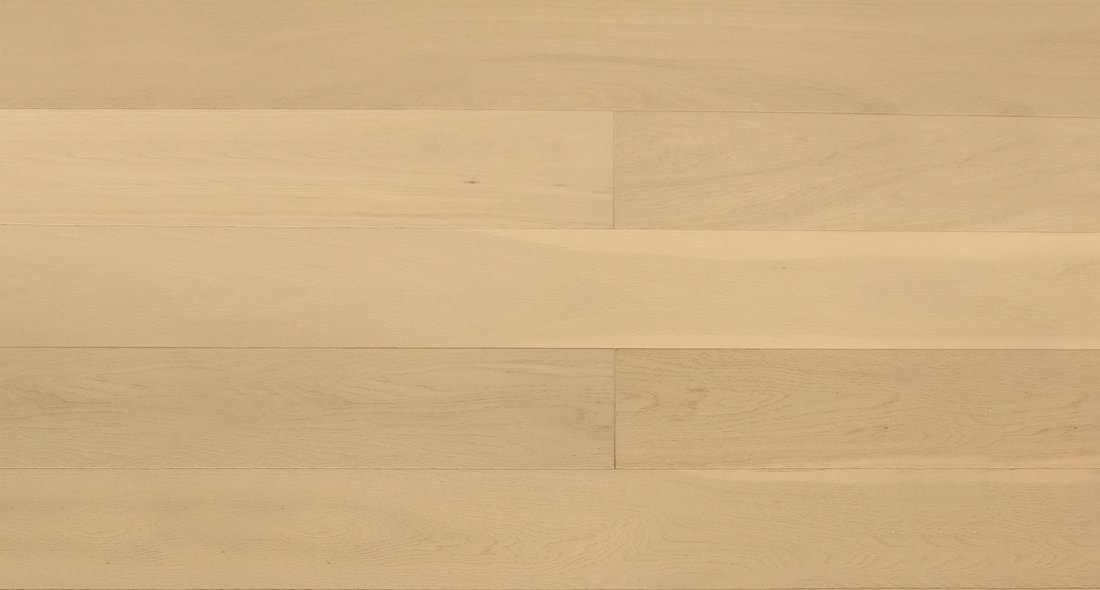
Toronto's homeowners are not just design enthusiasts but also pragmatists at heart. They seek flooring that withstands the test of time and the rigors of daily life. This pragmatism is steering the 2024 hardwood flooring trends towards options that offer both resilience and easy maintenance without sacrificing aesthetic appeal. The city's flooring preferences are leaning towards wider, longer planks with a strong finish, as they lend an uninterrupted, expansive feel to rooms and require less upkeep than their narrower counterparts.
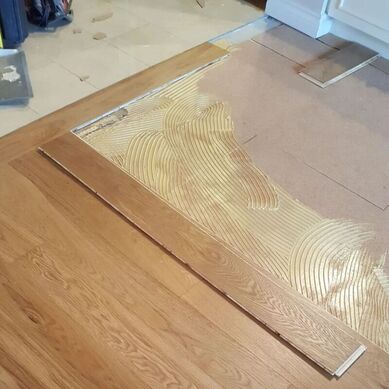
Moreover, the practicality extends to the installation methods themselves. The shift towards glue-down engineered hardwood flooring reflects a desire for secure and stable floors that handle foot traffic and furniture with grace. This method has found a particular niche in commercial spaces and rental properties within the GTA, where longevity and durability are paramount. |
|
Sustainability: A Growing Trend
Parqueteam Hardwood Flooring is at the forefront of this green movement, offering a selection of responsibly sourced and renewable materials. From bamboo to reclaimed hardwood, these green choices are as durable as they are beautiful. They not only create a warm, inviting space but also contribute to a healthier planet. The trend is clear: Toronto's residents are choosing to walk on floors that help pave the way to a greener future.

|
|
|
Parqueteam Hardwood Flooring stands ready to guide you through these trends with expertise and care, ensuring that your home's foundation is as robust and stylish as the city itself. Whether you're renovating a cherished space or crafting a new one, we invite you to explore our services and join us at the forefront of flooring innovation.
References and Further Reading
- The Ultimate Guide to Hardwood Flooring in Toronto
- Decoding Timeless Colours in Hardwood Flooring
- Engineered vs. Solid Hardwood in Toronto
- Choosing the Best Hardwood Flooring for Your Toronto Home
- Discover the Benefits of Engineered Hardwood Flooring in Toronto
Embrace the future of flooring with the elegance of the past and the innovation of tomorrow. Let's step into 2024 with confidence and style, one plank at a time, with Parqueteam Hardwood Flooring.
FAQ Section
A: Consider your home's architecture, your personal style, and how the space is used. Look for trends that resonate with your aesthetic while offering practical benefits like durability and easy maintenance. Our experts at Parqueteam Hardwood Flooring can guide you through the selection process.
Q: Can hardwood flooring increase my home's value?
A: Absolutely. Hardwood flooring is a coveted feature for many homebuyers. It's known for its durability, ease of maintenance, and timeless appeal. Investing in quality hardwood flooring can significantly boost the value of your property.
Q: Is engineered hardwood flooring durable?
A: Yes, engineered hardwood is designed for longevity. It's constructed with a solid wood top layer supported by additional layers for stability, making it resistant to warping and moisture—ideal for Toronto's climate.
Q: Are there eco-friendly hardwood flooring options available in Toronto?
A: Parqueteam Hardwood Flooring offers a range of eco-friendly options. From sustainably sourced hardwoods to reclaimed wood and bamboo, there are numerous choices for those looking to make an environmentally conscious decision for their flooring.
Q: How do I maintain my hardwood floors to keep them looking new?
A: Regular sweeping or vacuuming to remove dirt and grit, immediate cleaning of spills, and periodic professional hardwood floor cleaning will keep your floors in top condition. Avoid using harsh chemicals and excessive water, which can damage the wood.
Q: Can I install hardwood flooring over radiant heating?
A: Engineered hardwood flooring is often compatible with radiant heating systems due to its dimensional stability. It's important to consult with our specialists to ensure you choose the right product for your underfloor heating setup.
Q: What is the trend in hardwood flooring in 2024?
A: The trend for 2024 is steering towards the natural beauty of hardwood with a practical edge. We're seeing a rise in preferences for wide plank and engineered hardwoods, as well as eco-friendly materials that cater to both aesthetic desires and functional needs of modern living.
Q: What is a timeless color for hardwood floors? A: Timeless colors for hardwood floors are all about the enduring appeal of natural wood tones. The spectrum ranges from the deep, sophisticated walnut to the bright and welcoming blonde oak. These hues have stood the test of time and continue to be favored in Toronto homes for their versatility and lasting appeal.
Q: What is the most popular hardwood flooring today? A: Engineered hardwood currently wears the popularity crown due to its exceptional versatility and adaptability. It's well-suited for Toronto's diverse climate and a variety of interior designs, making it a top choice for homeowners looking for both style and substance in their flooring.
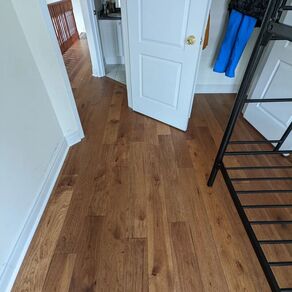
The Allure of Hardwood Flooring
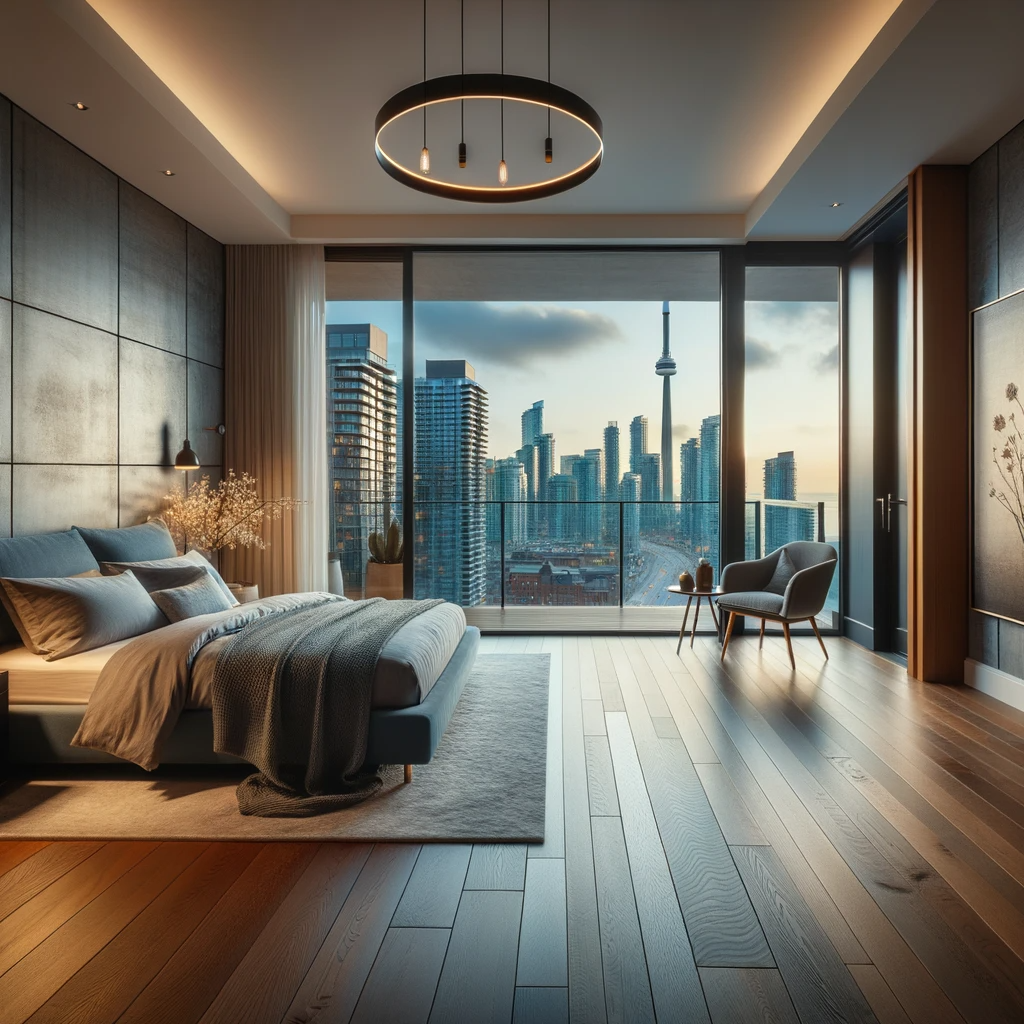
| There's something undeniably captivating about hardwood floors. Whether it's the rich, natural tones or the intricate grain patterns, hardwood flooring has a way of making a room feel both luxurious and inviting. Here are some reasons why homeowners often gravitate towards this classic choice:
|  |
Common Disadvantages of Hardwood Flooring and How to Overcome Them
The Issue: Hardwood floors are prone to scratches and dents, especially in high-traffic areas or homes with pets.
The Solution: Opt for hardwoods with a high Janka hardness rating like Hickory or Maple. Additionally, you can apply a durable finish for added protection. Regularly sweeping and using furniture pads can also minimize damage.
2. Sensitive to Moisture
The Issue: Hardwood floors can warp or swell when exposed to moisture, making them less suitable for bathrooms or basements.
The Solution: Consider engineered hardwood flooring, which offers better moisture resistance. Also, maintaining a stable indoor humidity level can prevent warping.
3. High Cost
The Issue: Quality hardwood flooring can be expensive, both in terms of material and installation.
The Solution: Look for promotions or discounts from reputable suppliers. Alternatively, you can opt for less expensive types of hardwood like Oak or Ash without compromising too much on quality.
4. Fading Over Time
The Issue: Prolonged exposure to sunlight can cause hardwood floors to fade over time.
The Solution: Use window treatments like blinds or curtains to limit sun exposure. You can also refinish the floors every few years to restore their original luster.
5. Maintenance
The Issue: Hardwood floors require regular maintenance like sweeping, mopping, and occasional refinishing.
The Solution: Incorporate a low-maintenance finish and establish a regular cleaning routine. For deeper cleans, consider professional hardwood flooring sanding and refinishing.
6. Limited Style Options
The Issue: Unlike tiles or carpets, hardwood floors offer limited patterns and designs.
The Solution: Hardwood floors can be customized with inlays, mixed plank sizes, or different installation patterns like herringbone. For more design inspiration, check out our portfolio.
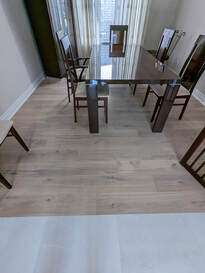 | While hardwood flooring comes with its own set of challenges, the benefits far outweigh the disadvantages. With the right knowledge and a little effort, you can easily overcome these drawbacks to enjoy the timeless beauty and durability that only hardwood floors can offer. Ready to make an informed decision about your flooring? Contact us at Parqueteam Hardwood Flooring for a consultation. Our experts can guide you through the selection process and help you find the perfect flooring solution for your home. |
Frequently Asked Questions About Hardwood Flooring Disadvantages
- Is hardwood flooring worth the investment?
- Absolutely, especially when you consider its durability and the value it adds to your home. Check out our blog post on which hardwood is best for flooring in Toronto for more insights.
- How do I maintain my hardwood floors?
- Regular sweeping and occasional mopping with a damp cloth are generally sufficient. For more detailed information, read our comprehensive guide on hardwood flooring maintenance.
- What are the alternatives to hardwood flooring?
- Laminate and luxury vinyl plank flooring are popular alternatives. Learn the pros and cons in our blog post comparing hardwood and laminate flooring.
- Can hardwood floors be installed in basements or bathrooms?
- While not ideal due to moisture concerns, engineered hardwood can be a viable option for such areas. Read our post on engineered vs. solid hardwood for more details.
- How much does it cost to install hardwood floors?
- Costs can vary based on the type of wood, installation method, and additional services like removal of old flooring. For a detailed breakdown, visit our hardwood flooring installation page.
How Much Does It Cost to Install Hardwood Floors in Toronto?
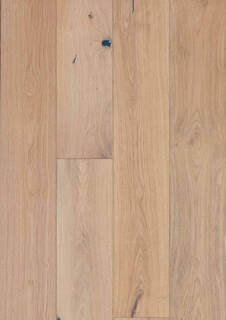
Factors Affecting the Cost
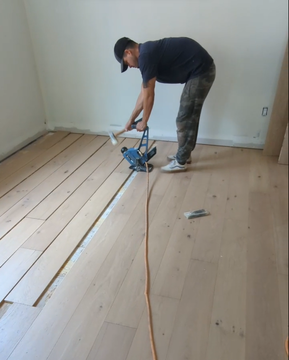
- Material Costs: The type of hardwood you choose can significantly impact the overall cost. From solid hardwood to engineered hardwood, the options are plentiful but come with varying price tags. Exotic woods like Brazilian Cherry can be more expensive than your standard Oak or Maple.
- Labour Costs: The complexity of the installation process can also affect labor costs. For instance, installing hardwood on an angle, or any special pattern would be much harder than installing it in a straight regular install, and this can lead to increase in labor costs.
- Subfloor Preparation: Don't underestimate the cost of preparing your subfloor. Whether it's concrete or plywood, the subfloor needs to be clean, dry, and level for the hardwood to be installed correctly. Sometimes, this might involve additional costs for materials and labor.
- Additional Costs: Finishes like moldings/baseboards, transitions and underlayments, or special adhesives, are several additional costs that can sneak up on you. It's essential to factor these into your budget to avoid any unpleasant surprises.
|
|
Cost Breakdown by Type of Hardwood
- Solid Hardwood Flooring: is often considered the gold standard in flooring, offering durability and a timeless look. However, it's also on the higher end of the cost spectrum. For more details on solid hardwood options, you can read our solid hardwood flooring page.
- Engineered Hardwood Flooring: Offers a more budget-friendly alternative without sacrificing too much in terms of aesthetics and durability. The cost can vary based on the quality of the top veneer. For an in-depth look at engineered hardwood, check out our engineered hardwood flooring page.
Cost Comparison: DIY vs. Professional Installation
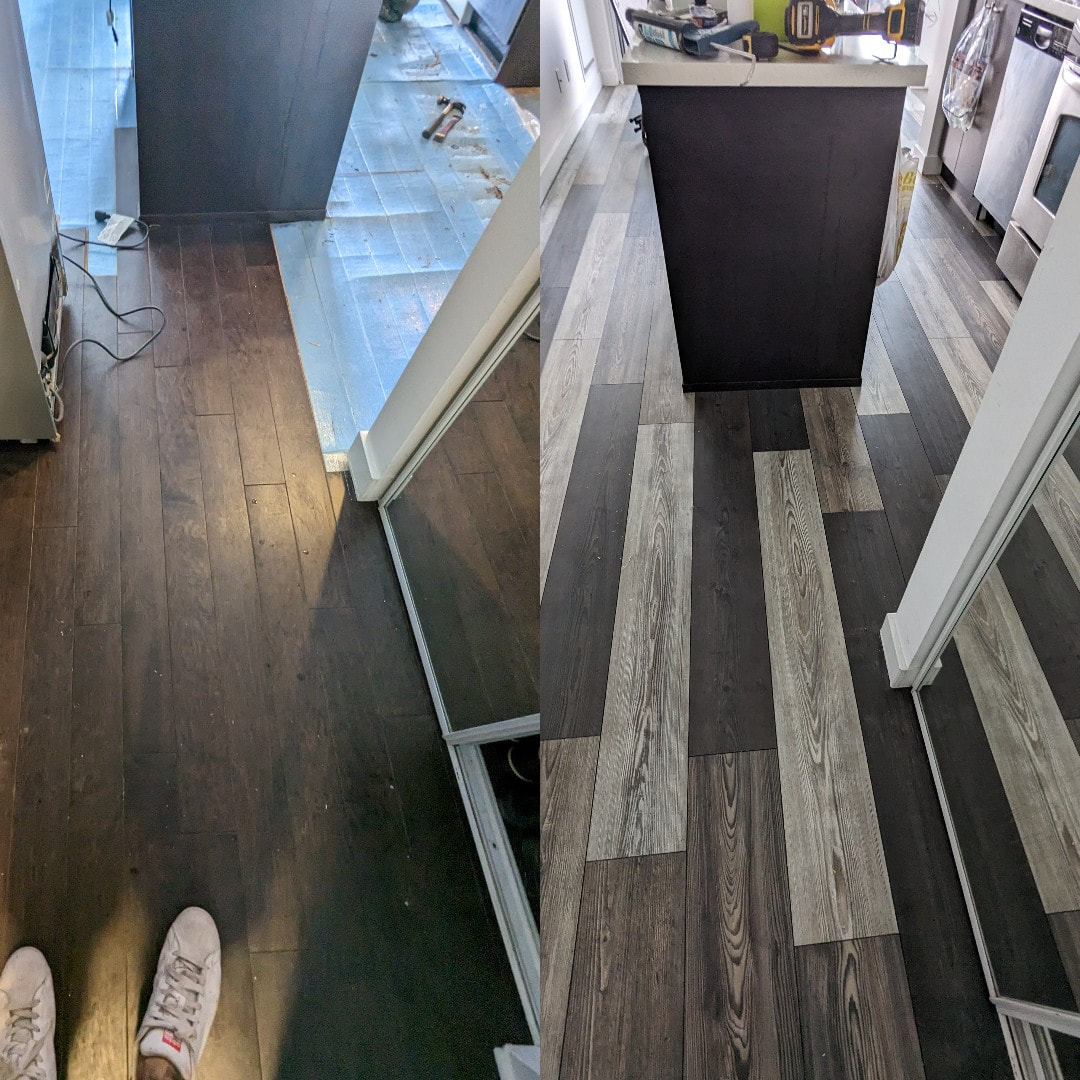
On the other hand, Hiring professionals may seem more expensive initially, but their expertise can save you from costly mistakes in the long run. Plus, the job will likely be completed much faster.
|
|
FAQ
The average cost can range from $6 to $12 per square foot, depending on the type of hardwood and other factors.
2. Is it cheaper to install hardwood flooring myself?
While DIY can save on labor costs, it's essential to consider the complexity of the job and the tools required. For more on DIY vs. professional installation, read here.
3. What are some hidden costs I should be aware of?
Additional costs can include the removal of old flooring and moving furniture. Always ask for a detailed quote to avoid surprises.
4. Does the type of hardwood significantly affect the cost?
Yes, exotic woods and high-end options will be more expensive than standard choices. For a breakdown by type, visit this page.
5. How can I get the most value for my money when installing hardwood floors?
To maximize your investment, consider the long-term benefits of the type of hardwood you choose, as well as the potential resale value it could add to your home. Always get multiple quotes and ask for detailed breakdowns to make an informed decision.
Is Hardwood Flooring Really Better Than Laminate Flooring? Unveiling the Facts
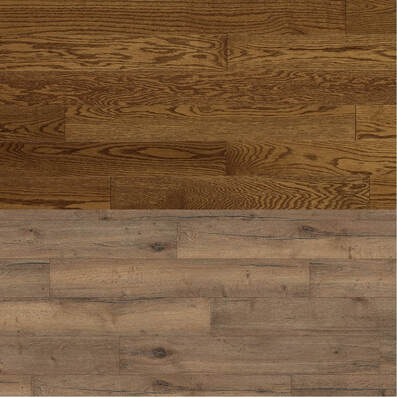 hardwood flooring and laminate flooring samples side by side
 Contact us if you're looking for personalized advice on flooring options.
The Basics: Hardwood vs. Laminate
Hardwood is a natural material made from a single piece of wood, often sourced from trees like oak, maple, or cherry. It's renowned for its durability and can be refinished multiple times to extend its lifespan.
Laminate Flooring
Laminate, on the other hand, is a synthetic material made from multiple layers. While it mimics the appearance of wood, it doesn't offer the same level of durability. However, it is often more affordable and easier to install.
Durability and Longevity
| When investing in new flooring, durability is often a top concern. Hardwood Floors: Built to Last Hardwood floors are known for their long-lasting nature. With proper care, they can last for decades and are less susceptible to wear and tear. Learn more about how to extend the lifespan of your hardwood floors. Laminate Floors: A Practical Choice Laminate floors may not last as long as hardwood, but they are generally easier to maintain. If you're looking for a short-term flooring solution, laminate might be the way to go. | 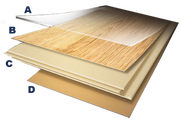 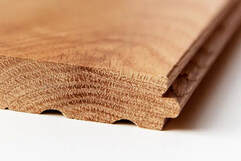 |
Aesthetic Appeal
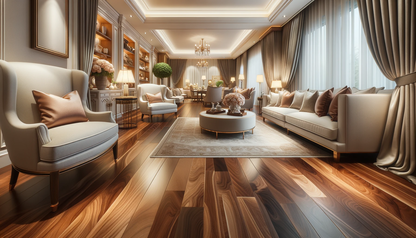 | The visual impact of your flooring can significantly influence the overall ambiance of your home. Both hardwood and laminate offer a range of styles, but they differ in key ways that can affect your home's aesthetic appeal. Hardwood Flooring: Natural Elegance Hardwood flooring is renowned for its natural beauty, offering a range of colors, grains, and finishes. Its timeless appeal can even enhance the resale value of your home. Laminate Flooring: Design Versatility Laminate flooring has evolved to offer a wide variety of designs that mimic the look of wood. While it may not have the authentic feel of hardwood, it offers versatility in design that can suit various home styles. |
Cost Comparison
| Budget is often a decisive factor when choosing flooring. Here's how hardwood and laminate stack up in terms of cost. Hardwood Flooring: A Long-Term Investment For Your Toronto Home While hardwood flooring comes with a higher initial cost, it can be a wise long-term investment due to its durability and potential to increase your home's value. Laminate Floors: Budget-Friendly Yet Stylish Laminate is generally more affordable, both in terms of material and installation. If you're on a budget but still want a stylish look, laminate flooring can be an excellent choice. |  Hardwood Flooring Cost in Toronto 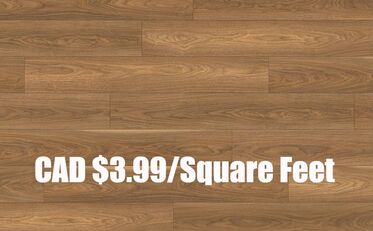 Laminate Flooring Cost in Toronto |
Maintenance and Care
Hardwood Floors: Regular Upkeep for Longevity
Hardwood floors require consistent care, including periodic sanding and refinishing. However, the effort is often worth it, as proper maintenance can extend the life of your hardwood floors.
Laminate Flooring: Easy and Effortless
Laminate flooring is generally easier to maintain, requiring just regular sweeping and occasional mopping. If you're looking for a low-maintenance option, laminate could be your go-to choice.
Environmental Impact
Hardwood Flooring: Renewable but Resource-Intensive
Hardwood is a natural, renewable material but requires significant resources for processing. If sustainability is a priority, consider engineered hardwood as a more eco-friendly option.
Laminate Flooring: Lower Impact, Less Sustainability
Laminate flooring is less resource-intensive to produce but is not biodegradable. If you're concerned about environmental impact, it's important to weigh these factors when choosing between hardwood and laminate.
FAQ
Yes, hardwood flooring is generally more expensive both in terms of material and installation. However, it can be a wise long-term investment.
Can Laminate Flooring Look Like Real Wood?
Modern laminate flooring has improved significantly and can closely mimic the look of real wood.
Which Is Easier to Maintain: Hardwood or Laminate?
Laminate is generally easier to maintain and is a good option if you're looking for a low-maintenance flooring solution.
Is Hardwood Flooring Eco-Friendly?
Hardwood is a natural, renewable resource, but it can be resource-intensive to produce. Engineered hardwood is often considered a more eco-friendly option.
Can I Refinish Hardwood Floors?
Yes, one of the advantages of hardwood flooring is that it can be sanded and refinished multiple times, extending its lifespan.
Which Hardwood is Best for Flooring in Toronto? A Complete Guide
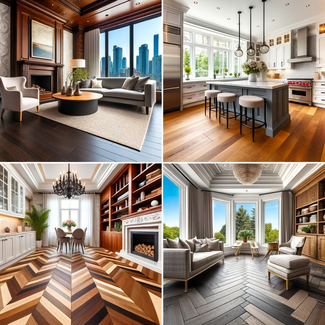
Why Hardwood Flooring Is Popular In Toronto?
| In a city that experiences the full spectrum of weather, from icy winters to humid summers, you might wonder why hardwood flooring is such a popular choice in Toronto. The answer lies in a blend of tradition, aesthetics, and long-term investment. Tradition and Culture: Hardwood flooring has been a staple in Toronto homes for generations. Its timeless appeal transcends fleeting design trends, making it a go-to choice for homeowners seeking both style and longevity. Aesthetics: The natural beauty of hardwood adds a layer of sophistication and warmth to any space. Its versatility allows it to complement a wide range of interior design styles, from modern minimalism to classic elegance. Long-Term Investment: While the initial cost may be higher than other flooring options, hardwood offers an excellent return on investment. Its durability means less frequent replacements, and its classic look can actually increase your home's resale value. Discover why hardwood is more than just a flooring option; it's a wise investment for your Toronto home. | 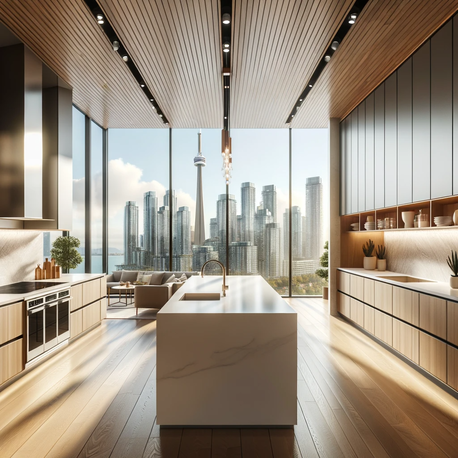 Render of a spacious kitchen in a Toronto apartment showcasing sleek maple hardwood |
Types of Hardwood Used in Flooring
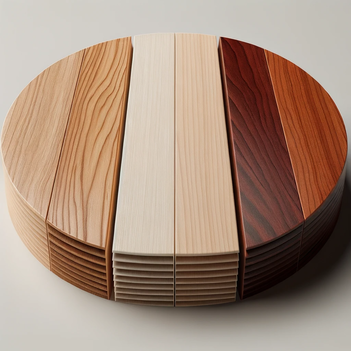 | When it comes to hardwood flooring, one size doesn't fit all—especially not in a city as diverse as Toronto. From the bustling downtown condos to the sprawling suburban homes, each space demands a unique type of hardwood. Let's delve into the most popular options: oak, maple, and cherry. Oak: The Timeless Classic Oak has long been a favorite for its durability and distinct grain patterns. It's an excellent choice for high-traffic areas and offers a wide range of stain options. Maple: The Modern Marvel Maple offers a cleaner, more consistent grain than oak, making it a popular choice for modern interiors. However, it's slightly softer than oak, so consider this if you have pets or heavy furniture. Cherry: The Luxurious Choice Cherry wood is known for its rich, deep color that darkens beautifully with age. While it's softer than both oak and maple, its luxurious look makes it a popular choice for formal spaces. Learn how to choose the right type of hardwood that aligns with your lifestyle and aesthetic preferences. |
Climate Considerations for Hardwood Flooring in Toronto
| Toronto's climate is as diverse as its population, and it plays a significant role in the type of hardwood flooring you should choose. From humid summers to icy winters, let's explore how the climate impacts your hardwood flooring options. Seasonal Expansion and Contraction Wood naturally expands in humid conditions and contracts in dry ones. Understanding this can help you choose a hardwood type that minimizes these effects, ensuring your floor's longevity. Moisture Resistance Some hardwoods are more resistant to moisture than others. If your home is prone to dampness, consider options like engineered hardwood that offer better moisture resistance. Temperature Fluctuations Toronto experiences a wide range of temperatures. Some hardwoods, like oak, are better suited to handle these fluctuations without showing signs of wear and tear. Find out how to protect your hardwood floors from Toronto's ever-changing climate. | 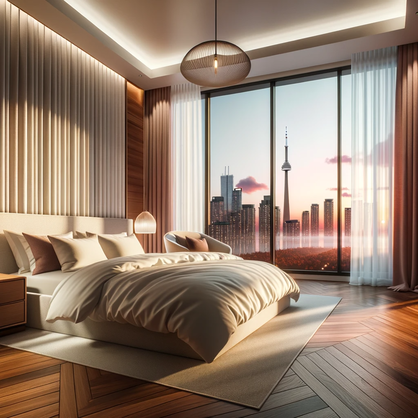 a serene bedroom in a Toronto condo adorned with cherry hardwood |
Cost Implications: What to Expect
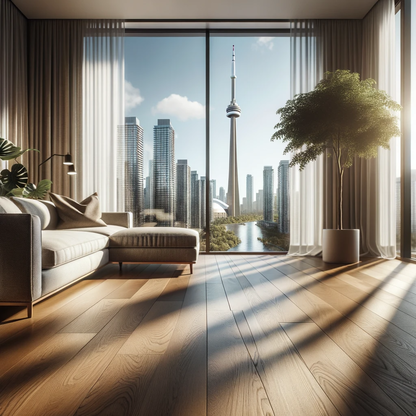 a modern living room in Toronto with elegant oak hardwood flooring | Choosing hardwood flooring is an investment, and like any investment, it's crucial to understand the costs involved. From the type of wood to installation and maintenance, several factors can influence the final price tag. Initial Costs The type of hardwood you choose will significantly impact the initial cost. Exotic woods like cherry can be more expensive, while local options like oak and maple are generally more budget-friendly. Installation Costs Installation costs can vary based on the complexity of the project. For instance, installing hardwood in an angle versus typical straight install can have a decent price difference, as angle installations are more expensive than straight installations. Maintenance and Longevity While hardwood floors may require an initial investment, their durability can make them cost-effective in the long run. Regular maintenance like sanding and refinishing can extend your floor's lifespan, offering excellent value for money. Check out our portfolio for some real-world cost examples and tips on budgeting. |
How to Choose the Best Hardwood for Your Home
| Selecting the perfect hardwood flooring isn't just about aesthetics; it's about aligning your choice with your lifestyle, the function of the room, and even your pets. Here's how to make an informed decision: Lifestyle Considerations Do you have young children or pets? Some hardwoods are more scratch-resistant and easier to clean, making them more suitable for active households. Room Function The function of the room can dictate your hardwood choice. For instance, moisture-resistant options are better for kitchens and bathrooms, while a luxurious cherry might be perfect for a formal living room. Aesthetic Preferences Your personal style plays a significant role in your choice. Whether you prefer the rustic charm of oak or the modern elegance of maple, there's a hardwood option that will complement your interior design. Our ultimate guide can help you make an informed decision based on various factors. | 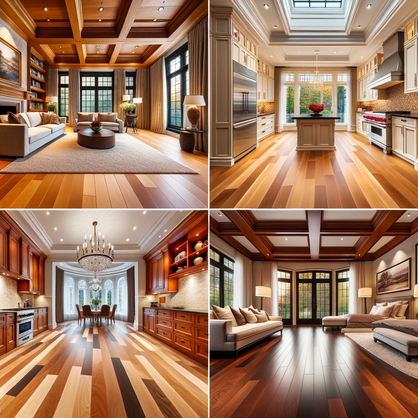 Hardwood samples and a Toronto home showcasing different hardwood types in various rooms. |

Ready to make your choice? Contact us today for a personalized consultation and quote.
FAQQ: Is hardwood flooring suitable for Toronto's climate? A: Yes, hardwood flooring is a popular choice in Toronto due to its durability and ability to withstand the city's diverse climate conditions. However, it's essential to choose the right type of wood and take preventive measures like regular maintenance. Q: What are the most popular types of hardwood in Toronto? A: Oak, maple, and cherry are among the most popular choices due to their durability, aesthetic appeal, and versatility. Q: How much does hardwood flooring cost in Toronto? A: The cost can vary widely depending on the type of wood, the area to be covered, and installation charges. It's best to get a personalized quote for the most accurate estimate. Q: Can I install hardwood flooring myself? A: While it's possible to install hardwood flooring yourself, it's recommended to hire professionals for a flawless finish and to ensure the longevity of your investment. Q: How do I maintain my hardwood floors? A: Regular cleaning, occasional sanding and refinishing, and using protective pads under furniture are some of the ways to maintain your hardwood floors. |  Frequently asked questions about hardwood floors in toronto |
Which Hardwood is Best for Flooring? A Comprehensive Guide for Toronto Homeowners
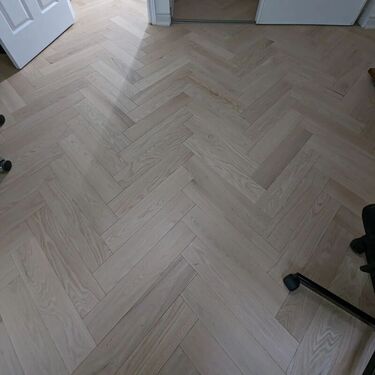 A room featuring oak hardwood flooring, showing its classic beauty and durability.
Durability: A Key Consideration
Oak and maple are often touted as some of the most durable hardwoods for flooring. Both are hard, dense woods that can withstand heavy foot traffic and resist scratches and dents. However, the durability of your hardwood flooring also depends on its finish. A high-quality finish can enhance the durability of your floors, making them more resistant to scratches and stains. Our hardwood flooring finishes page provides more information on the different types of finishes available.
Oak vs. Maple: A Closer Look
Oak Flooring
Maple Flooring
|
Maple flooring is another excellent choice for hardwood flooring. It's even harder than oak, making it a great option for high-traffic areas. Maple has a more uniform, less pronounced grain than oak, giving it a smoother and more contemporary look. However, like oak, maple is not immune to scratches. Proper care and maintenance are essential to keep your maple floors looking their best. Our hardwood flooring sanding and refinishing service can help maintain the beauty of your maple floors.
|
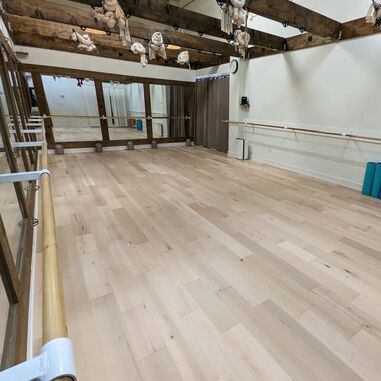
A modern room with maple hardwood flooring, illustrating its contemporary appeal and hardness.
|
Exploring Other Popular Hardwood Options
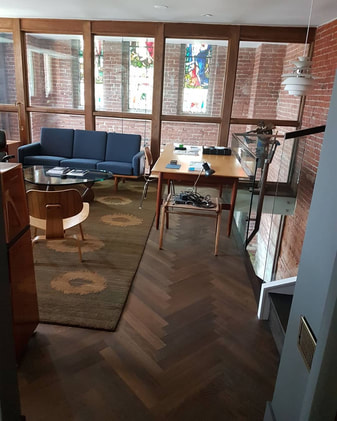
Walnut Flooring
Hickory Flooring
The Most Scratch-Resistant Hardwood Flooring
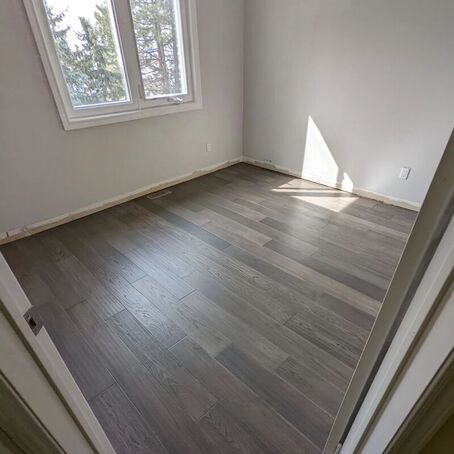 A high-traffic room with hickory hardwood flooring, demonstrating its durability and unique grain pattern.
If scratch resistance is a top priority for you, consider engineered hardwood flooring. The top layer of engineered hardwood is real wood, but the underlying layers are designed to provide additional stability and resistance to scratches and dents. Check out our engineered vs. solid hardwood in Toronto blog post for a more in-depth comparison.
The Rise of Engineered Hardwood Flooring
Engineered hardwood is made of a core of hardwood or plywood with a layer of hardwood veneer affixed to the top surface. It's designed to reduce the moisture problems associated with conventional hardwood. Its multi-layered construction makes it more stable than solid hardwood, while still providing the beauty and warmth of real wood.
Engineered hardwood can be a great choice for areas where solid hardwood is not recommended, such as basements or over radiant heating systems. It's also generally more cost-effective than solid hardwood. Our engineered hardwood flooring page provides more information on the benefits of engineered hardwood.
Choosing the Best Hardwood Flooring for Your Toronto Home
- Consider Your Lifestyle: If you have a busy household with kids or pets, opt for a durable, scratch-resistant hardwood like oak or maple, or consider engineered hardwood.
- Think About Your Style: The color and grain pattern of the hardwood can significantly impact the look and feel of your room. Choose a hardwood that complements your home's decor and style.
- Don't Forget About Maintenance: All hardwood floors require regular cleaning and maintenance to keep them looking their best. Some hardwoods may also require periodic refinishing.
- Work with a Professional: A professional can provide valuable advice and ensure your hardwood floors are installed correctly. Our hardwood flooring installation service can help you get the beautiful, durable floors you desire.
At Parqueteam Hardwood Flooring, we're committed to helping Toronto homeowners make the best choice for their hardwood flooring. Contact us today for more information and guidance on choosing the perfect hardwood flooring for your home.
Frequently Asked Questions
Oak, maple, and hickory are among the most durable hardwoods for flooring. They can withstand heavy foot traffic and resist scratches and dents. However, the durability of your hardwood flooring also depends on its finish. A high-quality finish can enhance the durability of your floors, making them more resistant to scratches and stains.
2. What is the most scratch-resistant hardwood flooring?
While no hardwood flooring is completely scratch-proof, hardwoods like oak, maple, and hickory are known for their resistance to scratches. Engineered hardwood flooring, with its multi-layered construction, can also provide additional stability and resistance to scratches and dents.
3. What is the most popular wood for hardwood flooring?
Oak and maple are two of the most popular choices for hardwood flooring due to their durability and beautiful grain patterns. Walnut and hickory are also popular choices for their unique colors and textures.
4. Is maple or oak better for flooring?
Both maple and oak are excellent choices for flooring, each offering its unique advantages. Oak is known for its strength, durability, and beautiful grain patterns, while maple is even harder than oak, making it a great option for high-traffic areas. The choice between maple and oak will depend on your personal preference and the overall style of your home.
5. Do oak floors scratch easily?
While no hardwood flooring is completely scratch-proof, oak's hardness and grain patterns can help hide scratches and dents. Regular care and maintenance can also help keep your oak floors looking their best.
6. Do maple hardwood floors scratch easily?
Maple is a hard, dense wood that can resist scratches and dents. However, like any hardwood, it's not completely immune to scratches. Proper care and maintenance are essential to keep your maple floors looking their best.
7. What are the benefits of engineered hardwood flooring?
Engineered hardwood flooring is designed to reduce the moisture problems associated with conventional hardwood. Its multi-layered construction makes it more stable than solid hardwood, while still providing the beauty and warmth of real wood. It's also generally more cost-effective than solid hardwood.
Decoding Timeless Colours in Hardwood Flooring: Toronto's Guide to Everlasting Style
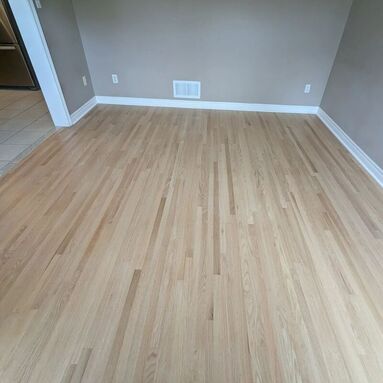 Timeless hardwood flooring in a cozy living room | When it comes to enhancing the aesthetic appeal of your home, nothing beats the charm and elegance of hardwood flooring. In Toronto, homeowners often find themselves asking, "What colour of hardwood flooring is timeless?" This question is not as straightforward as it may seem, as the answer largely depends on various factors such as your home's interior design, lighting, and your personal taste. |
Classic Hardwood Floor Colours: The Evergreen Choices
Light vs Dark Hardwood Floors: What's Your Pick?
Hardwood Floor Colours and Resale Value
Trending Hardwood Floor Colours in 2023
The Effect of Floor Colour on Room Size PerceptionThe colour of your floor can significantly affect how big or small your room appears. Light colours can make a room seem larger, while dark colours can make it feel more intimate. If you're looking to make a small room appear larger, you might want to consider installing light-coloured laminate flooring. This is just the beginning of our exploration into the world of timeless hardwood flooring colours. Is Gray Hardwood Too Trendy?Gray has been a trendy choice for hardwood flooring in recent years. It offers a modern and chic look that can make your home stand out. However, some people worry that it might be too trendy and go out of style soon. While trends do come and go, gray is a versatile colour that can complement a wide range of interior design styles. It's also worth noting that refinishing your hardwood floors can change their colour if you decide to update your home's look in the future. You can learn more about this process in our hardwood flooring sanding and refinishing guide. | 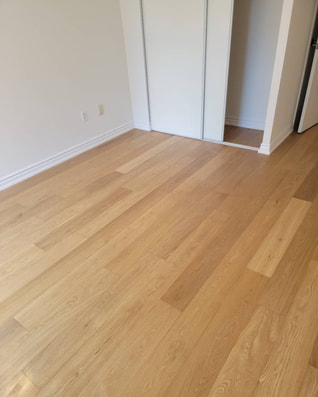 Light-colored hardwood flooring brightening up a room |
The Timeless Appeal of Solid Hardwood Flooring
Engineered Hardwood Flooring: A Modern Alternative
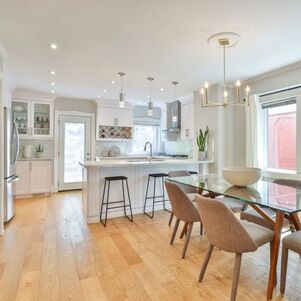 Hardwood flooring enhancing the elegance of a modern kitchen
 The Impact of Hardwood Flooring Finishes
The Role of Surface Types in Hardwood Flooring
Hardwood Flooring Styles: The Perfect Blend of Colour and Texture
Making Your Home Look Bigger With the Right Floor Colour
The Resale Value of Your Home: Does Floor Colour Matter?The colour of your hardwood floors can indeed impact the resale value of your home. Neutral colours like brown and grey are often the best for resale as they appeal to a wide range of buyers. They are versatile and allow potential buyers to envision their own furniture and décor in the space. If you're planning to sell your house in the future, you might want to check out our portfolio for some inspiration. | 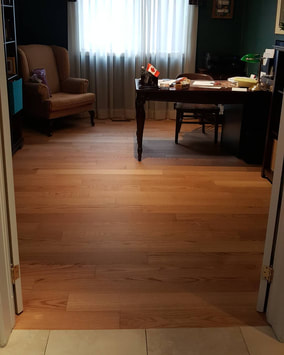 Hardwood flooring adding warmth to a home office space |
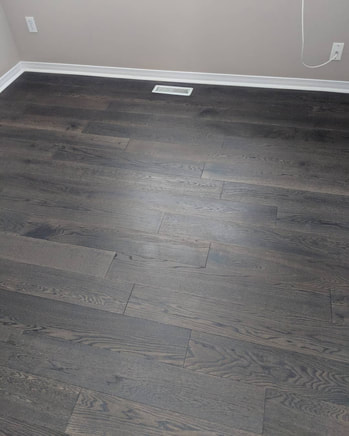 Dark-colored hardwood flooring providing a rich contrast in a room | The Verdict: What Colour Hardwood Floor is Timeless?In conclusion, the most timeless colours for hardwood flooring are usually natural shades like oak, walnut, and cherry. However, the best colour for your home will depend on your personal taste, your home's interior design, and your long-term plans. Whether you prefer the classic appeal of solid hardwood flooring or the modern charm of engineered hardwood flooring, you can find a timeless colour that suits your needs. Remember, trends may come and go, but your personal preference is what truly matters. After all, you'll be the one enjoying the beauty of your hardwood floors every day. For more insights and advice on hardwood flooring in Toronto, feel free to explore our blog or contact us directly. We're here to help you make the best choice for your home. |
Frequently Asked Questions
A: The most classic hardwood floor color tends to be a mid-tone, such as chestnut, gunstock, or similar medium browns. These colors have a timeless appeal and tend to go well with a variety of interior design styles.
Q: What color wood floor goes with everything?
A: Neutral colors like beige, gray, and light to medium browns are versatile and can match most color schemes. They also help to create a warm, inviting atmosphere in any room.
Q: What color hardwood floor is best for resale?
A: Neutral and classic colors are typically the best for resale as they appeal to a wide range of buyers. Light to medium browns are particularly popular.
Q: What color hardwood never goes out of style?
A: Natural wood colors, particularly in shades of brown, never go out of style. They offer a timeless look that can complement both traditional and contemporary interiors.
Q: Is it better to have light or dark floors?
A: The choice between light and dark floors depends on your personal preference and the overall design of your home. Light floors can make a room feel larger and more open, while dark floors can add warmth and create a more formal atmosphere.
Q: What is more popular, dark or light hardwood floors?
A: Trends in hardwood flooring colors can vary, but both light and dark floors have their appeal. Light hardwood floors offer a relaxed and modern look, while dark hardwood floors provide a more traditional and elegant feel.
Q: What color floors sell a house best?
A: Neutral-colored floors, such as light to medium browns or grays, are often the best choice for selling a house. They can appeal to a wide range of buyers and fit into various decorating styles.
Q: What color wood floors are in style for 2023?
A: While trends can change, neutral colors like light browns and grays are expected to remain popular in 2023. Natural finishes that highlight the wood's grain are also in style.
Q: What color wood floors make a house look bigger?
A: Light-colored wood floors can make a house look bigger as they reflect more light and give a sense of openness.
Q: Is gray hardwood too trendy?
A: While gray hardwood has been a popular choice in recent years, its neutral tone makes it a versatile choice that can withstand changing trends. It's a stylish option that can add a contemporary touch to your home.
Is It OK to Install Engineered Hardwood Flooring in Your Toronto Kitchen?
The Allure of Engineered Hardwood Flooring
|
Engineered hardwood flooring has gained popularity for its durability and aesthetic appeal. Unlike solid hardwood, which is milled from a single piece of lumber, engineered hardwood is composed of several layers. The top layer is real hardwood, while the underlying layers are made of plywood or high-density fibreboard. This construction makes engineered hardwood less susceptible to changes in humidity and temperature, a crucial feature in a kitchen environment.
Advantages of engineered hardwood flooring in the kitchen include:
|
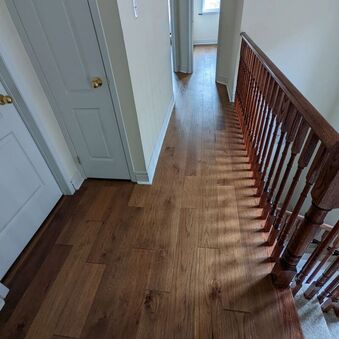
The Allure of Engineered Hardwood Flooring
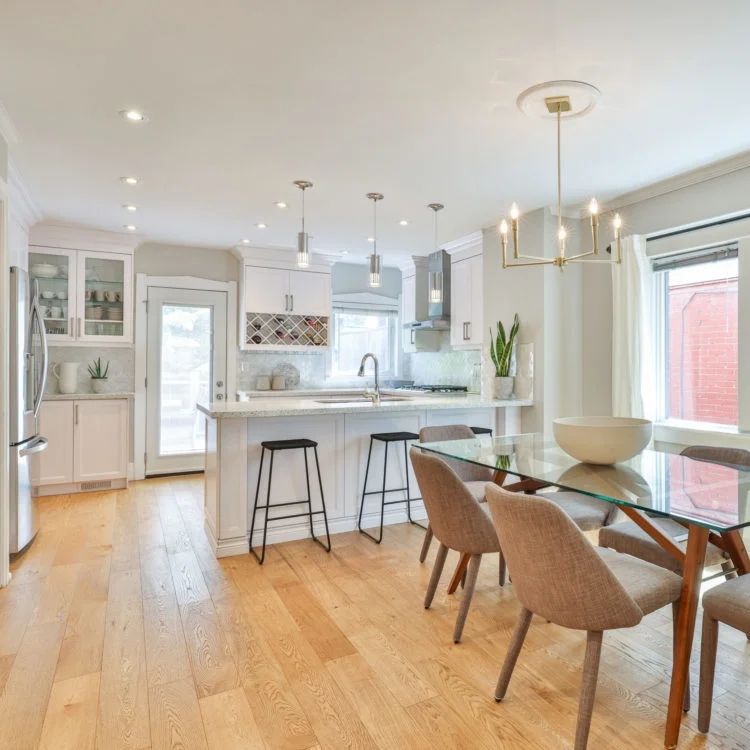
Engineered Hardwood Flooring in The Kitchen
|
The Kitchen Environment: Challenges for Hardwood Flooring
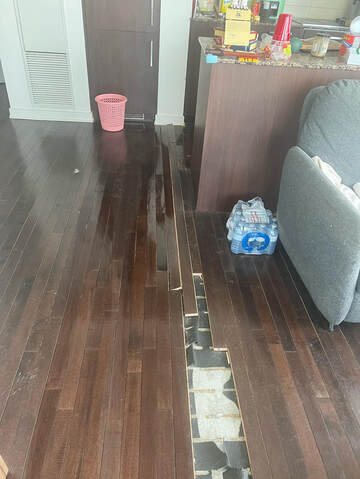
Engineered Hardwood Flooring Water Damage in Kitchen
|
Despite the advantages, there are several reasons to tread carefully when considering engineered hardwood flooring for your kitchen. The kitchen is a high-traffic area subject to spills, humidity fluctuations, and potential water damage. Here are the main challenges:
|
A Case for Tile Flooring in the Kitchen
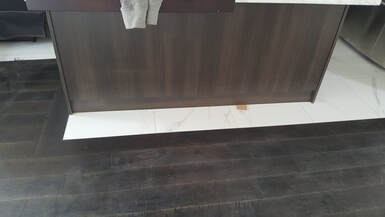 Engineered Hardwood Floor to Tile Transition
While at Parqueteam Hardwood Flooring, we pride ourselves on our engineered hardwood flooring offerings in Toronto, we believe in providing our customers with the best advice for their specific needs. Given the potential for water damage and the higher maintenance needs, we typically recommend considering tile for kitchen flooring. Nonetheless, if your heart is set on the warmth and beauty of engineered hardwood, it can indeed be a suitable choice, given proper care and maintenance.
In conclusion, while it's entirely possible to install engineered hardwood flooring in your kitchen, it's essential to be aware of the potential challenges. If you're ready to embrace the maintenance and care hardwood requires, it can certainly add a touch of elegance to your kitchen. But for practicality and durability, tile flooring might be the more sensible choice.
FAQ
Engineered hardwood flooring is a type of flooring that combines a real hardwood surface layer with multiple layers of plywood or high-density fiberboard underneath. This construction makes it more stable and less susceptible to changes in temperature and humidity compared to solid hardwood.
2. How does engineered hardwood flooring compare to solid hardwood flooring?
While solid hardwood is made entirely of a single type of wood, engineered hardwood consists of a thin layer of real wood on top and several layers of plywood or high-density fiberboard beneath. This makes engineered hardwood more stable and less prone to warping or shrinking due to changes in temperature or humidity. However, solid hardwood can typically be sanded and refinished more times than engineered hardwood.
3. What are the pros and cons of installing engineered hardwood flooring in a kitchen?
The pros of installing engineered hardwood flooring in a kitchen include its attractive appearance, comfort underfoot, and durability. However, it can be susceptible to water damage if not properly sealed and maintained. It also has limitations when it comes to refinishing.
4. How do I maintain engineered hardwood flooring in a kitchen?
To maintain engineered hardwood flooring in a kitchen, it's important to clean up spills immediately to prevent water damage. Regular sweeping or vacuuming can help remove dirt and debris that could scratch the floor. It's also recommended to use a damp mop and a cleaning product designed for engineered hardwood floors for regular cleaning.
5. Can engineered hardwood flooring be refinished?
Yes, engineered hardwood flooring can be refinished, but the number of times it can be refinished depends on the thickness of the top layer of wood. It's important to consult with a flooring professional to determine if your engineered hardwood floor can be refinished.
Engineered vs Solid Hardwood in Toronto: Is Engineered Flooring Just as Good?
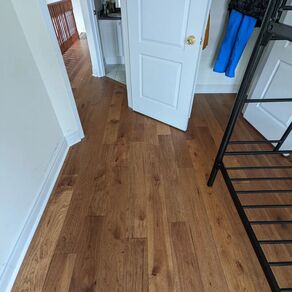
Understanding Hardwood Flooring: Solid vs. Engineered
Before we delve into our main question, it's crucial to understand what we mean by "solid hardwood flooring" and "engineered hardwood flooring".
Solid hardwood flooring is exactly what it sounds like: a flooring material made from a solid piece of hardwood. It's renowned for its timeless beauty, durability, and the value it can add to a property.
Engineered hardwood flooring, on the other hand, is a layered product. The top layer is real hardwood, but it's bonded to several underlying layers of plywood or high-density fibreboard. This structure provides engineered hardwood with some unique benefits, which we'll discuss in more detail.
The Merits of Engineered Hardwood Flooring
1. Stability: Engineered hardwood is less susceptible to warping and movement caused by changes in humidity and temperature. This makes it a great choice for areas where moisture levels can fluctuate, like basements or kitchens.
2. Versatility: Engineered hardwood can be installed over a variety of surfaces, including concrete and radiant heating systems, offering a flexibility that solid hardwood often can't match.
3. Variety: Because the top layer of engineered hardwood is real wood, it comes in as many species and styles as solid hardwood. You can find engineered versions of all your favourite hardwoods, from oak to maple to exotic varieties.
Engineered vs Solid Hardwood: A Toronto Perspective
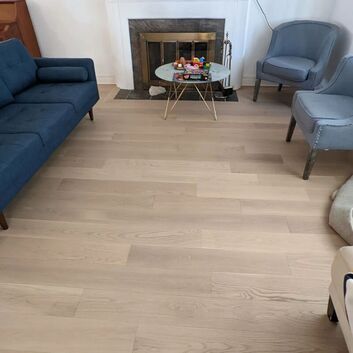
Solid hardwood flooring is often seen as the premium choice because of its potential for longevity. It can be sanded and refinished multiple times, which can keep it looking great for decades. Engineered hardwood can also be refinished, but the number of times depends on the thickness of the top layer.
So, is engineered hardwood just as good as solid hardwood?
The answer depends on your specific needs and circumstances. If you're looking for maximum longevity and have the right conditions to maintain it, solid hardwood is a fantastic choice. If you need something more versatile and stable, especially in areas with variable moisture or over concrete subfloors, engineered hardwood is likely the better option.
In conclusion, both solid and engineered hardwood offer unique benefits and can be the "right" choice depending on your specific needs. As Toronto's hardwood flooring experts, we're here to help you make the best choice for your home or project. Don't hesitate to reach out to us with your hardwood flooring questions!
Parqueteam Hardwood Flooring
Hardwood Flooring Toronto and The Greater Toronto Area.
Archives
December 2023
November 2023
October 2023
September 2023
August 2023
June 2023
May 2023
April 2023
July 2018
February 2018
January 2018
December 2017
March 2017
February 2017
January 2017
November 2016
October 2016
May 2016
March 2016
February 2016
January 2016
December 2015
November 2015
October 2015
September 2015
August 2015
July 2015
June 2015
May 2015
April 2015
March 2015
February 2015
January 2015
December 2014
June 2014
May 2014
April 2014
March 2014
Categories
All
Affordable Flooring
Art Flooring
Canada
Canadian
Clean Hardwood Floors
Cleaning Hardwood Floors
Commercial Hardwood Flooring
Condos
Construction
Construction Materials
Consturction
Contractors
Cost And Budgeting
Dark Hardwood Flooring
Design
DIY
Durable Hardwood Floors
Engineered Hardwood
Engineered Hardwood Flooring
Engineered Hardwood Flooring Toronto
Engineered Hardwood Floors
Engineered Wood Floors
European Hardwood Flooring
Floating Hardwood Flooring
Flooring
Flooring Baseboards
Flooring Baseboards Installation
Flooring Benefits
Flooring Comparison
Flooring FAQs
Flooring Guide
Flooring Innovation
Flooring Installation
Flooring Maintenance
Flooring Options
Flooring Refinishing
Flooring Solutions
Flooring Styles And Patterns
Flooring Tips
Flooring Tips And Guides
Flooring Trends
Floors
Glue Down Hardwood Floors
Hardwood
Hardwood Floor
Hardwood Flooring
Hardwood Flooring Contractor
Hardwood Flooring Contractors
Hardwood Flooring Contractors In Toronto
Hardwood Flooring Contractors Toronto
Hardwood Flooring Finishes
Hardwood Flooring Installation
Hardwood Flooring Installation Cost
Hardwood Flooring Installation In Markham
Hardwood Flooring Installation In Toronto
Hardwood Flooring Installation Toronto
Hardwood Flooring Installers In Toronto
Hardwood Flooring In Toronto
Hardwood Flooring Markham
Hardwood Flooring Refinishing
Hardwood Flooring Repairs
Hardwood Flooring Sanding And Refinishing
Hardwood Flooring Toronto
Hardwood Flooring Trends
Hardwood Floors
Hardwood Floors Toronto
Hardwood Stairs
Hickory Flooring
Home Decor
Home Decor Tips
Home Design
Home Improvement
Home Imrovement
Home Investment
Home Renovation
Home Renovations
Homes
Home Solutions
House
Installation
Interior Design
Interiors
Kitchen Remodeling
Laminate
Laminate Flooring
Laminate Flooring Installation
Laminate Flooring Installation Toronto
Laminate Flooring Installers
Laminate Flooring Toronto
Laminate Floors
Maple Flooring
Modern Home Improvement
Oak Flooring
Parqueteam
Parqueteam Hardwood Flooring
Real Estate
Real Estate Value Enhancement
Refinishing
Solid Vs Engineered Flooring
Solid Wood Flooring
Staining Hardwood Floors
Sustainable Flooring
Tips
Toronto
Toronto Climate
Toronto Flooring
Toronto Flooring Services
Toronto Hardwood Flooring
Toronto Home Improvement
Toronto Homeowners
Toronto Homeowners Guide
Toronto Home Renovation
Toronto Home Style
Toronto Living
Toronto Real Estate
Wood
Wooden Floors
Wood Flooring
Wood Flooring Installation
Wood Flooring Installation In Toronto
Wood Flooring Toronto
Wood Floors
Wood Stairs Installation Toronto
Wood Stairs Toronto
 RSS Feed