

|
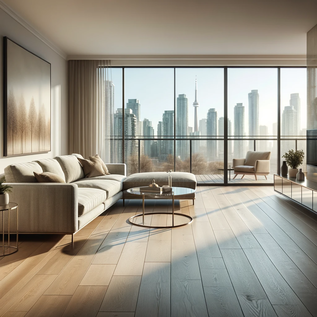
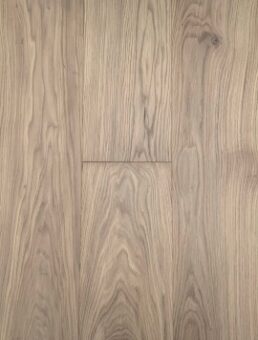 European Engineered Hardwood Flooring Boher | 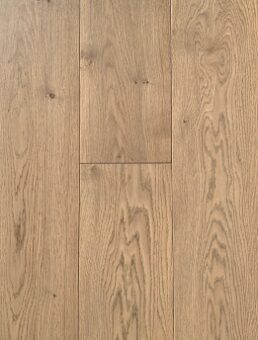 European Engineered Hardwood Flooring Citadella |
European Oak: The Premier Choice
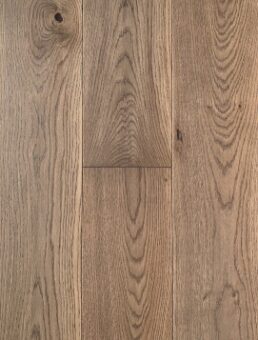 European Engineered Hardwood Flooring Cittanova | 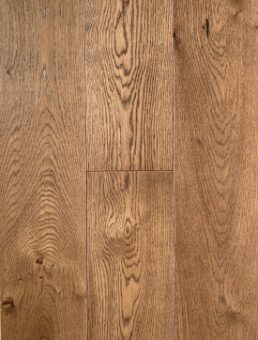 European Engineered Hardwood Flooring Conegliano |
French Oak vs European Oak: Understanding the Difference
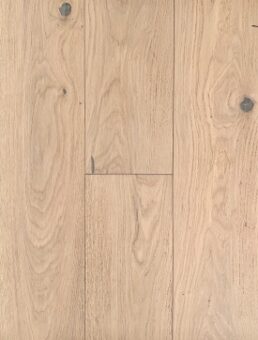 European Engineered Hardwood Flooring Cremona | 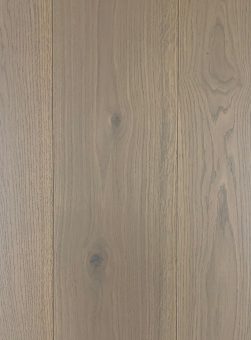 European Engineered Hardwood Flooring Jesolo |
European Oak and White Oak: Are They the Same?
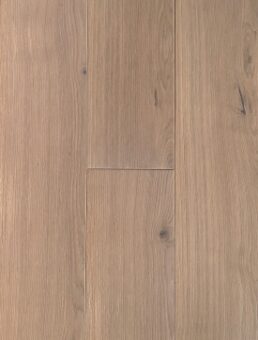 European Engineered Hardwood Flooring Lublin | 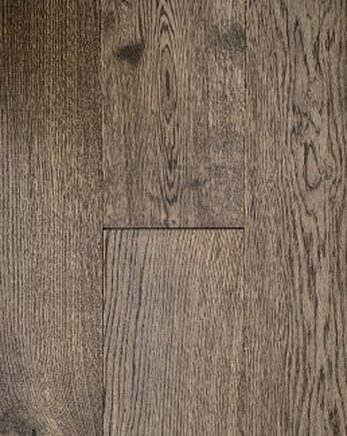 European Engineered Hardwood Flooring Marcon |
Incorporating European Hardwood in Your Toronto Home
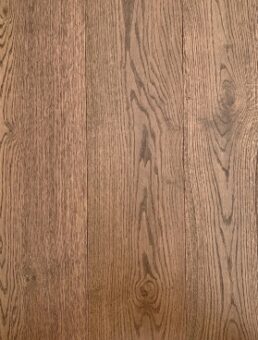 European Engineered Hardwood Flooring Merano | 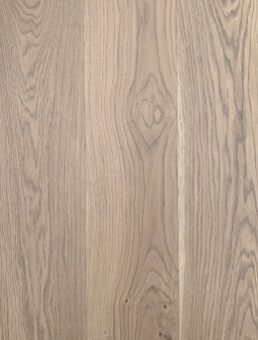 European Engineered Hardwood Flooring Montebeluna |
Installation and Maintenance
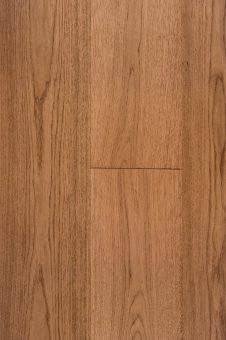 European Engineered Hardwood Flooring Pavia | 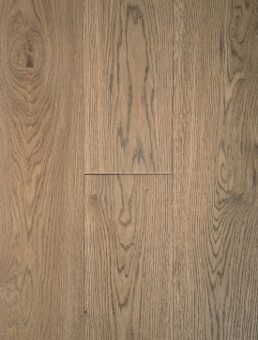 European Engineered Hardwood Flooring ponzano |
Where to Find Quality European Hardwood Flooring in Toronto
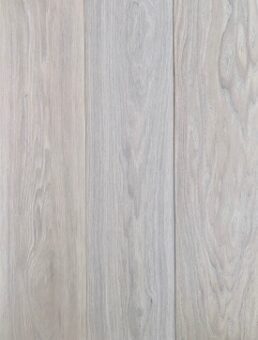 European Engineered Hardwood Flooring roman | 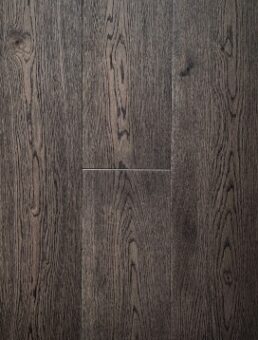 European Engineered Hardwood Flooring trento |
At Parqueteam Hardwood Flooring, we’re here to help you make that vision a reality. With our extensive selection, expert advice, and professional installation services, we ensure your flooring experience is seamless and satisfying. Explore our website to view our range of hardwood flooring options, or visit us in person for a consultation. Let's work together to find the perfect hardwood floor that reflects your style and adds unparalleled beauty to your home.
FAQ Section: Expert Answers to Your Hardwood Flooring Questions
A: Absolutely. European Oak is renowned for its durability and elegant appearance, making it a superb choice for Toronto homes. Its ability to withstand varying climates and heavy foot traffic, while maintaining its aesthetic appeal, sets it apart as a premium flooring option. Learn more about it or other engineered hardwood flooring options in our page
Q: What is the difference between French Oak and European Oak?
A: French Oak typically has a tighter grain and more consistent color, owing to the specific growth conditions in France. It's sought after for its elegance and uniform appearance. European Oak, while also high-quality, offers more color variations and a slightly bolder grain pattern, providing a different aesthetic. Both types of oak have their unique appeal, suitable for various interior designs. For further details, check out our guide on choosing hardwood flooring.
Q: Is European Oak the same as White Oak?
A: No, European Oak and White Oak are not the same. While they share some similarities, such as durability, they differ in color and grain pattern. White Oak generally has a lighter tone and more uniform grain, while European Oak offers richer color variations and a more distinct grain. Each type brings its unique charm and can be chosen based on the specific aesthetic you wish to achieve in your space.
Finding the Best Hardwood Flooring in Toronto: What You Need to Know
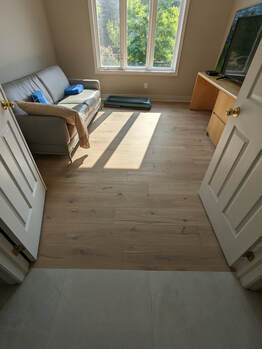 Engineered hardwood flooring installed
 Toronto, a city where the choice of hardwood flooring can define the character of your home. As experts in hardwood flooring installation, We've witnessed firsthand how the right flooring choice can transform a space. In this bustling metropolis, the options are plentiful, but finding the best hardwood flooring requires a blend of art and practicality. Whether you're renovating a heritage property or customizing a new build, this guide will provide you with the essential insights to make the best choice for your Toronto home
The Importance of Quality in Hardwood Flooring
Identifying the Best Hardwood Flooring Options
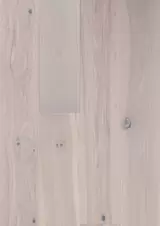 Engineered Hardwood Flooring Hayward | 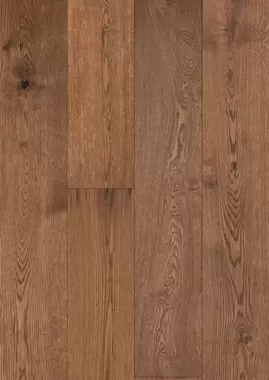 Engineered Hardwood Flooring hudson |
Where to Buy Quality Hardwood Flooring in Toronto
Canada is home to some of the best hardwood flooring manufacturers in the world, known for their commitment to quality and sustainability. These manufacturers often use locally sourced woods, ensuring a lower carbon footprint and support for local industries. Some of the top names in the market include companies that specialize in a range of wood types and offer both traditional and contemporary designs.
Factors to Consider When Choosing Hardwood Flooring
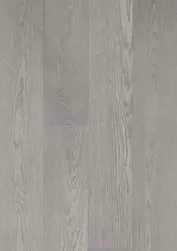 Engineered Hardwood Flooring Maxine | 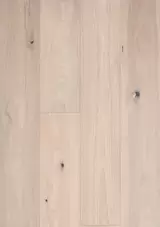 Engineered Hardwood Flooring Thatcher |
Installation Considerations for Premium Hardwood Floors
Maintenance Tips for Keeping Your Hardwood Floors Like New
 Engineered Hardwood Flooring Townsend | 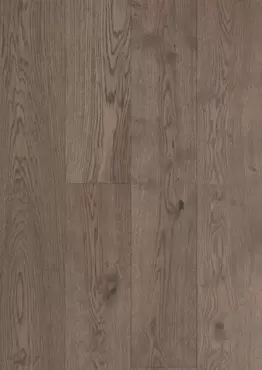 Engineered Hardwood Flooring webster |
Making the Right Choice in Toronto’s Hardwood Flooring Market
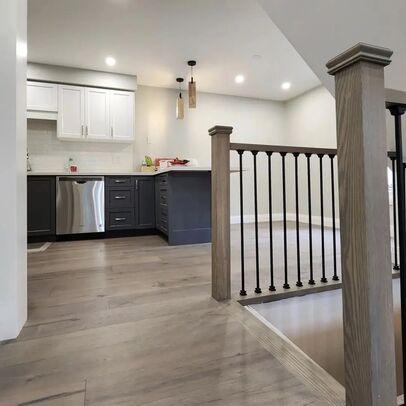 | Navigating through Toronto's hardwood flooring options might seem daunting, but armed with the right information, it becomes an exciting journey to finding the perfect flooring for your home. High-quality hardwood flooring is not just a purchase; it's a long-term investment in the beauty and comfort of your living space. Whether you opt for the classic charm of solid hardwood or the modern versatility of engineered flooring, the key is to focus on quality, sustainability, and a style that resonates with your personal taste and home's character. At Parqueteam Hardwood Flooring, we understand the importance of each step in this journey – from choosing the right wood to professional installation. We take pride in guiding our clients through this process, ensuring that they not only find the best hardwood flooring in Toronto but also enjoy the beauty and durability it brings to their homes for years to come. Remember, the best floors are the ones that you'll love walking on every day. |
FAQ Section: Your Hardwood Flooring Questions Answered
A: The highest quality hardwood flooring is often characterized by its durability, finish, and grain quality. Species like Canadian maple and oak are highly regarded for their longevity and aesthetic appeal.
Q: What is the best grade of hardwood flooring for my home?
A: The best grade often depends on your personal preference and the intended use of the space. Clear or select grades offer uniformity and fewer imperfections, ideal for formal areas. For a more natural look with character, consider lower grades with more knots and color variation.
Q: What is the best hard hardwood flooring for high-traffic areas?
A: For high-traffic areas, hardwoods like hickory or oak are excellent choices due to their hardness and durability. These species can better withstand wear and tear, maintaining their appearance over time.
Q: How much does hardwood flooring typically cost in Toronto?
A: The cost of hardwood flooring in Toronto varies based on the type of wood, installation complexity, and the area's size. On average, prices can range from moderate to high-end, depending on these factors. For a detailed cost analysis specific to Toronto, check out our breakdown on hardwood flooring costs.
Hardwood Flooring Trends in Toronto for 2024
|
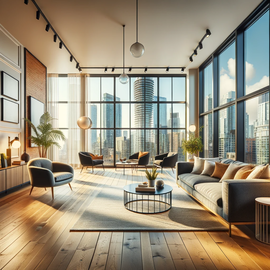
When it comes to home decor, few elements speak volumes like the understated elegance of hardwood flooring. In Toronto, a city that embraces both the warmth of tradition and the pulse of modernity, hardwood floors offer a canvas upon which homeowners paint their lives. At Parqueteam Hardwood Flooring, we've been transforming homes across the Greater Toronto Area with floors that echo the spirit of each household. As we edge closer to 2024, let's unfold the trends that are setting the stage for a new era of interior sophistication.
|
The Pulse of Toronto's Hardwood Flooring Trends
Another trend that's gaining ground is the integration of organic textures. The raw, natural beauty of the grain is being celebrated more than ever, with finishes that highlight rather than hide the wood's innate patterns. This move towards nature-centric design aligns with the city's love for green spaces and sustainability, reflecting the outdoors within the urban home.
The Timeless Appeal of Classic Hues
|
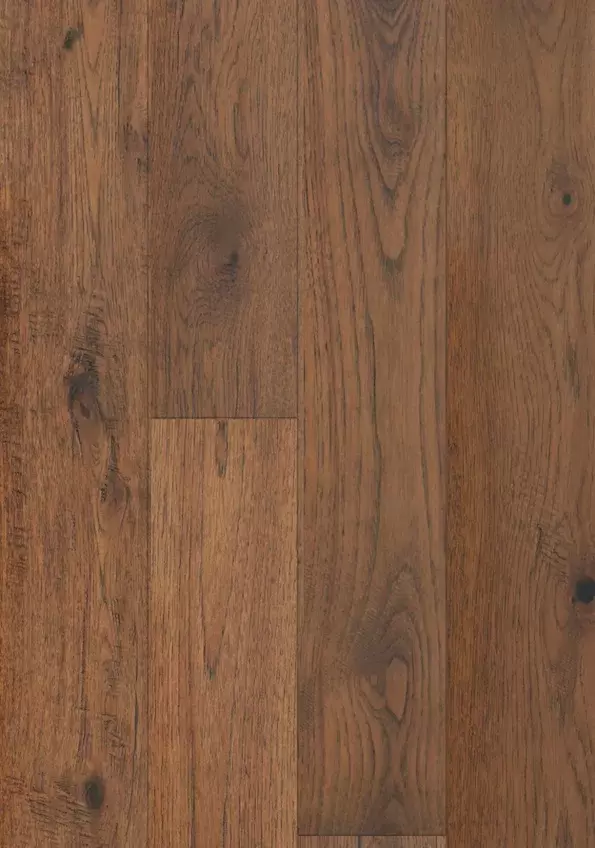
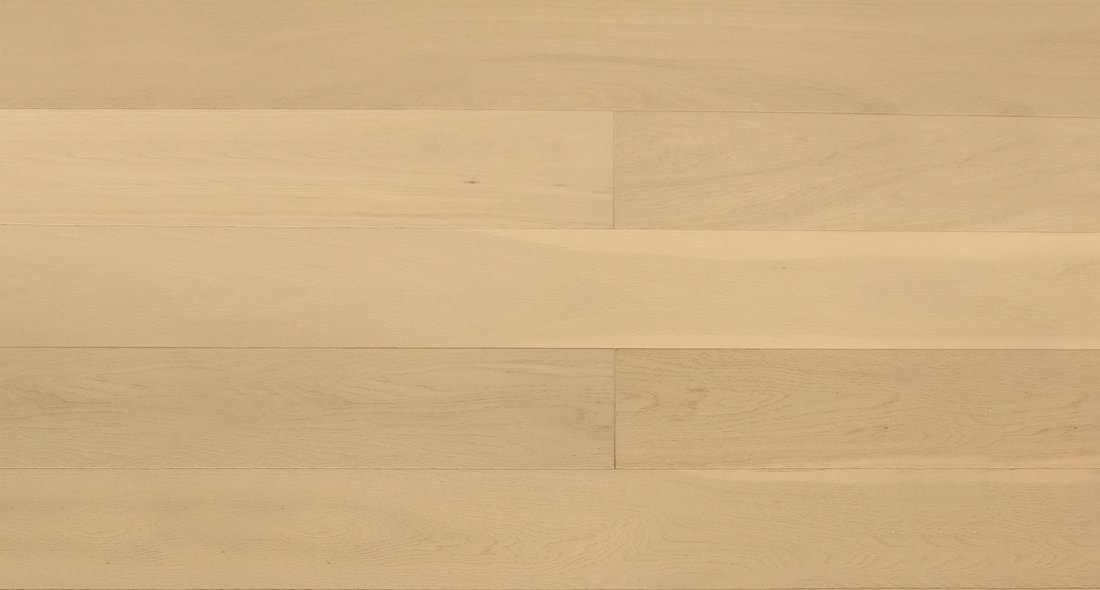
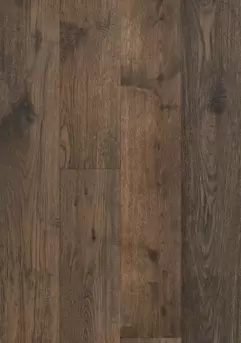
When it comes to color, the timeless hues of hardwood flooring continue to charm Toronto homeowners. The classic brown and honey tones are as popular as ever, offering a warm foundation that complements a wide range of decor schemes. These colors are the chameleons of the flooring world—equally at home in a sleek, modern condo as in a stately Victorian house.
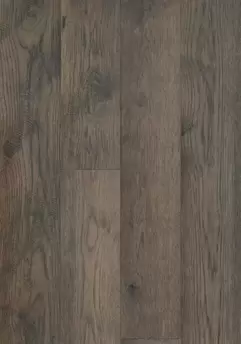
Yet, as we look to the future, we're also seeing a subtle shift towards cooler tones. Greys and lighter, ashy colors are making their way into the Toronto market, bringing with them a fresh and contemporary vibe. These hues reflect the city's urban edge and its forward-thinking design sensibilities. Whether it's the rich patina of aged walnut or the soft wash of bleached oak, the color of hardwood flooring in Toronto is speaking in nuanced tones that promise to remain in vogue for years to come. This is just the beginning of our journey into the flooring trends of tomorrow. Stay tuned for more insights, and in the meantime, explore Parqueteam Hardwood Flooring's portfolio to see how we're paving the way for 2024's trends with today's installations. |
|
Today's Top Choices in Hardwood Flooring
In the realm of contemporary homes, however, another star is rising—engineered hardwood. This innovative option is capturing hearts with its stability and suitability for Toronto's varying climates. It stands up to the challenge of high-moisture areas, making it an excellent choice for installations across the home, from bustling kitchens to tranquil bedrooms.
2024's Forecast: Colors, Patterns, and Finishes
|
As we look ahead, 2024 is set to welcome an evolution in hardwood flooring colors, patterns, and finishes that mirror the city's dynamic spirit. The color palette is broadening, with whispers of charcoal and hints of off-white anticipated to trend alongside the classic browns. These contemporary tones offer a minimalist backdrop for a sleek, modern interior design.
Patterns in hardwood flooring are becoming a canvas for personal expression. The resurgence of parquet patterns, such as the intricate herringbone or the stately chevron, adds a layer of sophistication and visual interest to any room. These patterns are a nod to the past, reimagined for the future, and they're perfect for those looking to infuse their spaces with a touch of artistic flair. Finishes in 2024 are expected to range from ultra-matte to satin sheen, moving away from the high gloss of yesteryears. These finishes not only enhance the wood's natural beauty but also offer practical benefits, such as hiding scratches and scuffs, making them ideal for busy Toronto households. |
Engineered Hardwood Flooring: The Toronto Favorite
Engineered hardwood flooring is a testament to the innovation that Torontonians adore. It's an ideal choice for those seeking a sustainable option that doesn't sacrifice the opulence of traditional hardwood. Its ease of installation and variety of available finishes make it a go-to for both new builds and renovations. Not to mention, its compatibility with underfloor heating systems is a cozy addition for those cold Canadian winters.
In the heart of Toronto, where tradition meets transition, engineered hardwood flooring is laying the groundwork for a revolution in home design. It's not just a trend; it's the future of flooring in a city that's always on the move.
Practicality Meets Elegance
|
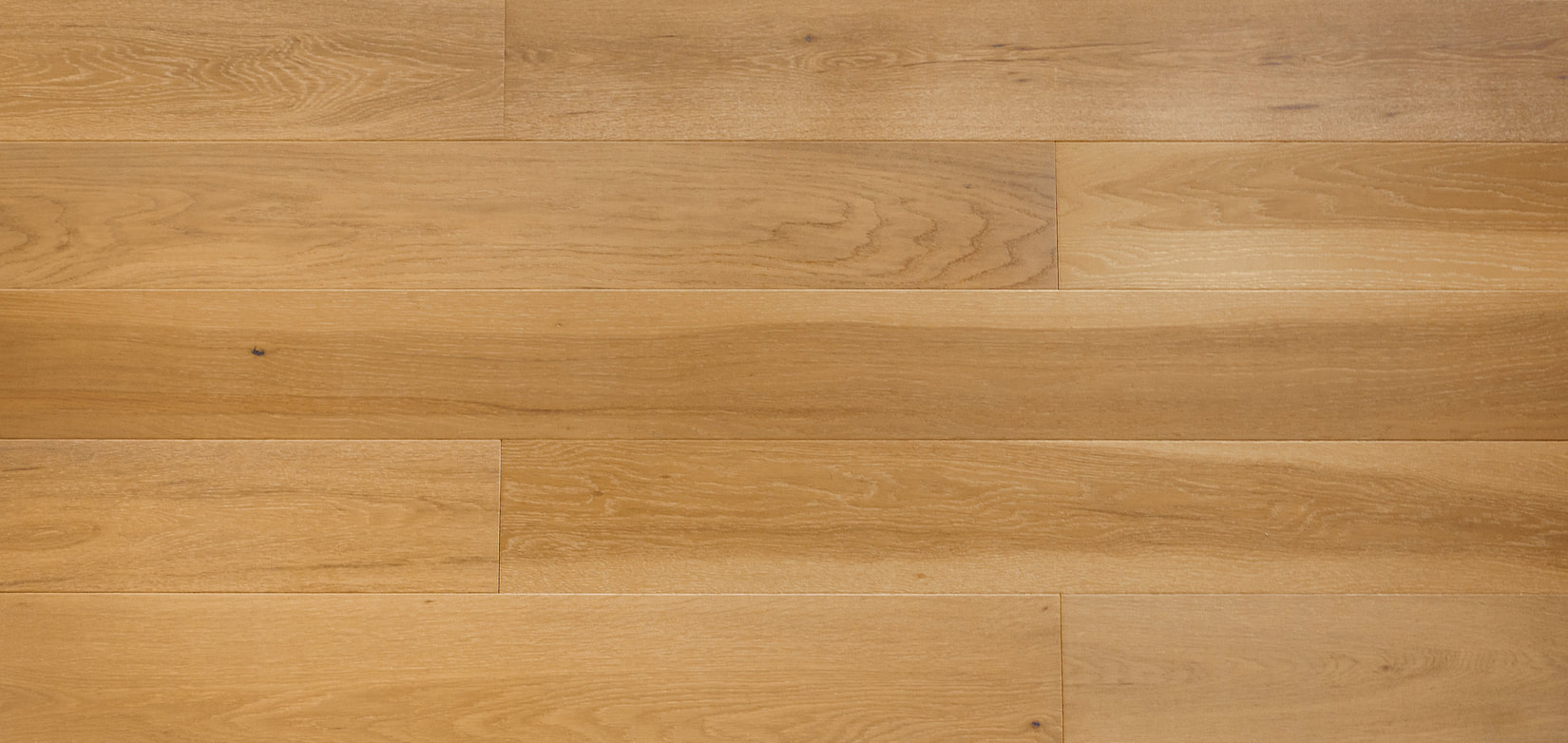
Toronto's homeowners are not just design enthusiasts but also pragmatists at heart. They seek flooring that withstands the test of time and the rigors of daily life. This pragmatism is steering the 2024 hardwood flooring trends towards options that offer both resilience and easy maintenance without sacrificing aesthetic appeal. The city's flooring preferences are leaning towards wider, longer planks with a strong finish, as they lend an uninterrupted, expansive feel to rooms and require less upkeep than their narrower counterparts.
Moreover, the practicality extends to the installation methods themselves. The shift towards glue-down engineered hardwood flooring reflects a desire for secure and stable floors that handle foot traffic and furniture with grace. This method has found a particular niche in commercial spaces and rental properties within the GTA, where longevity and durability are paramount. |
|
Sustainability: A Growing Trend
Parqueteam Hardwood Flooring is at the forefront of this green movement, offering a selection of responsibly sourced and renewable materials. From bamboo to reclaimed hardwood, these green choices are as durable as they are beautiful. They not only create a warm, inviting space but also contribute to a healthier planet. The trend is clear: Toronto's residents are choosing to walk on floors that help pave the way to a greener future.

|
|
|
Parqueteam Hardwood Flooring stands ready to guide you through these trends with expertise and care, ensuring that your home's foundation is as robust and stylish as the city itself. Whether you're renovating a cherished space or crafting a new one, we invite you to explore our services and join us at the forefront of flooring innovation.
References and Further Reading
- The Ultimate Guide to Hardwood Flooring in Toronto
- Decoding Timeless Colours in Hardwood Flooring
- Engineered vs. Solid Hardwood in Toronto
- Choosing the Best Hardwood Flooring for Your Toronto Home
- Discover the Benefits of Engineered Hardwood Flooring in Toronto
Embrace the future of flooring with the elegance of the past and the innovation of tomorrow. Let's step into 2024 with confidence and style, one plank at a time, with Parqueteam Hardwood Flooring.
FAQ Section
A: Consider your home's architecture, your personal style, and how the space is used. Look for trends that resonate with your aesthetic while offering practical benefits like durability and easy maintenance. Our experts at Parqueteam Hardwood Flooring can guide you through the selection process.
Q: Can hardwood flooring increase my home's value?
A: Absolutely. Hardwood flooring is a coveted feature for many homebuyers. It's known for its durability, ease of maintenance, and timeless appeal. Investing in quality hardwood flooring can significantly boost the value of your property.
Q: Is engineered hardwood flooring durable?
A: Yes, engineered hardwood is designed for longevity. It's constructed with a solid wood top layer supported by additional layers for stability, making it resistant to warping and moisture—ideal for Toronto's climate.
Q: Are there eco-friendly hardwood flooring options available in Toronto?
A: Parqueteam Hardwood Flooring offers a range of eco-friendly options. From sustainably sourced hardwoods to reclaimed wood and bamboo, there are numerous choices for those looking to make an environmentally conscious decision for their flooring.
Q: How do I maintain my hardwood floors to keep them looking new?
A: Regular sweeping or vacuuming to remove dirt and grit, immediate cleaning of spills, and periodic professional hardwood floor cleaning will keep your floors in top condition. Avoid using harsh chemicals and excessive water, which can damage the wood.
Q: Can I install hardwood flooring over radiant heating?
A: Engineered hardwood flooring is often compatible with radiant heating systems due to its dimensional stability. It's important to consult with our specialists to ensure you choose the right product for your underfloor heating setup.
Q: What is the trend in hardwood flooring in 2024?
A: The trend for 2024 is steering towards the natural beauty of hardwood with a practical edge. We're seeing a rise in preferences for wide plank and engineered hardwoods, as well as eco-friendly materials that cater to both aesthetic desires and functional needs of modern living.
Q: What is a timeless color for hardwood floors? A: Timeless colors for hardwood floors are all about the enduring appeal of natural wood tones. The spectrum ranges from the deep, sophisticated walnut to the bright and welcoming blonde oak. These hues have stood the test of time and continue to be favored in Toronto homes for their versatility and lasting appeal.
Q: What is the most popular hardwood flooring today? A: Engineered hardwood currently wears the popularity crown due to its exceptional versatility and adaptability. It's well-suited for Toronto's diverse climate and a variety of interior designs, making it a top choice for homeowners looking for both style and substance in their flooring.
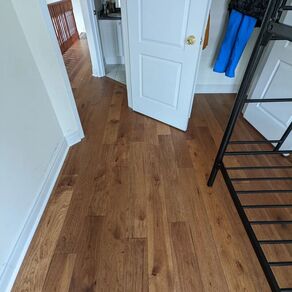
The Allure of Hardwood Flooring
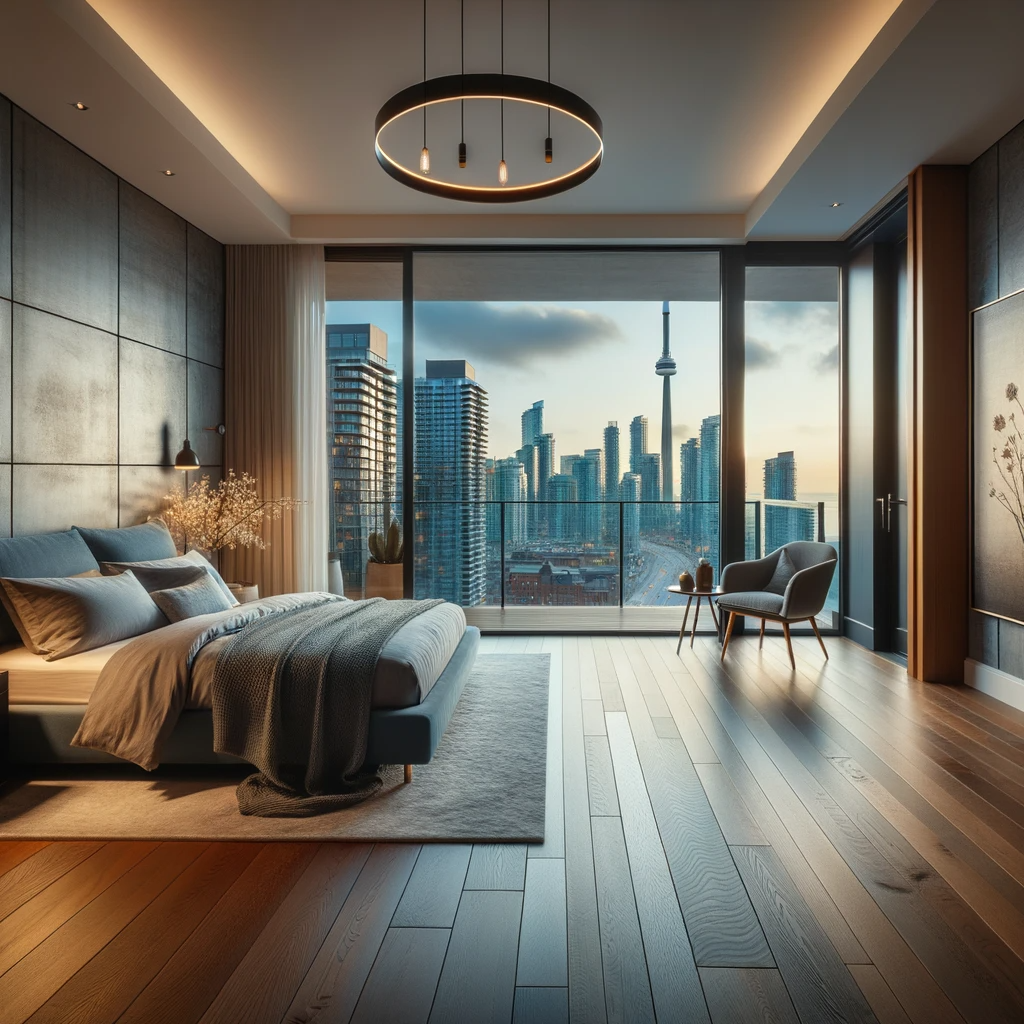
| There's something undeniably captivating about hardwood floors. Whether it's the rich, natural tones or the intricate grain patterns, hardwood flooring has a way of making a room feel both luxurious and inviting. Here are some reasons why homeowners often gravitate towards this classic choice:
|  |
Common Disadvantages of Hardwood Flooring and How to Overcome Them
The Issue: Hardwood floors are prone to scratches and dents, especially in high-traffic areas or homes with pets.
The Solution: Opt for hardwoods with a high Janka hardness rating like Hickory or Maple. Additionally, you can apply a durable finish for added protection. Regularly sweeping and using furniture pads can also minimize damage.
2. Sensitive to Moisture
The Issue: Hardwood floors can warp or swell when exposed to moisture, making them less suitable for bathrooms or basements.
The Solution: Consider engineered hardwood flooring, which offers better moisture resistance. Also, maintaining a stable indoor humidity level can prevent warping.
3. High Cost
The Issue: Quality hardwood flooring can be expensive, both in terms of material and installation.
The Solution: Look for promotions or discounts from reputable suppliers. Alternatively, you can opt for less expensive types of hardwood like Oak or Ash without compromising too much on quality.
4. Fading Over Time
The Issue: Prolonged exposure to sunlight can cause hardwood floors to fade over time.
The Solution: Use window treatments like blinds or curtains to limit sun exposure. You can also refinish the floors every few years to restore their original luster.
5. Maintenance
The Issue: Hardwood floors require regular maintenance like sweeping, mopping, and occasional refinishing.
The Solution: Incorporate a low-maintenance finish and establish a regular cleaning routine. For deeper cleans, consider professional hardwood flooring sanding and refinishing.
6. Limited Style Options
The Issue: Unlike tiles or carpets, hardwood floors offer limited patterns and designs.
The Solution: Hardwood floors can be customized with inlays, mixed plank sizes, or different installation patterns like herringbone. For more design inspiration, check out our portfolio.
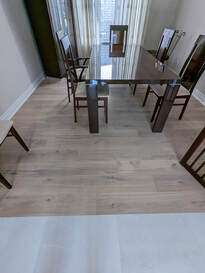 | While hardwood flooring comes with its own set of challenges, the benefits far outweigh the disadvantages. With the right knowledge and a little effort, you can easily overcome these drawbacks to enjoy the timeless beauty and durability that only hardwood floors can offer. Ready to make an informed decision about your flooring? Contact us at Parqueteam Hardwood Flooring for a consultation. Our experts can guide you through the selection process and help you find the perfect flooring solution for your home. |
Frequently Asked Questions About Hardwood Flooring Disadvantages
- Is hardwood flooring worth the investment?
- Absolutely, especially when you consider its durability and the value it adds to your home. Check out our blog post on which hardwood is best for flooring in Toronto for more insights.
- How do I maintain my hardwood floors?
- Regular sweeping and occasional mopping with a damp cloth are generally sufficient. For more detailed information, read our comprehensive guide on hardwood flooring maintenance.
- What are the alternatives to hardwood flooring?
- Laminate and luxury vinyl plank flooring are popular alternatives. Learn the pros and cons in our blog post comparing hardwood and laminate flooring.
- Can hardwood floors be installed in basements or bathrooms?
- While not ideal due to moisture concerns, engineered hardwood can be a viable option for such areas. Read our post on engineered vs. solid hardwood for more details.
- How much does it cost to install hardwood floors?
- Costs can vary based on the type of wood, installation method, and additional services like removal of old flooring. For a detailed breakdown, visit our hardwood flooring installation page.
Engineered Hardwood Flooring in Toronto: Costs, Benefits, and Common Questions Answered
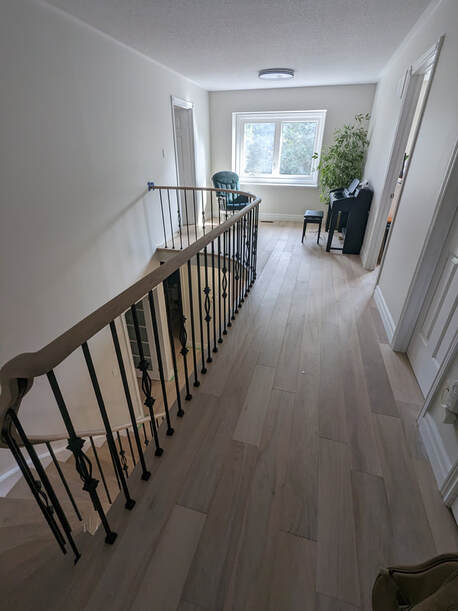 Elegant engineered hardwood flooring by Parqueteam Hardwood Flooring in a Toronto home.
 Understanding The Costs of Installing Engineered Hardwood Floors
- Quality of the Material: Not all engineered hardwood is created equal. The thickness of the top veneer, the number of layers, and the quality of the core materials can all impact the price.
- Installation Complexity: Unlike with solid hardwood flooring, engineered hardwood floors have different ways of installation, and has cheaper and more expensive options for installation compared to solid hardwood floors, depends on type of flooring, subfloors, and manufacturing requirments. Some of the more common once are: Floating install (cheapest), Nail and glue assist (middle price) and full direct or double glue down (most expensive install)
- Brand & Origin: Premium brands or imported materials might come at a higher price point, but they often offer better warranties and longevity.
- Maintenance & Longevity: While the initial investment might be higher for high-quality engineered hardwood, the long-term maintenance costs can be lower due to its durability and resistance to wear and tear.
Benefits of Engineered Hardwood Floors
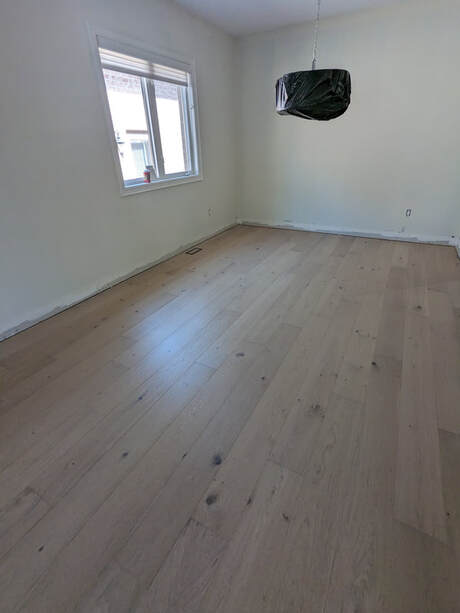 Detailed texture of engineered hardwood by Parqueteam Hardwood Flooring
 - Durability: Engineered hardwood is designed to resist warping and buckling, making it especially suitable for areas with varying humidity levels, like Toronto.
- Versatility: Its unique construction allows it to be installed over a variety of subfloors, including concrete and radiant heating systems.
- Aesthetic Appeal: With a wide range of finishes, styles, and wood species available, engineered hardwood can complement any interior design, from contemporary to classic.
- Eco-Friendly: Many engineered hardwood options use sustainably sourced wood and less of the desired species compared to solid hardwood, making it a more environmentally friendly choice.
- Value Addition: Homes with engineered hardwood often fetch a higher resale value, thanks to the flooring's longevity and timeless appeal.
Engineered Hardwood Floors vs. Solid Hardwood Floors
- Construction: While solid hardwood is made from a single piece of wood, engineered hardwood consists of a top veneer layer backed by multiple layers of plywood or other wood-based materials.
- Moisture Resistance: Engineered hardwood's multi-layered construction gives it an edge in resisting moisture and temperature changes, making it less prone to warping.
- Installation Flexibility: Engineered hardwood can be installed in basements and over concrete subfloors, where solid hardwood might not be recommended.
- Refinishing: Solid hardwood can be sanded and refinished multiple times, given its thickness. Engineered hardwood can also be refinished, but the number of times depends on the thickness of the top veneer layer.
- Cost: Engineered hardwood often comes at a more affordable price point than solid hardwood, especially when considering exotic wood species.
Engineered Hardwood Flooring Installation Process
- Preparation: Before the actual installation, the subfloor is prepared to ensure it's clean, level, and dry. This step is crucial to prevent any future issues like warping or squeaking.
- Method: Engineered hardwood can be installed using various methods, including floating, gluing, or nailing. The "nail and glue assist" method, as showcased in your YouTube short, offers added stability, especially for wider planks.
- Acclimatization: It's essential to let the engineered hardwood acclimate to the room's humidity and temperature for a few days before installation. This step helps in reducing post-installation expansion or contraction.
- Finishing: Once installed, the floor might require a protective finish, depending on the product chosen. This finish enhances the floor's durability and gives it a polished look.
Maintenance and Durability
- Regular Cleaning: Use a soft broom or vacuum to remove dirt and debris. Avoid using wet mops or steam cleaners as excessive moisture can damage the wood.
- Immediate Spill Cleanup: Any liquid spills should be cleaned up immediately to prevent staining or water damage.
- Protection: Use protective pads under furniture legs to prevent scratching. Consider using area rugs in high-traffic areas to reduce wear.
- Refinishing: Over time, the top layer of the engineered hardwood might show signs of wear. Depending on the thickness of the veneer, the floor can be sanded and refinished to restore its original beauty.
- Avoid Direct Sunlight: Prolonged exposure to direct sunlight can cause discoloration. Use curtains or blinds to protect your floor from UV rays.
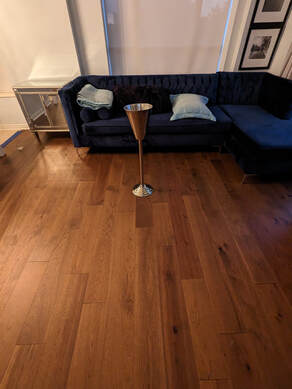
FAQ
- How much does it cost to install engineered hardwood?
The cost varies based on material quality, installation complexity, and square footage. - What are the disadvantages of engineered wood flooring?
While engineered hardwood offers many benefits, potential disadvantages include limited refinishing options (depending on veneer thickness) and sensitivity to prolonged moisture exposure. - Is engineered wood as good as hardwood floors?
Engineered hardwood combines the beauty of real wood with added stability from its multi-layered construction. Learn more about the comparison in our article on Engineered vs. Solid Hardwood. - Do engineered wood floors scratch easily?
While they are durable, they can be prone to scratches, much like solid hardwood. Proper care and protective measures can help maintain their appearance. - Which is better: engineered hardwood or laminate?
Both have their merits. Engineered hardwood offers a natural wood look and feel, while laminate is often more resistant to wear. Visit our Laminate Flooring Guide for more information about laminate floors. - How long will an engineered wood floor last?
With proper care, it can last decades. The lifespan also depends on factors like veneer thickness and core quality. - What is the best rated engineered wood flooring?
The best rating often depends on individual preferences, room usage, and budget. Our Portfolio showcases some top choices among Toronto homeowners. - Does engineered hardwood need underlayment?
Yes, an underlayment can provide moisture protection, sound insulation, and added comfort. More details can be found in our Installation Guide. - Is it better to glue or float an engineered wood floor?
The ideal method often depends on the product and subfloor. Both methods have their advantages, as discussed in our Comprehensive Guide. - Is engineered flooring more durable than hardwood?
Is Herringbone Hardwood Flooring Worth It?
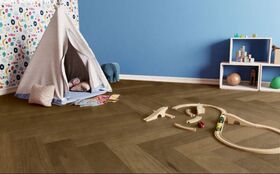
The Timeless Charm of Herringbone Hardwood Flooring
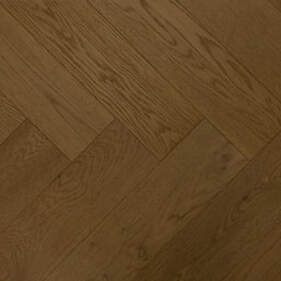 Hardwood Flooring Herringbone $9.99/square feet
 What sets herringbone apart from other flooring designs is its unique pattern. Each plank is laid in a manner that creates a broken zigzag, resembling the skeleton of a herring fish, from which it derives its name. This intricate design adds depth and dimension to spaces, making rooms come alive with character.
Advantages of Herringbone Hardwood Flooring
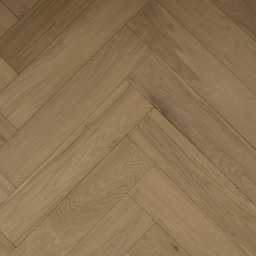 Hardwood Flooring Herringbone $9.99/square feet
 - Aesthetic Appeal: One of the primary reasons homeowners opt for herringbone is its unparalleled visual impact. The pattern, with its repeating geometric design, adds a touch of elegance and sophistication to any room. Whether you're aiming for a classic or contemporary look, herringbone seamlessly fits the bill.
- Added Property Value: A well-installed herringbone hardwood floor can significantly boost the value of a property. Potential buyers often view such unique flooring as a premium feature, making homes stand out in the real estate market.
- Spatial Dynamics: A common misconception is that intricate patterns like herringbone can make a room feel cramped. However, the opposite is true. The repeating pattern of herringbone can elongate spaces, giving the illusion of a larger room. Especially in open floor plans, herringbone can act as a visual treat, guiding the eye and adding depth to the space.
Common Concerns and Misconceptions
- Waste Concerns: One of the questions often raised is whether there's more waste with herringbone flooring. While it's true that the unique pattern might require more cuts, leading to some waste, the end result often justifies the means. Proper planning and a skilled installer can minimize this waste.
- Overwhelming Design?: Some homeowners worry that the herringbone pattern might be too "busy" for their space. However, the design's versatility allows it to complement both minimalistic and ornate interiors. The key lies in balancing the room's other elements with the floor's design.
- Trendy vs. Timeless: Is herringbone just a passing trend? History suggests otherwise. Its enduring appeal, from ancient Roman roads to modern luxury homes, indicates that herringbone is more timeless than trendy.
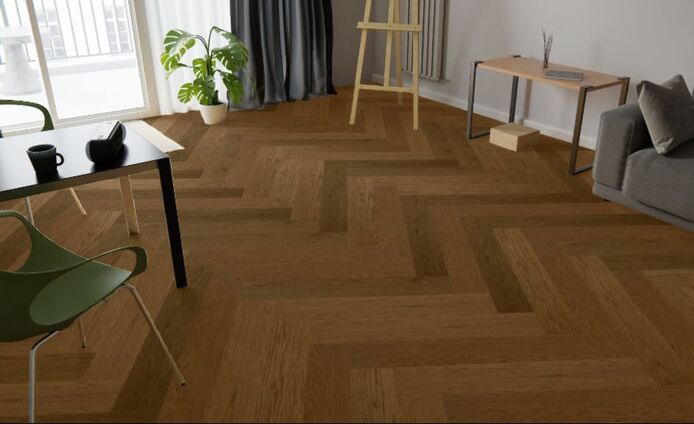
Quality Indicators for Herringbone Hardwood Flooring
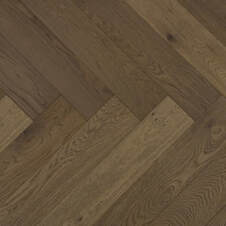 Hardwood Flooring Herringbone $9.99/square feet
 - Thickness: A good quality engineered herringbone floor will have a substantial wear layer. This not only ensures durability but also allows for refinishing in the future.
- Core Construction: The core plays a pivotal role in the floor's stability. Plywood cores are often preferred for their resilience and resistance to moisture.
- Finish: A high-quality finish not only enhances the wood's natural beauty but also offers protection against everyday wear and tear. Look for finishes that are resistant to scratches and UV rays.
- Reputation: Always choose a reputable supplier, like Parqueteam Hardwood Flooring, known for their commitment to quality and craftsmanship.
Herringbone vs. Other Flooring Patterns
 Hardwood Flooring Herringbone $9.99/square feet
 - Chevron: Often confused with herringbone, chevron is another V-shaped pattern. However, while herringbone planks are rectangular, chevron planks are cut at an angle to create a true point.
- Straight Lay: The most common hardwood flooring pattern, where boards are laid side by side in parallel. While simpler, it doesn't offer the same visual depth as herringbone.
- Basket Weave: A pattern where boards are laid horizontally and vertically, creating a woven effect. It's less common than herringbone and offers a different kind of aesthetic appeal.
The Formality of Herringbone
- Classic Elegance: The pattern itself has been associated with luxury and opulence, especially when used with high-quality materials. It's not uncommon to find herringbone patterns in upscale homes, hotels, and historic buildings.
- Versatility in Modern Design: While traditionally formal, herringbone can also fit seamlessly into contemporary and casual settings. The choice of wood, color, and size can influence its overall vibe. For instance, a wider plank in a lighter shade might lend a more relaxed feel.
- Complementary Patterns: Wondering what patterns go well with herringbone? Consider pairing it with simple wall designs or furniture. The contrast can create a harmonious balance in the room.
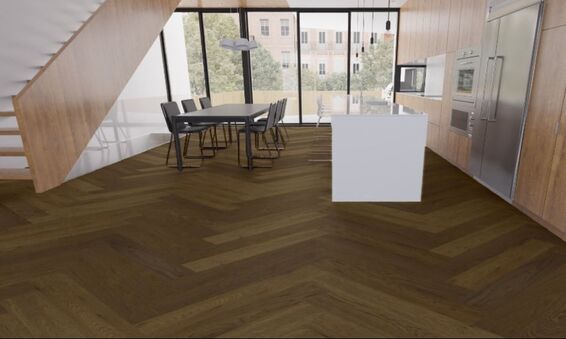
Addressing Common Concerns
- Is Herringbone Old Fashioned?: Far from it! While the pattern has historical roots, its resurgence in modern interior design speaks to its timeless appeal. With the right decor, herringbone can be both vintage and avant-garde.
- Room Size and Perception: A frequent question is whether herringbone makes a room look bigger or smaller. The diagonal lines can elongate a space, potentially making rooms feel more expansive. However, the effect can vary based on plank size and room dimensions.
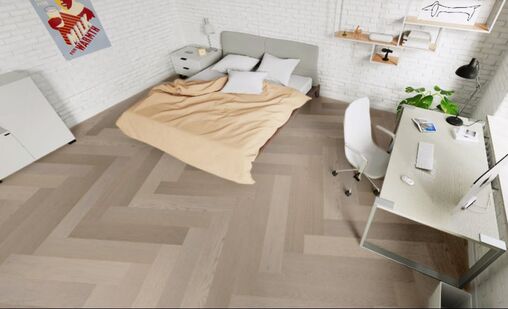
Conclusion: Is Herringbone Hardwood Flooring Worth It?
For those in Toronto considering a flooring upgrade, Parqueteam Hardwood Flooring offers a range of options, including the ever-popular herringbone pattern. Whether you're leaning towards solid hardwood flooring or engineered hardwood flooring, the experts at Parqueteam can guide you through the process, ensuring a result that aligns with your vision.
FAQ
2. Is herringbone flooring more expensive than traditional patterns? Due to its intricate pattern and the precision required for installation, herringbone flooring can be more costly than standard plank layouts.
3. Does herringbone flooring add value to my home? Herringbone flooring, with its timeless appeal and luxurious look, can potentially increase the value of a home and make it more attractive to potential buyers.
4. How do I maintain my herringbone hardwood floor? Maintenance for herringbone is similar to other hardwood floors. Regular sweeping, occasional mopping with a damp cloth, and avoiding excessive moisture will keep it looking pristine.
5. Can I install herringbone flooring in any room? Yes, herringbone flooring can be installed in any room, from living areas to bedrooms. However, for areas with high moisture, like bathrooms, it's essential to choose a suitable finish and ensure proper installation.
6. Is herringbone pattern trendy or timeless? While the herringbone pattern has become increasingly popular in recent years, its historical roots make it a timeless choice that never goes out of style.
7. What type of wood is best for herringbone flooring? Herringbone flooring can be crafted from various wood types, including oak, maple, and walnut. The choice depends on personal preference, budget, and desired aesthetics.
8. Where can I get herringbone hardwood flooring in Toronto? Parqueteam Hardwood Flooring offers a wide range of herringbone hardwood flooring options suitable for various preferences and budgets.
What is the Best Thickness for Engineered Hardwood Flooring?
Understanding Engineered Hardwood Flooring:
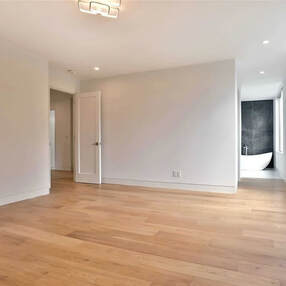 Engineered wood flooring toronto
 What sets engineered hardwood apart is its adaptability. It can be installed in areas where solid hardwood might not be suitable, such as basements or over radiant heating systems. The multi-layered construction offers resistance to changes in temperature and humidity, reducing the risk of warping or buckling.
But not all engineered hardwood is created equal. The thickness of the veneer and the overall plank can vary, influencing the floor's durability and lifespan. To truly appreciate the importance of thickness in engineered hardwood, one must delve deeper into its implications for performance and longevity.
For a more comprehensive understanding of engineered hardwood and its varieties, explore our detailed guide on Engineered Hardwood Flooring.
The Significance of Thickness in Engineered Hardwood
- Is Thicker Always Better?: While a thicker floor offers more durability, it's essential to balance thickness with the specific needs of your space. For instance, if you're installing the floor in a low-traffic area, a thinner option might suffice. However, for high-traffic areas or homes with pets, opting for a thicker floor can be a wise investment.
- Standard Thicknesses: Engineered hardwood floors come in various thicknesses, typically ranging from 3/8 inch to 3/4 inch. The choice of thickness often depends on factors like subfloor type, installation method, and budget constraints. For a detailed breakdown of standard flooring dimensions, check out our guide on hardwood flooring styles.
 $5.99/square feet |  $5.99/square feet | 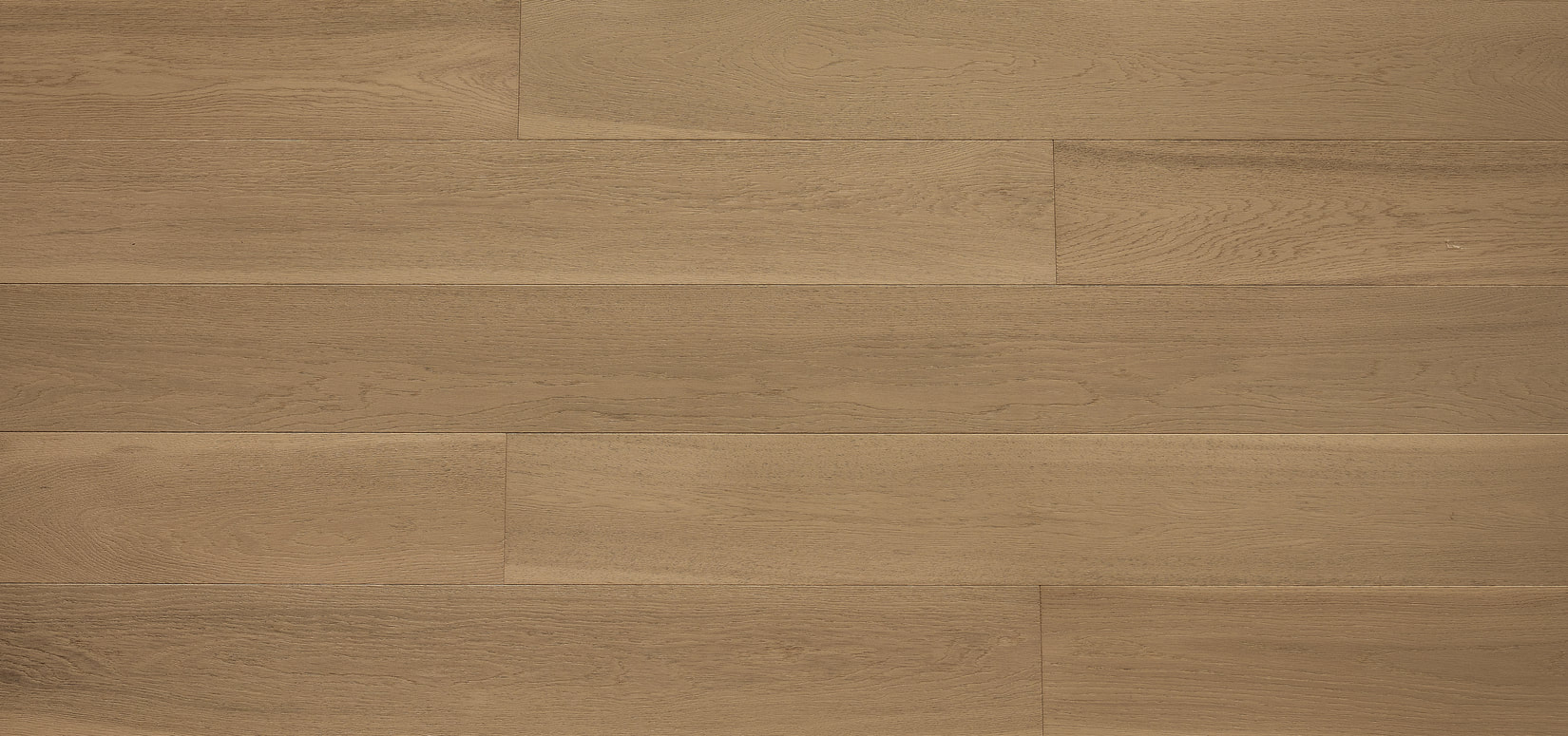 $5.99/square feet | 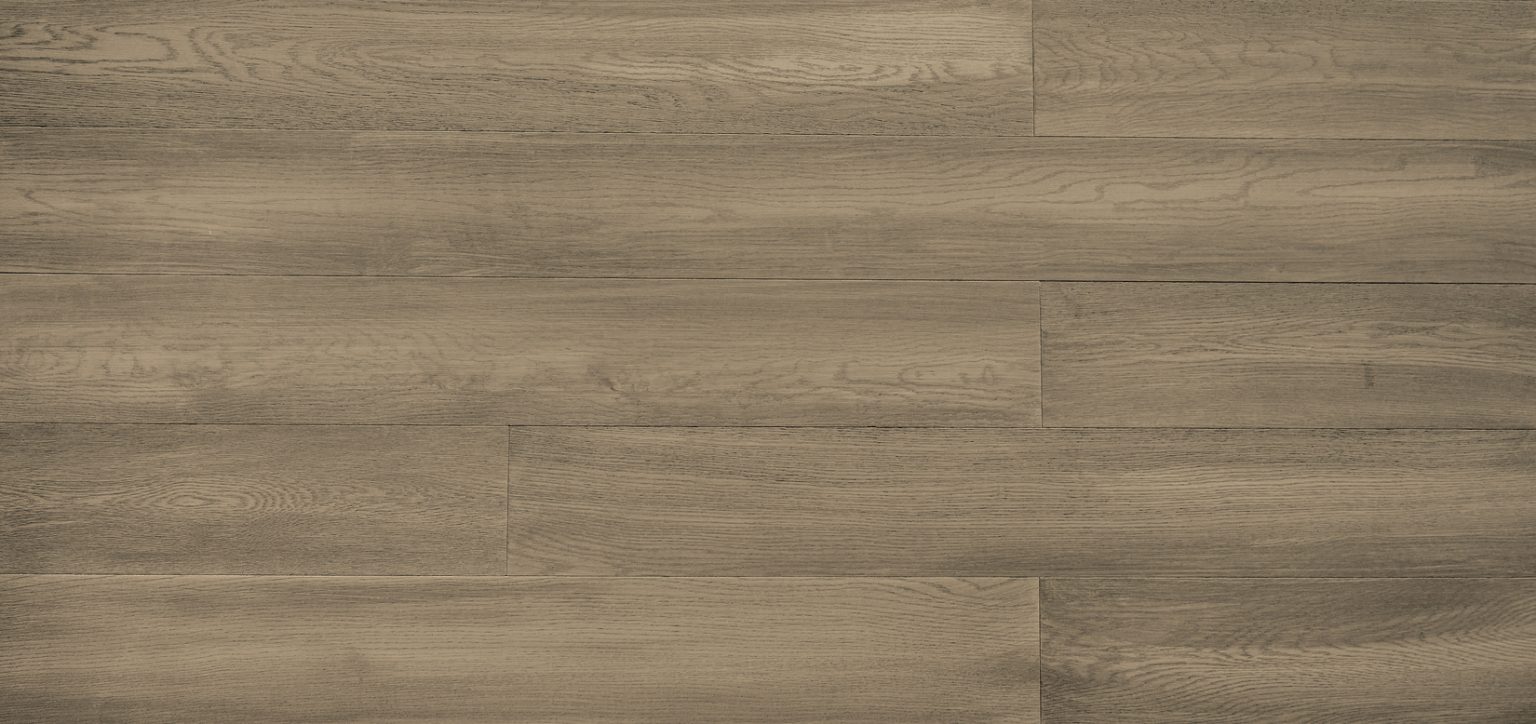 $5.99/square feet |
Benefits of Opting for a Thicker Engineered Hardwood
- Durability: Thicker floors tend to withstand wear and tear better, making them ideal for high-traffic areas.
- Refinishing Potential: A thicker veneer layer means the floor can be sanded and refinished multiple times, extending its lifespan.
- Sound Insulation: Thicker floors offer better sound insulation, adding to the comfort of your living space.
- Feel Underfoot: A thicker floor often feels more solid underfoot, closely mimicking the feel of solid hardwood.
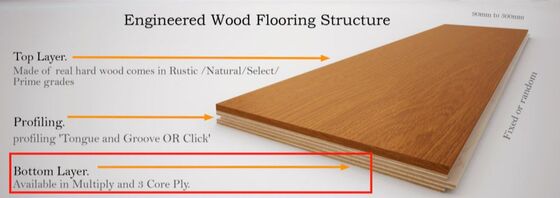
The Core of Engineered Hardwood: What Makes It Special
- 3-Layer Engineered Hardwood Floors
3-layer engineered hardwood floors consist of three layers of wood. The top layer, also known as the wear layer, is made of solid hardwood and displays the color and pattern of the chosen wood species. This layer is typically 2-4 mm thick and can be sanded and refinished over time. - Multi-Ply Engineered Hardwood Floors
Multi-ply engineered hardwood floors, on the other hand, consist of multiple thin layers of plywood bonded together, with a top layer of solid hardwood. The number of layers can vary, but it's typically 5 layers.
Addressing Common Queries
- Is 3/8 inch engineered wood flooring good?: Yes, 3/8 inch is a common thickness for engineered hardwood and is suitable for various applications. However, its refinishing potential might be limited compared to thicker options.
- Does thickness matter in engineered hardwood?: Absolutely! Thickness determines the floor's durability, refinishing potential, and overall feel.
- How can you tell if engineered hardwood is high quality?: Look for a thicker veneer, quality of the core layers, and the floor's finish. A reputable brand and warranty can also be indicators of quality. For more insights on quality indicators, explore our article on decoding timeless colours in hardwood flooring.
Disadvantages of Engineered Wood Flooring: A Balanced View
- Limited Refinishing: Unlike solid hardwood, engineered floors have a finite number of times they can be refinished, especially if they have a thinner veneer.
- Sensitivity to Moisture: While engineered floors fare better than solid hardwood in moisture-prone areas, they aren't entirely waterproof. Prolonged exposure can lead to warping or buckling.
- Cost: High-quality engineered floors can be on the pricier side, especially those with thicker veneers and premium cores.
Making the Right Choice: Factors to Consider
- Location: Areas prone to moisture, like basements, might require engineered floors with moisture-resistant cores.
- Traffic: High-traffic areas benefit from thicker floors that can withstand wear and tear.
- Budget: While it's tempting to opt for cheaper options, investing in a quality floor can save costs in the long run.
- Aesthetic Preferences: The veneer's thickness can influence the floor's appearance, especially when it comes to the depth of its grain and texture.
 $5.99/square feet |  $5.99/square feet | 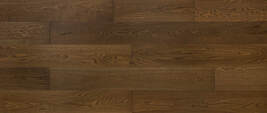 $5.99/square feet |
The Verdict: Is Thicker Always Better?
For instance, a thicker floor with a subpar core might not perform as well as a thinner floor with a high-quality core. Similarly, a well-installed thinner floor can outlast a poorly installed thicker one. It's all about striking the right balance and understanding the specific needs of your space.
Engineered hardwood flooring offers a blend of beauty, durability, and versatility. While its thickness is an essential factor, it's just one piece of the puzzle. Toronto homeowners should consider all aspects, from core quality to installation methods, to make an informed decision. At Parqueteam hardwood Flooring, we pride ourselves on guiding our clients through every step, ensuring they choose the perfect flooring solution tailored to their needs. Whether you're leaning towards a solid hardwood floor or exploring laminate options, our team is here to help you navigate the world of flooring with confidence.
FAQ
2. How does thickness affect the durability of engineered hardwood? Thicker floors generally offer better durability. They can withstand wear and tear more effectively and are less prone to denting from heavy furniture.
3. How important is the veneer thickness in engineered hardwood? The veneer's thickness is crucial for the floor's longevity. A thicker veneer allows the floor to be sanded and refinished multiple times, extending its life.
4. What is a good veneer thickness for engineered hardwood? A veneer that's at least 2mm thick is considered ideal for most residential settings, allowing for potential sanding and refinishing.
5. How does the core quality impact the floor's performance? A high-quality core, like plywood, ensures the floor remains stable over time, reducing the chances of warping or bowing.
6. Is a 3/8 inch engineered wood flooring recommended? 3/8 inch thickness engineered hardwood floor is a decent floor to have, and also can be cheaper option if budget is tight, but keep in mind the limitations of this thickness and long term durability of it, as most likely you won't be able to refinish this floor in the future due to it being very thin.
7. Does thickness play a role in sound insulation, especially in condos? Yes, thicker engineered hardwood floors can offer better sound insulation, making them a preferred choice in multi-story buildings or condos.
8. How can I determine the quality of engineered hardwood? Look for factors like a thicker veneer, a high-quality core material, and reviews or recommendations from a reputable manufacturer.
9. Is thicker engineered hardwood always the better choice? While thickness is essential, other factors like core quality, adhesive type, and installation method also play crucial roles in the floor's overall performance.
10. Where can I get expert advice on choosing the right engineered hardwood for my home in Toronto? Parqueteam Hardwood Flooring offers comprehensive guidance to Toronto homeowners, ensuring they select the best flooring solution for their specific needs.
Glue Down Engineered Hardwood Flooring: Is It Any Good?
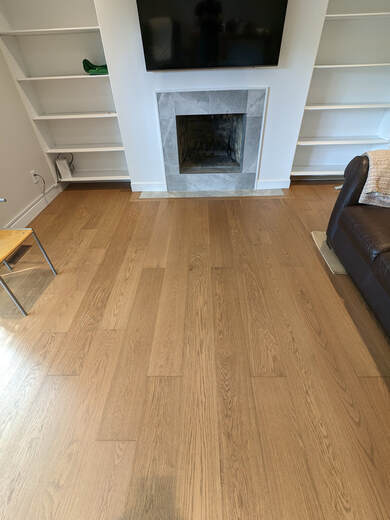 Close-up of engineered hardwood planks.
 What is Engineered Hardwood Flooring?
Glue Down Method for Engineered Hardwood Flooring
| The glue down method is one of the most common installation methods for engineered hardwood flooring. As the name suggests, this method involves using a special adhesive to stick the flooring directly to the subfloor. This method is particularly suitable for concrete subfloors and can also be used on wooden subfloors. One of the main advantages of the glue down method is its stability. Because the flooring is adhered directly to the subfloor, there is less chance of movement and squeaking. This method also allows for thinner profile flooring, which can be beneficial in situations where door clearance or ceiling height is a concern. However, the glue down method can be more time-consuming and requires more skill than other installation methods. It's also important to note that once the flooring is glued down, it can be difficult to remove or replace. Learn more about our hardwood flooring installation services. | 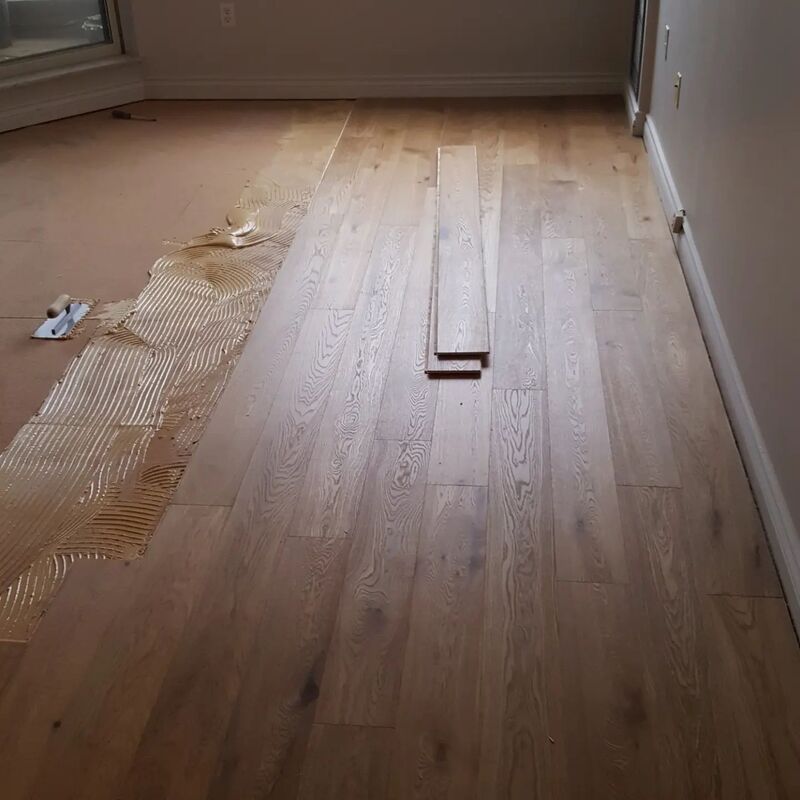 applying adhesive to the subfloor during a glue down engineered hardwood flooring installation |
Glue Down vs. Nail Down: Which is Better?
On the other hand, the nail down method involves attaching the flooring to the subfloor using nails or staples. This method is typically used for solid hardwood flooring, but it can also be used for engineered hardwood.
So, which method is better? The answer depends on your specific needs and circumstances. The glue down method provides a more stable floor, but it is more labor-intensive and permanent. The nail down method, on the other hand, is quicker and easier, but it may not provide the same level of stability. You can learn more about the different installation methods on our blog.
Can Engineered Hardwood Flooring be Glued to Plywood?
However, it's important to note that the plywood must be properly prepared before the flooring is installed. This includes ensuring that the plywood is clean, dry, and level. Any irregularities in the plywood can cause problems with the installation and performance of the flooring.
Is Glue Down Installation Better than Floating Installation for Engineered Wood Floors?
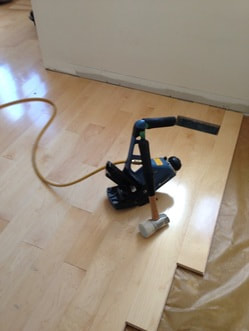 installed engineered hardwood flooring | The answer to this question depends on your specific needs and circumstances. The glue down method provides a solid, stable floor that feels more like a solid hardwood floor. However, it is more labor-intensive and permanent than the floating method. On the other hand, the floating method, where the flooring planks are attached to each other but not to the subfloor, is quicker and easier to install. It also allows for the installation of a moisture barrier and underlayment for added insulation and noise reduction. However, floating floors may not feel as solid underfoot as glue down floors. You can learn more about the different types of hardwood flooring and their installation methods on our blog. |
Underlayment for Glue Down Engineered Hardwood Flooring
How Long Before You Can Put Furniture on New Glued Down Engineered Hardwood Floors?
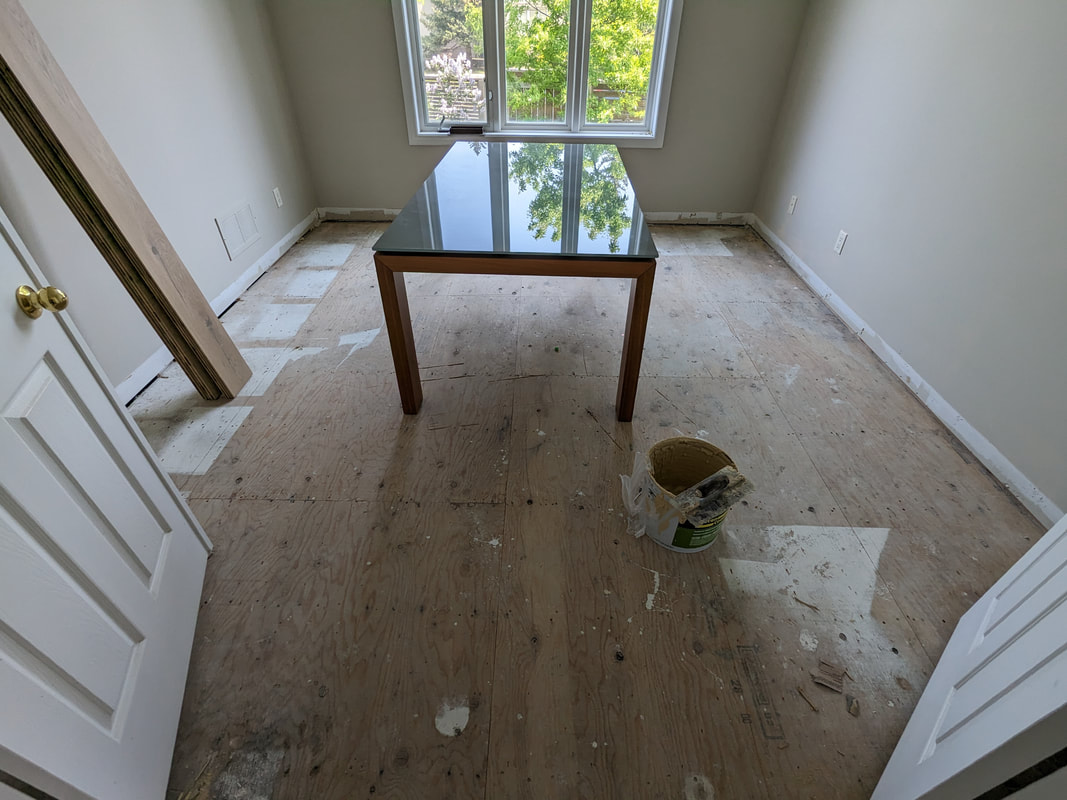 Before footage of engineered hardwood flooring installation |  After footage of engineered hardwood flooring installation |
Glue Down Engineered Hardwood Flooring: Maintenance and Longevity
Engineered hardwood flooring is known for its durability and long lifespan, but like any flooring, it requires proper care and maintenance to keep it looking its best.
Maintaining your engineered hardwood flooring is relatively straightforward. Regular sweeping or vacuuming can help remove dust and debris that might scratch the surface. For deeper cleaning, use a damp mop and a cleaner specifically designed for hardwood floors. Avoid using excessive water, as it can seep into the cracks and cause damage.
One of the advantages of engineered hardwood flooring is that it can be refinished if it becomes scratched or worn. However, the number of times it can be refinished depends on the thickness of the top veneer. Some high-quality engineered floors can be refinished multiple times, while others may only be able to be refinished once or twice.
In terms of longevity, engineered hardwood flooring can last for decades with proper care. The exact lifespan will depend on factors such as the quality of the flooring, the amount of foot traffic it receives, and how well it is maintained.
To ensure the longevity of your flooring, consider hiring professional hardwood flooring installers for the installation process. Professionals have the knowledge and experience to install the flooring correctly, which can help prevent issues down the line.
In conclusion, glue down engineered hardwood flooring is a versatile and durable choice for your home. It offers the beauty of real wood with the added stability of engineered construction. Whether you're renovating your current home or building a new one, consider engineered hardwood flooring for a stylish and long-lasting flooring solution.
For more information on engineered hardwood flooring and other types of flooring, check out our blog or contact us at Parqueteam Hardwood Flooring. We're here to help you make the best choice for your home.
Please note that this article is intended to provide general information. For specific advice related to your situation, please consult with a professional.
FAQ
- What is glue down engineered hardwood flooring?
Glue down engineered hardwood flooring is a type of flooring installation method where adhesive is used to bond the flooring directly to the subfloor. This method is commonly used for engineered hardwood flooring, which is made up of multiple layers of wood with a hardwood veneer on top. - Should you glue down engineered hardwood flooring?
Yes, gluing down engineered hardwood flooring is a common and effective installation method. It provides a solid, stable floor that feels more like a solid hardwood floor. - Can engineered flooring be glued down?
Yes, engineered hardwood flooring can be glued down. This method works well with engineered hardwood flooring because it provides a smooth, stable surface for the flooring to adhere to. - Is it better to glue or nail an engineered wood floor?
The answer depends on your specific needs and circumstances. The glue down method provides a more stable floor, but it is more labor-intensive and permanent. The nail down method, on the other hand, is quicker and easier, but it may not provide the same level of stability. - Do you need underlayment for glue down engineered hardwood?
Typically, an underlayment is not required when using the glue down method for engineered hardwood. However, it's always best to follow the manufacturer's instructions. - Is floating better than glue down engineered wood?
The answer to this question depends on your specific needs and circumstances. The floating method, where the flooring planks are attached to each other but not to the subfloor, is quicker and easier to install. However, floating floors may not feel as solid underfoot as glue down floors. - How long before you can put furniture on new glued down engineered hardwood floors?
After installing glue down engineered hardwood flooring, it's recommended to wait at least 24 hours before placing furniture on the new floors. This allows the adhesive to fully cure and ensures a strong bond between the flooring and the subfloor. - Can you glue engineered hardwood flooring to plywood?
Yes, engineered hardwood flooring can be glued to plywood. In fact, plywood is one of the most common types of subfloor that engineered hardwood flooring is installed on. - How long does engineered hardwood flooring last?
With proper care and maintenance, engineered hardwood flooring can last for decades. The exact lifespan will depend on factors such as the quality of the flooring, the amount of foot traffic it receives, and how well it is maintained.
Engineered Hardwood Flooring: A Comprehensive Guide for Toronto Homeowners
 This image showcases the rich texture and natural grain of engineered hardwood flooring, highlighting its beauty and elegance. | When it comes to flooring options, engineered hardwood flooring is a popular choice among homeowners in Toronto. This type of flooring combines the beauty of real wood with the practical benefits of man-made materials. In this article, we'll delve into the world of engineered hardwood flooring, exploring its benefits, installation methods, and how it compares to other flooring options. |
What is Engineered Hardwood Flooring?
Understanding the Structure of Engineered Hardwood Flooring
The thickness of the top veneer layer can vary, but it's typically between 0.6mm and 6mm. The thickness of this layer can impact the lifespan of your engineered hardwood floor, as thicker veneers can be sanded and refinished more times than thinner ones. At Parqueteam Hardwood Flooring, we offer a variety of engineered hardwood flooring options with different veneer thicknesses to suit your needs.
Benefits of Engineered Hardwood Flooring
- Durability: Engineered hardwood floors are known for their durability. The multi-layer construction provides stability and resistance to changes in temperature and humidity, making it an excellent choice for areas with variable climates like Toronto.
- Versatility: Engineered hardwood flooring can be installed in any room of your home, including basements and over radiant heating systems, where solid hardwood flooring is not typically recommended.
- Variety: Engineered hardwood floors come in a wide range of styles, finishes, and types of surfaces, allowing you to choose the perfect look for your home.
- Easy Installation: Engineered hardwood flooring is easier to install than solid hardwood flooring, making it a cost-effective choice. You can choose to float, glue, or staple the flooring depending on your preference and the specific requirements of your home.
Engineered Hardwood Flooring vs. Other Flooring Options
Engineered hardwood flooring tends to be more expensive than laminate or vinyl flooring. However, it's a long-term investment that can add value to your home. Unlike laminate or vinyl, engineered hardwood can be refinished if it becomes worn or damaged, extending its lifespan and making it a cost-effective choice in the long run.
In terms of appearance, engineered hardwood flooring offers the beauty and warmth of real wood, which can enhance the aesthetic appeal of your home. While laminate and vinyl flooring can mimic the look of wood, they cannotmatch the depth and richness of real wood that engineered hardwood flooring provides.
When it comes to durability, engineered hardwood flooring holds up well against daily wear and tear. While it can scratch, the ability to refinish the surface means it can look like new for many years. On the other hand, laminate and vinyl flooring can be more resistant to scratches but once damaged, they cannot be refinished and must be replaced.
Engineered Hardwood Flooring vs. Laminate Flooring
| When comparing engineered hardwood flooring to laminate flooring, there are several factors to consider. While both options can mimic the look of real wood, they differ in terms of construction, durability, and cost. Engineered hardwood flooring is made up of a real hardwood veneer attached to a core of multiple layers of wood, giving it the look and feel of real wood. On the other hand, laminate flooring is made up of a photographic image of wood attached to a core of high-density fiberboard (HDF), making it look like wood but without the feel of real wood. In terms of durability, both engineered hardwood and laminate flooring are resistant to wear and tear. However, engineered hardwood has the advantage of being able to be sanded and refinished if it becomes worn or damaged, extending its lifespan. Laminate flooring, while resistant to scratches and stains, cannot be refinished and must be replaced if it becomes damaged. In terms of cost, laminate flooring is generally less expensive than engineered hardwood flooring. However, the long-term value of engineered hardwood, including its ability to add value to your home and its longer lifespan, can make it a more cost-effective choice in the long run. At Parqueteam Hardwood Flooring, we offer both engineered hardwood and laminate flooring options, allowing you to choose the best flooring solution for your home. | 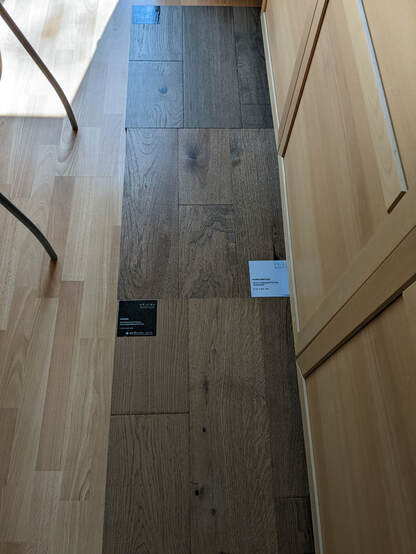 samples of engineered hardwood and laminate flooring, providing a visual representation of the differences between these two popular flooring options |
Installation of Engineered Hardwood Flooring
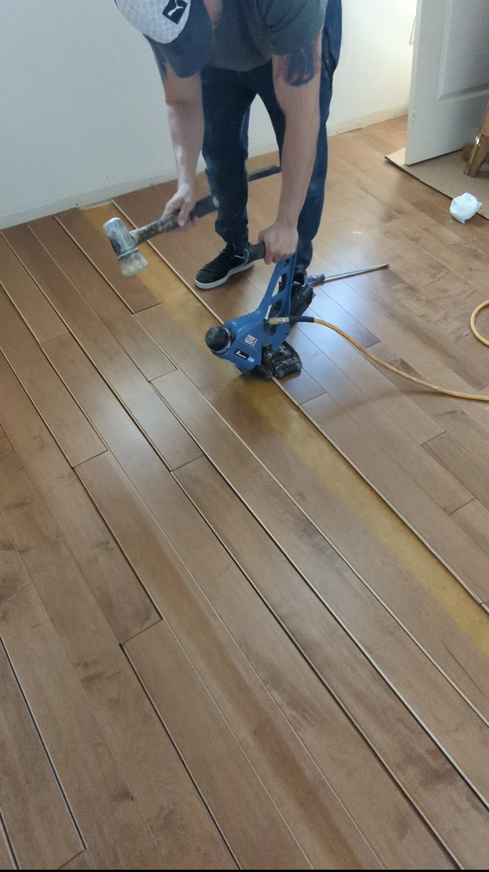 a professional installer meticulously laying down engineered hardwood planks, demonstrating the precision and expertise involved in the installation process.
 There are several methods to install engineered hardwood flooring, including floating, gluing, or stapling. The choice of installation method depends on various factors such as the type of subfloor, the specific engineered hardwood product, and the conditions of your home.
A floating installation is a method where the engineered hardwood planks are not attached to the subfloor but are instead attached to each other. This method is relatively quick and easy, making it a popular choice for DIY enthusiasts.
The two options for floating install of engineered hardwood floors are: Click system and tongue and groove floating install.
Gluing is another method where the engineered hardwood planks are adhered directly to the subfloor with a strong adhesive. This method provides a solid feel underfoot and can help with sound reduction.
Nail-Down is a method where the engineered hardwood planks are attached to the subfloor using a special nailer and cleats to nail down the engineered hardwood floor.. This method is typically used when the subfloor is made of wood.
Regardless of the installation method, it's crucial to ensure that the subfloor is clean, dry, and level before installation begins. This will help to ensure a smooth and successful installation process.
The Cost of Installing Engineered Hardwood Floors
At Parqueteam Hardwood Flooring, we strive to provide high-quality engineered hardwood flooring at competitive prices. We also offer professional installation services, ensuring that your new floors are installed correctly and efficiently.
Glue or Float: Which Installation Method is Better?
Floating is a method where the engineered hardwood planks are not attached to the subfloor but are instead attached to each other. This method is relatively quick and easy, making it a popular choice for DIY enthusiasts. However, floating floors may not feel as solid underfoot compared to floors that are glued or nailed down.
Gluing, on the other hand, involves adhering the engineered hardwood planks directly to the subfloor with a strong adhesive. This method provides a solid feel underfoot and can help with sound reduction. However, it's more labor-intensive and requires a clean, dry, and level subfloor.
At Parqueteam Hardwood Flooring, our team of experienced hardwood flooring installers can guide you in choosing the best installation method for your engineered hardwood floors.
The Easiest Engineered Hardwood Flooring to Install
However, for the best results, it's recommended to have your engineered hardwood floors installed by a professional. At Parqueteam Hardwood Flooring, our team of experienced hardwood flooring installers can ensure a smooth and efficient installation process, providing you with beautifully installed floors that will last for years.
Engineered Hardwood Flooring and Underlay
The answer is yes, but only for engineered hardwood floors that are installed via the floating installation method. In this case, underlay is typically recommended to put under the installed engineered hardwood flooring. The underlay serves several purposes:
- Moisture Barrier: The underlay can act as a moisture barrier, protecting the engineered hardwood flooring from moisture coming up from the subfloor.
- Sound Reduction: The underlay can help reduce the sound of footsteps and other noises.
- Comfort: The underlay can provide a softer feel underfoot, enhancing the comfort of your engineered hardwood floors.
For engineered hardwood floors that installed via the nail down installtion method, an underlay is not needed.
At Parqueteam Hardwood Flooring, we can advise you on the best type of underlay for your engineered hardwood floors, ensuring optimal performance and longevity.
The Lifespan of Engineered Hardwood Floors
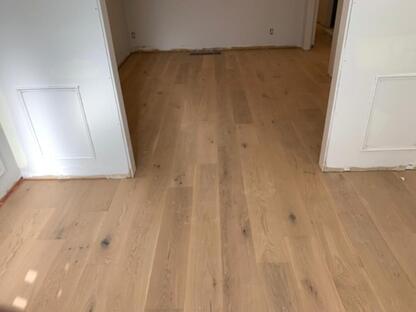 The Lifespan of Engineered Hardwood Floors | One of the most frequently asked questions about engineered hardwood flooring is about its lifespan. How long do engineered hardwood floors last? The answer depends on several factors, including the quality of the product, the thickness of the top veneer layer, and how well the floors are maintained. On average, engineered hardwood floors can last between 20 to 30 years. However, high-quality engineered hardwood floors with a thick top veneer layer can last even longer, especially if they are well maintained. Regular cleaning, avoiding excessive moisture, and refinishing the floors when necessary can significantly extend the lifespan of your engineered hardwood floors. At Parqueteam Hardwood Flooring, we offer high-quality engineered hardwood flooring that is designed to last. We also provide hardwood flooring restoration and refinishing services, helping to keep your floors looking their best for years to come. |
Do Engineered Wood Floors Scratch Easily?
To prevent scratches, it's important to keep your floors clean and free of dirt and grit, which can cause scratches. Using furniture pads, maintaining a suitable indoor humidity level, and avoiding walking on the floors with high heels or sports shoes can also help prevent scratches.
If your engineered hardwood floors do get scratched, they can be sanded and refinished to restore their appearance. However, the number of times the floors can be refinished depends on the thickness of the top veneer layer.
For Conclusion...
We hope this comprehensive guide has provided you with valuable insights into engineered hardwood flooring. For more information on this and other flooring topics, be sure to check out our blog, where we regularly post articles to help you make informed decisions about your flooring needs.
At Parqueteam Hardwood Flooring, we're committed to providing high-quality flooring solutions to homeowners in Toronto and the Greater Toronto Area. From hardwood flooring installation to hardwood flooring restoration and refinishing, we've got you covered. Contact us today to learn more about our services and how we can help you achieve the perfect floors for your home.
Thank you for joining us on this journey into the world of engineered hardwood flooring. We look forward to serving you and helping you create the perfect floors for your home.
FAQ
Engineered hardwood flooring is a type of flooring that is made up of a real hardwood veneer attached to a core constructed from multiple layers of wood, all laid in different directions. This construction method makes engineered hardwood more stable than traditional solid hardwood.
Q2: How long do engineered hardwood floors last?
On average, engineered hardwood floors can last between 20 to 30 years. However, high-quality engineered hardwood floors with a thick top veneer layer can last even longer, especially if they are well maintained.
Q3: Do engineered wood floors scratch easily?
Like all types of hardwood flooring, engineered hardwood floors can scratch. However, the degree to which they scratch depends on several factors, including the hardness of the wood species used in the top veneer layer, the finish applied to the floors, and how the floors are used and maintained.
Q4: Is it better to glue or float an engineered wood floor?
The answer depends on several factors, including the type of engineered hardwood product, the conditions of your home, and your personal preferences. Floating is a method where the engineered hardwood planks are not attached to the subfloor but are instead attached to each other. Gluing involves adhering the engineered hardwood planks directly to the subfloor with a strong adhesive.
Q5: Does engineered wood flooring need underlay?
Yes, an underlay is typically recommended for engineered hardwood flooring. The underlay serves several purposes, including acting as a moisture barrier, helping with sound reduction, and providing a softer feel underfoot.
Q6: How much does it cost to install engineered hardwood floors?
The cost of installing engineered hardwood floors can vary depending on several factors, including the type of engineered hardwood product, the size of the area to be covered, and the complexity of the installation. On average, you can expect to pay between $3 and $10 per square foot for materials, and between $2 and $8 per square foot for installation.
Q7: Which is better, engineered hardwood or laminate?
Both engineered hardwood and laminate flooring have their own advantages. Engineered hardwood offers the beauty and warmth of real wood, can be refinished if it becomes worn or damaged, and can add value to your home. Laminate flooring, while resistant to scratches and stains, is generally less expensive and can mimic the look of wood. However, it cannot be refinished and must be replaced if it becomes damaged.
Q8: What is the easiest engineered flooring to install?
Engineered hardwood floors with a click-lock system are generally the easiest to install, as they can be floated without the need for nails or glue. However, for the best results, it's recommended to have your engineered hardwood floors installed by a professional.
Discover The Benefits of Engineered Hardwood Flooring in Toronto with Parqueteam Hardwood Flooring Ltd.
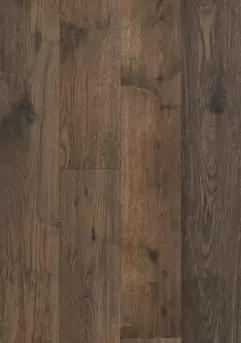
1. Durability
Toronto's climate can be unpredictable at times, from hot and humid summers to cold and damp winters. Engineered hardwood flooring is designed to withstand these fluctuations without warping, cupping, or expanding, making them an excellent choice for Toronto homes and businesses. With the solid hardwood veneer on the top layer, you get the look and durability of solid hardwood at a fraction of the cost.
2. Cost-effective
Engineered hardwood is a more affordable option than solid hardwood. It also requires less maintenance over time, making it a cost-effective and sustainable solution for most home and business owners in Toronto. With Parqueteam Hardwood Flooring Ltd, you can get high-quality engineered hardwood flooring at affordable prices, without compromising on style or durability.
3. Variety of Styles and Finishes
With engineered hardwood flooring, you can choose from a wide range of styles, colors, and finishes to suit your taste and preferences. At Parqueteam Hardwood Flooring Ltd, we have a vast selection of engineered hardwood flooring options to choose from, so you can find the perfect fit for your Toronto home or business.
4. Easy to Install
Installation of engineered hardwood flooring is quick and easy, minimizing disruption to your home or business. With a simple click lock installation system, you can have your new floor installed in no time. Plus, with Parqueteam Hardwood Flooring Ltd, our skilled professionals will take care of everything, from design and preparation to installation and cleanup.
Conclusion
Parqueteam Hardwood Flooring Ltd is your go-to source for high-quality, affordable, and durable engineered hardwood flooring in Toronto. Our experts are here to help you find the perfect flooring options for your home or business. Contact us today to get started with your flooring project!
Installation of engineered hardwood flooring is quick and easy, minimizing disruption to your home or business. With a simple click lock installation system, you can have your new floor installed in no time. Plus, with Parqueteam Hardwood Flooring Ltd, our skilled professionals will take care of everything, from design and preparation to installation and cleanup.
Conclusion
Parqueteam Hardwood Flooring Ltd is your go-to source for high-quality, affordable, and durable engineered hardwood flooring in Toronto. Our experts are here to help you find the perfect flooring options for your home or business. Contact us today to get started with your flooring project!
Parqueteam Hardwood Flooring
Hardwood Flooring Toronto and The Greater Toronto Area.
Archives
December 2023
November 2023
October 2023
September 2023
August 2023
June 2023
May 2023
April 2023
July 2018
February 2018
January 2018
December 2017
March 2017
February 2017
January 2017
November 2016
October 2016
May 2016
March 2016
February 2016
January 2016
December 2015
November 2015
October 2015
September 2015
August 2015
July 2015
June 2015
May 2015
April 2015
March 2015
February 2015
January 2015
December 2014
June 2014
May 2014
April 2014
March 2014
Categories
All
Affordable Flooring
Art Flooring
Canada
Canadian
Clean Hardwood Floors
Cleaning Hardwood Floors
Commercial Hardwood Flooring
Condos
Construction
Construction Materials
Consturction
Contractors
Cost And Budgeting
Dark Hardwood Flooring
Design
DIY
Durable Hardwood Floors
Engineered Hardwood
Engineered Hardwood Flooring
Engineered Hardwood Flooring Toronto
Engineered Hardwood Floors
Engineered Wood Floors
European Hardwood Flooring
Floating Hardwood Flooring
Flooring
Flooring Baseboards
Flooring Baseboards Installation
Flooring Benefits
Flooring Comparison
Flooring FAQs
Flooring Guide
Flooring Innovation
Flooring Installation
Flooring Maintenance
Flooring Options
Flooring Refinishing
Flooring Solutions
Flooring Styles And Patterns
Flooring Tips
Flooring Tips And Guides
Flooring Trends
Floors
Glue Down Hardwood Floors
Hardwood
Hardwood Floor
Hardwood Flooring
Hardwood Flooring Contractor
Hardwood Flooring Contractors
Hardwood Flooring Contractors In Toronto
Hardwood Flooring Contractors Toronto
Hardwood Flooring Finishes
Hardwood Flooring Installation
Hardwood Flooring Installation Cost
Hardwood Flooring Installation In Markham
Hardwood Flooring Installation In Toronto
Hardwood Flooring Installation Toronto
Hardwood Flooring Installers In Toronto
Hardwood Flooring In Toronto
Hardwood Flooring Markham
Hardwood Flooring Refinishing
Hardwood Flooring Repairs
Hardwood Flooring Sanding And Refinishing
Hardwood Flooring Toronto
Hardwood Flooring Trends
Hardwood Floors
Hardwood Floors Toronto
Hardwood Stairs
Hickory Flooring
Home Decor
Home Decor Tips
Home Design
Home Improvement
Home Imrovement
Home Investment
Home Renovation
Home Renovations
Homes
Home Solutions
House
Installation
Interior Design
Interiors
Kitchen Remodeling
Laminate
Laminate Flooring
Laminate Flooring Installation
Laminate Flooring Installation Toronto
Laminate Flooring Installers
Laminate Flooring Toronto
Laminate Floors
Maple Flooring
Modern Home Improvement
Oak Flooring
Parqueteam
Parqueteam Hardwood Flooring
Real Estate
Real Estate Value Enhancement
Refinishing
Solid Vs Engineered Flooring
Solid Wood Flooring
Staining Hardwood Floors
Sustainable Flooring
Tips
Toronto
Toronto Climate
Toronto Flooring
Toronto Flooring Services
Toronto Hardwood Flooring
Toronto Home Improvement
Toronto Homeowners
Toronto Homeowners Guide
Toronto Home Renovation
Toronto Home Style
Toronto Living
Toronto Real Estate
Wood
Wooden Floors
Wood Flooring
Wood Flooring Installation
Wood Flooring Installation In Toronto
Wood Flooring Toronto
Wood Floors
Wood Stairs Installation Toronto
Wood Stairs Toronto
 RSS Feed